When Abelardo de la Espriella was sworn in as Colombia’s president on August 7, he had a long list of problems he wanted to tackle. An earthquake was not one of them.
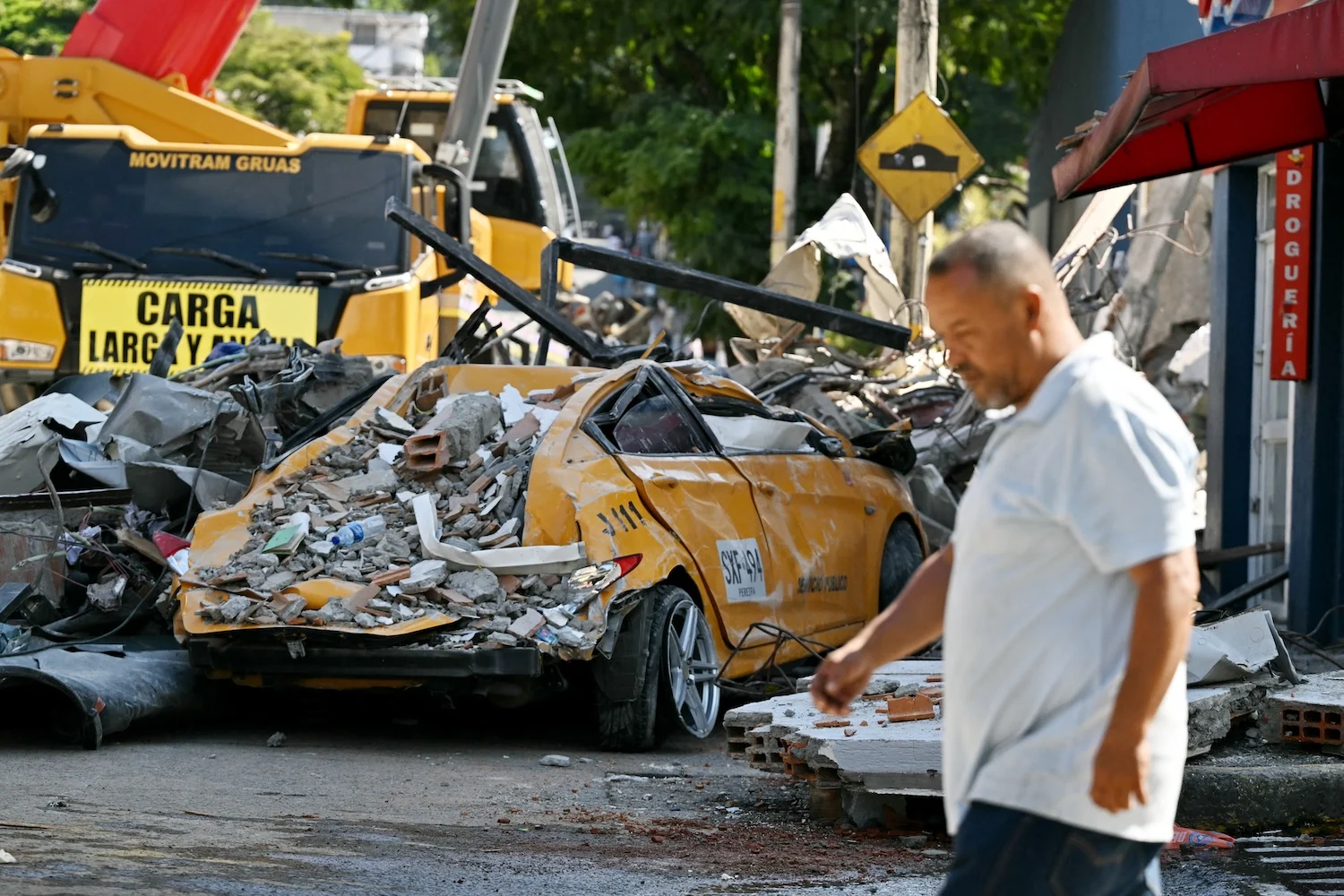
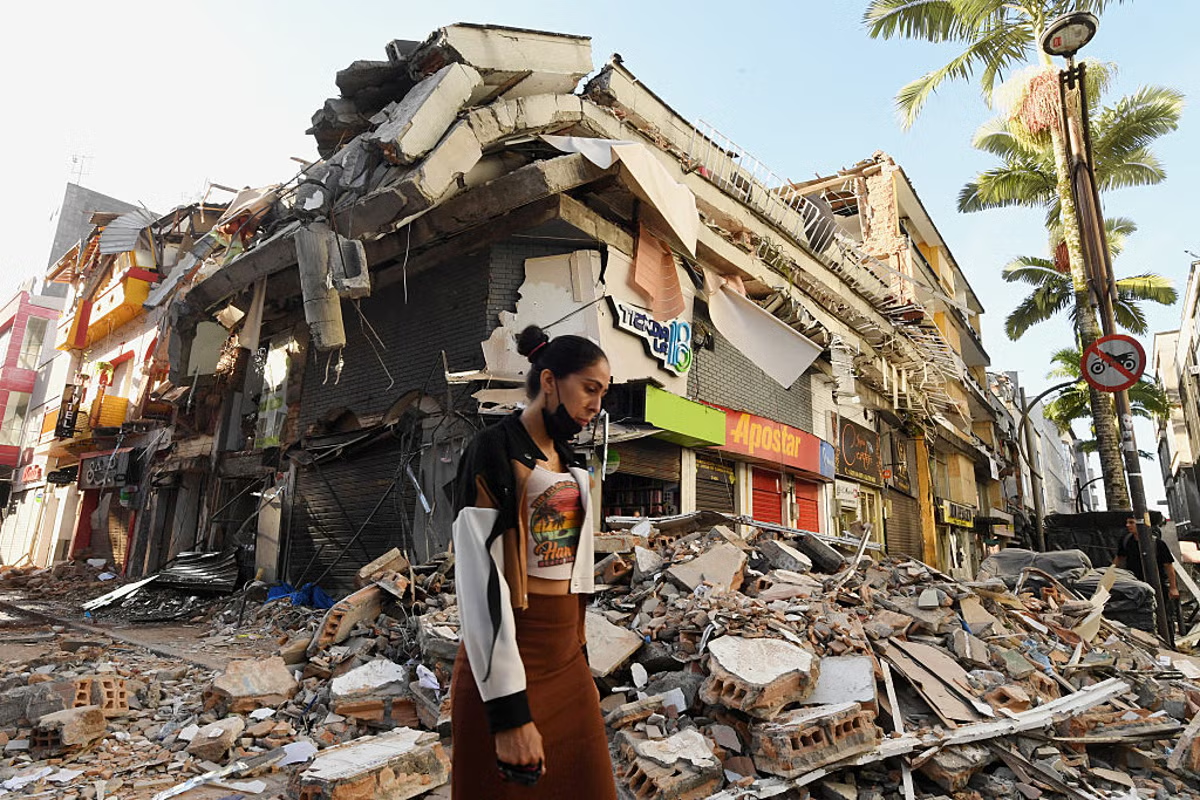
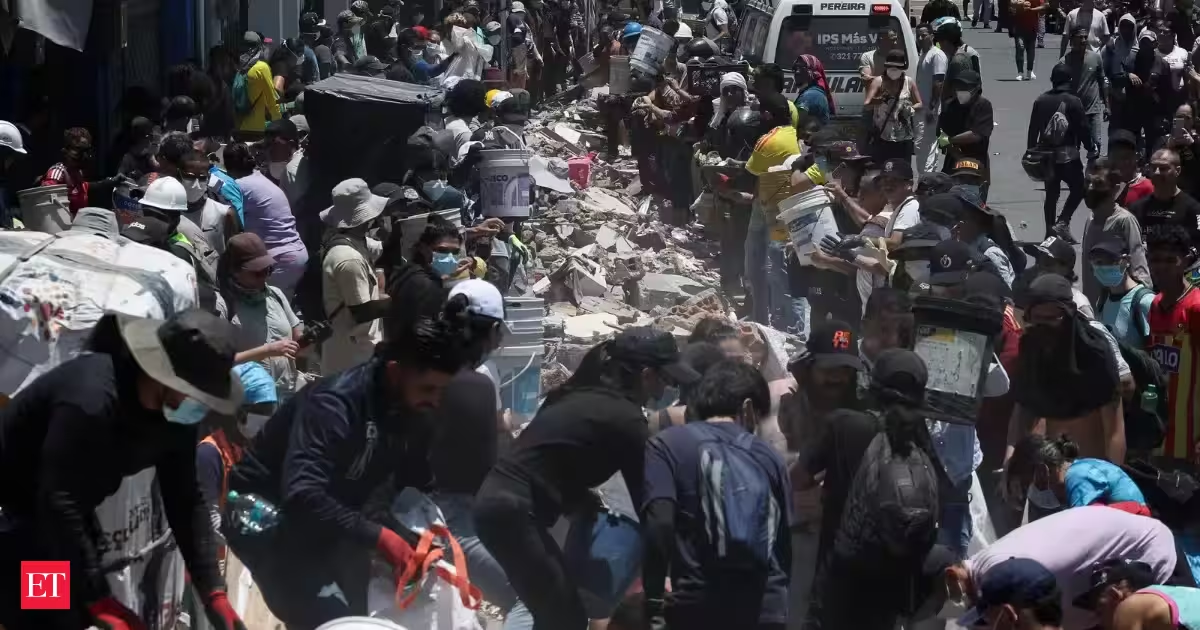
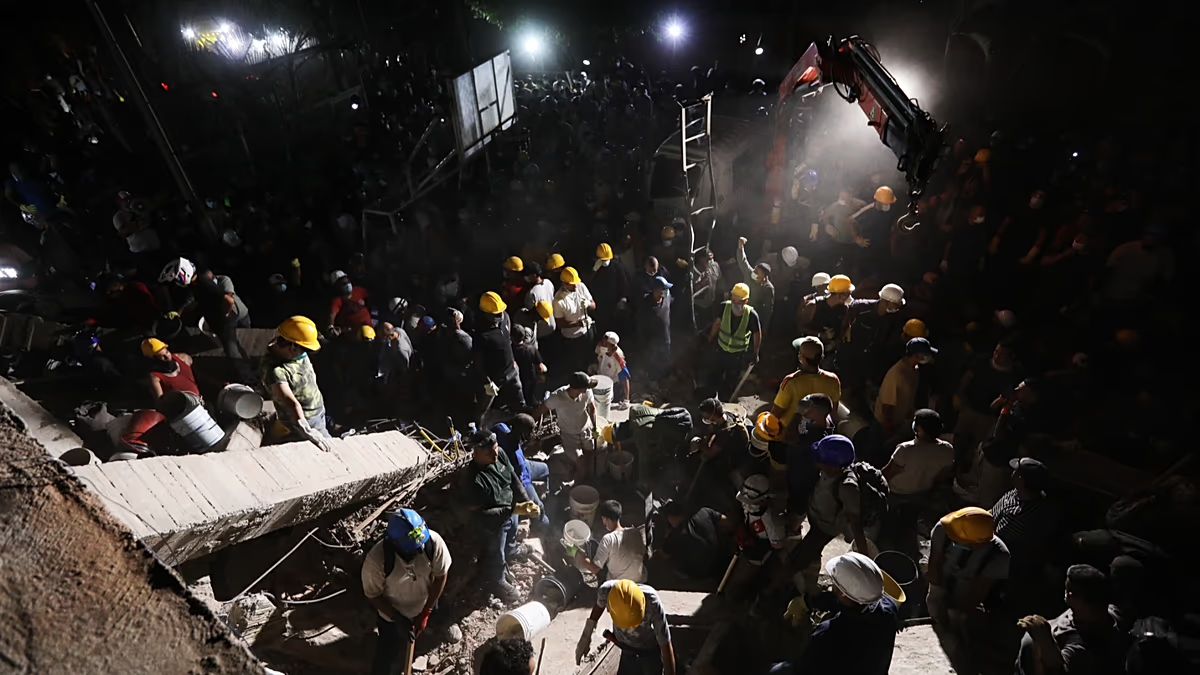
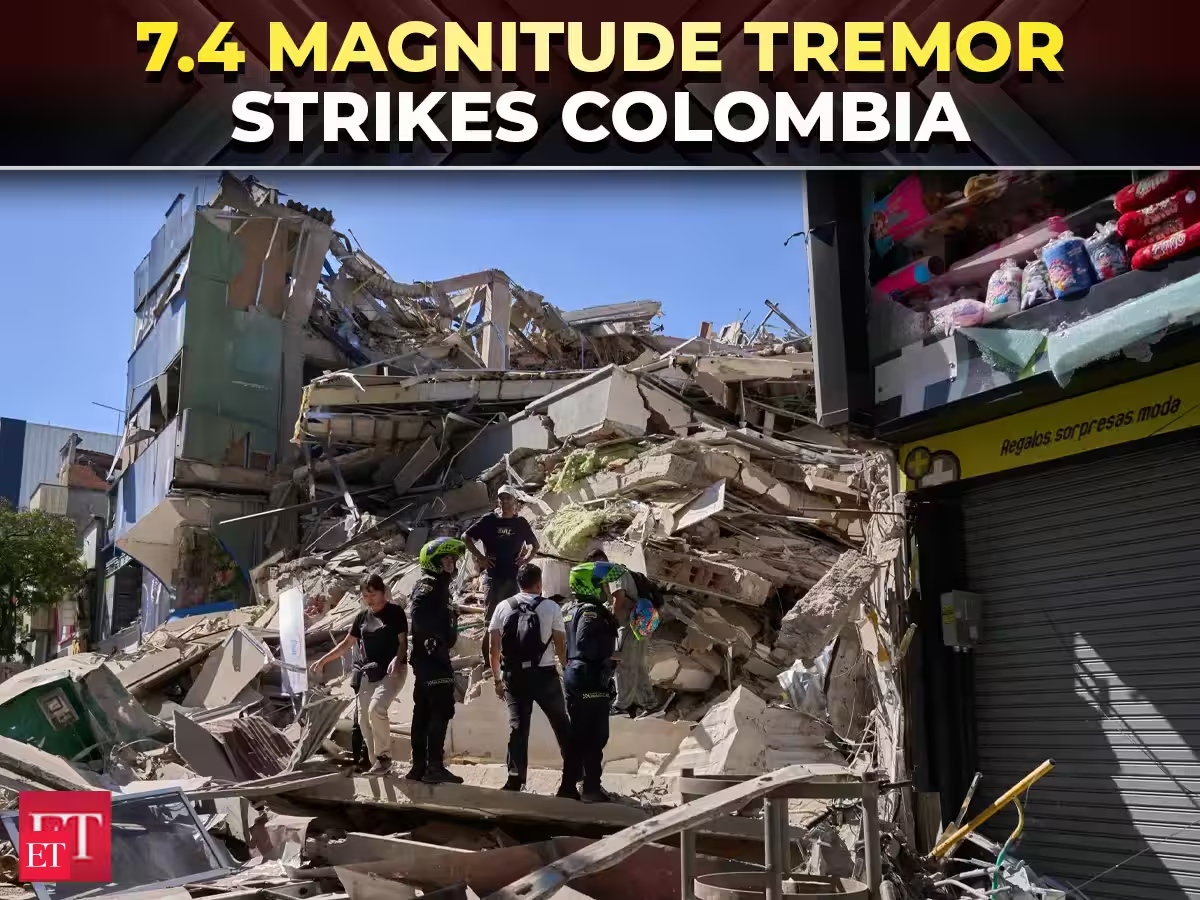
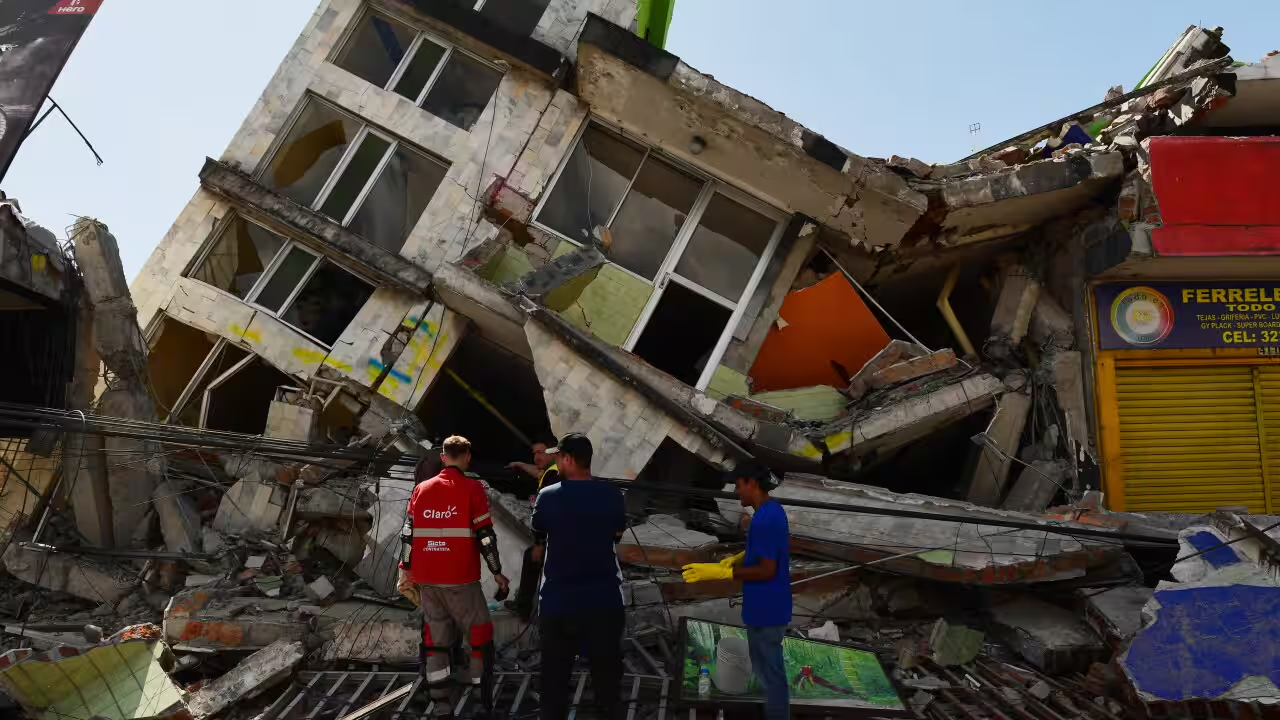
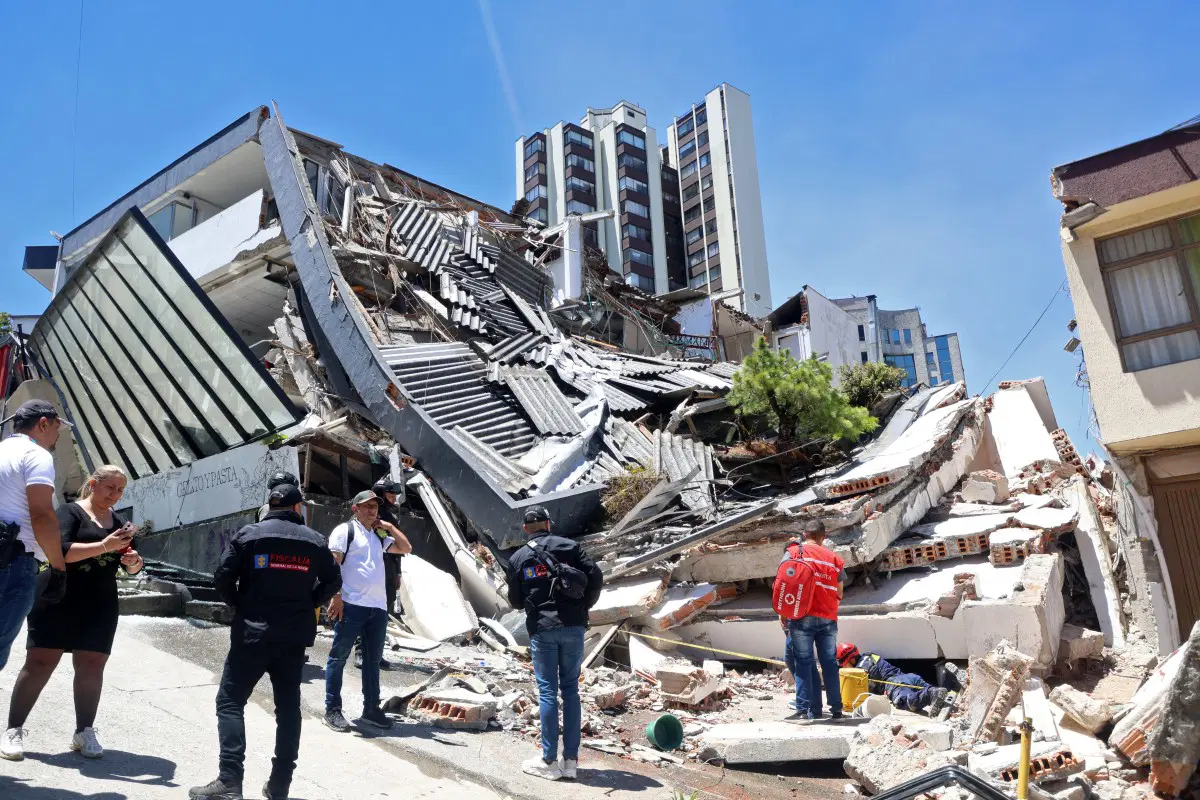
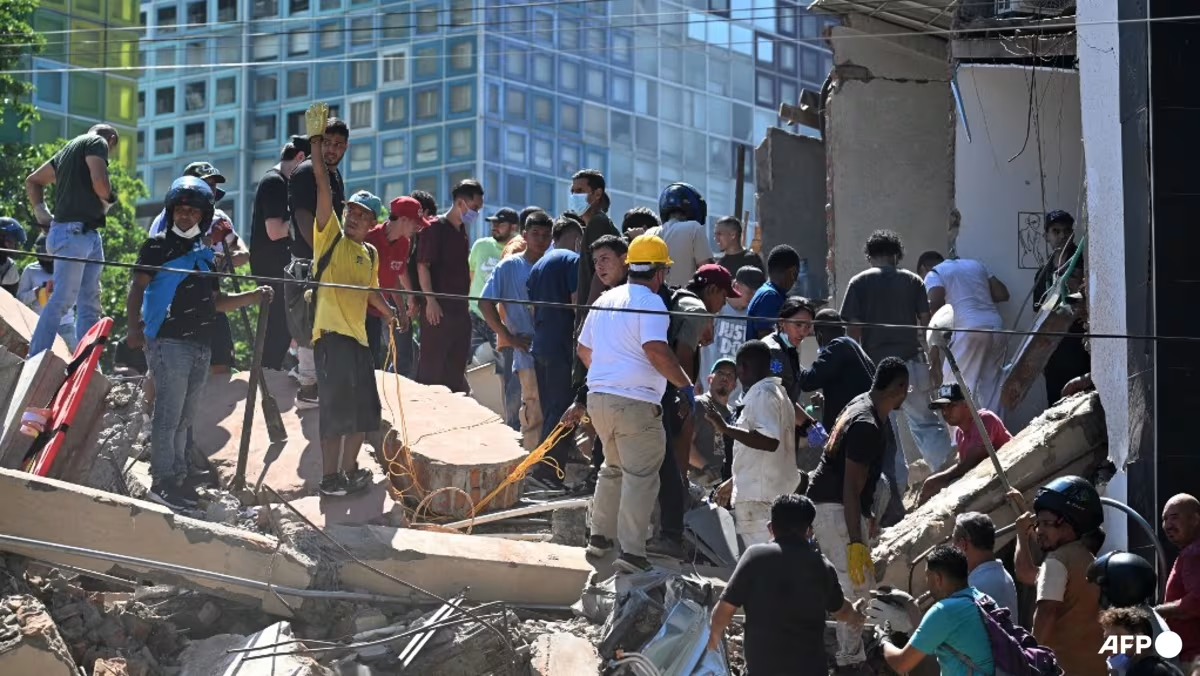
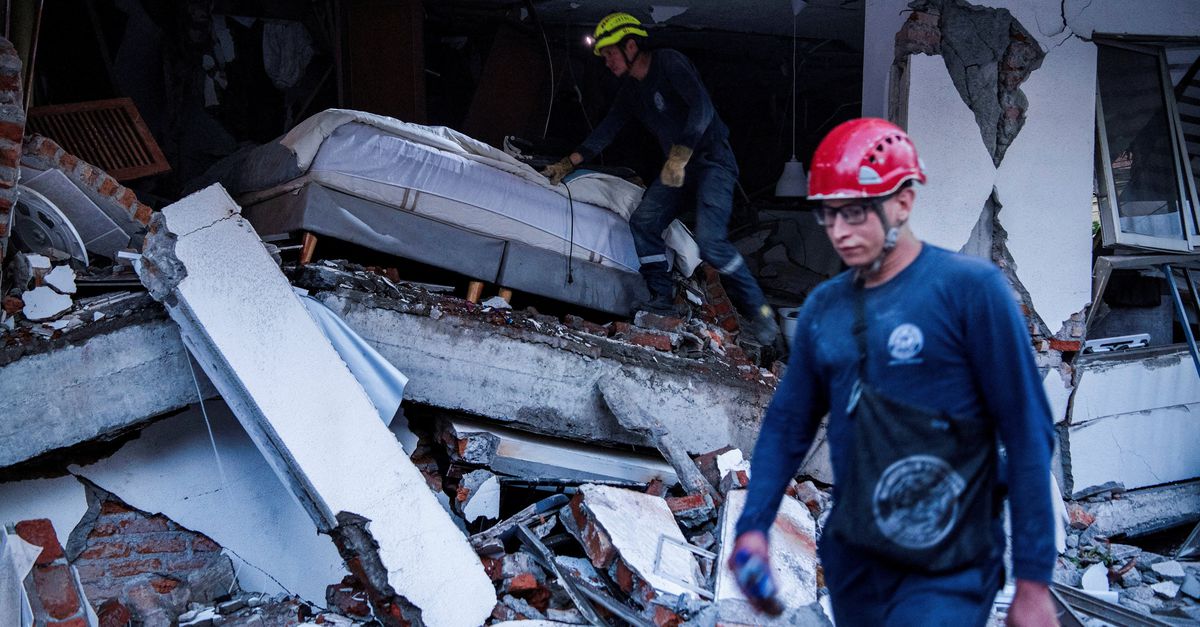
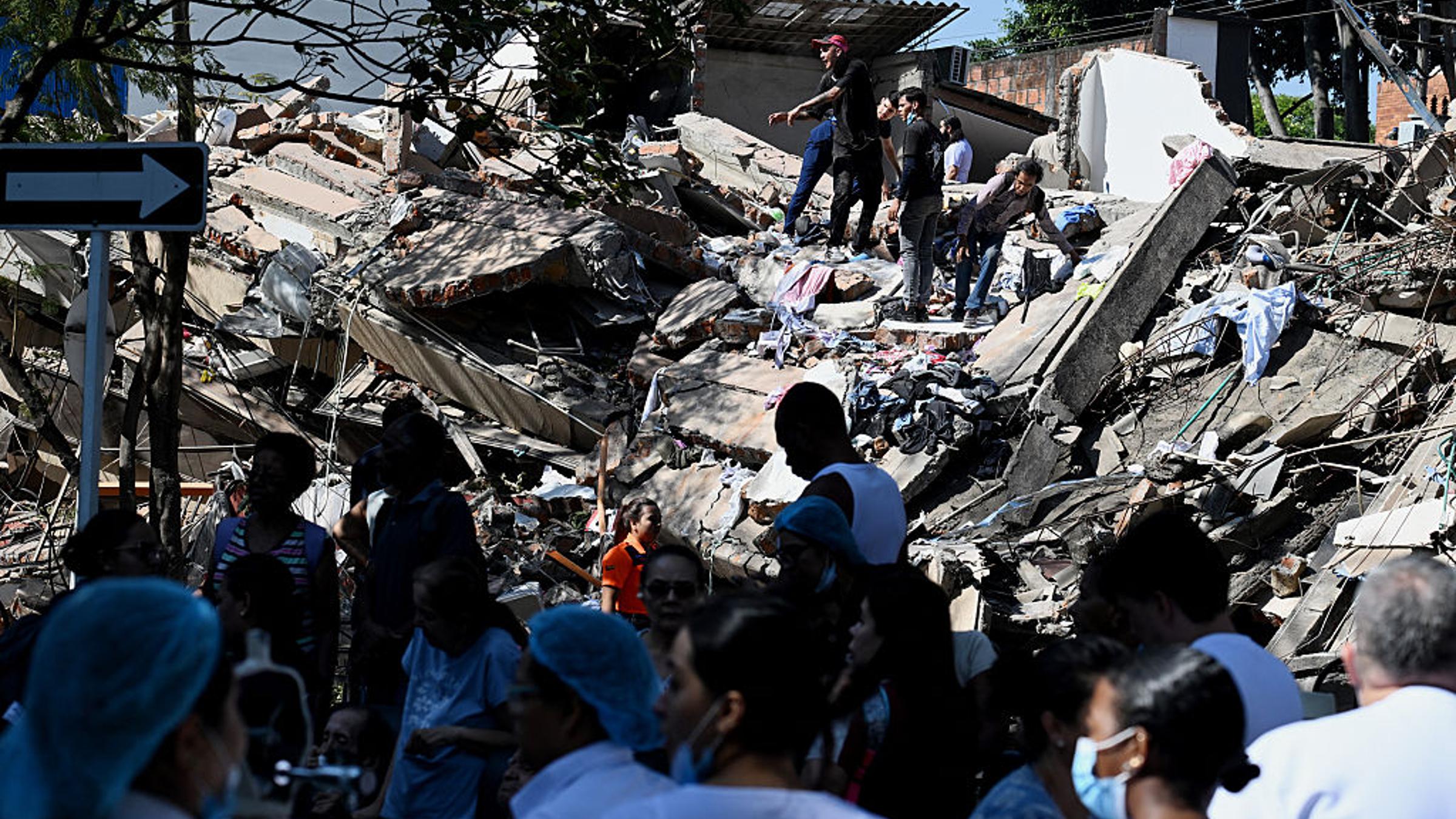
Yet just three days after his inauguration in Cali, the country was hit by a magnitude 7.4 quake. Videos of the devastation show some buildings in Cali damaged or completely collapsed, residents trapped under broken concrete and tangled metal and locals and rescue teams scrambling to find survivors.
Across parts of Colombia, the picture was similar. The earthquake struck near San José del Palmar, in Chocó, one of Colombia’s poorest and most remote departments. Damage was also reported in and around the coffee-growing region, including cities such as Pereira and Manizales. At least 100 people have been killed so far, a figure that is expected to rise.
The new right-wing president, who narrowly won the election in June, came into office promising to tackle Colombia’s growing insecurity: the proliferation of armed groups, the expansion of illicit economies and the loss of territorial control in parts of the country. A former criminal lawyer with no formal political experience, his campaign was built in part around the promise of a stronger state capable of confronting those threats. But now he and his government will also have to deal with a major emergency, followed by the enormous task of reconstruction.