science
H3 rocket gets the job done after losing a bird last year
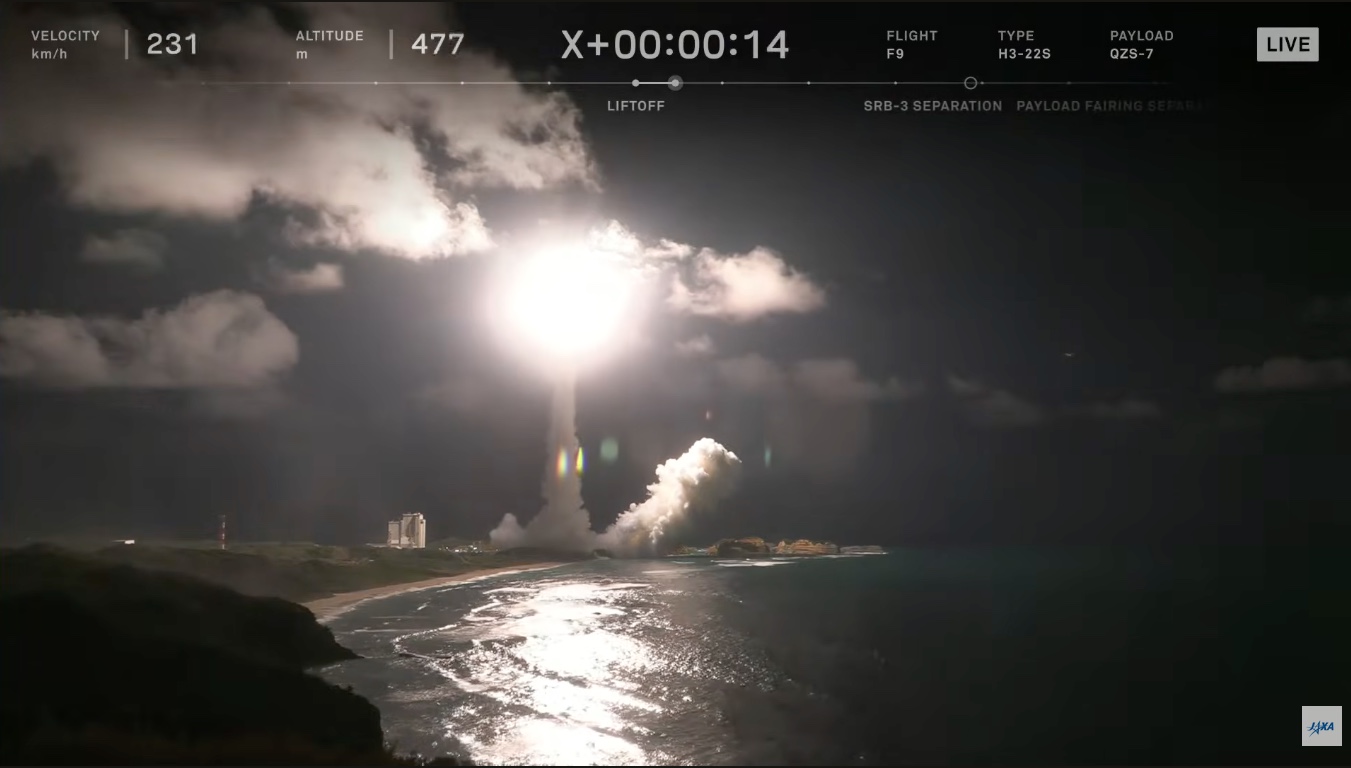
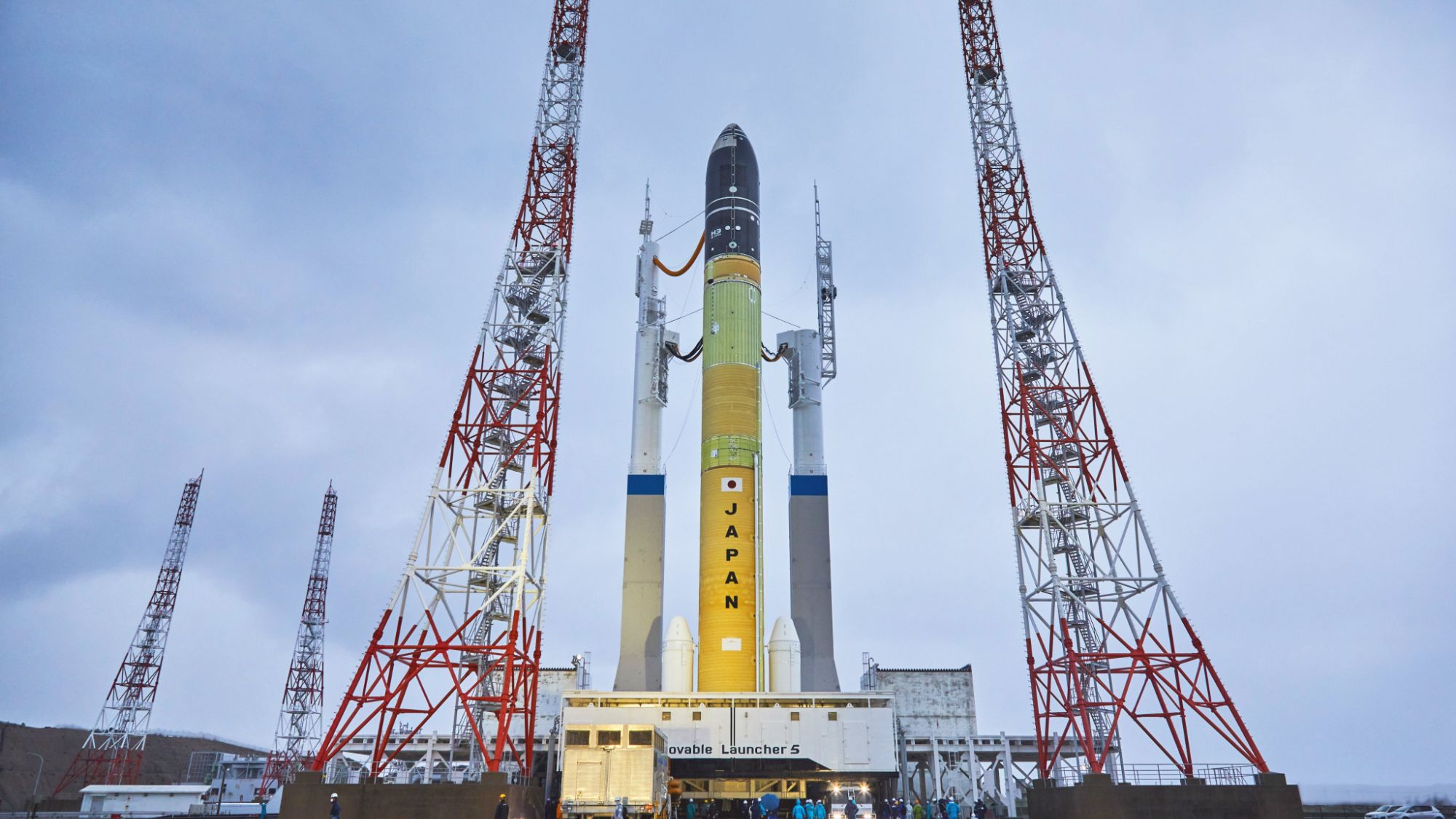
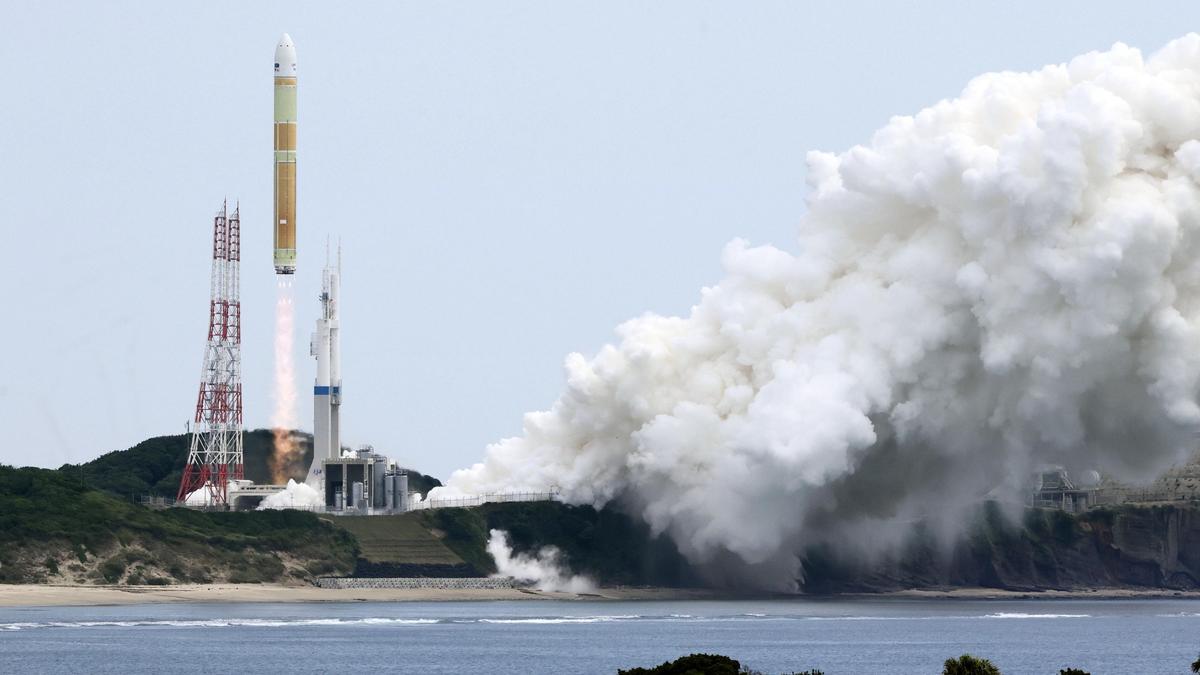
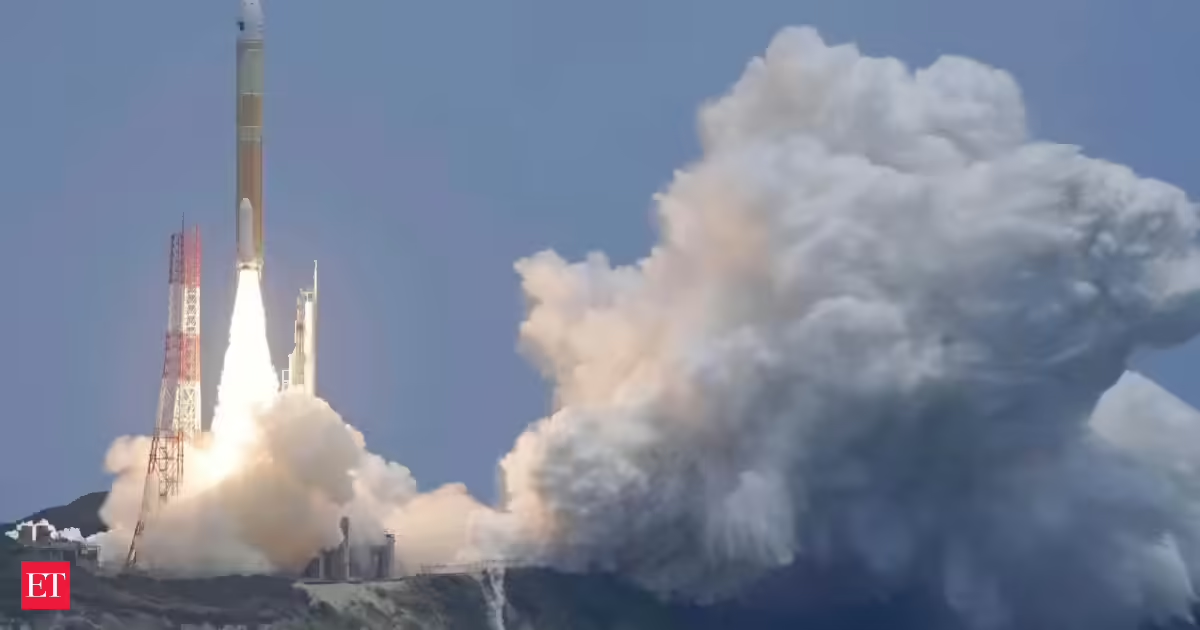
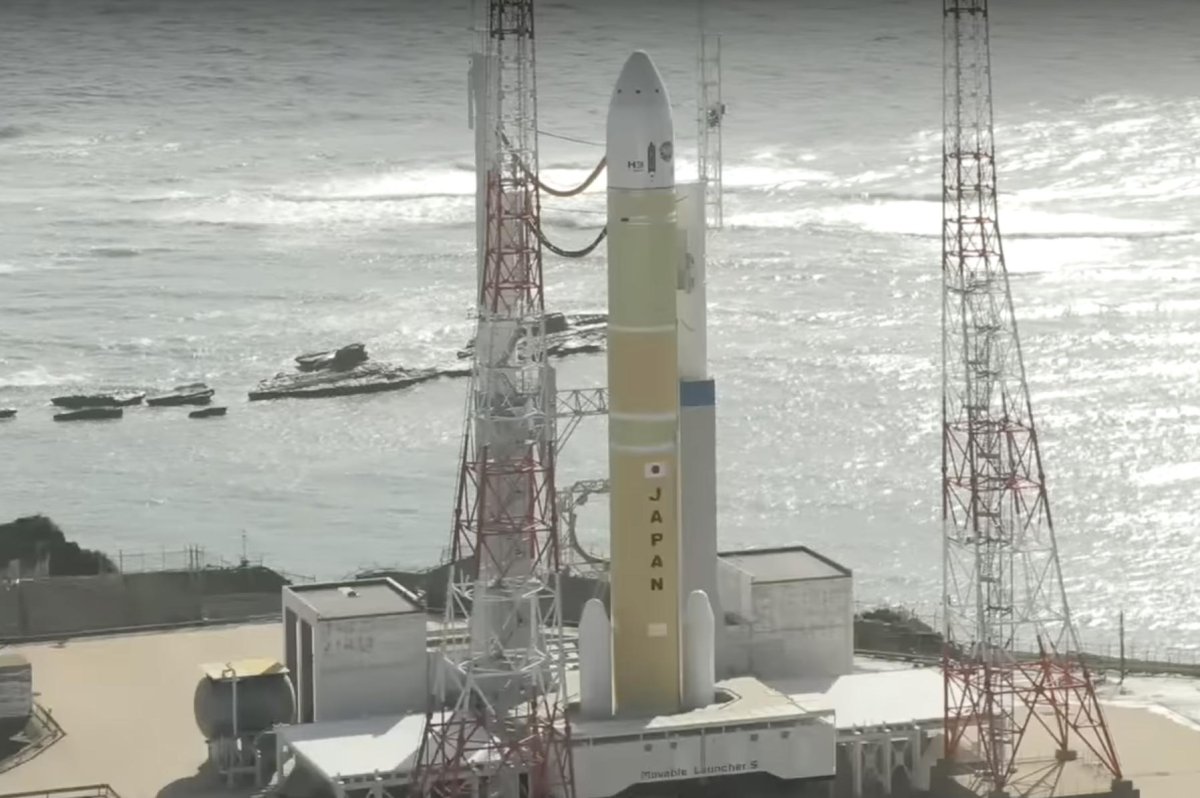
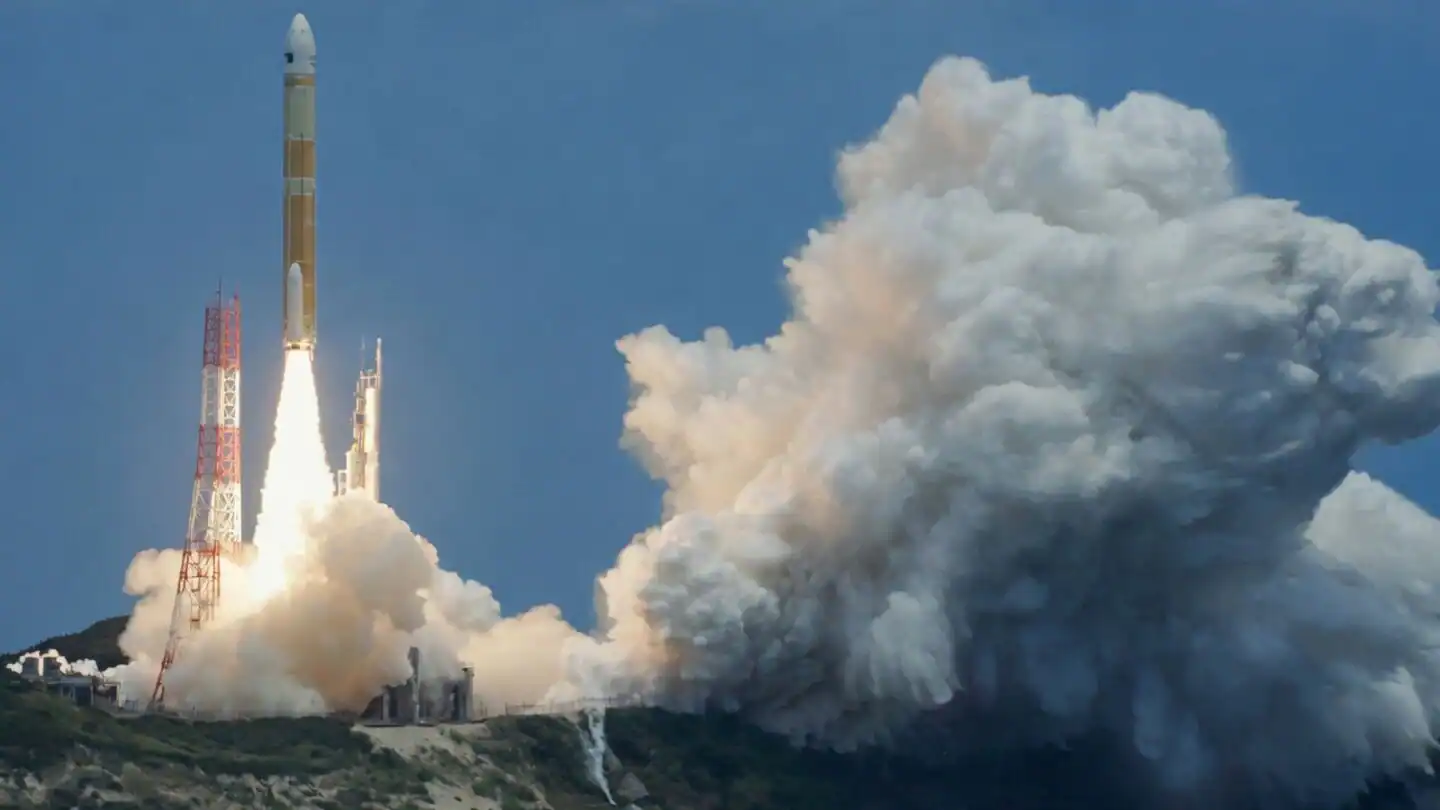
Japan has successfully launched the last of the current generation of the satellite navigation orbiters it will use to operate a sovereign positioning system.The satellite, known as “Michibiki No. 7”, aka QZS-7, made it into orbit early on Tuesday, local time, aboard an H3 rocket.The H3 is the Japan Aerospace Exploration Agency’s (JAXA’s) latest mid-range launcher and has flown nine times. Two of those missions failed, most recently in December 2025 when glue caused fatal problems. The payload of that flight was QZS-5 – an earlier satellite navigation orbiter.
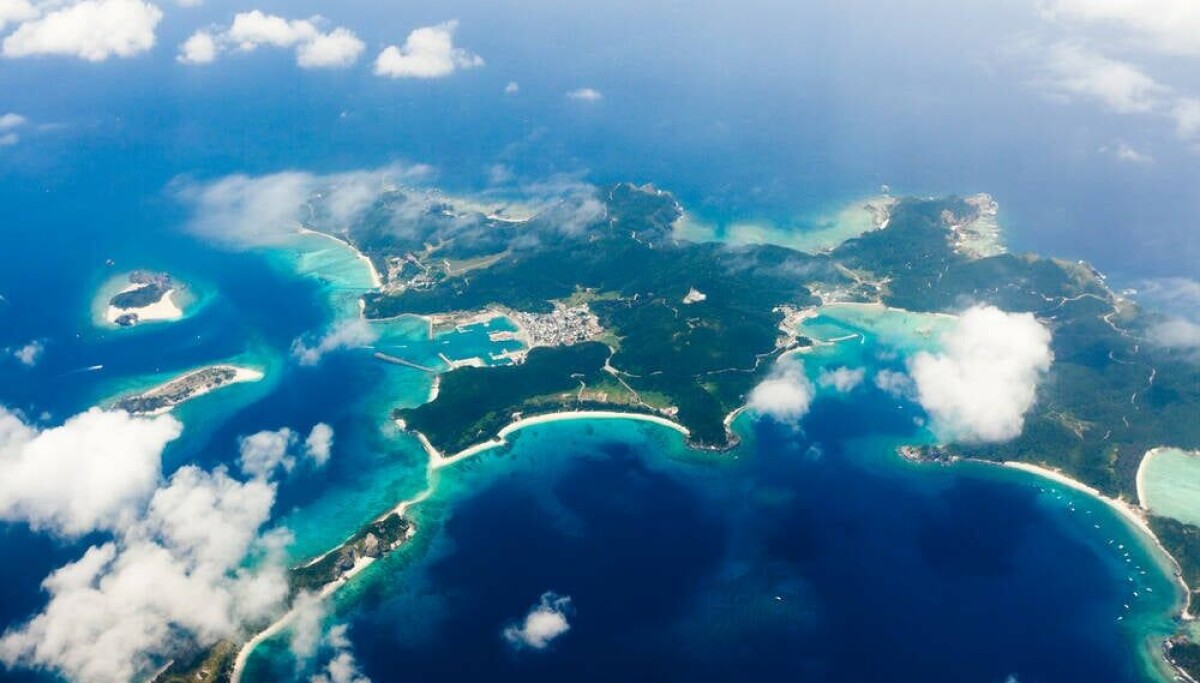
Japan wants its own satellite positioning system because Global Positioning System (GPS) signals can’t always reach all locations across the country – especially mountainous regions or parts of the nation’s super-dense cities. The Japanese government therefore decided to create its own Quasi-Zenith Satellite System (QZSS) to ensure universal coverage, and greater location accuracy.
As Japan’s Cabinet Office explains here, QZSS complements GPS by ensuring that a positioning satellite is nearly always above Japan and therefore able to provide excellent local service.Japan’s many islands span latitudes from 20° to 45° North, too far from the equator for a geostationary satellite alone to provide the desired coverage. The QZSS sats therefore use an inclined geostationary orbit that has a figure eight pattern illustrated below.