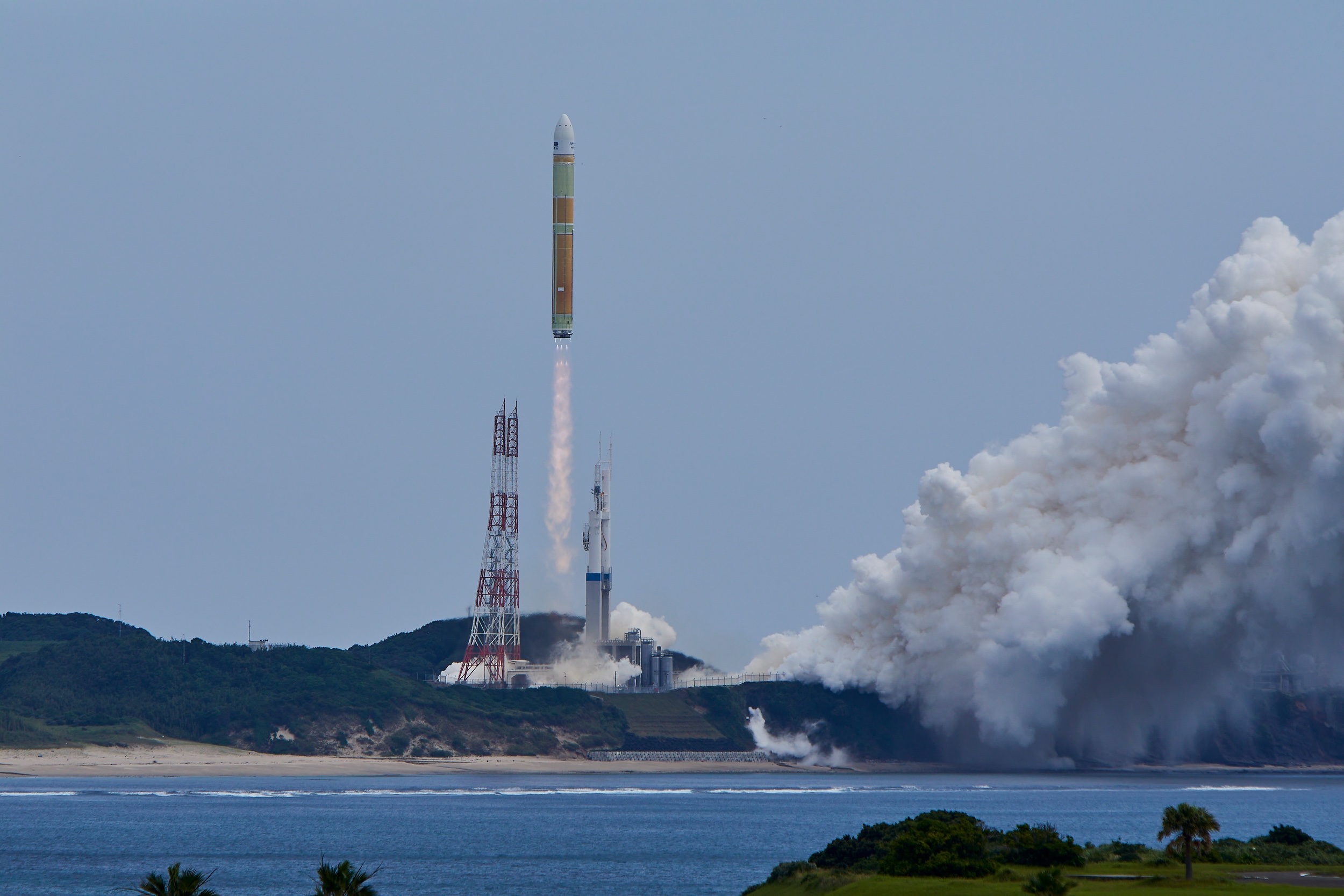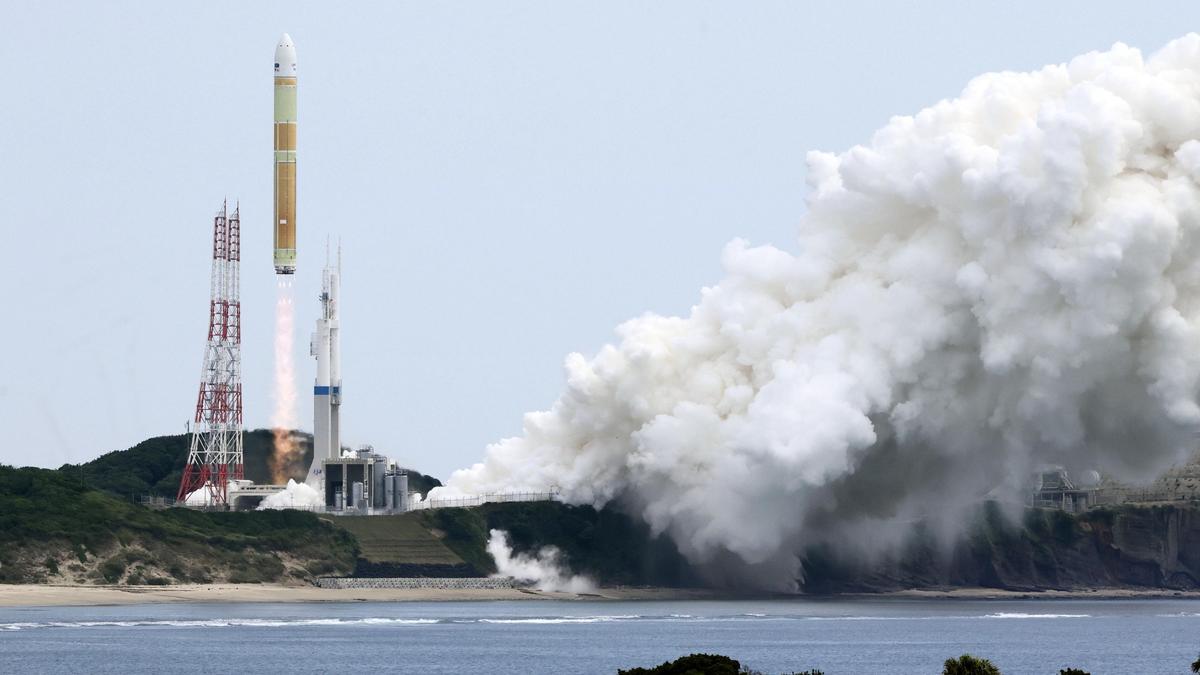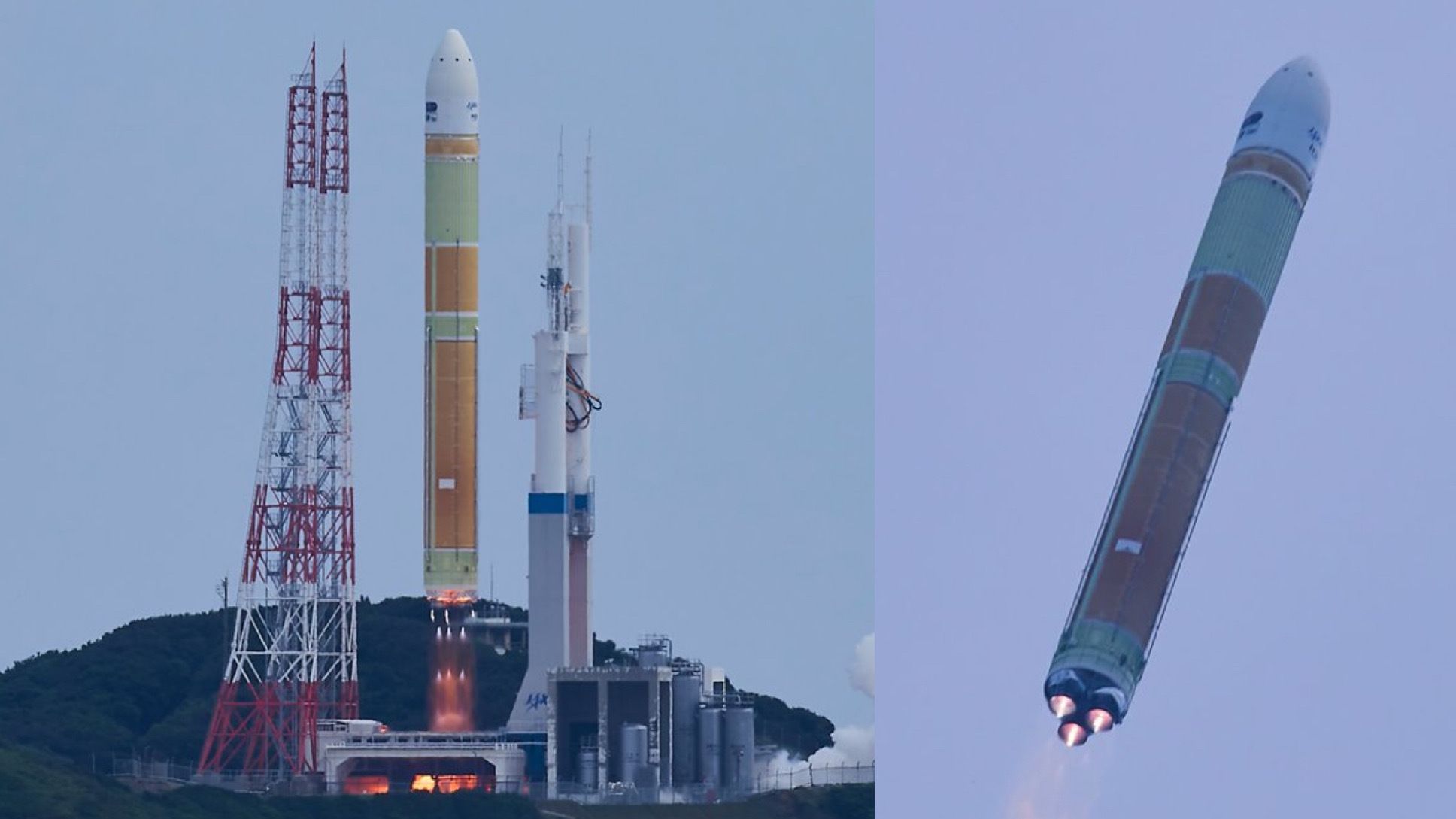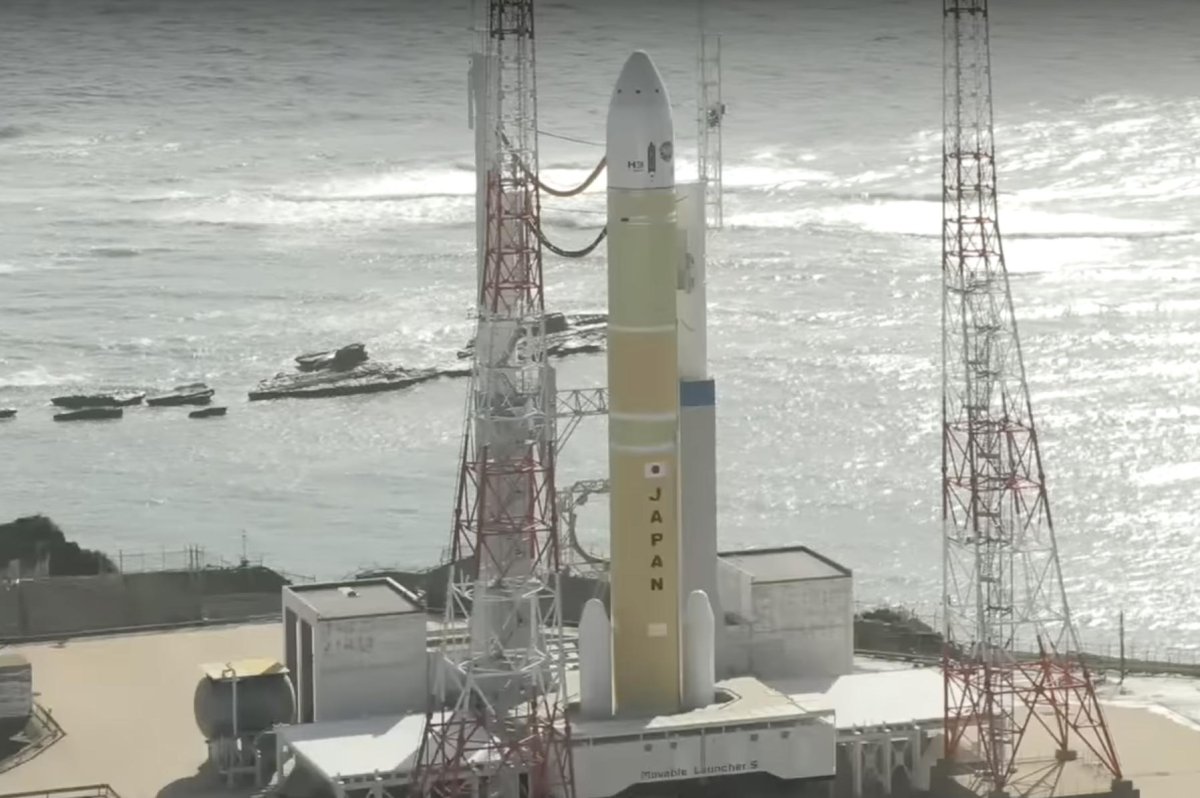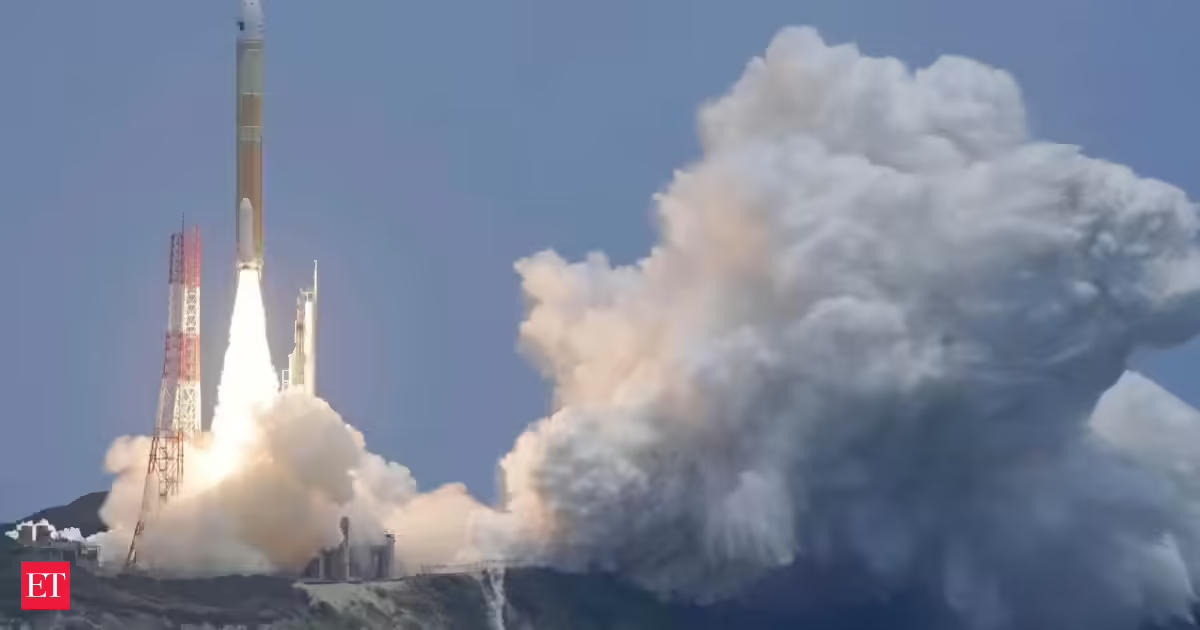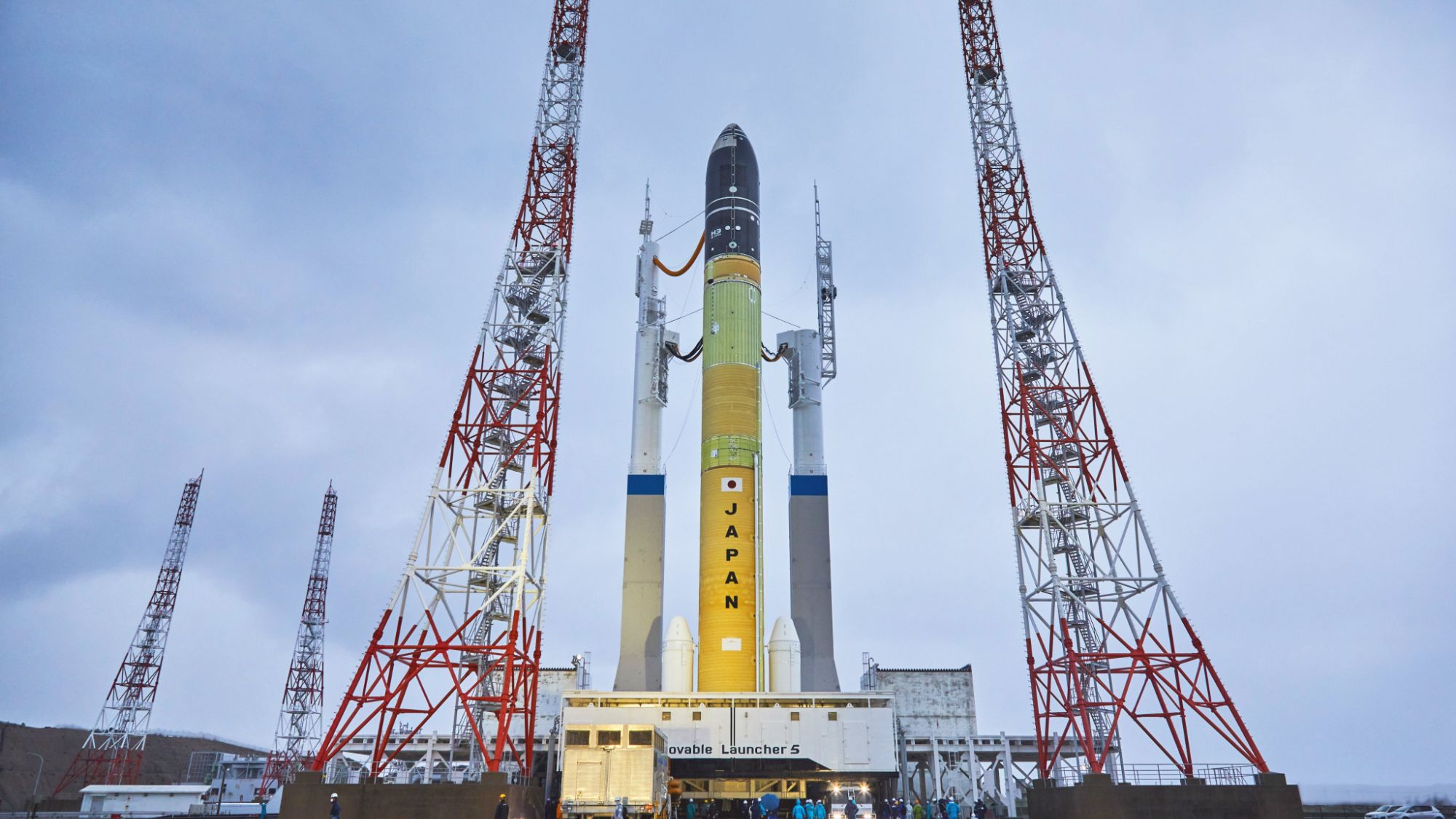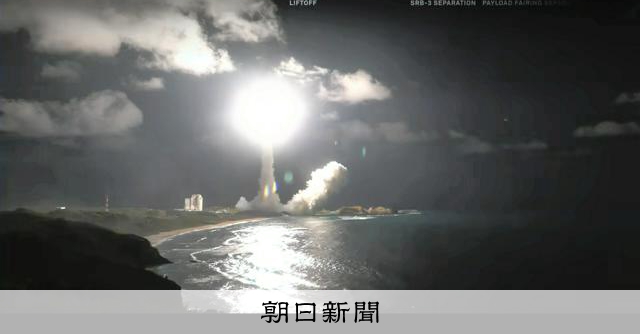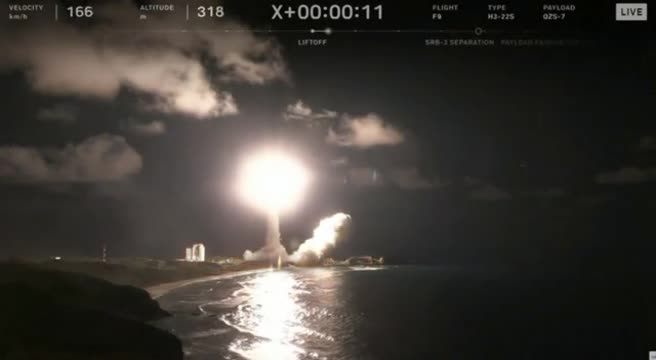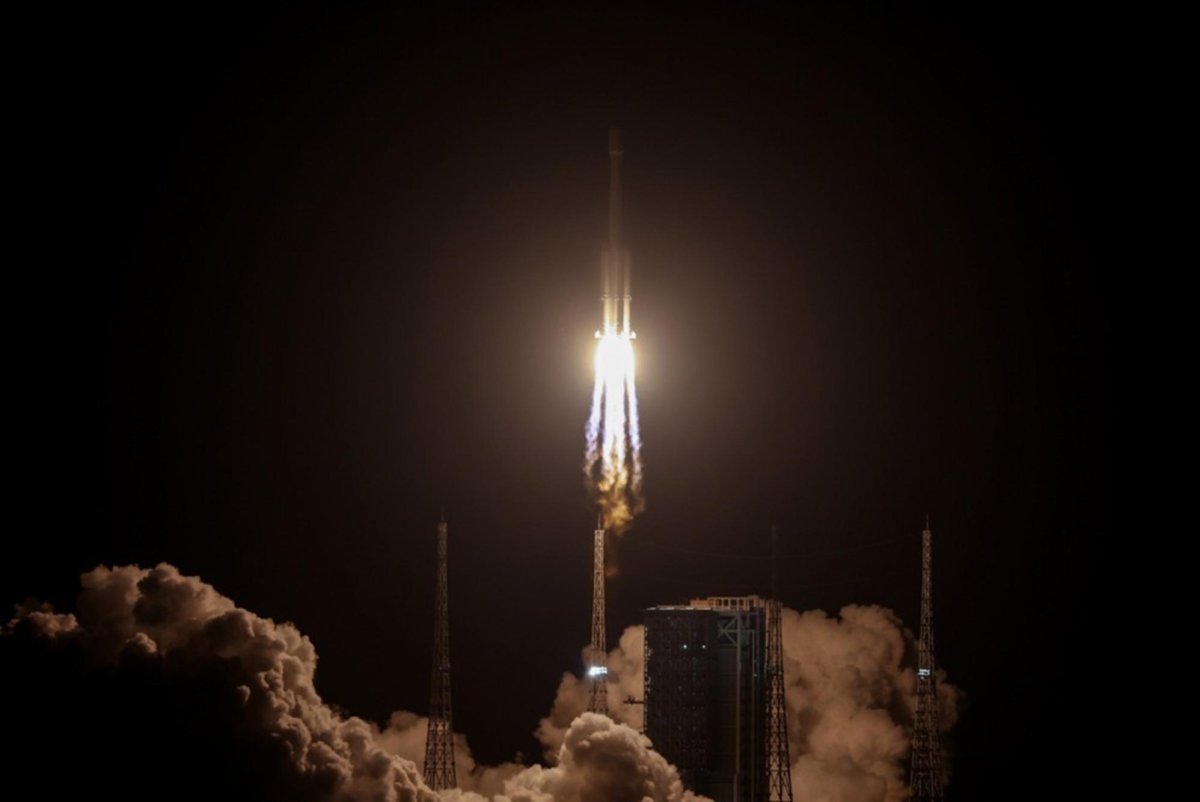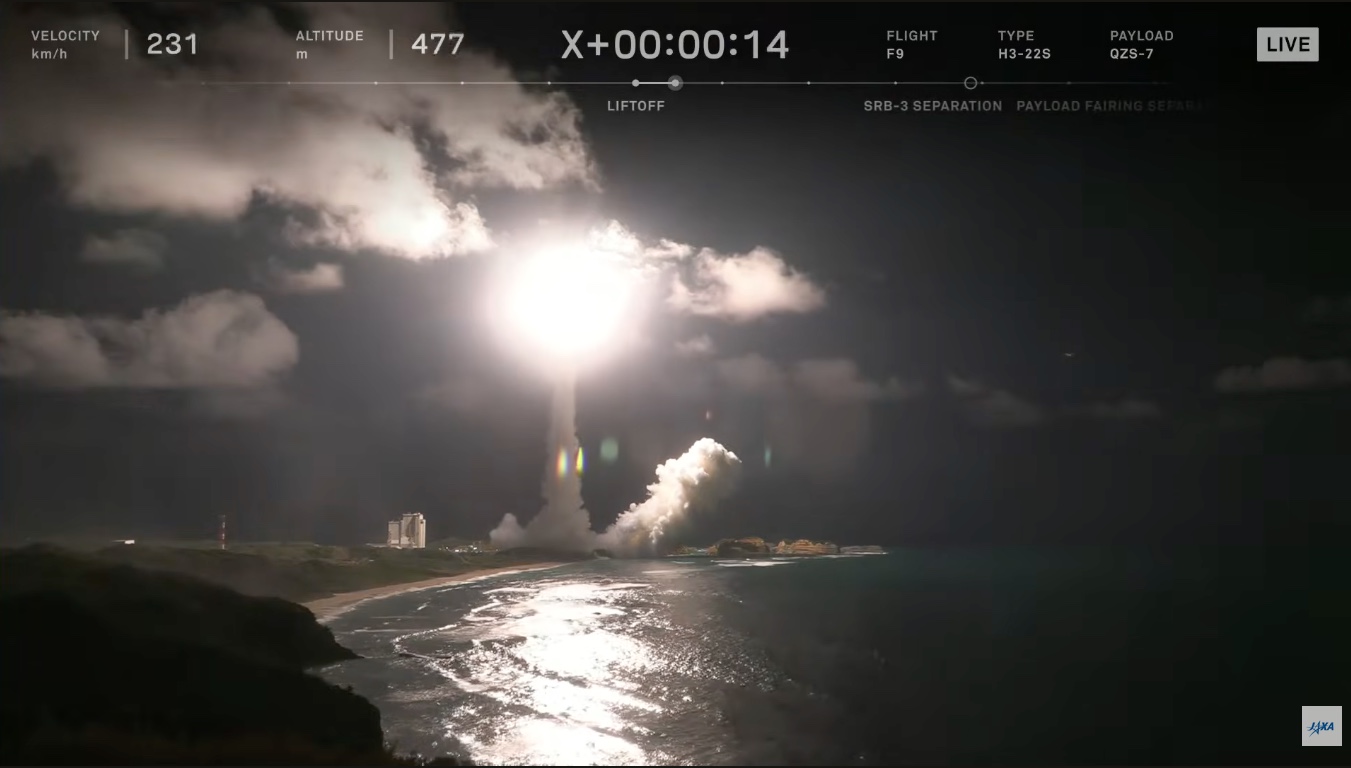
An H3 rocket lifts off Aug. 10 (U.S. time) carrying the Michibiki 7 navigation satellite. Credit: JAXA webcast
WASHINGTON — A Japanese H3 rocket successfully launched a navigation satellite Aug. 10, more than seven months after a similar launch ended in failure.
The H3-22S rocket lifted off from the Tanegashima Space Center at 3:23 p.m. Eastern, after several days of delays caused by a passing typhoon. The rocket’s upper stage successfully deployed the Michibiki 7 satellite into its planned transfer orbit 29 minutes later.
Michibiki 7 is part of Japan’s Quasi-Zenith Satellite System, or QZSS, a regional navigation system designed to augment global services like the Global Positioning System. The 4.9-metric-ton satellite will operate in a slightly inclined geosynchronous orbit.
This launch was intended to complete the expansion of QZSS from four to seven satellites, using a mix of geostationary and inclined geosynchronous orbits. That seven-satellite system would ensure that at least four satellites are visible over Japan at any time, allowing them to be used exclusively for positioning without also using signals from other navigation satellite systems.