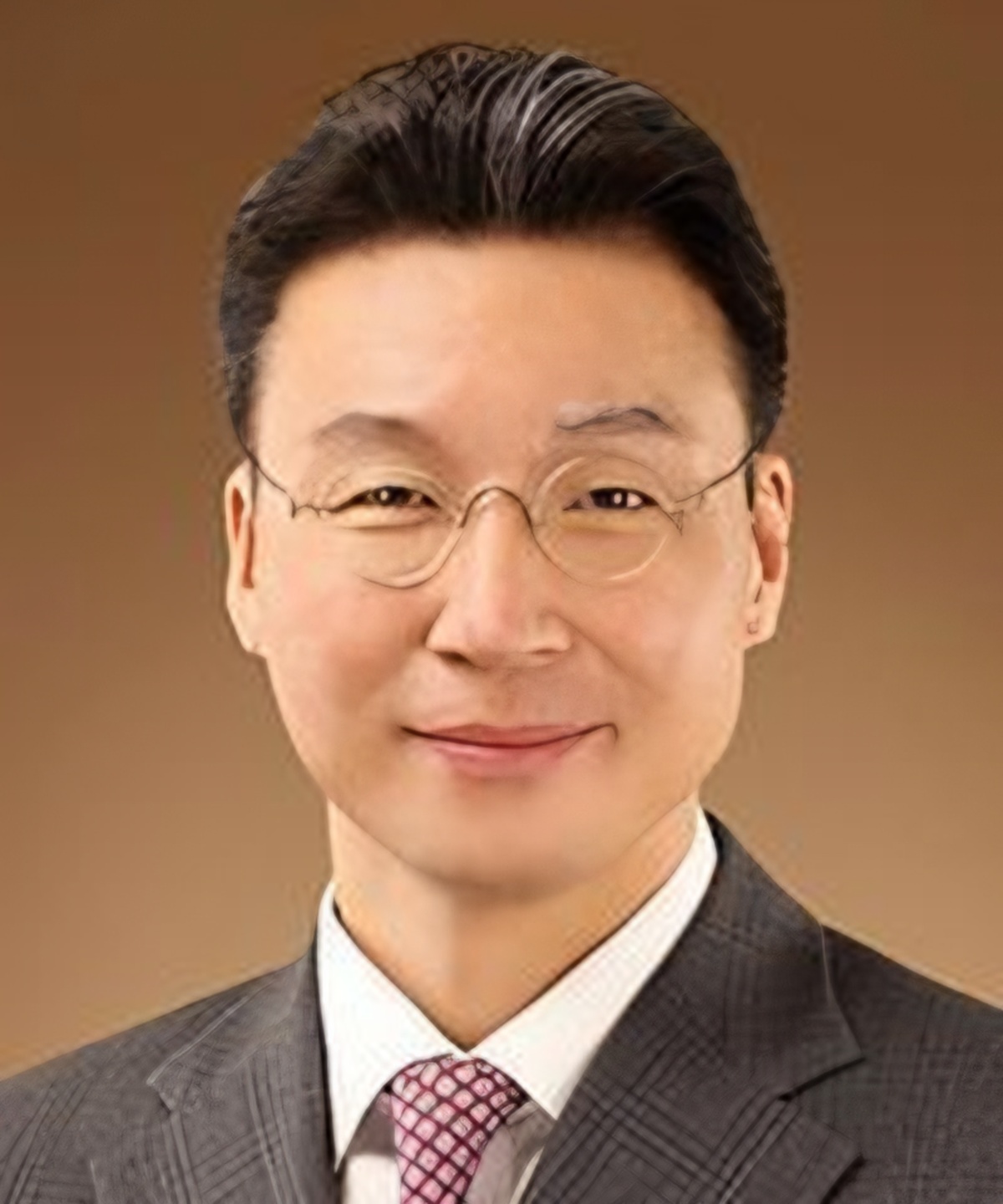
Kim Sung-woo
As artificial intelligence (AI) – the defining trend of our era – demands unprecedented volumes of electric power, major energy markets worldwide face the daunting task of resolving complex infrastructure hurdles within a tight timeframe. These critical tasks include optimizing the power generation mix, making substantial investments in transmission networks, modernizing aging electrical equipment, enhancing overall system stability and navigating the energy transition. Historically, structural shifts in power markets unfolded over extended horizons based on long-term planning. However, because the paramount requirement of the AI revolution is rapid, short-term energy supplies, this mandate has become far more burdensome for energy authorities and market participants. Korea is no exception.
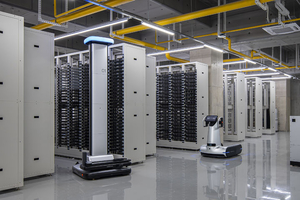
On June 29, the government officially announced its strategic "Three Major Megaprojects" initiative, which prominently positions semiconductor manufacturing clusters and AI data centers at its core. According to published plans, operating the four proposed semiconductor plants in Gwangju – for which completion dates have not been finalized – will require an additional 6.3 gigawatts (GW) of generation capacity. Furthermore, powering AI data centers slated for construction in the region outside the Seoul Metropolitan Area (SMA) will demand an additional 18.4 GW of capacity by 2035. When combined with the 15 GW required to run the 10 semiconductor facilities currently under development in the Yongin cluster, total new power demand driven exclusively by the semiconductor and AI sectors approaches nearly 40 GW. This requirement represents approximately one-quarter of Korea’s total currently installed power capacity. Consequently, an uninterrupted, secure and resilient power supply serves as the non-negotiable prerequisite for the success of these megaprojects.