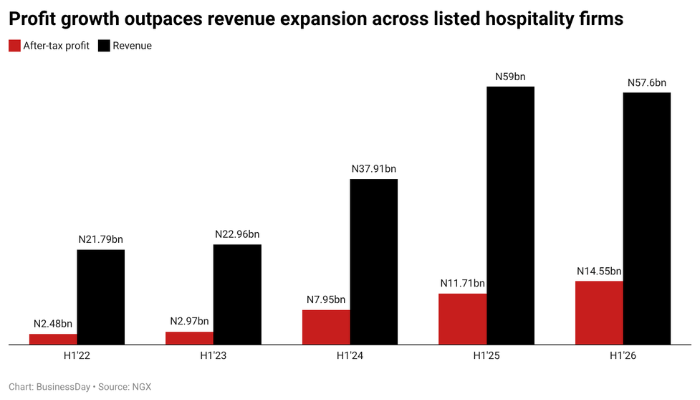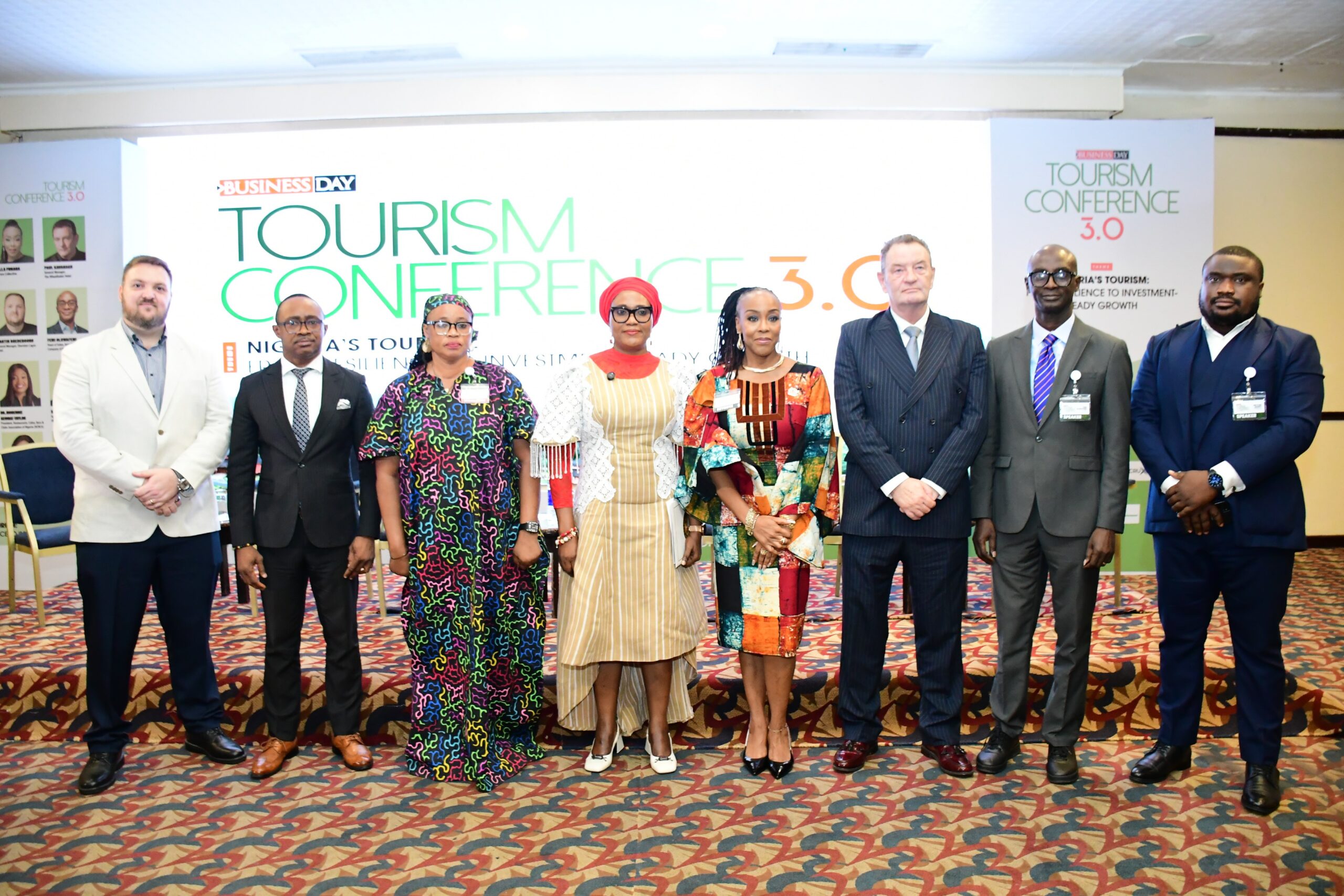
Nigeria’s hospitality industry has long been described as one of the nation’s most resilient economic sectors. Through recessions, exchange rate volatility, inflationary pressures, insecurity and even global disruptions such as the Covid-19 pandemic, hotels, restaurants and tourism operators have continued to adapt and survive. The verdict from the 2026 BusinessDay Tourism Conference that the hospitality sector is now investment-ready therefore comes as both a recognition of years of resilience and a call for deliberate action.
Over the past 15 years, Lagos alone has witnessed expansion in hospitality infrastructure. The number of registered hotels has increased significantly, room capacity has almost doubled, and internationally branded hotels have multiplied, while government revenue from hospitality-related consumption taxes has reportedly risen from about N7 billion in 2010 to N70 billion in 2025. Such figures demonstrate that hospitality is no longer merely a support service for tourism but has become a viable investment destination capable of generating employment, taxes and foreign exchange.
“Lagos provides a useful example, as investments in transportation infrastructure such as the Blue and Red Rail Lines have improved urban mobility, making hotels and tourism sites more accessible.”