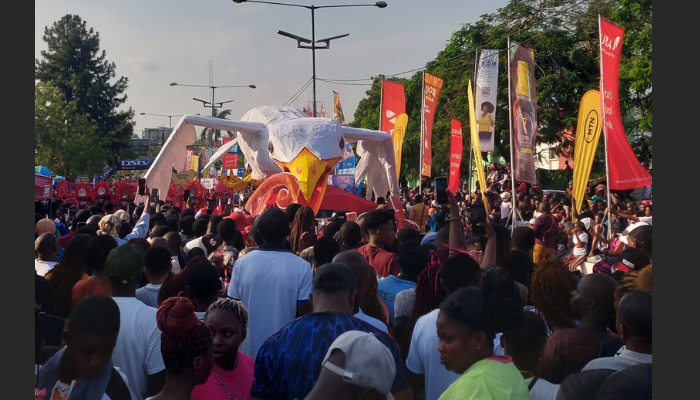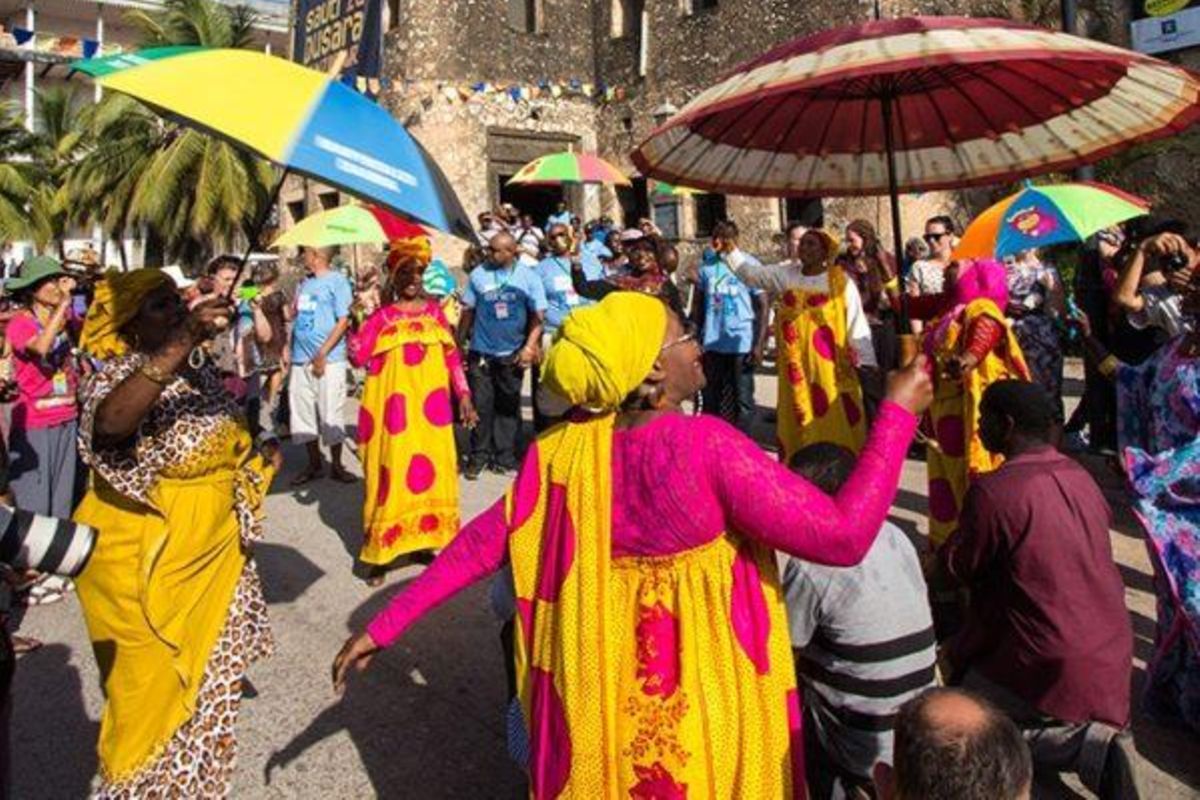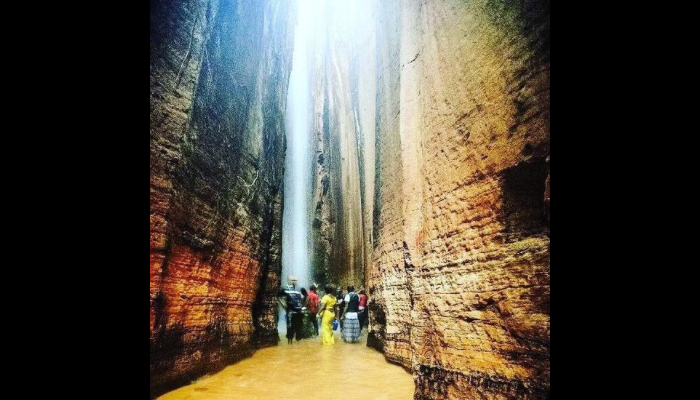
Nigeria does not have a tourism attraction problem. Nigeria possesses some of the most diverse tourism assets in Africa- cultural festivals, beaches, mountains, waterfalls, cuisine, entertainment ecosystems, religious tourism, conference tourism, and one of the continent’s largest domestic travel markets. Yet despite these enormous advantages, tourism remains one of the most underperforming sectors of the Nigerian economy.
A major part of the answer lies within one of the weakest institutions in Nigeria’s tourism ecosystem – State Tourism Boards. Across Nigeria’s 36 states and the FCT, tourism boards, tourism agencies, tourism corporations, and tourism ministries exist in different forms. On paper, Nigeria appears to possess a nationwide tourism governance structure. In reality, many of these institutions are either inactive, underfunded, politically manipulated, poorly staffed, or almost completely invisible. In a few instances, the Commissioners and the core ministry staff are at daggers drawn with the tourism boards.
The unfortunate truth is that many tourism boards in Nigeria exist merely as government offices rather than functioning destination management institutions. Tourism boards are supposed to drive destination development, tourism investment, destination branding, tourism intelligence, tourism marketing, standards enforcement, stakeholder engagement, tourism research, and long-term planning. Instead, many have become ceremonial structures with little measurable impact on tourism growth.