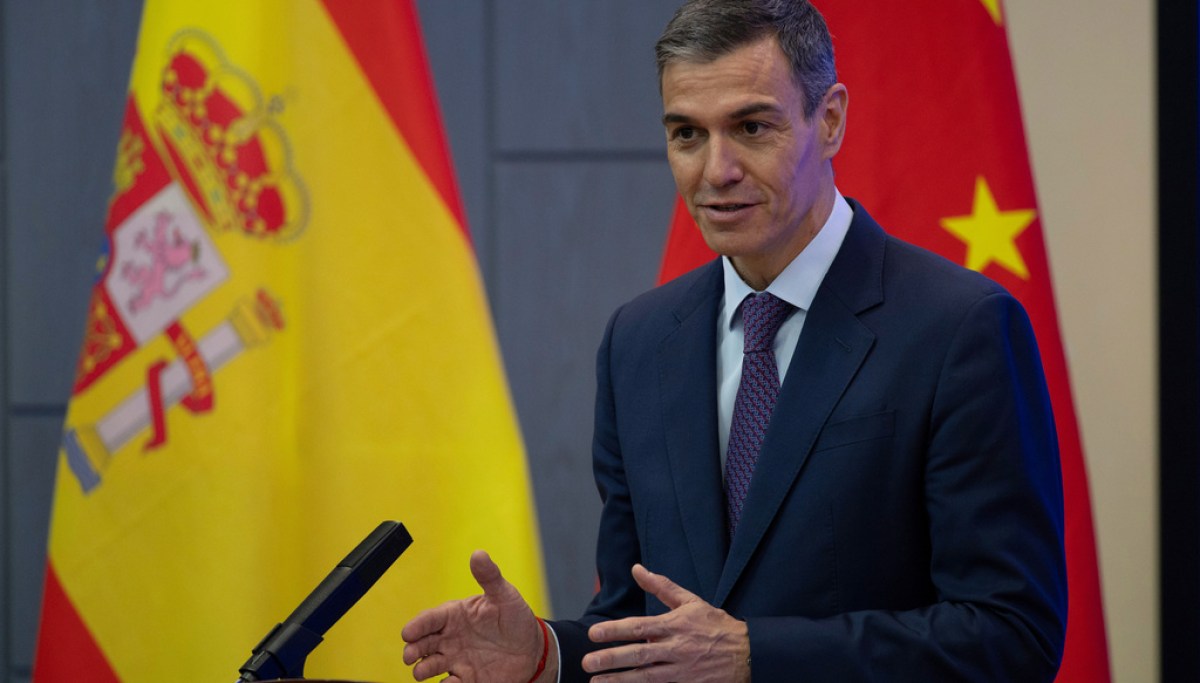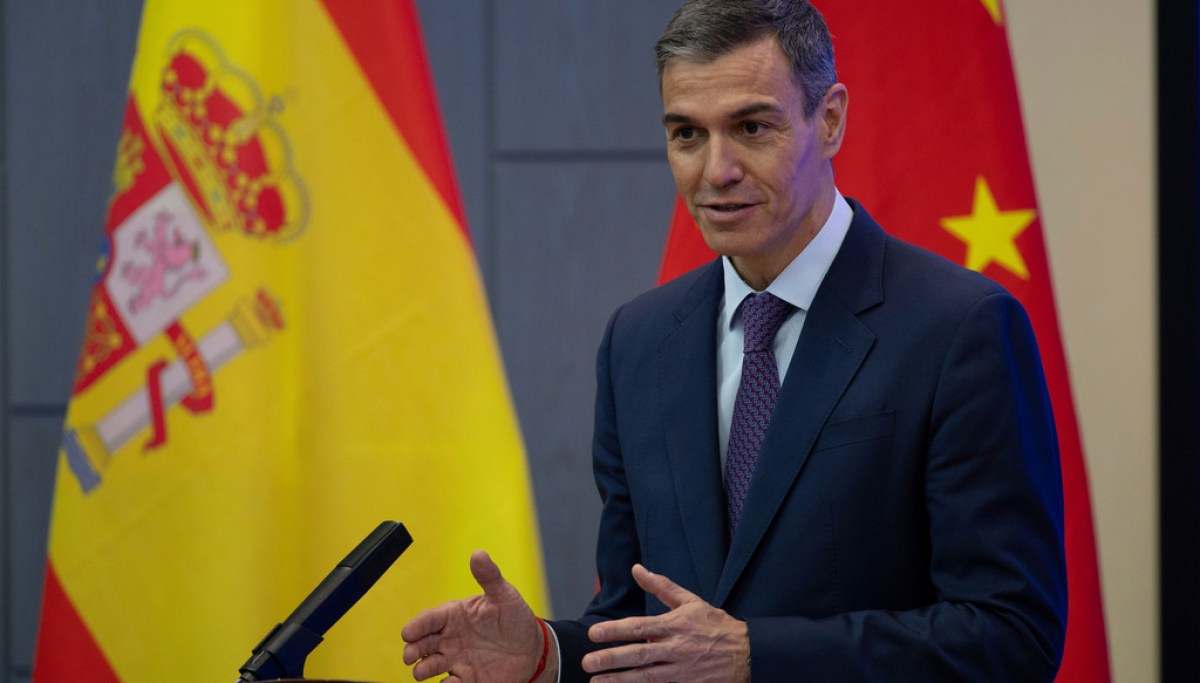
Spanish Prime Minister Pedro Sánchez has built a brand as one of Europe’s most vocal critics of the United States and Israel, recognizing Palestinian statehood over Gaza and denying the U.S. military the use of its Rota and Morón bases during the war against Iran. And while he seems perfectly comfortable playing hardball with governments worlds apart from his own ideology, when it comes to Spain’s fraught relations with Morocco, Sánchez has folded far more than his reputation suggests.
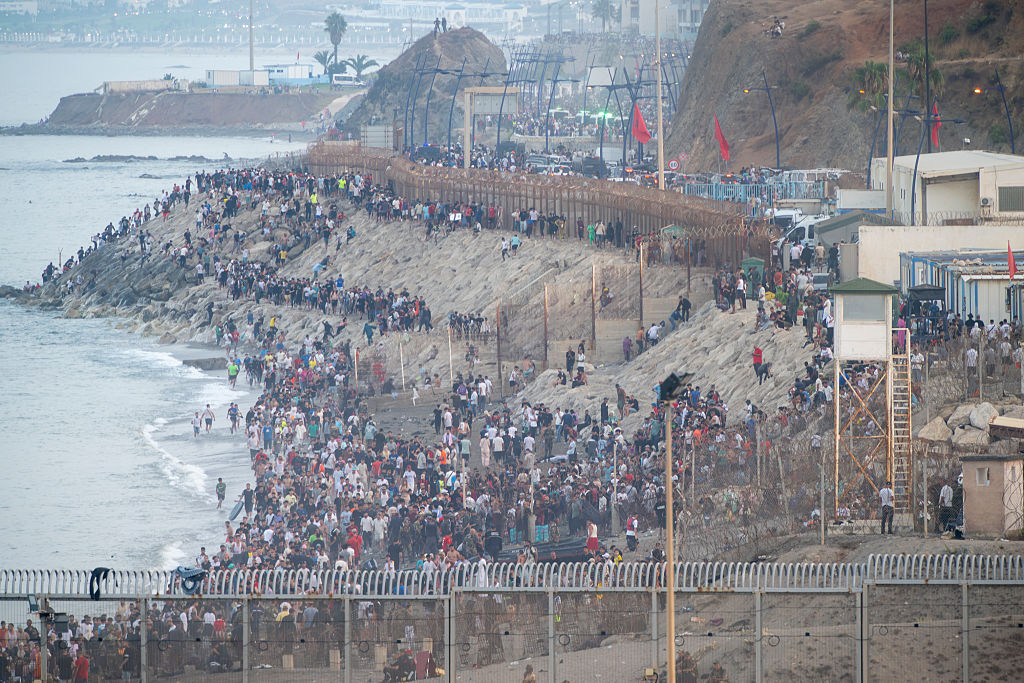
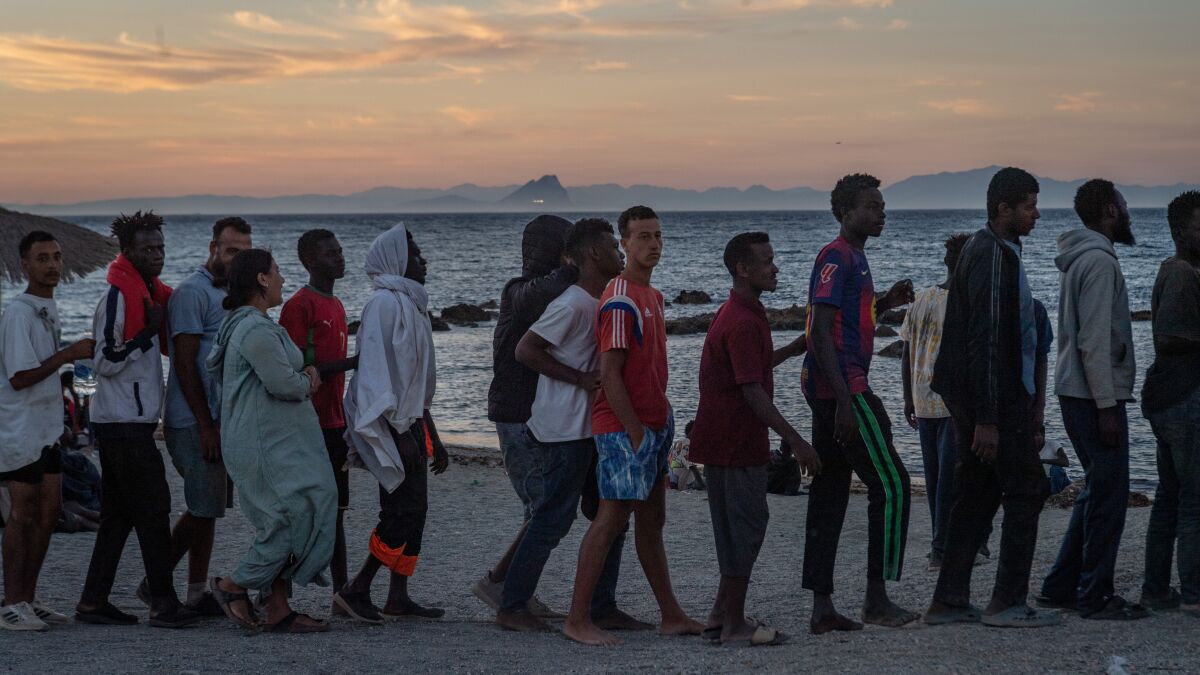
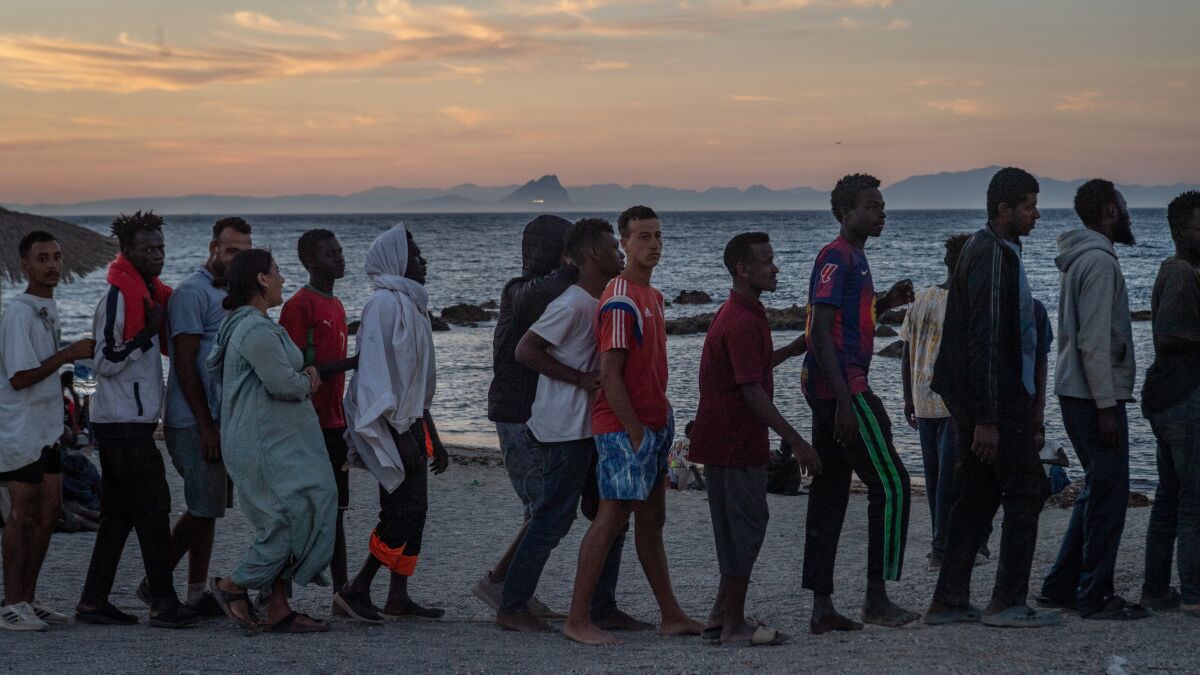
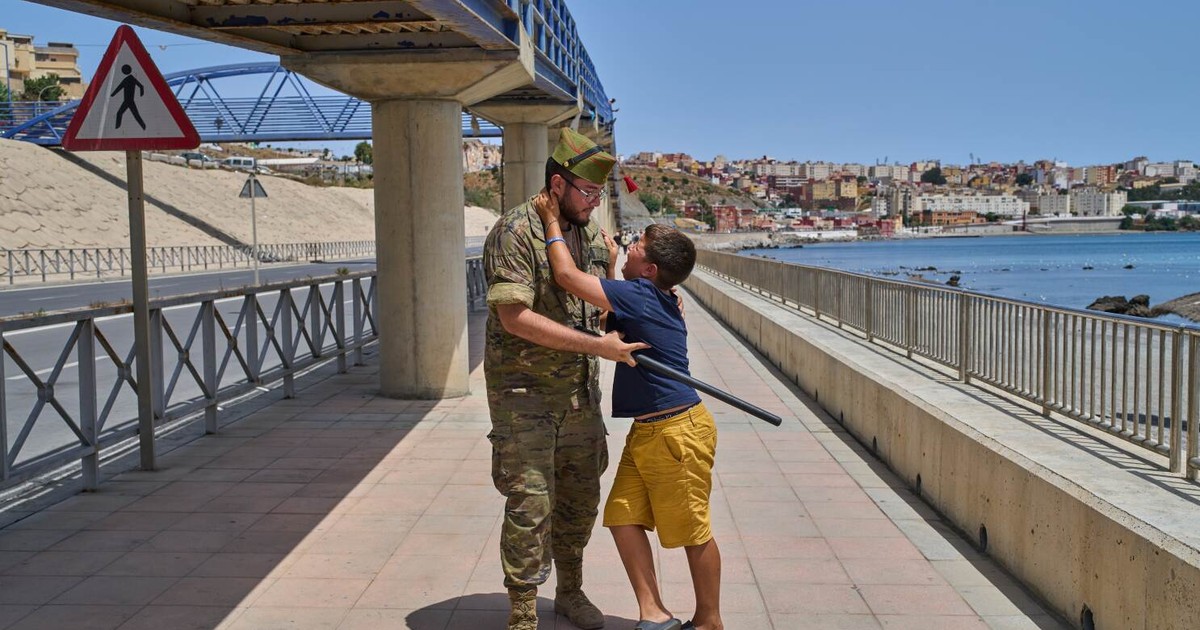
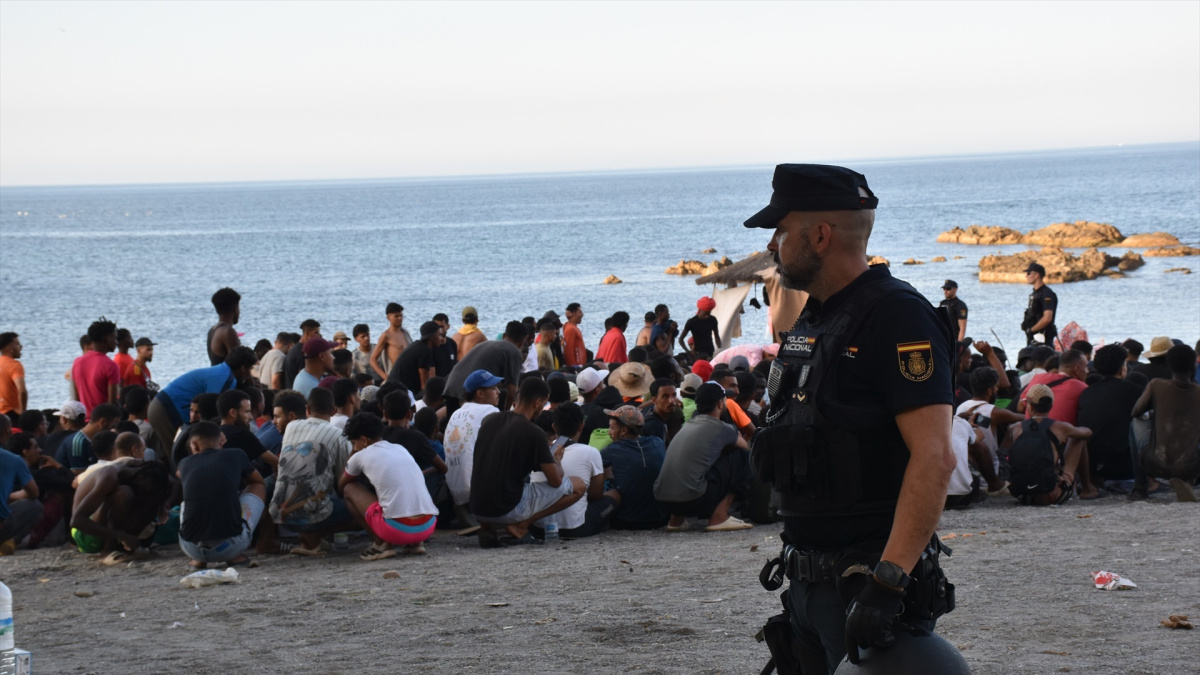
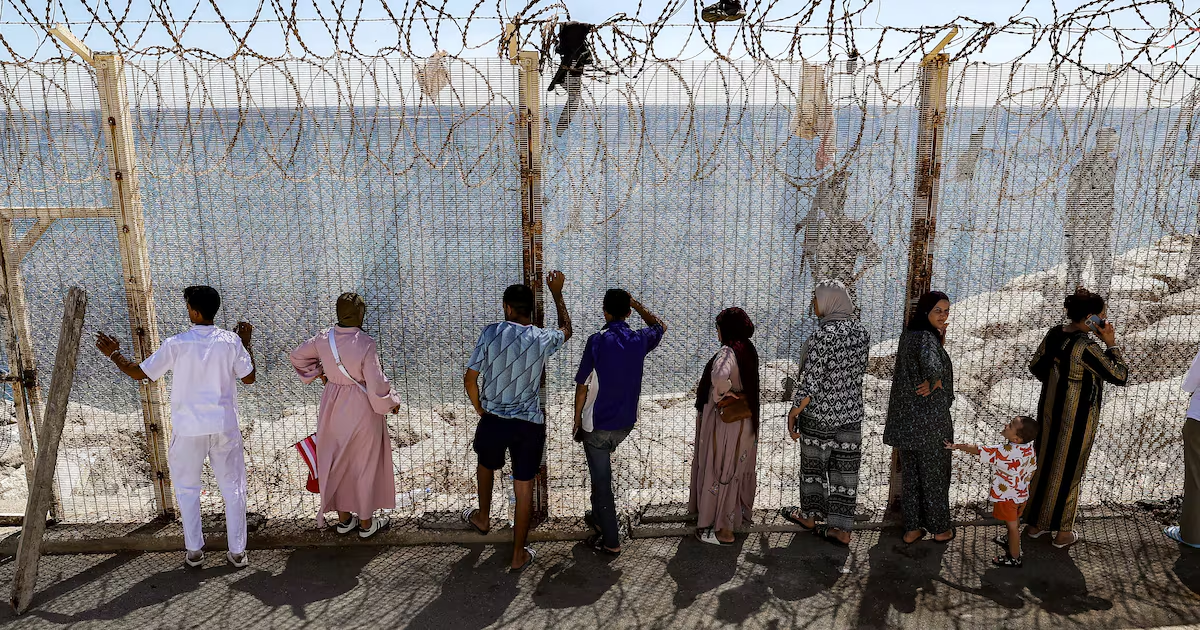
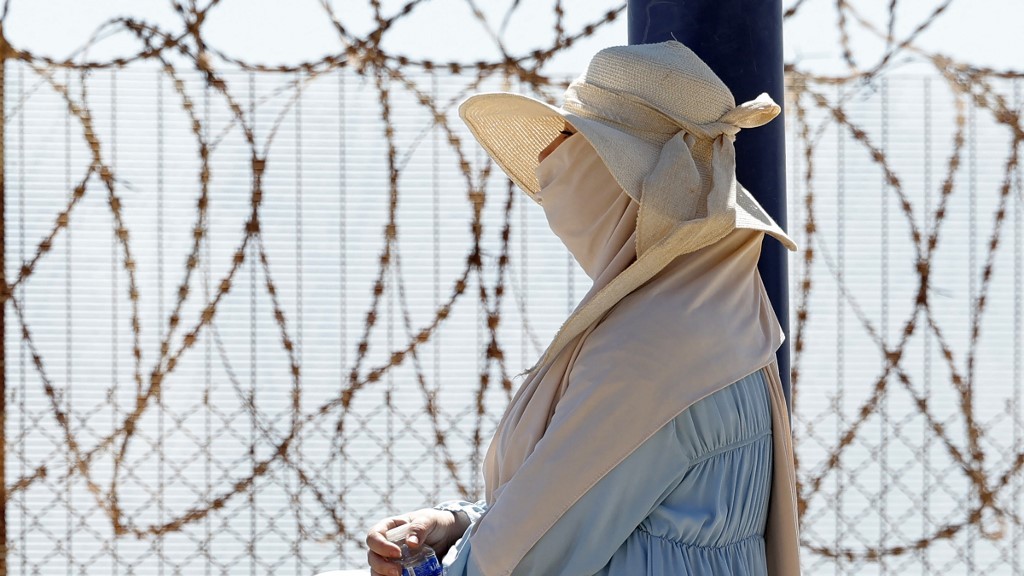
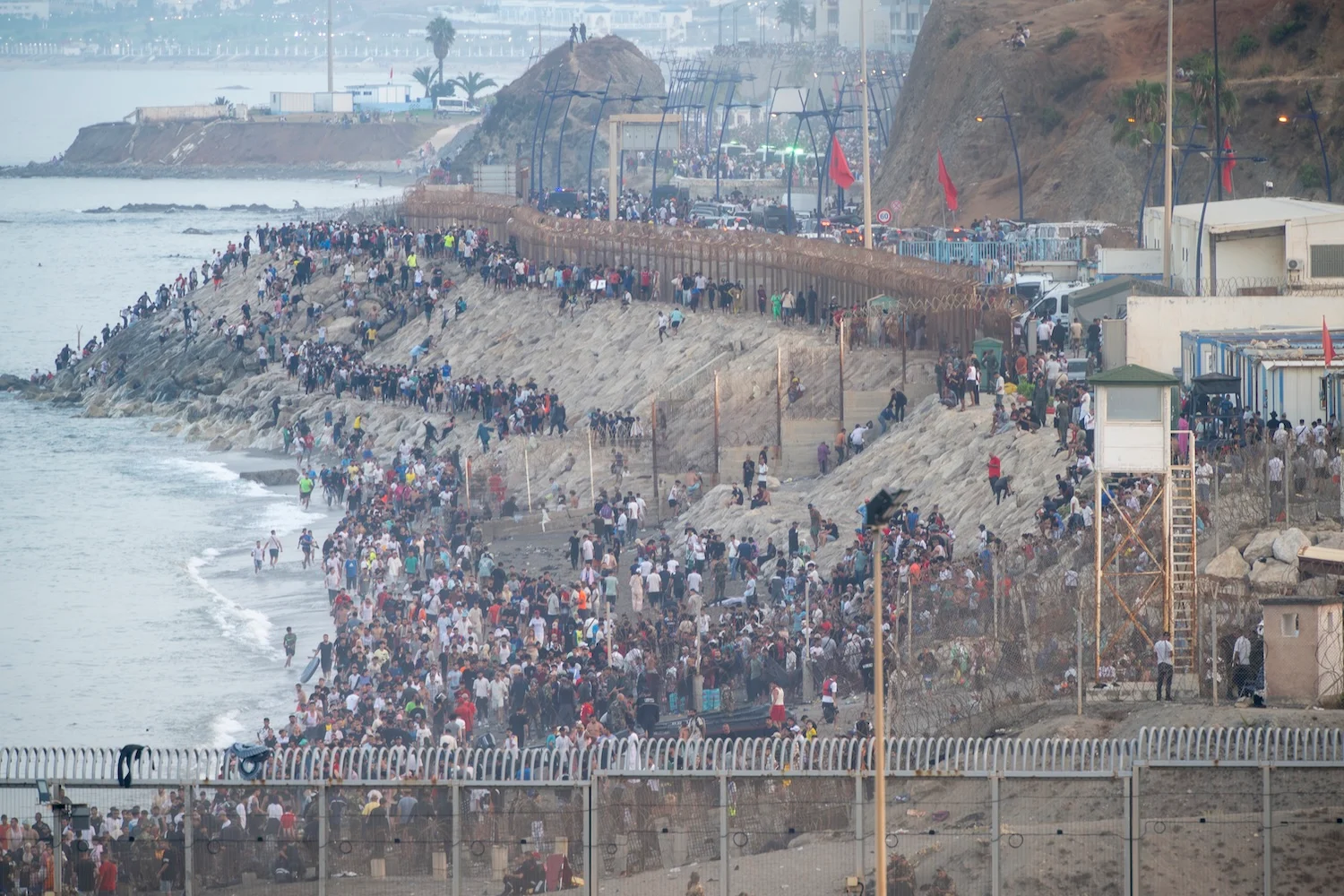
Nowhere was that clearer than in his handling of the recent crisis in Ceuta. On July 30, around 70,000 migrants crossed from Morocco into Ceuta, the small Spanish exclave in North Africa, a city of little more than 80,000 inhabitants. The sudden increase in arrivals caught security forces off guard, and local shelters and social services were soon overwhelmed. Lacking food, shelter, or a clear legal path in Spain, most of the migrants headed back to Morocco within a day, their disappointment standing in stark contrast with the joy and chants of “Viva España” upon their arrival. At least 88 migrants have died, and more bodies might be recovered from the water.
Spanish Prime Minister Pedro Sánchez has built a brand as one of Europe’s most vocal critics of the United States and Israel, recognizing Palestinian statehood over Gaza and denying the U.S. military the use of its Rota and Morón bases during the war against Iran. And while he seems perfectly comfortable playing hardball with governments worlds apart from his own ideology, when it comes to Spain’s fraught relations with Morocco, Sánchez has folded far more than his reputation suggests.