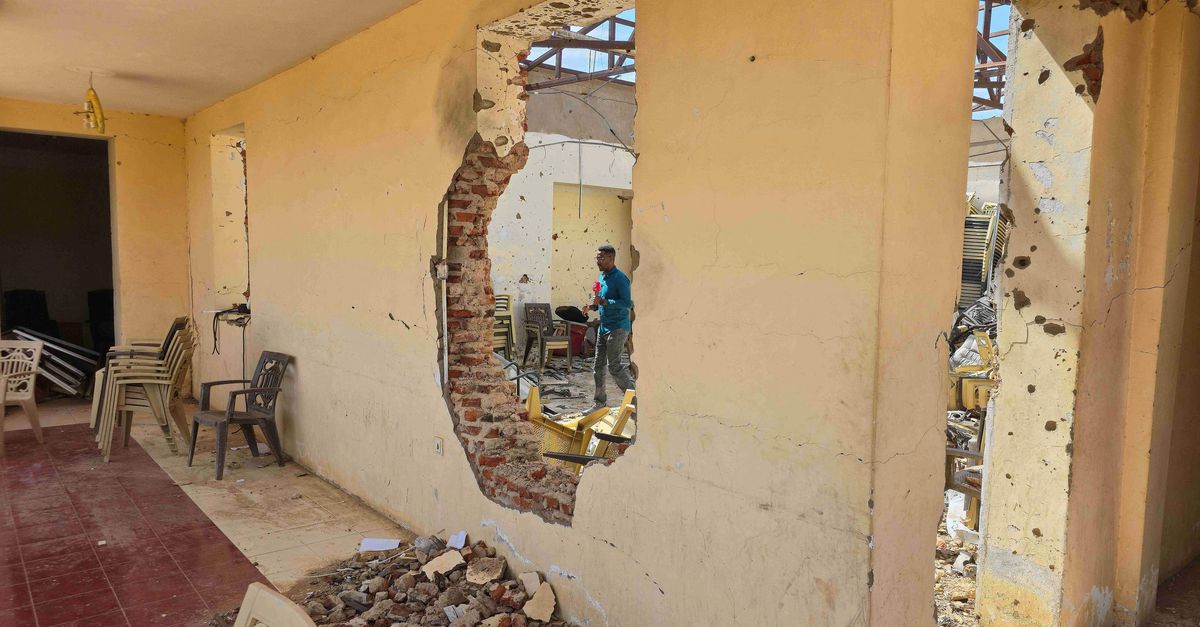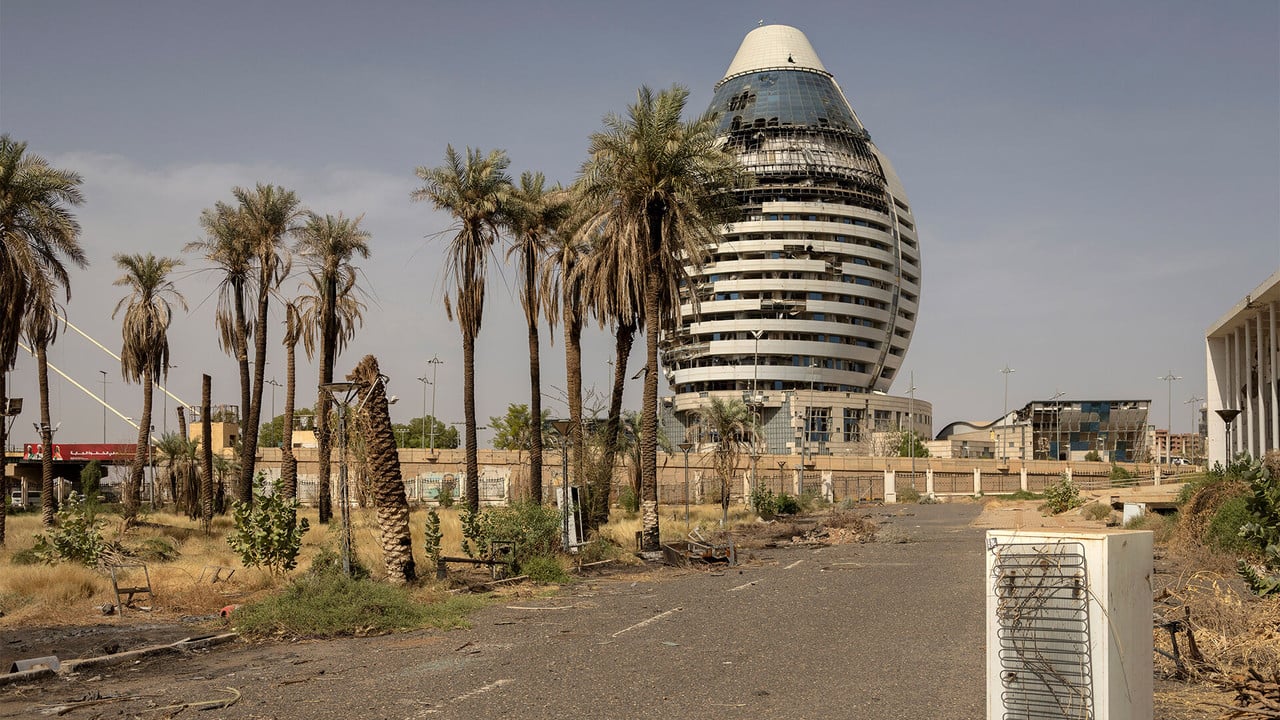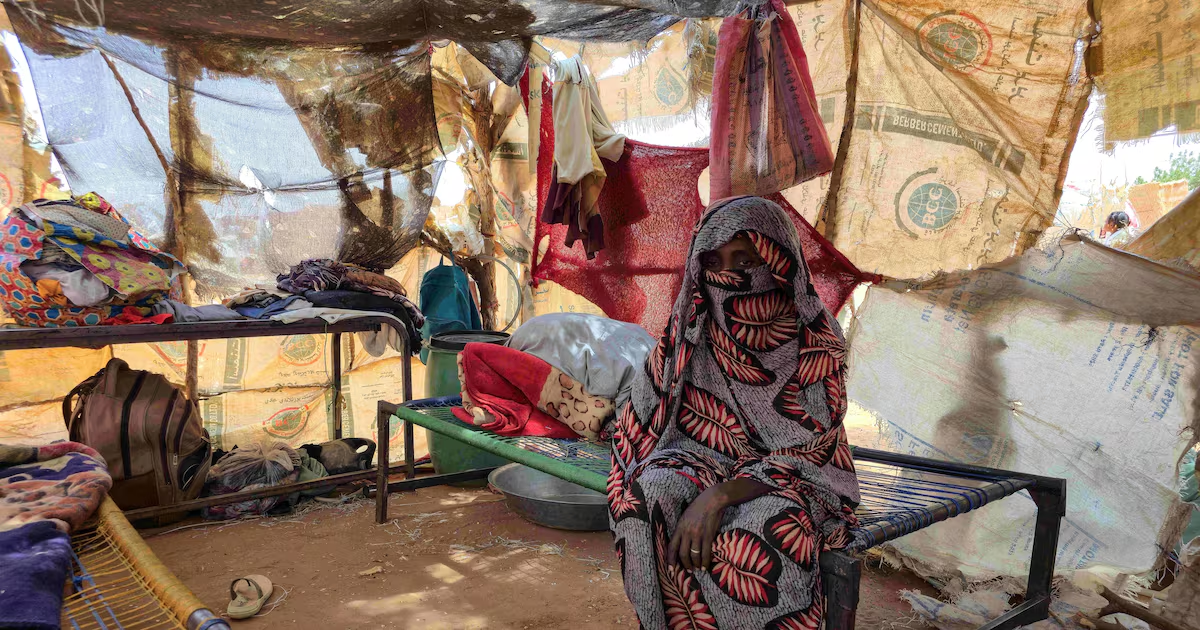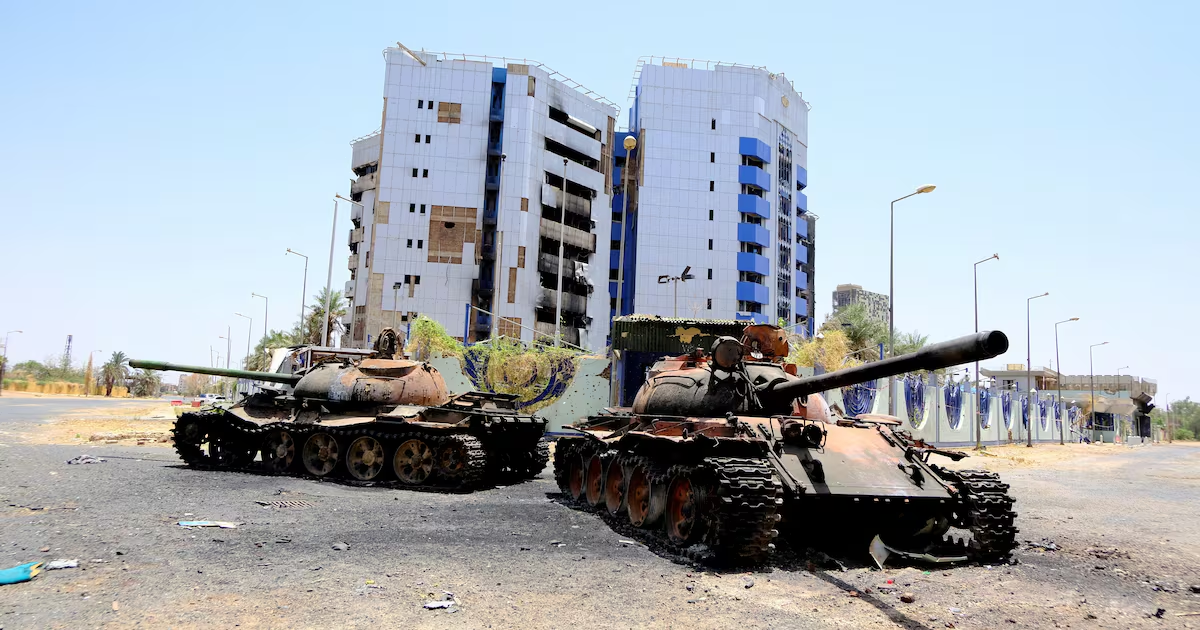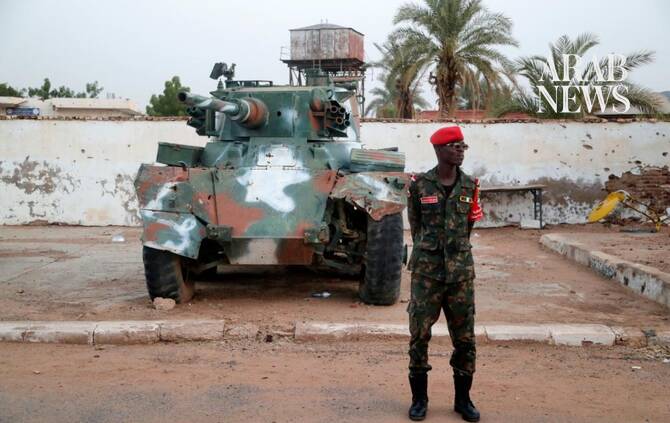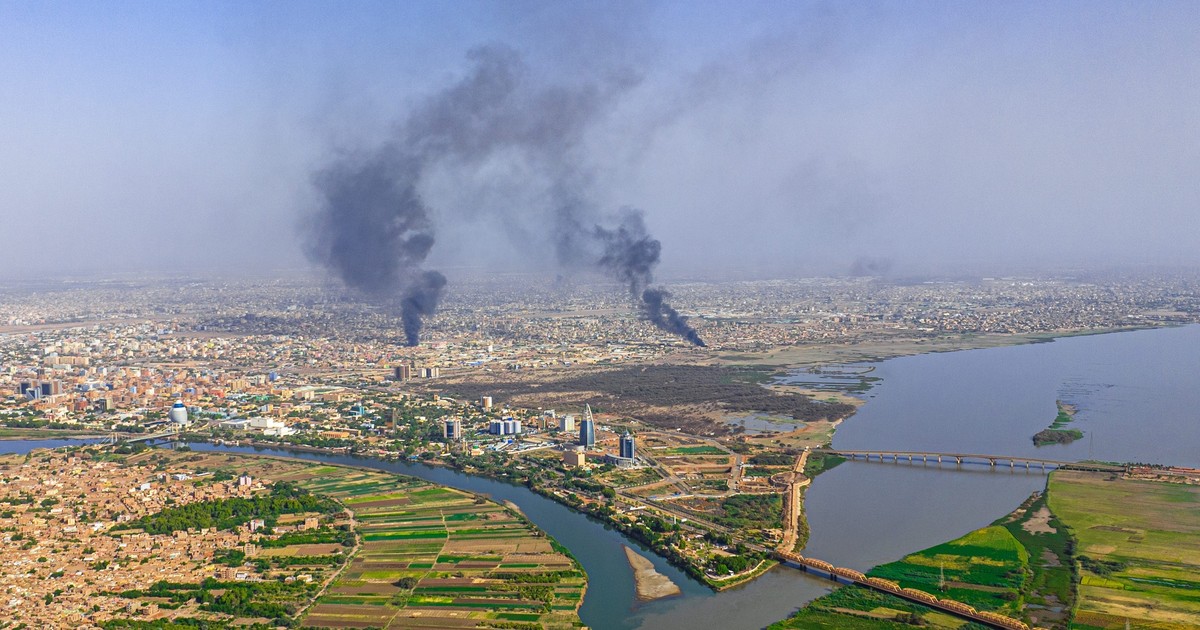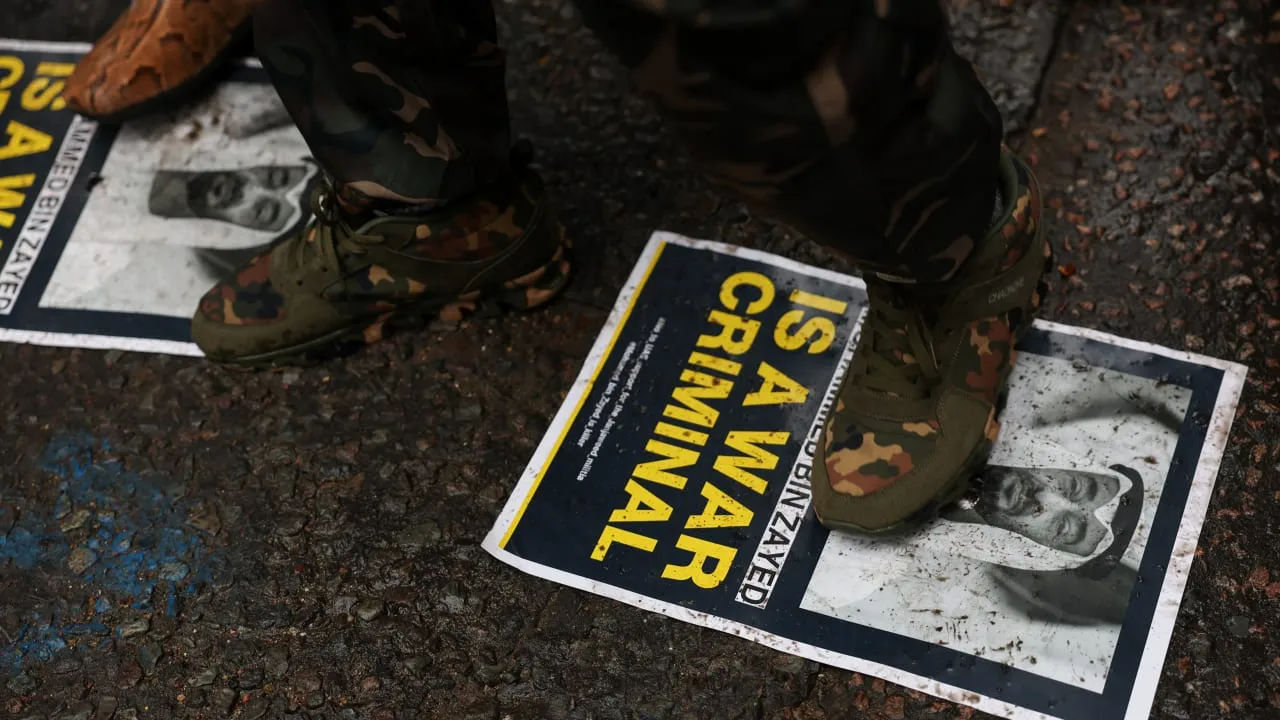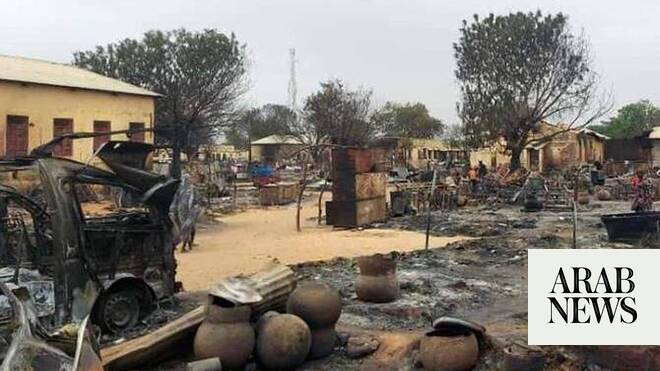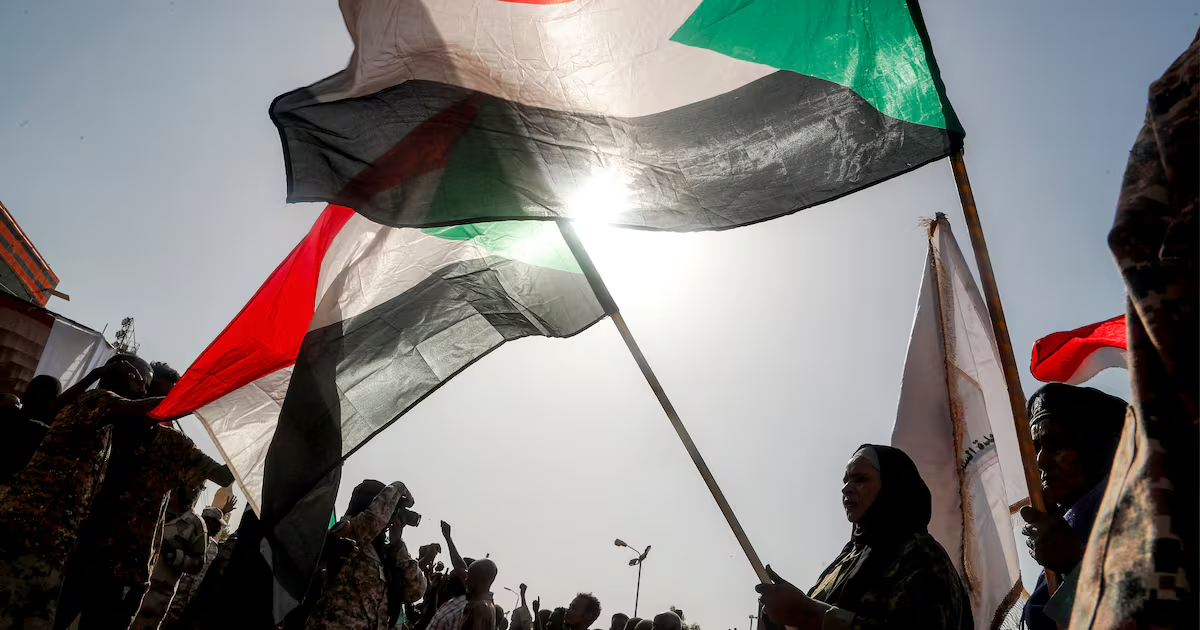
The purported presence of chemical weapons in Sudan’s civil war should alarm even those far beyond the country’s borders. AFPShow caption: The purported presence of chemical weapons in Sudan’s civil …Insight and opinion from The National’s editorial leadershipAugust 11, 2026Since April 2023, a bitter power struggle between two men – Sudanese army chief Gen Abdel Fattah Al Burhan, and paramilitary Rapid Support Forces commander Gen Mohamed Dagalo – has torn their country apart. Amid widespread death, destruction and displacement, grim new allegations have surfaced.Last month, the US imposed new sanctions on Sudan's military-aligned government after reports emerged claiming state forces used chemical weapons – specifically, chlorine gas – on their RSF enemies during a 2024 battle in Bahri, one of three Nile-side cities that make up Khartoum’s greater region. The US State Department said the sanctions would restrict Sudan's access to American financing and exports as well as banning state-owned Sudanese airlines from using American airspace.Play01:35UN envoy calls for transition to civilian rule in SudanAn international alliance of activists has called for an independent investigation into the claims. The Sudan Coalition, which was formed last week at a meeting in Nairobi of African human rights groups, has also urged the Sudanese authorities to work with the Organisation for the Prohibition of Chemical Weapons and allow technical teams access to verify the allegations.The purported presence of chemical weapons in Sudan’s civil war should alarm even those far beyond the country’s borders. It would mark another appalling chapter in a brutal conflict and signal the erosion of a hard-won international taboo. The Chemical Weapons Convention – which Sudan ratified in 1999 – was intended to eliminate an entire category of arms. It was hoped that its near-universal adoption would prevent such weapons from ever returning to the battlefield.Yet the Sudan case, and such weapons being repeatedly used in Syria’s civil war, begs the question: has this prohibition become more rhetorical than real? In theory, the global norm against chemical weapons remains strong but, in practice, enforcement has been inconsistent. If using chemical weapons no longer guarantees a unified or decisive international response, there is the risk of gradual normalisation. In Sudan, if the use of such prohibited weapons are confirmed, it would suggest that the boundaries of acceptable conduct have shifted during a protracted conflict.QuoteRegional rights groups and civil society organisations are working to build a different narrativeThis is why the emergence of more African voices calling for peace in Sudan and a return to civilian-led government are so important. As the war grinds on amid diplomatic inertia, Sudan is being reduced to a story of atrocity. Regional rights groups and civil society organisations are working to build a different narrative and articulate a new path forward, but their efforts receive less attention than they should.Without a course change, the outlook is bleak. The longer the conflict endures, the greater the risk that all kinds of crimes, including the use of banned weapons, become the norm rather than exception. But a durable peace in Sudan will not be imposed from outside; it must be built by the Sudanese people who best understand the country’s complexities.Updated: August 11, 2026, 3:00 AM
Without a course change on Sudan, the outlook is bleak | The National
Chemical weapons allegations highlight the increasing dangers of this drawn-out conflict
528 words~2 min read