Story audio is generated using AI
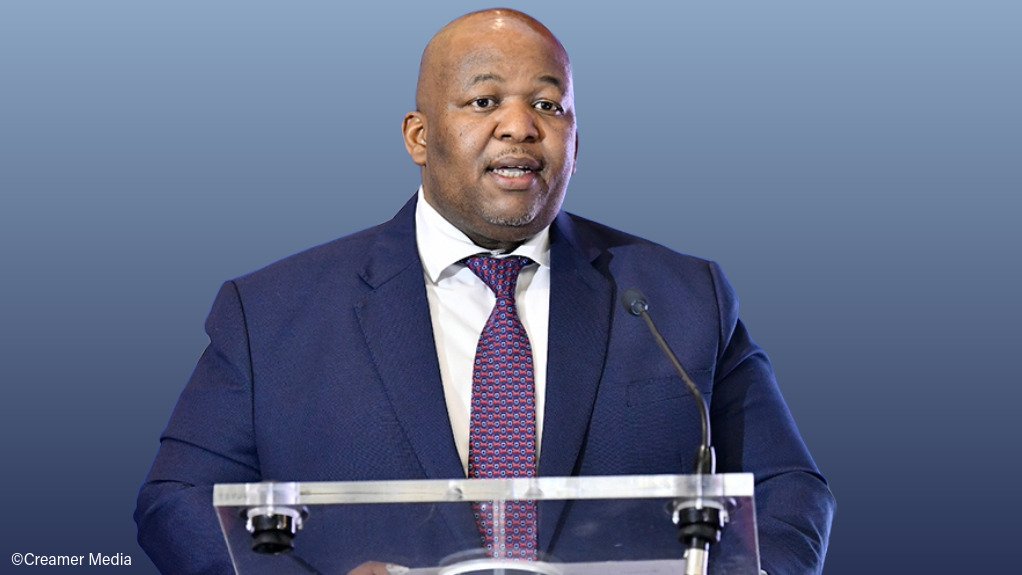
South Africa is seeking to replace the existing Gas Act with a new legal framework for the industry, but the proposed Gas Bill will not by itself resolve the broader challenges facing the development of the country’s gas market, according to an industry participant.The bill, once promulgated, would replace the Gas Act, which has governed the industry since 2001, with a new framework covering areas including liquefied natural gas (LNG), gas infrastructure, investment, licensing and enforcement.The portfolio committee on electricity and energy called for written submissions on the bill on July 15, with public hearings scheduled for August 11 and 12. Industrial Gas Users Association of Southern Africa (Igua-SA) CEO Jaco Human said the bill was a necessary modernisation of legislation designed for a very different gas market. However, he said the bigger challenge lay in co-ordinating gas supply, infrastructure, financing and demand.The existing act was largely designed around pipeline gas supplied from Mozambique. The market has since evolved, with plans for LNG imports and regasification infrastructure, as well as developments in gas trading, mobile gas distribution, gas-to-power and potential new domestic gas resources.“The Gas Act on its own does not solve a gas problem. It’s an instrument,” Human said.The bill introduces important changes, including recognising LNG imports, regasification, trading infrastructure, infrastructure capacity trading, mobile distribution, integrated energy projects and cross-border gas trade.But Human said the legislation still does not adequately connect the upstream, midstream and downstream parts of the gas value chain.“What is needed is integrated execution, linking gas exploration and production with pipelines and terminals, downstream demand, financing and decisions about where infrastructure should be built,” Human said.“This is important as South Africa faces a decrease in gas supplies from Mozambique while seeking to develop alternative sources of supply and infrastructure.”Human said the bill also has gaps that should be addressed before it becomes law. These include stronger protections against vertically integrated companies favouring their own affiliated businesses. What is needed is integrated execution, linking gas exploration and production with pipelines and terminals, downstream demand, financing and decisions about where infrastructure should be built.— Jaco Human, Industrial Gas Users Association of Southern Africa CEOFor example, a company that produces gas, owns the infrastructure and sells gas to customers could potentially give preference to its own operations, restricting competition or disadvantaging other market participants.Another concern is the need for clearer “use-it-or-lose-it” rules for infrastructure capacity. Use-it-or-lose-it means that companies holding capacity they are not using may have to release it so that other market participants can access it. Human said the bill should provide greater transparency around how available infrastructure capacity is allocated.There are also concerns about information submitted during licensing applications. While commercially sensitive information would need to remain confidential, there should be ways for affected customers or other market participants to scrutinise key information used in licensing decisions.Despite these concerns, Human described the bill as an important step in modernising South Africa’s gas regulatory framework. However, he said updating the law alone would not be enough to unlock the sector’s full potential.“The gas problem in South Africa is no longer only a regulatory problem. It is a co-ordination problem across supply, infrastructure, financing and demand,” he said.The parliamentary public hearings will give stakeholders an opportunity to raise these and other issues as lawmakers consider the bill.Human said that while the bill is an important step, South Africa now needs a more co-ordinated approach if it is to build a functioning gas market.