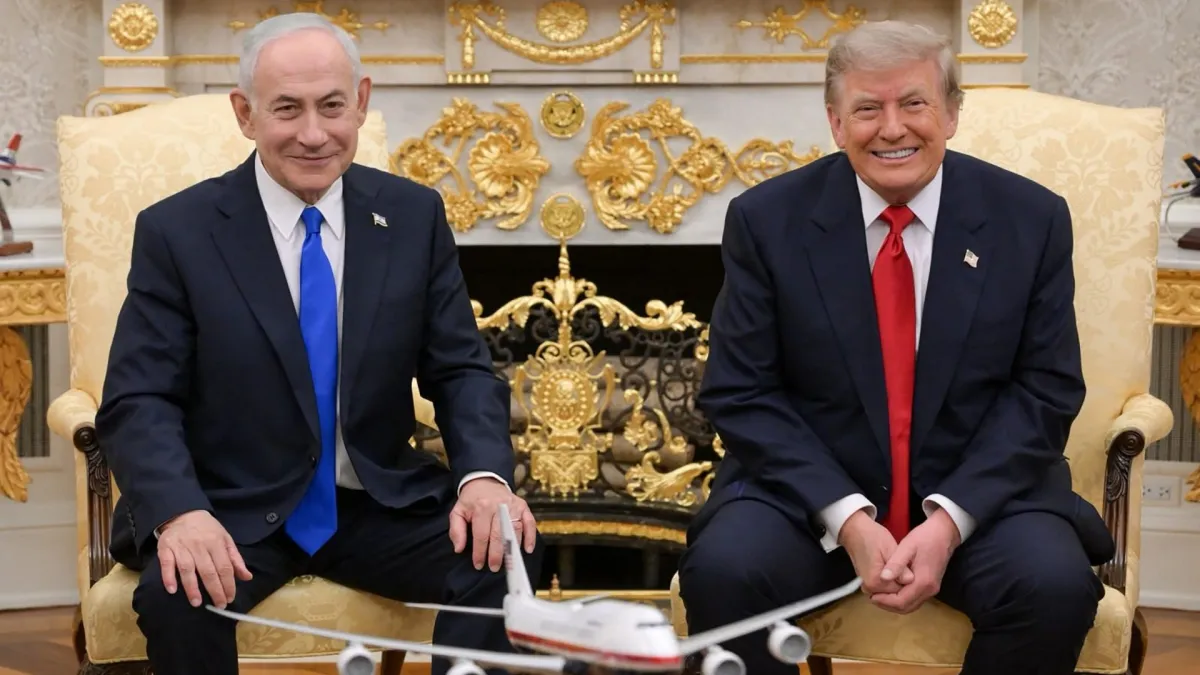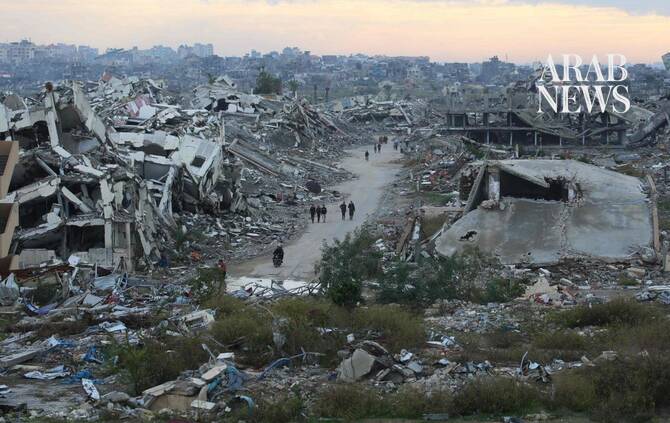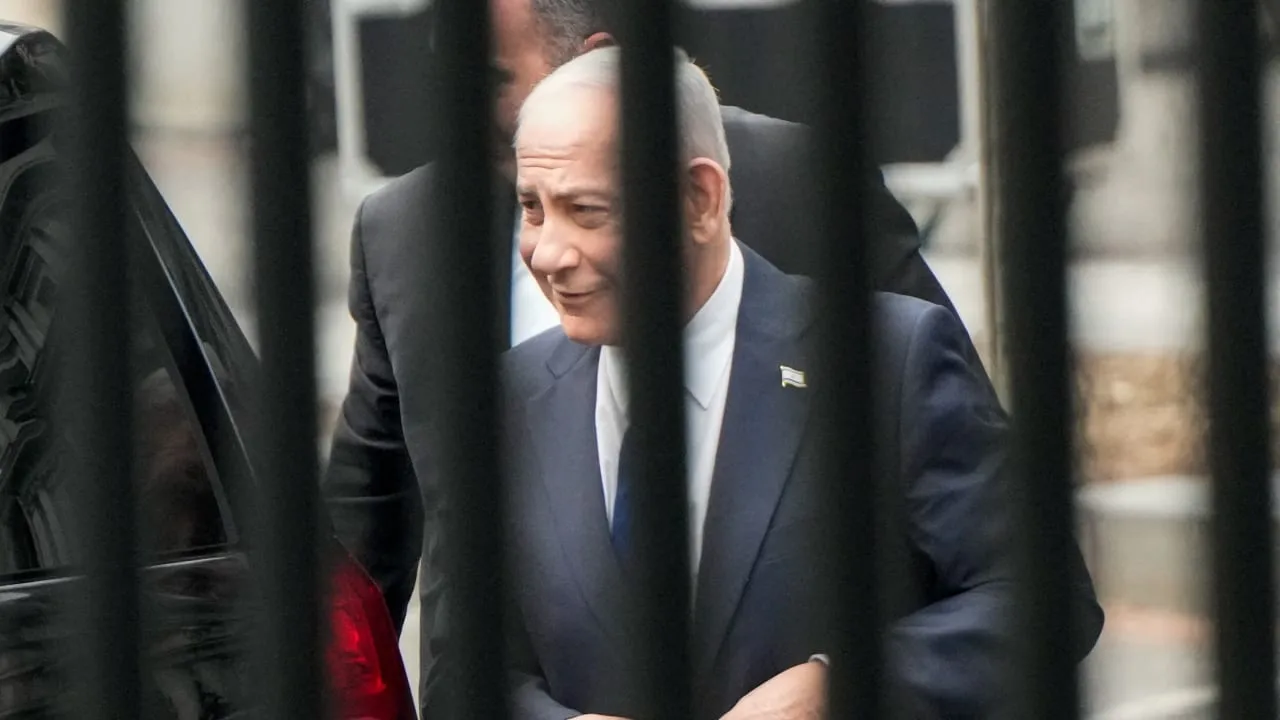
ByJPOST EDITORIALAUGUST 11, 2026 05:59Updated: AUGUST 11, 2026 06:01Nothing breeds public cynicism about leaders more quickly than a gap between their words and their actions; when they say one thing and do another.Prime Minister Benjamin Netanyahu would do well to keep this in mind when discussing Israel’s response to the Board of Peace’s 15-point road map for Gaza.At Sunday’s weekly cabinet meeting, Netanyahu took the unusual step of publicly breaking with US President Donald Trump, who hailed the road map – and Hamas’s acceptance of it two weeks ago – as historic. Netanyahu declared that Israel rejected the plan.A strong argument can be made for doing precisely that: rejecting the plan because its sequence is ambiguous and because Israel may ultimately be pressured to withdraw from Gaza before Hamas is fully disarmed of everything from missiles and tunnels to Kalashnikovs.Despite assurances from the Board of Peace’s high representative for Gaza, Nickolay Mladenov, that Israel would withdraw only sector by sector, after weapons in each area had been collected and rendered unusable under international supervision, Israel has ample grounds for skepticism.Nickolay Mladenov takes part in a charter announcement for U.S. President Donald Trump's Board of Peace initiative aimed at resolving global conflicts, alongside the 56th annual World Economic Forum (WEF), in Davos, Switzerland, January 22, 2026 (credit: REUTERS/Denis Balibouse)In short, a credible case can be made for Netanyahu’s rejection of the plan.Netanyahu's rejection of the plan while still implementing it is difficult to justifyWhat is more difficult to justify, however, is categorically rejecting the plan in public while taking steps on the ground consistent with several of its central provisions.For instance, Israel has sharply scaled back its attacks in Gaza since Trump announced Hamas’s acceptance of the road map, and the IDF stopped carrying out targeted assassinations, limiting its military actions to immediate threats.In addition, even before Trump announced Hamas’s acceptance of the document, the security cabinet approved the entry into Gaza of an initial contingent of up to 200 members of the International Stabilization Force. That force is a central component of the broader plan for Gaza and is intended to support Hamas’s disarmament, stabilize areas from which Israel withdraws, and help prepare the ground for a new Palestinian administration.Then there is the question of reconstruction. Netanyahu loudly proclaims that there will be no rehabilitation of Gaza until Hamas is completely disarmed. Nevertheless, Israel has reportedly approved infrastructure work for an Emirati-backed pilot project in eastern Rafah that would provide temporary housing in an area free of Hamas control.This is not yet broad reconstruction, and temporary housing is not the same as permanent rehabilitation. But water, sewage, electricity, and housing infrastructure are initial elements essential to the rebuilding of Gaza.Governments often accept some elements of a proposal while rejecting others. There is nothing inherently contradictory about that. But what breeds confusion – and cynicism – is Netanyahu’s categorical declaration that Israel rejects the document even as his government advances significant elements of the framework, without leveling with the public about what it is actually prepared to implement.So why is he doing this? The answer is simple: politics.Netanyahu does not want to alienate his current or potential future coalition partners – the Religious Zionist Party and Otzma Yehudit – or hard-right Likud voters who are adamantly opposed to the plan. At the same time, he cannot afford to antagonize Trump, for whom the road map is, as the president himself has said, a major achievement.How does Netanyahu square that circle? By saying one thing and doing another.Netanyahu's tactics appear to be workingIncredibly, the tactic appears to be working. Finance Minister Bezalel Smotrich issued a statement praising Netanyahu for unequivocally rejecting the road map, even though he, too, knows what is happening on the ground.And Trump, despite Netanyahu’s rejection of the president’s own plan, has – at least through Monday afternoon – remained silent.That silence suggests either that Washington anticipated Netanyahu’s declaration or that it does not regard his words as the definitive rupture they would seem to imply.It may even indicate that the maneuver was thought through and coordinated in advance: Netanyahu would be allowed to say what he needed to say for domestic political purposes, while Israel would continue taking measures compatible with the broader framework.There may be a certain political logic in trying to appease both the Israeli Right and Trump. But what the public sees is a prime minister categorically rejecting a plan while quietly carrying out parts of it.That does Netanyahu no credit. Worse, it fuels the political cynicism that this country already has in abundance – and needs less of, not more.Follow us on Google
Netanyahu's words do not match his actions when it comes to Gaza Board of Peace | The Jerusalem Post
There may be a certain political logic in trying to appease both the Israeli Right and Trump. But what the public sees is a prime minister categorically rejecting a plan while carrying it out.
769 words~3 min read