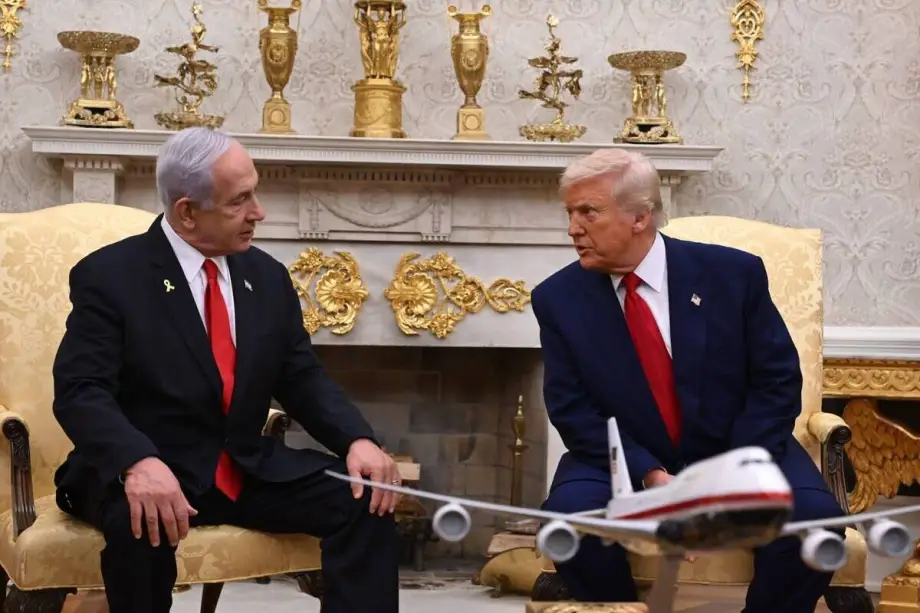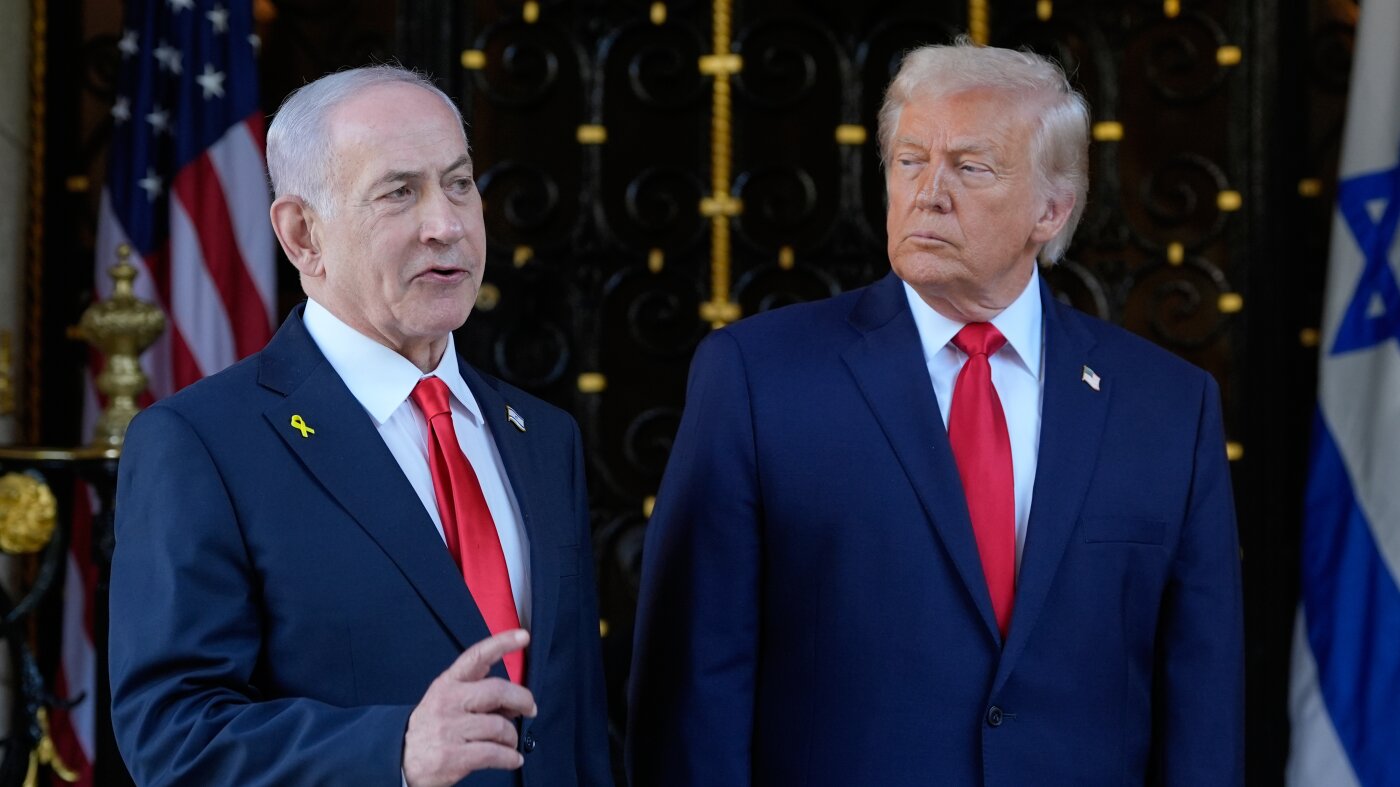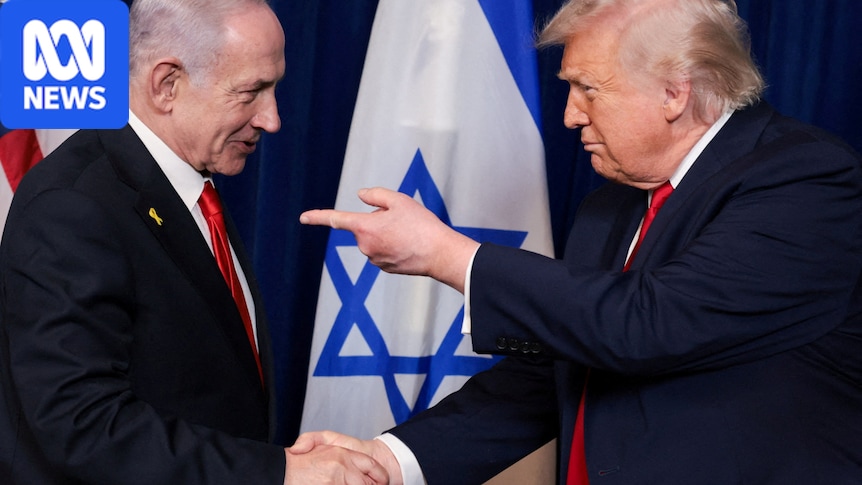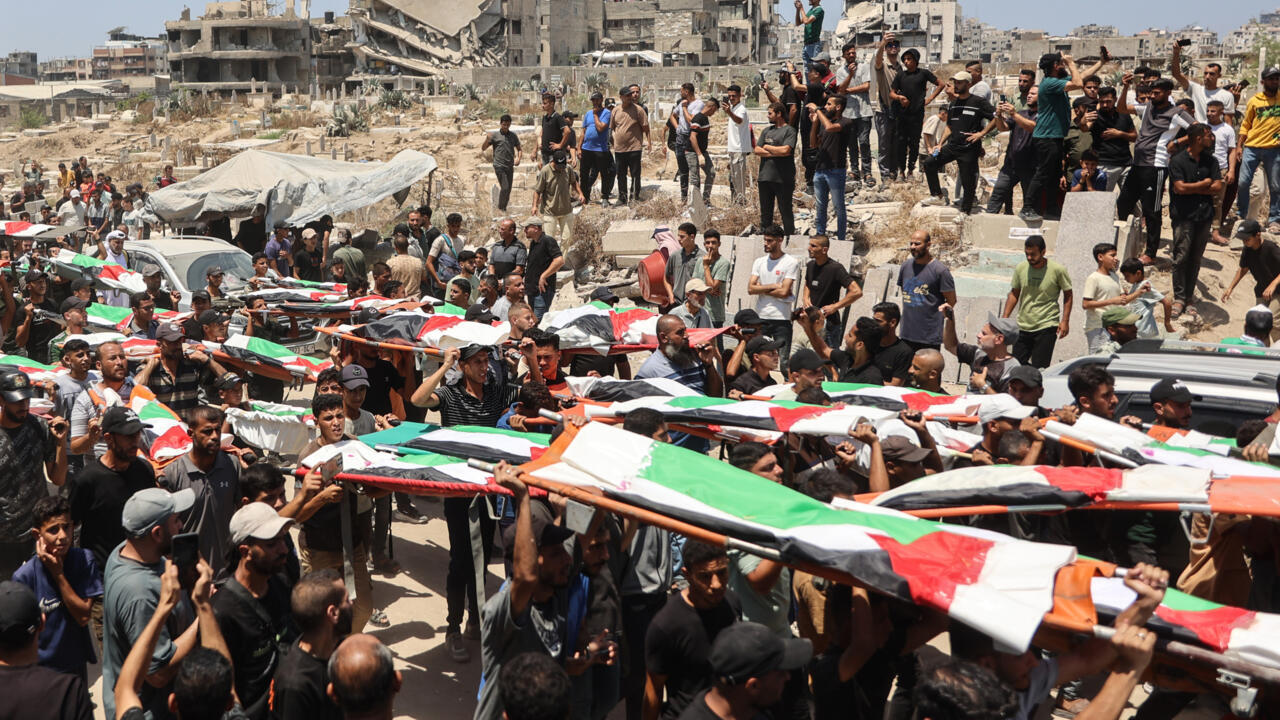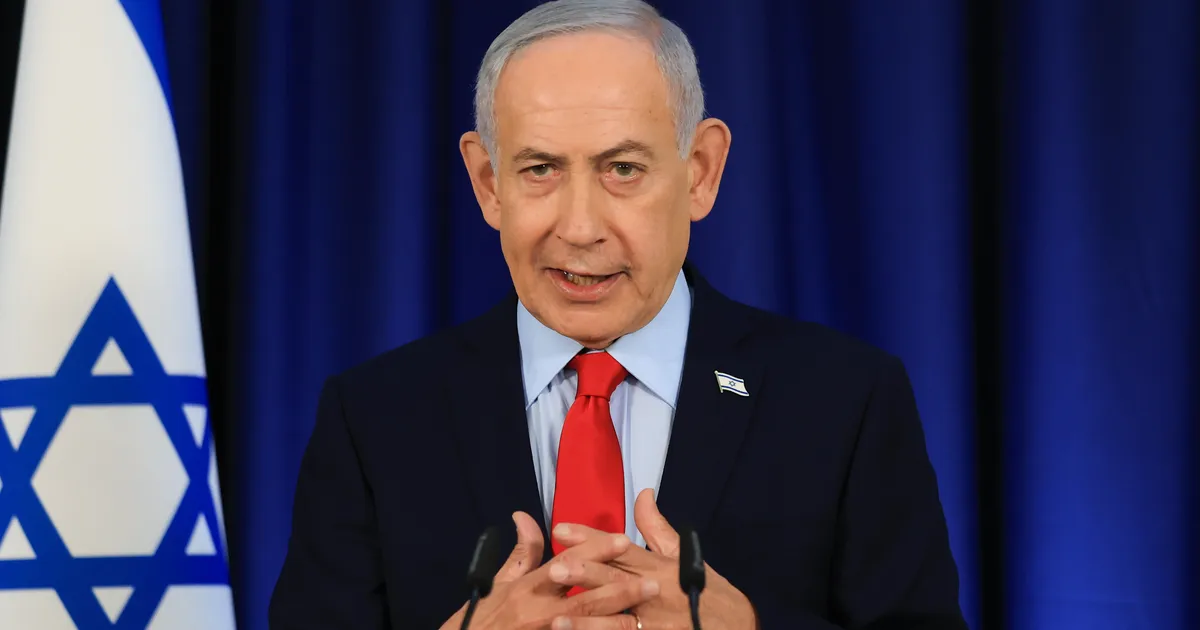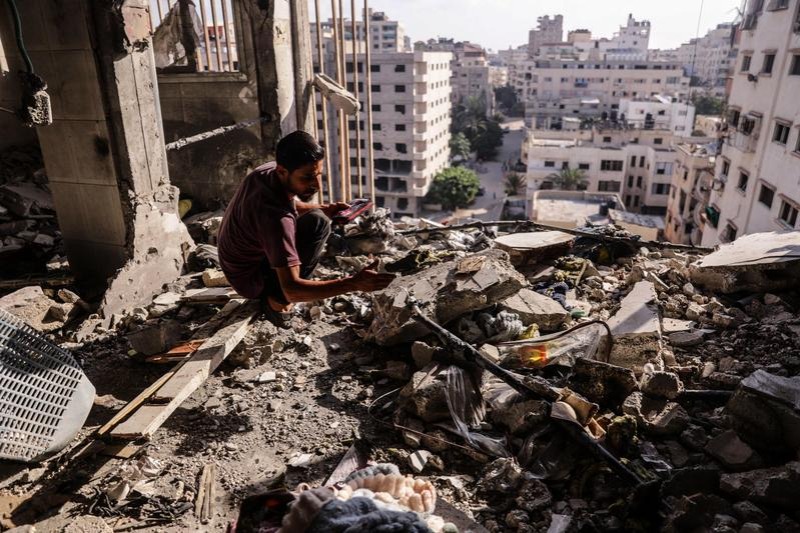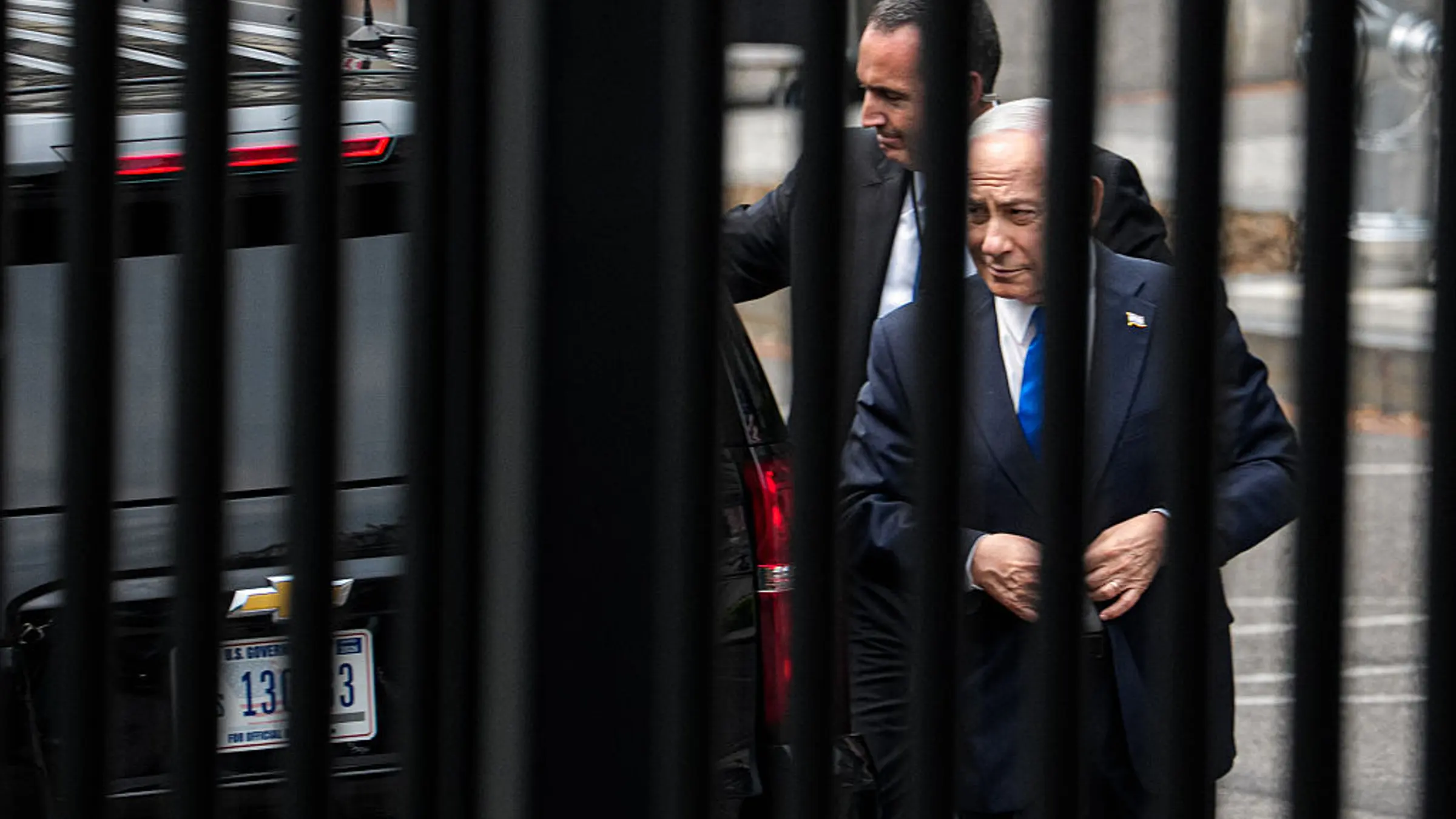
Israeli Prime Minister Benjamin Netanyahu said Sunday that his country rejects U.S. President Donald Trump’s latest peace plan for Gaza. The 15-point plan, issued by Trump’s Board of Peace and backed by his Administration, envisioned a phased peace process during which Hamas would gradually hand over its weapons and power to a new Palestinian administration as Israel gradually withdraws troops to the “yellow line” position agreed upon in the original peace deal it signed with Hamas in October 2025. When it was released by the Board of Peace on July 31, Netanyahu remained silent for multiple days and then acknowledged that the Trump Administration had “sent us a draft.”“We did not agree,” he continued. “It is not our draft. We sent our comments. This is our position.”However, Sunday was the first time that he formally declared a refusal to endorse it.“I want to be precise here: Israel rejects the 15-point document,” Netanyahu said at a cabinet meeting. “The [Israel Defense Forces] will not carry out any withdrawal until Hamas is disarmed.”“As long as I am Prime Minister, no Palestinian state will be established—not in Gaza and not in the West Bank,” he continued.While discussing the peace roadmap, Trump said that Hamas and “all other armed groups” in Gaza had agreed to disarm, paving the way for a resolution to the conflict that began when the militant group launched a terrorist attack on Oct. 7, 2023, that killed 1,200 people in Israel. Soon after Netanyahu’s comments, Hamas encouraged mediators to continue putting pressure on Israel.Basem Naim, a senior Hamas official, wrote on X that the group is still “committed to the roadmap reached.”“We expect the mediators and the American guarantor to press Netanyahu and his government to compel him to adhere to the roadmap and not obstruct the path for internal political and electoral reasons,” he said.More than 1,250 people have been killed in the Israeli attacks since the original ceasefire in October 2025, most of them civilians, according to the Gaza Health Ministry. Over 73,000 Palestinians have been killed in Gaza since the war began, the ministry said. Hamas has not disclosed how many of its fighters have been killed.What Is Netanyahu’s Response to Trump?Netanyahu has long enjoyed a cordial relationship with the U.S. President, whom he has called “the greatest friend that the state of Israel has ever had in the White House.” However, the relationship has appeared more strained since the countries worked together in strikes against Iran on Feb. 28.Trump told the New York Post in June that he called Netanyahu “crazy” after being “a little bit perturbed at his constantly fighting with Lebanon.” Continued Israeli military operations in Lebanon have complicated U.S. efforts to negotiate an end to hostilities with Iran.Netanyahu has since joined Trump at the White House, during a trip to the U.S. to attend Sen. Lindsey Graham’s funeral on July 28. White House Press Secretary Karoline Leavitt said afterward that the two leaders had a “positive and productive” meeting, and Trump said on Truth Social that “many important subjects were discussed,” though he offered no further details.“I greatly appreciate Trump,” Netanyahu said at his cabinet meeting Friday. “I greatly appreciate the historical partnership with the U.S. against Iran’s attempts to acquire nuclear weapons.”And he went on to comment on Jerusalem’s continued cooperation with Washington on Sunday, saying: “Right now, we are talking with the Americans about this issue. They have ideas, some of which are acceptable to us, some of which are unacceptable.”However, he continued, Israel refuses to accept its 15-point peace plan. “I have heard people say: ‘You didn’t say it.’ So here I am saying it again,” he emphasized.His firm stance directly contradicts statements from Trump shortly after it was announced. “We do have an understanding with Israel,” Trump told reporters at his Cabinet meeting at Camp David on July 31. “Israel is very happy about it. Israel helped us. They’ve been very good.” However, the hard-right Prime Minister faces an uphill battle this year in his reelection campaign after an inconclusive war with Iran, and amid ongoing military operations in Lebanon, as well as unfulfilled vows of “total victory” over Hamas. That vow has remained a central point of tension as negotiations continue, adding to strains in relations with the U.S.The public disagreement represents rare friction between the two allies and underscores the limits of their alignment on key regional issues.
Netanyahu Rejects Trump’s 15-Point Peace Plan for Gaza
The Israeli Prime Minister said Israel does not accept the Board of Peace’s roadmap to disarm Hamas.
731 words~3 min read