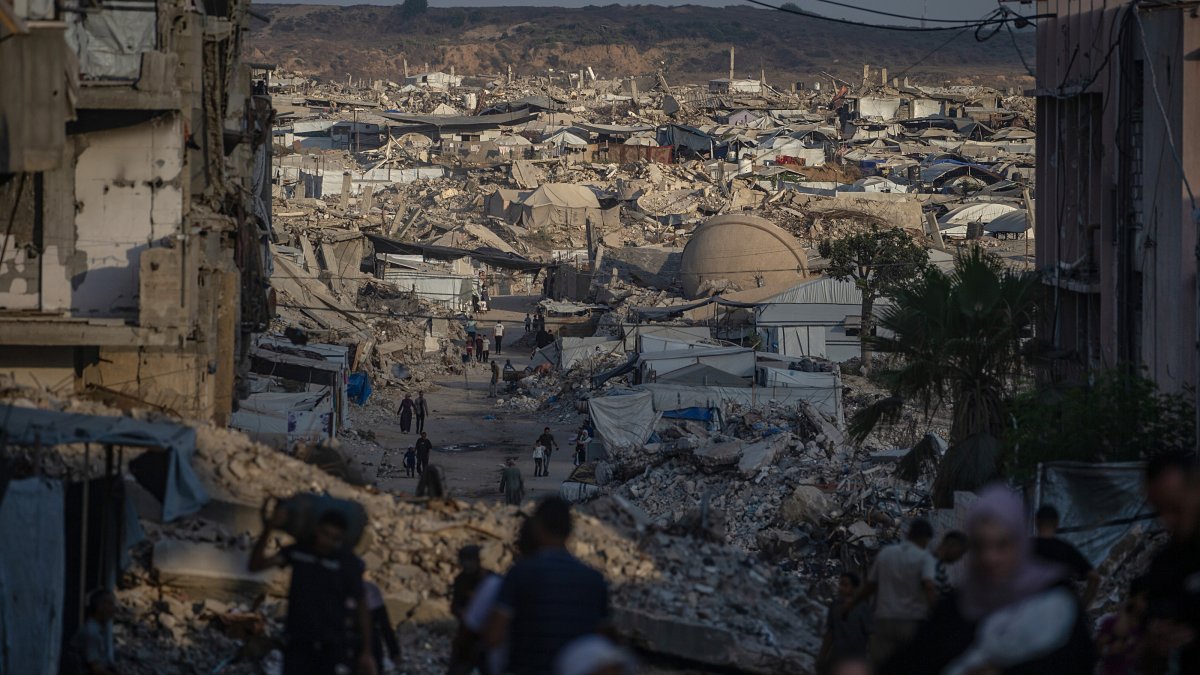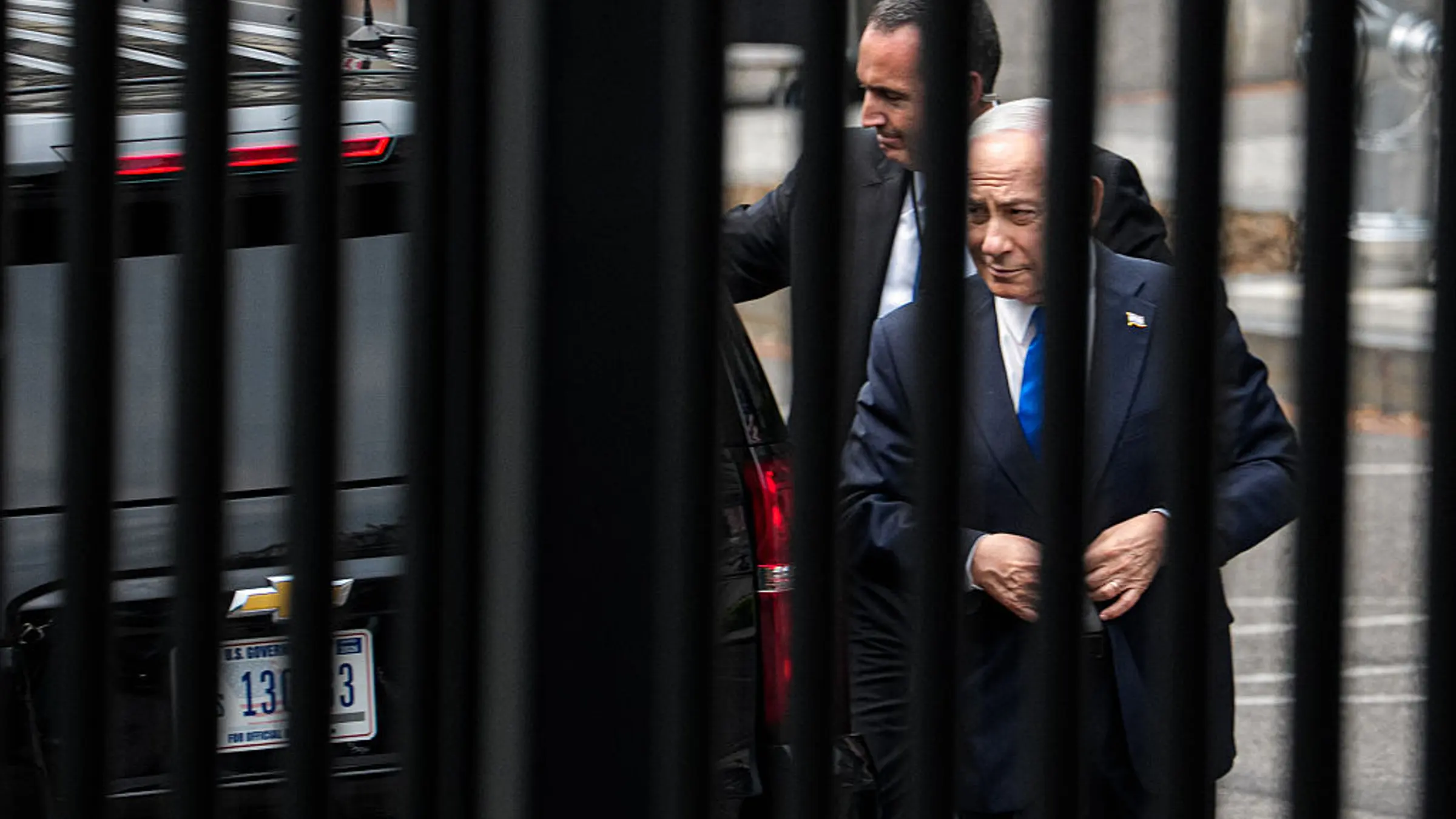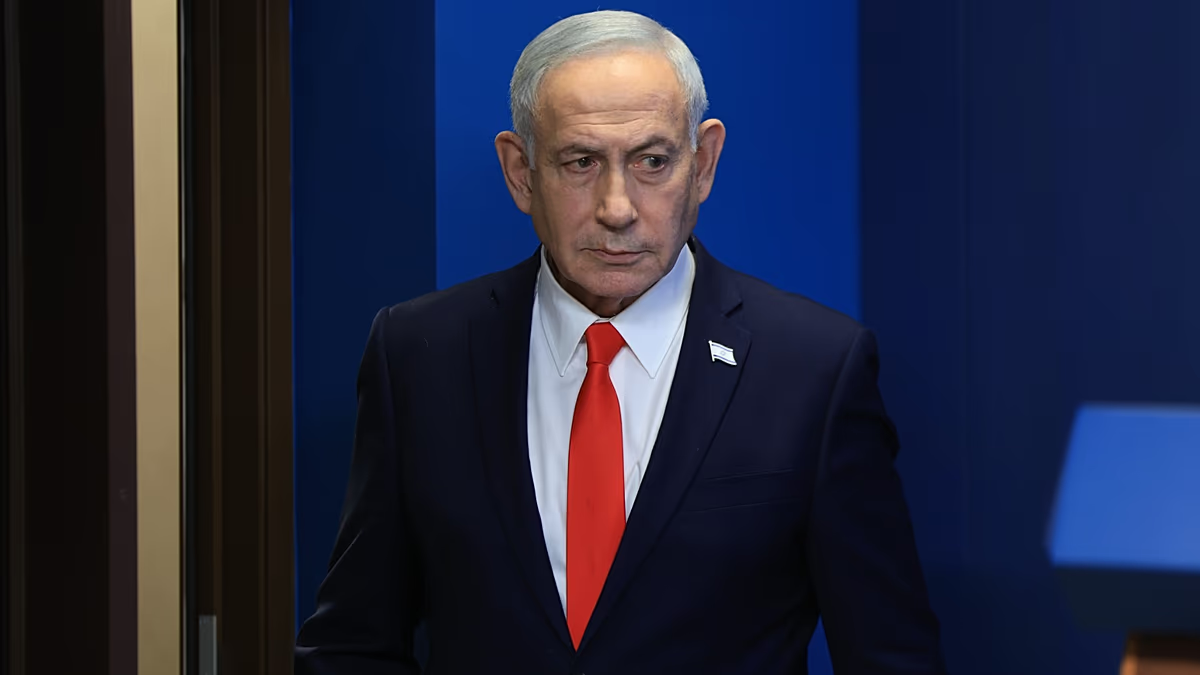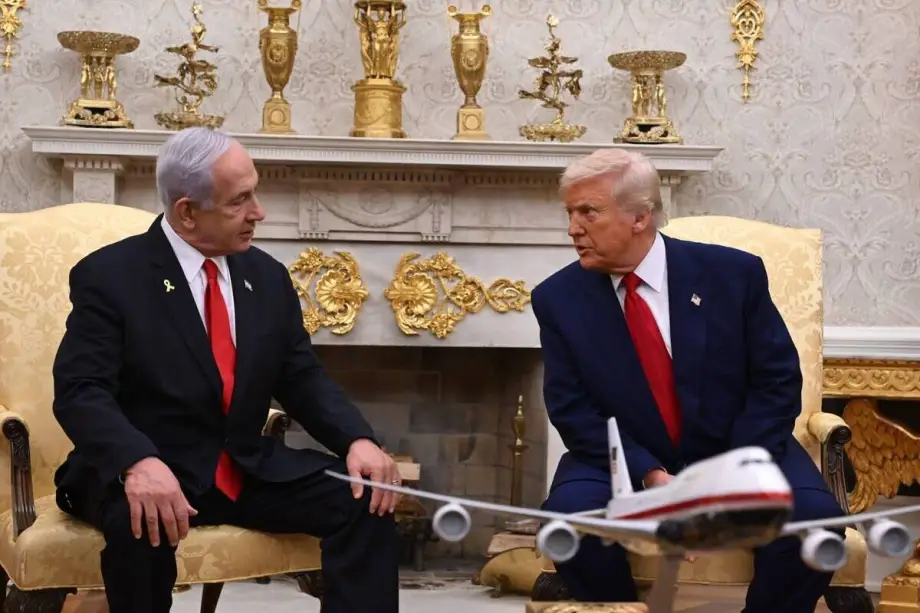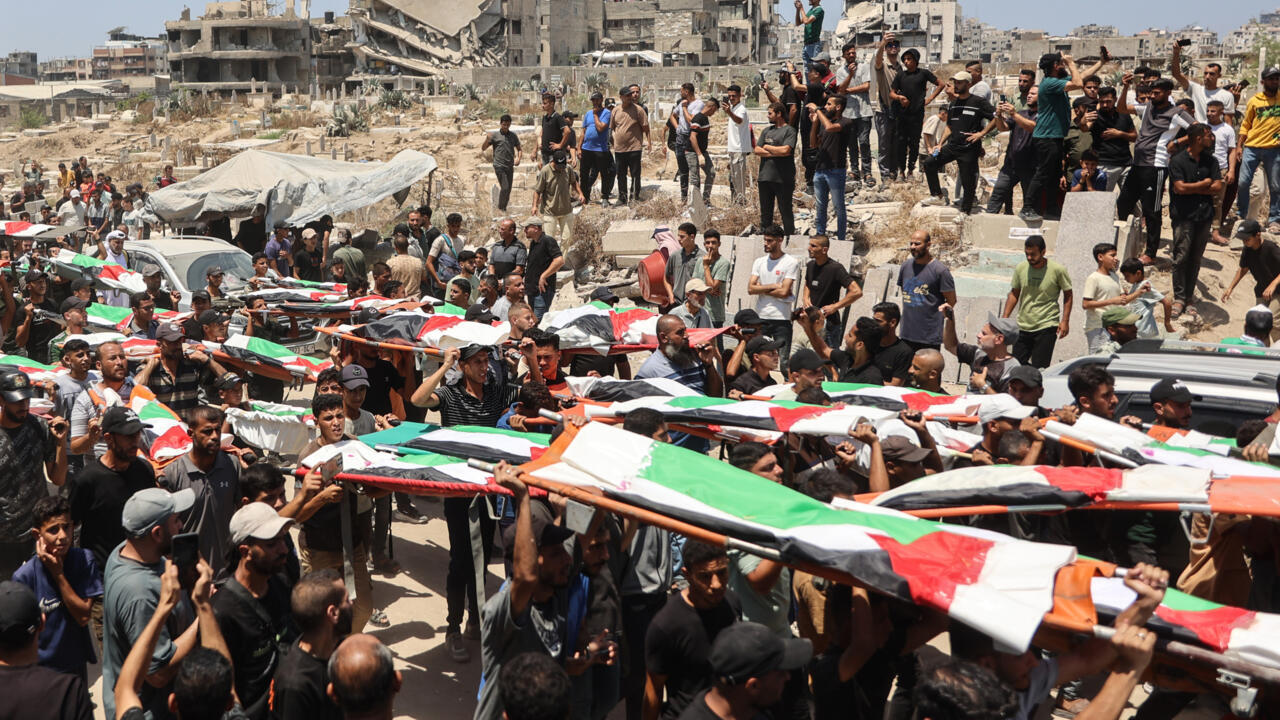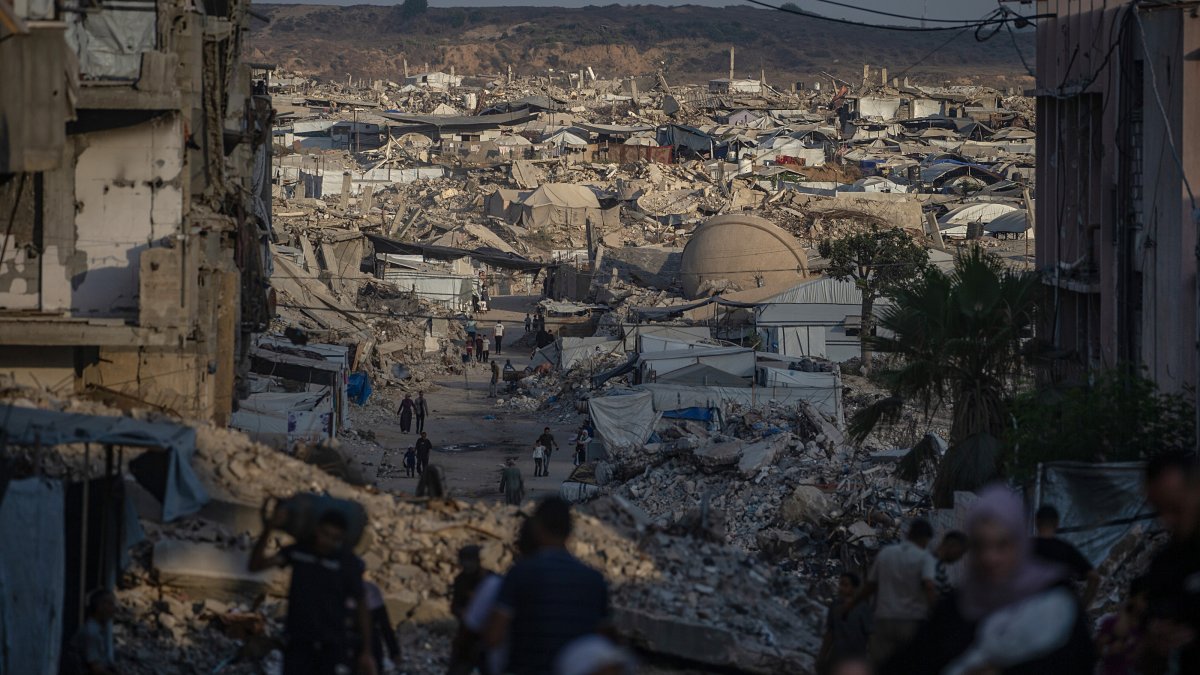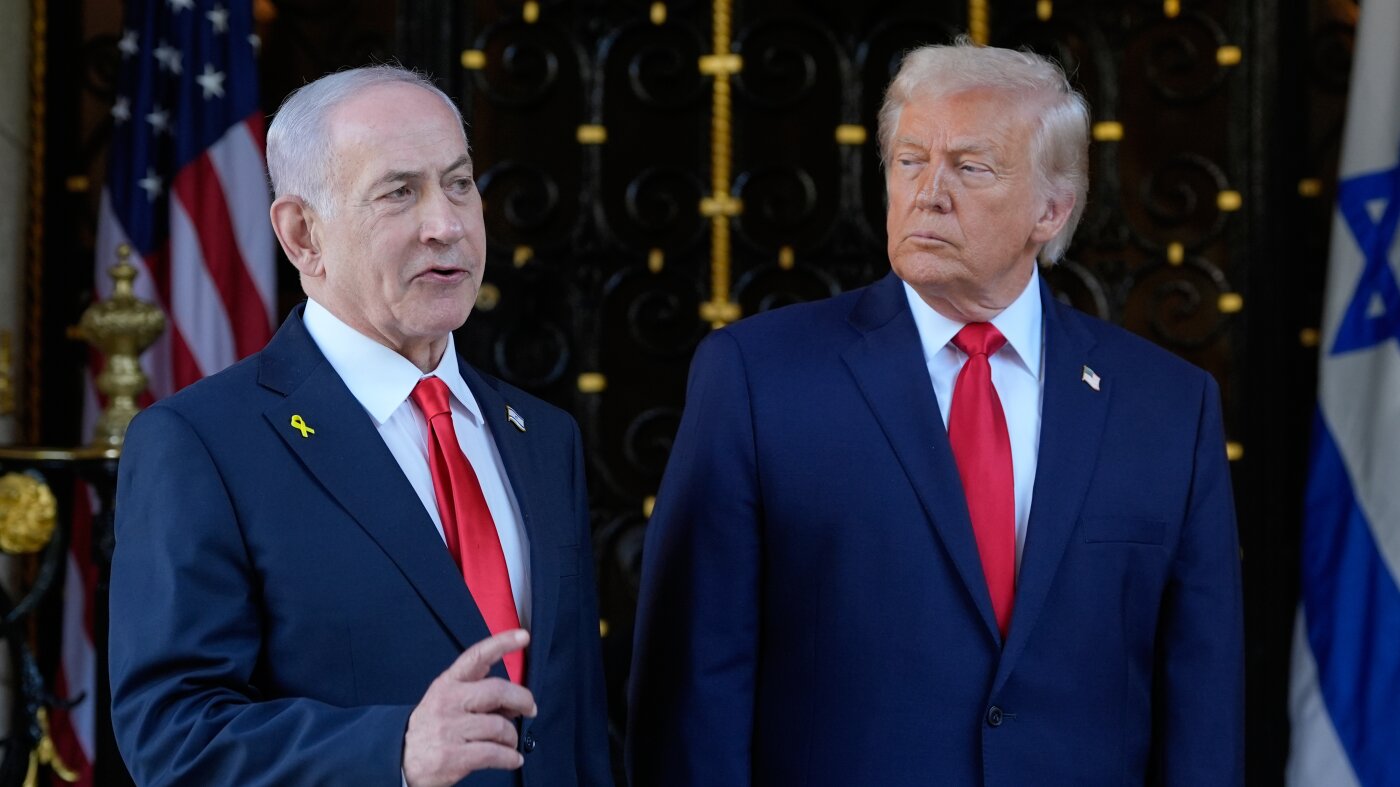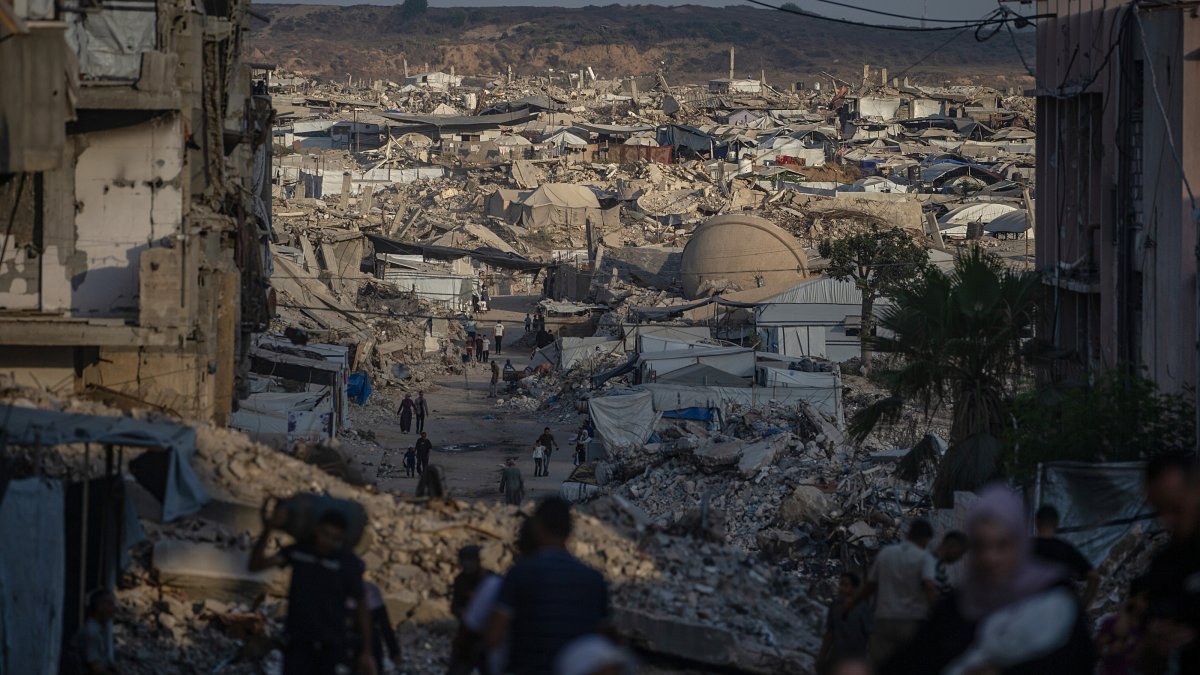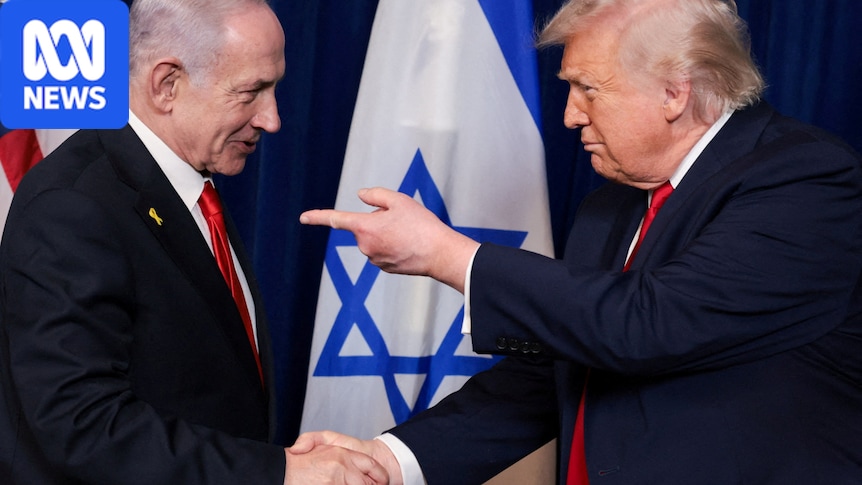
Israeli Prime Minister Benjamin Netanyahu has expressly rejected the latest Trump administration-backed push for peace in Gaza, criticising Hamas's proposed process for disarming as "unacceptable".Speaking ahead of his weekly Sunday cabinet meeting, Mr Netanyahu said his government was in discussions with the United States on the matter and acknowledged the two countries had differing views."They have ideas, some of them are acceptable to us and some are unacceptable to us," he said."Israel rejects the 15-point plan.Thousands of Palestinians remain displaced within Gaza, months after a ceasefire came into force. (Reuters: Dawoud Abu Alkas)"The IDF will not carry out any withdrawal until the dismantling of Hamas and its weapons — and when I say dismantling Hamas and its weapons, that means heavy weaponry, less heavy weaponry and smaller arms, all weaponry."We're talking about a true dismantling, not a fictitious dismantling."Just over a week ago, US President Donald Trump was heralding a major breakthrough in the peace process after his Board of Peace brokered a deal for Hamas to hand over its weapons.Hours after making his announcement on social media, he claimed Israel was "very happy about it", comments now at odds with Mr Netanyahu's remarks.The Israeli prime minister's rhetoric is not entirely surprising, given much of the Israeli establishment has railed against the proposal for the past week.But it does show how difficult negotiations on reaching the next phase of the ceasefire in Gaza will be, particularly ahead of an Israeli election, and proves that there are some limits to the White House's sway over the Netanyahu government.Since October 2025, when the truce was announced, Palestinian health authorities reported more than 1,200 people had been killed in Israeli strikes, among them many women and children.Israel intensifies strikes on GazaIn announcing it would disarm on Friday, July 31, Hamas revealed there were certain conditions which needed to be met by Israel.Specifically, Israel would need to stop almost daily deadly attacks across the strip and its forces would need to withdraw from large swathes of territory.Since the ceasefire in Gaza was declared, Israel has pushed deeper into the strip — increasing its control from just over 50 per cent of the land to over 60 per cent.The Yellow Line, the name given to the boundary of Israeli control, has moved during that period, displacing more Palestinians in the process.Hamas also said it would hand over its weapons for storage by the new US-backed Palestinian technocratic organisation, known as the National Committee for the Administration of Gaza.It still has not been allowed to enter the strip by Israel, and has been forced to conduct its affairs from the Egyptian capital Cairo.Israel is refusing to withdraw its forces from occupied parts of the strip. (Reuters: Amir Cohen)Hours after Hamas's declaration, Israel unleashed some of its deadliest attacks on the strip, prompting a thinly veiled rebuke from the Trump administration's Board of Peace, and its High Representative for Gaza Nickolay Mladenov.Mr Mladenov met with Mr Netanyahu in Israel days later. The Reuters news agency is reporting Israel agreed to show restraint in some of its strikes."We expect the mediators and the US guarantor to press Netanyahu and his government to adhere to the roadmap and not obstruct the process for internal political and electoral reasons, while continuing to jeopardise the region's security and stability," Hamas official Basem Naim told Reuters.The Israeli prime minister also, once again, rejected any notion of potential Palestinian statehood, which is a politically sensitive issue in Israel at any moment, let alone before an election."As long as I am prime minister, a Palestinian state will not be established," he said."Not in Gaza and not in Judea and Samaria, not a 'Fatah-stan' and not a 'Hamas-stan'."Judea and Samaria is the Biblical name for the area commonly referred to as the West Bank.
Israeli government rejects Trump's Gaza peace plan
Israeli Prime Minster Benjamin Netanyahu says Hamas's proposed plan for disarming is "unacceptable", rejecting the Trump administration's plans to end fighting in the Palestinian territory.
629 words~3 min read