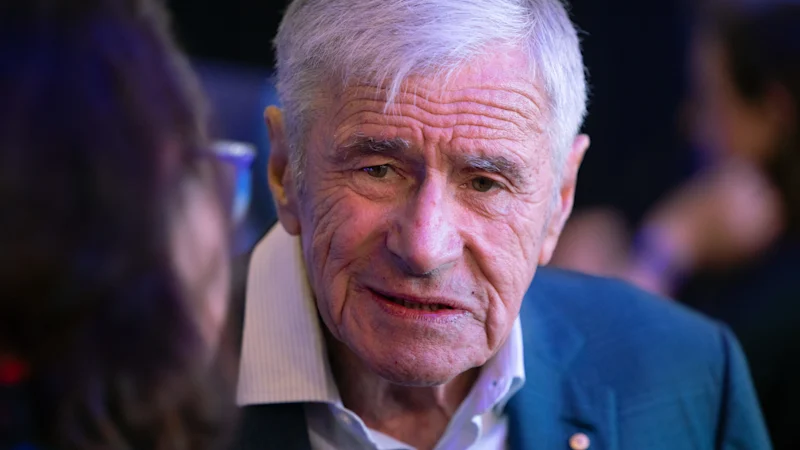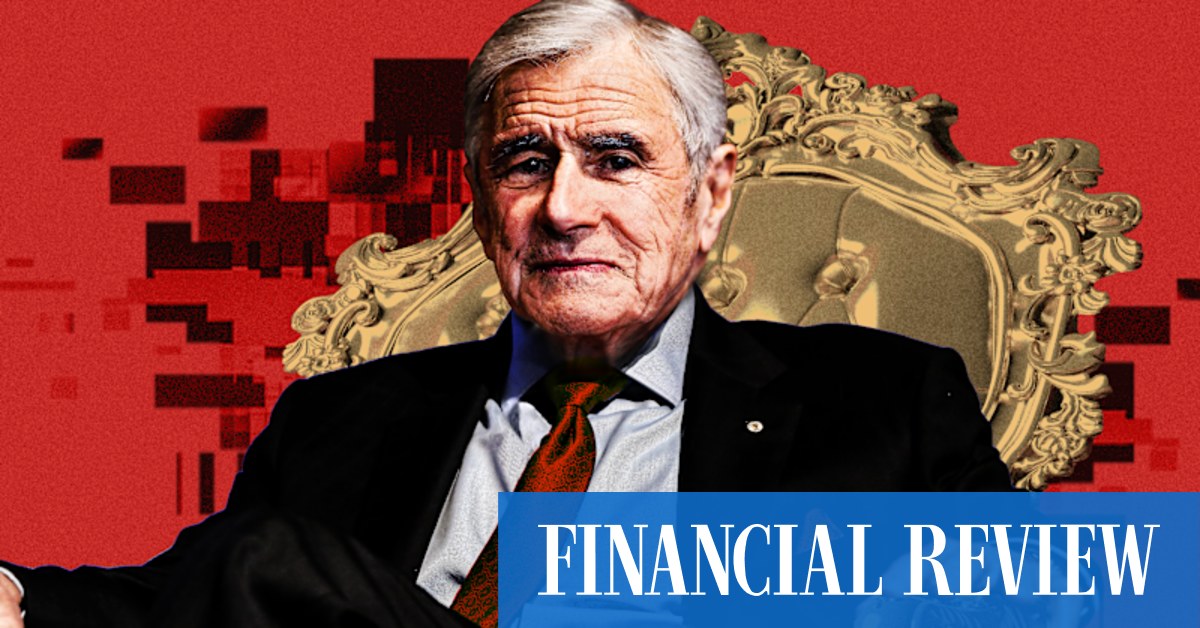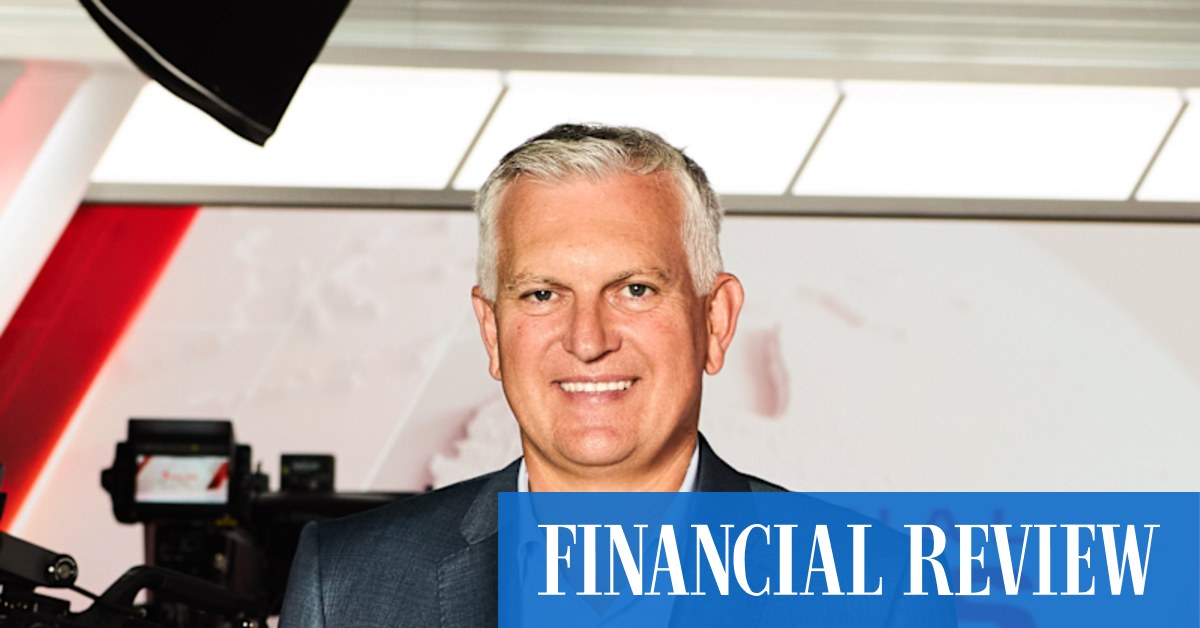
Updated August 11, 2026 — 10:27am,first published August 11, 2026 — 8:38amSouthern Cross Media, the business created from the merger of Kerry Stokes’ Seven West and radio group Southern Cross, attributed its $13 million full-year loss reported on Tuesday to deteriorating market conditions, not pricey sports broadcast rights such as its share of a $4.5 billion AFL deal.Earlier this year, Southern Cross wrote down the value of legacy TV content contracts by $70 million, an admission that these deals were not delivering the commercial benefits expected.Southern Cross Media, the business created from the merger of Kerry Stokes’ Seven West and radio group Southern Cross, swung into the red in the past financial year.Trevor Collens“There’s still a hangover in some of the content agreements that we’re just washing through at the moment,” Southern Cross chief executive Rohan Lund told analysts and investors on a conference call on Tuesday morning.“Certainly, everything we’re focused on is resetting this cost base so that by [financial year 2028], we’re starting to have the shape of the organisation that we think it should be.”He later told this masthead that Seven’s sports deals weren’t behind the writedowns.“There are no sports deals impacted by the onerous contracts,” he said.The media group, which owns the Seven Network, The West Australian newspaper and the Triple M radio network, said revenue had dropped across television, newspapers and radio last year but was showing signs of improvement with the new financial year.Combined with writedowns of TV contracts, the company produced a $13.1 million loss in the 12 months to June 30. While revenue more than doubled to $1.1 billion, reflecting the inclusion of TV revenues post-merger, underlying revenue for the group contracted 4.5 per cent year-on-year.“These are the first full-year results of our merged business. We now reach more than 20 million Australians a month, and each of our three businesses — television, audio and publishing — strengthened its market position [in the past financial year],” Lund said.“Trading conditions were difficult, particularly in television through Q4 [the June quarter], and revenue came in below where we expected. Share gains and cost discipline partially offset that, and EBITDA (earnings before interest, tax, depreciation and amortisation) finished above our revised guidance.”Lund expects conditions to stay subdued in the current financial year, but talked up the digital advertising opportunities which are evident across the business.“My aim is to accelerate digital through this year,” Lund said on the conference call. “It’s a pretty big digital prize out there. It’s a $25 billion digital market, and at the moment, we’re not even scratching [the surface].”The group said television revenue was tracking flat year-on-year, audio revenue was up by low single digits while publishing revenue was stable year-on-year.“The advertising market remains short and volatile with consumer and advertiser sentiment variable,” it said.The Commonwealth Games broadcast helped lift Seven Network’s viewers in the new financial year.Getty ImagesIn June, the company commenced another significant cost-reduction program to deliver annual run-rate cost savings of up to $150 million – largely from cutting 250 to 300 jobs, mostly from the TV side of the business.“We must reset our cost base to meet current market conditions and capture the full benefits of scale across our trusted platforms for our audiences and advertisers, now and into the future,” Lund said at the time.According to the Southern Cross accounts, the group has spent $337 million on TV content for the coming year and has $84.5 million worth of onerous contracts.Its shares dropped 1.8 per cent by midday on Tuesday, while Stokes’ Seven Group Holdings, which owns 20.1 per cent of the media group, slumped 11.2 per cent on the back of its own results, which showed profit stalled at $920 million.Onerous contracts weren’t the only drama in Southern Cross’s year. In May, Australia’s richest person, Gina Rinehart, emerged as the money behind former Stokes ally Bruce McWilliam’s near-10 per cent stake in the group.The news sparked speculation the pair might be planning an eventual takeover of the media company.Lund said he had met with McWilliam since joining as Southern Cross CEO this year, but not with Rinehart.“I’ve never met or spoken with Miss Rinehart. I have met with Bruce,” he said.The Business Briefing newsletter delivers major stories, exclusive coverage and expert opinion. Sign up to get it every weekday morning.Colin Kruger is a senior business reporter for the Sydney Morning Herald and The Age.Connect via email.From our partners
Kerry Stokes’ media group denies sport deals driving losses
The group, which owns the Seven Network, says revenue dropped across television, newspapers and radio last year.
733 words~3 min read