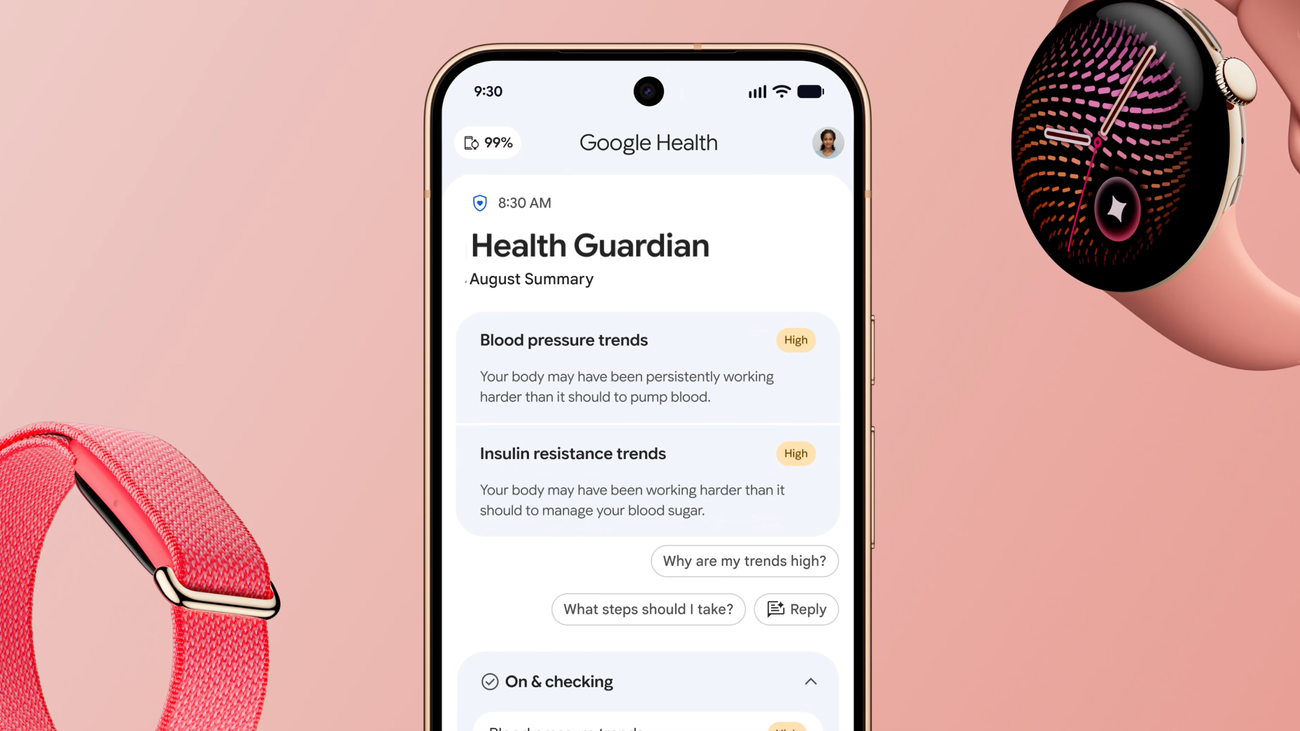
Have you ever woken up feeling slightly "off," only to find yourself down with a full-blown fever 24 hours later? What if your smartwatch could have warned you yesterday? 🌡️
In the world of predictive healthcare, your heart rate isn't just a number—it’s a time-series goldmine. By utilizing Deep Learning for Health and physiological signal processing, we can detect subtle shifts in your Resting Heart Rate (RHR) that precede clinical symptoms. Today, we’re diving deep into building a dynamic baseline detection system using Long Short-Term Memory (LSTM) networks, optimized for Edge AI deployment.
We’ll explore how to move from raw sensor data to a quantized model running locally on a wearable device, ensuring both privacy and real-time alerts. 🚀
The Architecture: From Pulse to Prediction
To catch an infection in its tracks, we need to distinguish between "normal" daily fluctuations (like that extra espresso ☕) and "pathological" shifts. Our system uses a many-to-one LSTM architecture to forecast the next "expected" heart rate based on the last 7 days of data.