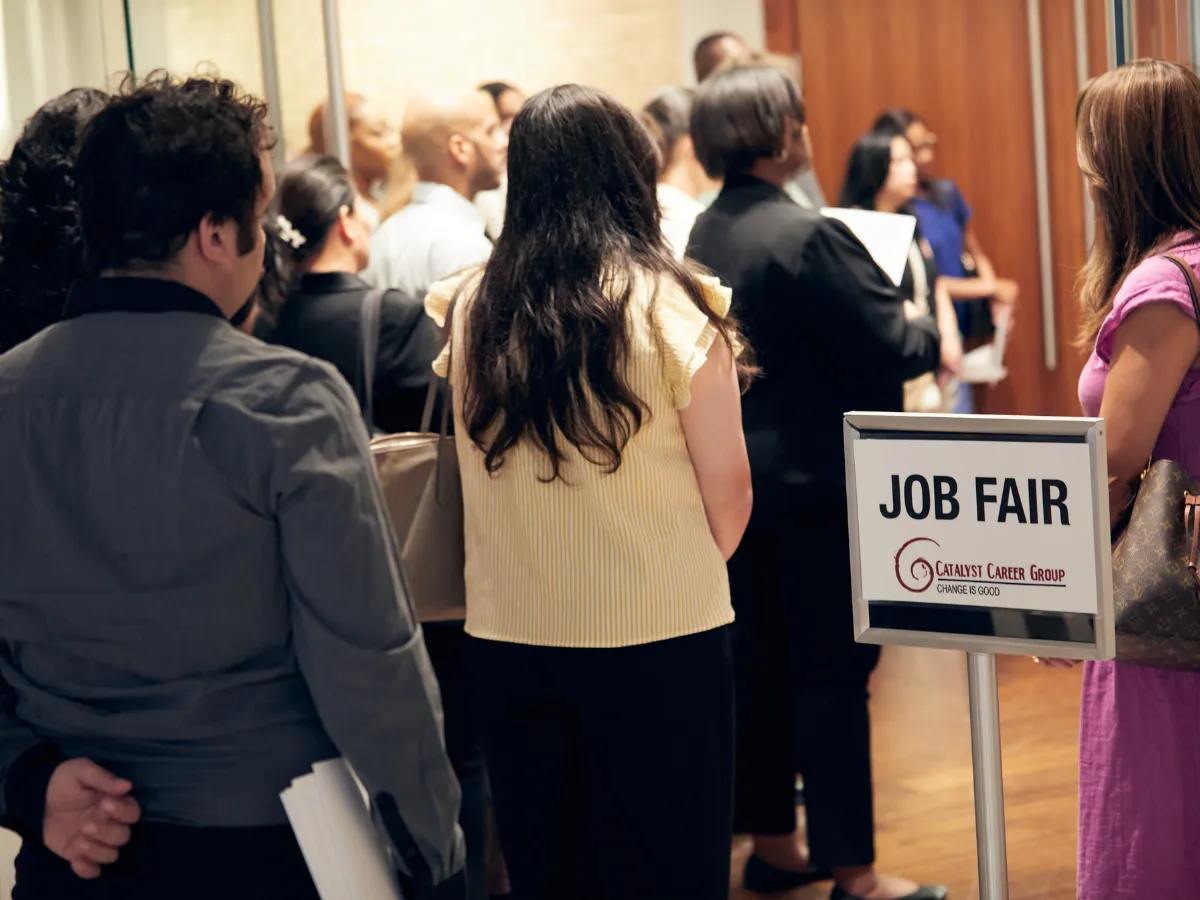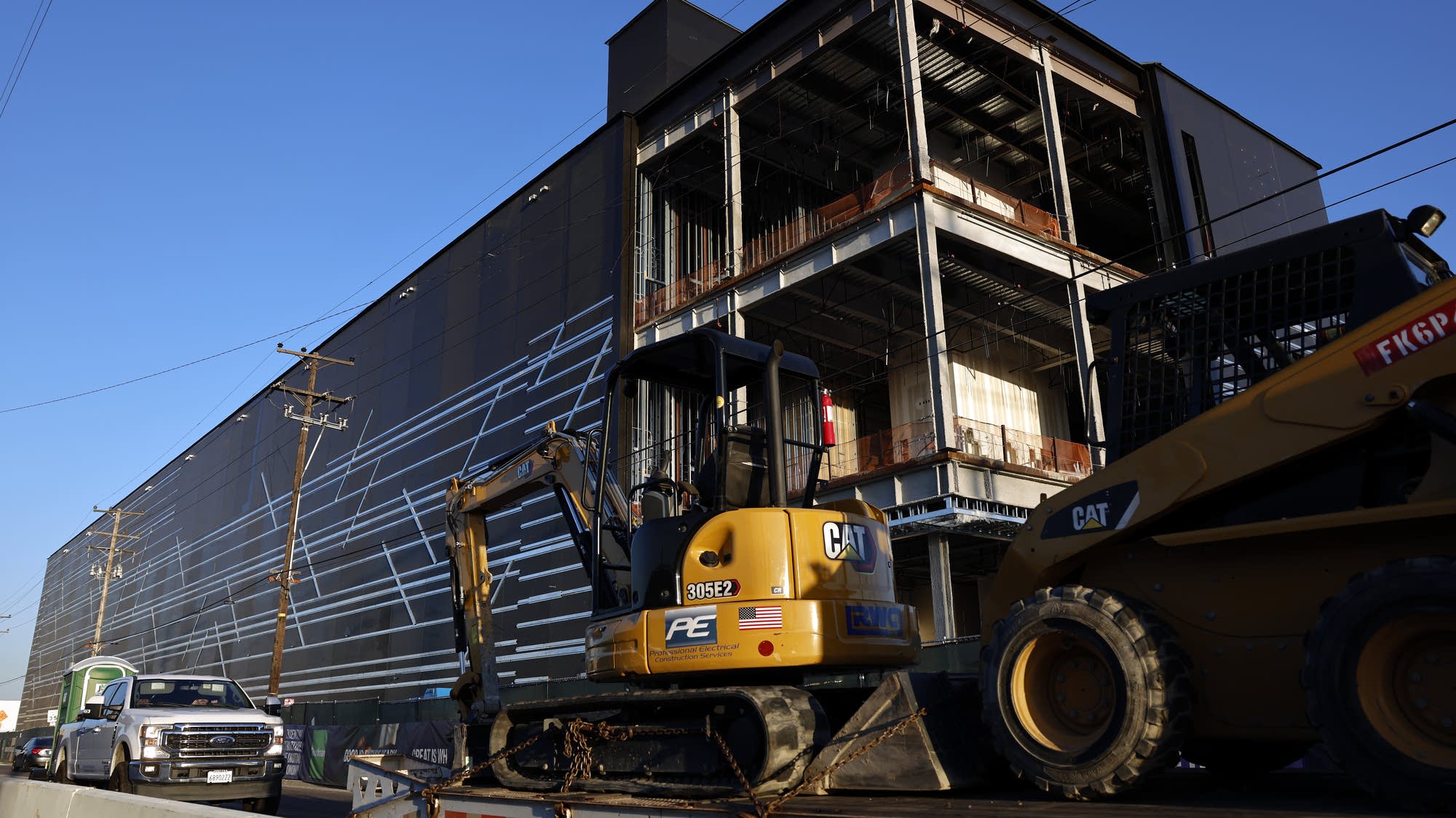
The economy lost 23,000 jobs in July, according to the latest jobs report. But a handful of sectors did see real growth, like temporary help services, which added 3,400 workers. Over the past seven months, more than 50,000 people were hired at temp staffing agencies — the kind companies turn to when they need to fill gaps in their workforces.One reason for the uptick could be recent job cuts. There were a lot of layoffs in the past year, and while some firms blamed artificial intelligence and some didn’t, those job cuts weren’t always a smart move. “They thought that they could go … without workers, and that didn't always work,” said Alexandra Von Tiergarten, district president at staffing firm Robert Half.She said firms have been bringing back some of those human workers by hiring temps.Other employers have lost workers not because they laid them off, but because the Trump administration has stripped them of Temporary Protected Status, said Ron Hetrick, principal economist at the research firm Lightcast.“There's still a need, and this particular labor force was the one delivering on that need,” he said.Companies have turned to temps to fill those jobs. Hetrick said that’s particularly been affecting the logistics sector.“This whole supply chain side. So that's warehouses, transportation, truck transportation,” Hetrick said.Data centers are also creating demand for temp workers. Chris Layden, CEO of Kelly Services, said the workforce company has hired over 10,000 people this year to work in and on data centers — including engineers and IT specialists. “Some of those data centers are in locations that don't support the talent supply that they need to run and operate and even build these data centers.Some employers are turning to temps instead of hiring people outright because they feel uncertain about the future, said sociologist Erin Hatton, author of “The Temp Economy.”“They don't know what's coming down the pipeline with AI, with the war, with the economy, and so they're looking to temps first to get the job done,” she said.Hatton said bringing in temps means companies can get stuff done without making any commitments to workers.
One bright spot in an otherwise-meh labor market? Temp jobs
Some companies are replacing workers lost to the administration’s crackdown on immigrants. Others are correcting for misguided layoffs.
350 words~2 min read