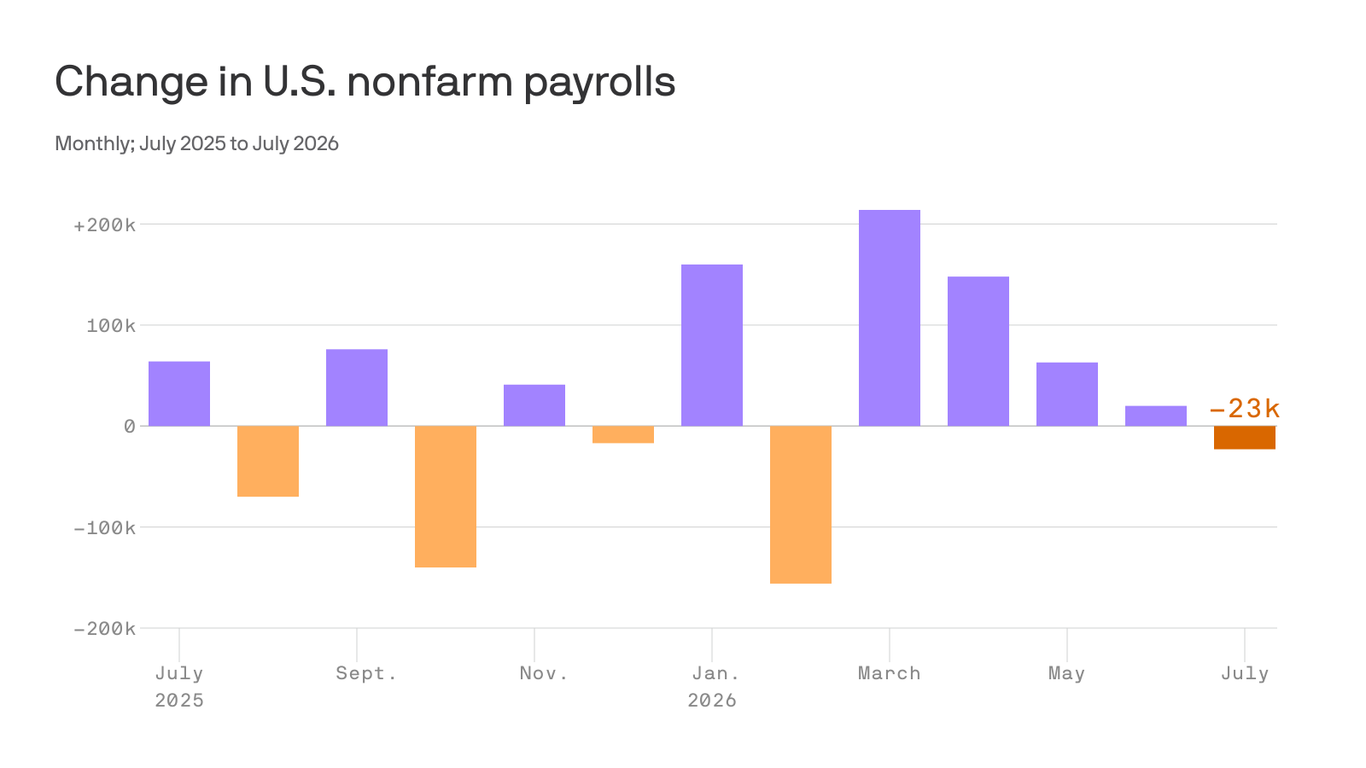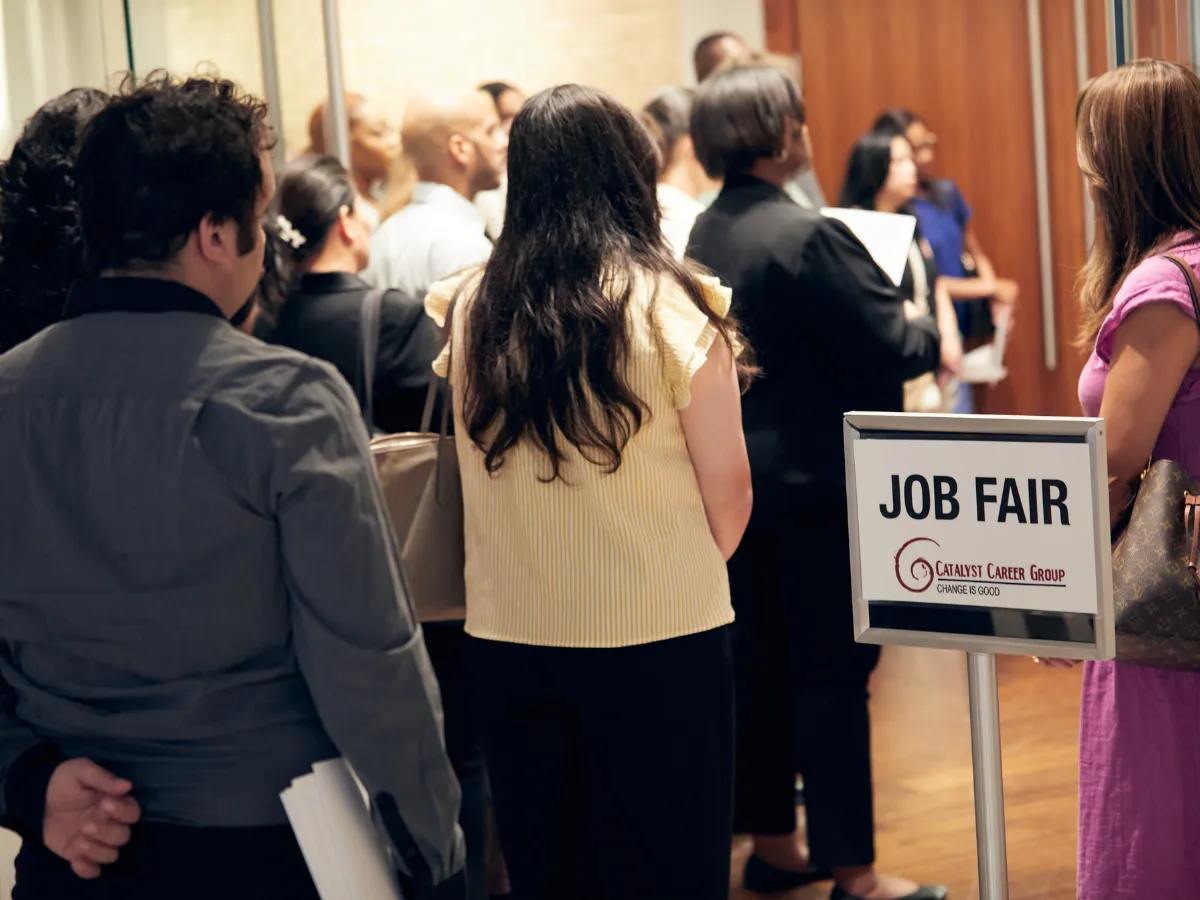
Skip to Content News Archives Economy Energy Oil & Gas Renewables Electric Vehicles Mining Commodities Agriculture Real Estate Mortgages Mortgage Rates Finance Banking Insurance Fintech Cryptocurrency Work Wealth Smart Money Wealth Management Investor Personal Finance Family Finance Retirement Taxes High Net Worth FP Comment Executive Women Puzzmo Newsletters Financial Times Business Essentials More Innovation Information Technology FP500 Podcasts Small Business Lives Told Tails Told Shopping Financial Post Store Obituaries Place a Notice Advertising Advertising With Us Advertising Solutions Postmedia Ad Manager Sponsorship Requests Classifieds Place a Classifieds ad Working Profile Settings My Subscriptions Saved Articles My Offers Newsletters Customer Service FAQ News Economy Energy Mining Real Estate Finance Work Wealth Investor FP Comment Executive Women Puzzmo Newsletters Financial Times Business Essentials HomeNewsEconomyU.S. employers unexpectedly shed jobs as unemployment rate fallsThe decline in payrolls was driven by cuts in government, leisure and hospitality and retail tradeAuthor of the article: You can save this article by registering for free here. Or sign-in if you have an account.The participation rate — the share of the population that is working or looking for work — fell to 61.4 per cent, which excluding the pandemic was the lowest since the 1970s. Photo by Dylan Hollingsworth/Bloomberg via Getty ImagesUnited States employers unexpectedly cut jobs in July and hiring in the prior two months was revised lower, suggesting the labour market is weaker than previously thought after surprising strength earlier this year.Subscribe now to read the latest news in your city and across Canada.Exclusive articles from Barbara Shecter, Joe O'Connor, Gabriel Friedman, and others.Daily content from Financial Times, the world's leading global business publication.Unlimited online access to read articles from Financial Post, National Post and 15 news sites across Canada with one account.National Post ePaper, an electronic replica of the print edition to view on any device, share and comment on.Daily puzzles, including the New York Times Crossword.Subscribe now to read the latest news in your city and across Canada.Exclusive articles from Barbara Shecter, Joe O'Connor, Gabriel Friedman and others.Daily content from Financial Times, the world's leading global business publication.Unlimited online access to read articles from Financial Post, National Post and 15 news sites across Canada with one account.National Post ePaper, an electronic replica of the print edition to view on any device, share and comment on.Daily puzzles, including the New York Times Crossword.Create an account or sign in to continue with your reading experience.Access articles from across Canada with one account.Share your thoughts and join the conversation in the comments.Enjoy additional articles per month.Get email updates from your favourite authors.Create an account or sign in to continue with your reading experience.Access articles from across Canada with one accountShare your thoughts and join the conversation in the commentsEnjoy additional articles per monthGet email updates from your favourite authorsSign In or Create an AccountorNonfarm payrolls decreased 23,000 last month following a combined 103,000 downward revision to the May and June figures, Bureau of Labor Statistics data showed Friday. The unemployment rate fell to 4.1 per cent as labour force participation continued to slide, and wage growth slowed.The report suggests the labour market may be starting to falter amid rising prices and uncertainty from the Iran war, despite recent data showing strength in consumer spending and business investment. The data could also prompt the Federal Reserve to delay interest-rate increases as officials weigh inflation against risks to employment.SUBSCRIBER EXCLUSIVE: FP West: Energy Insider brings you behind the oilpatch’s closed doors with exclusive insights from insiders every Wednesday morning.By signing up you consent to receive the above newsletter from Postmedia Network Inc.A welcome email is on its way. If you don't see it, please check your junk folder.The next issue of FP West: Energy Insider will soon be in your inbox.We encountered an issue signing you up. Please try again“We thought that only an outsized move to the downside would shake the Fed’s thinking,” said Christopher Hodge, the chief U.S. economist at Natixis North America. “This print was indeed such an outsized move. There has been very little inflationary impulse from the labour market previously, but now policymakers must be on guard for a more significant slowdown in jobs.”U.S. stocks opened higher and Treasury yields fell as investors reduced bets on a Fed rate hike in September. Still, upcoming reports on consumer prices — including data for July next week — could ultimately decide the Fed’s course of action next month.The decline in payrolls was driven by cuts in government, leisure and hospitality and retail trade. Private-sector payrolls rose by 30,000 for a second month, led by healthcare and social assistance.Local government employers shed nearly 60,000 jobs, almost entirely in education, which can be volatile in the summer as many teachers fall off of payrolls before returning again as the school year begins. Federal government payrolls also fell.Leisure and hospitality employment declined to the lowest level in almost a year as restaurants and bars shed staff, suggesting the FIFA World Cup that ended July 19 didn’t provide the boost to payrolls many forecasters had anticipated.The report comes as high-profile companies announced layoffs throughout the month including Microsoft Corp., Uber Technologies Inc. and Visa Inc. Payrolls in the financial activities sector, a key employer of white-collar workers seen as among the most vulnerable to artificial intelligence adoption, fell to the lowest level in four years.Manufacturing and construction payrolls, however, continued to climb. Many economists have pointed to the data-centre buildout as a possible driver of demand for construction labour in 2026, even as homebuilding continues to be restrained by high interest rates.The participation rate — the share of the population that is working or looking for work — fell to 61.4 per cent, which excluding the pandemic was the lowest since the 1970s. Among those between the ages of 25 and 54, known as prime-age workers, participation edged higher but remained near the lowest levels of the last few years.Pay gains also came in below estimates. Average hourly earnings rose 3.2 per cent from a year earlier, marking the slowest pace in more than five years. Economists are paying close attention to how labour supply and demand dynamics are impacting pay.Purchasing power will also be a key issue heading into the November midterm elections, especially as the Iran war has further driven up the cost of living. While consumer sentiment rebounded last month, consumers’ views about their current financial situation remain below levels seen in recent years.Other data out this week offered better news. ADP Research said wage gains for private-sector workers who switched jobs picked up in July to the highest in almost a year. Bank of America Institute, meanwhile, found a jump in pay and job gains among lower-income households last month, and a gauge of small-business hiring plans from the National Federation of Independent Business rose to the highest level in almost four years.“This does not look credible to me. The numbers don’t jibe with what we’re seeing more broadly for the labour market,” said Stephen Stanley, the chief economist at Santander U.S. Capital Markets LLC. “If the labour market had weakened as much as the June and July jobs report suggests, we’d be hearing it from Fed officials and the economy, and we’re not.”—With assistance from Kevin Varley, Julia Fanzeres, Jeffrey Sparshott, Maya Prakash and Ye Xie. Join the Conversation This website uses cookies to personalize your content (including ads), and allows us to analyze our traffic. Read more about cookies here. By continuing to use our site, you agree to our Terms of Use and Privacy Policy.
U.S. employers unexpectedly shed jobs as unemployment rate falls
U.S. employers unexpectedly cut jobs in July as hiring in the prior two months was revised lower, suggesting a weaker labour market. Read on
1,251 words~6 min read