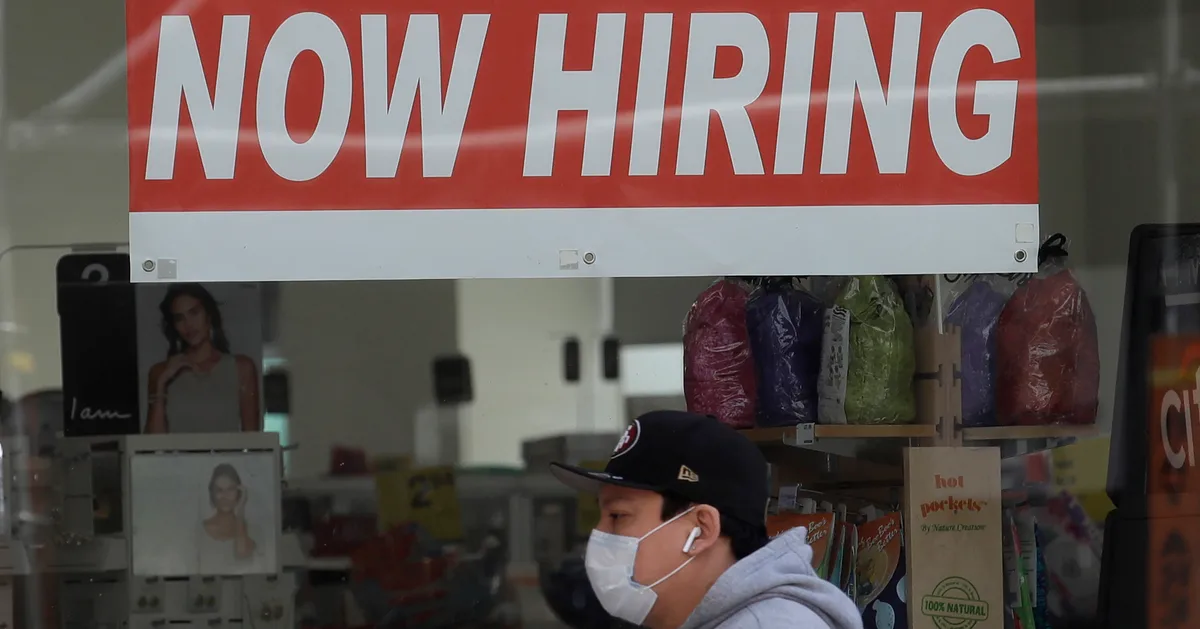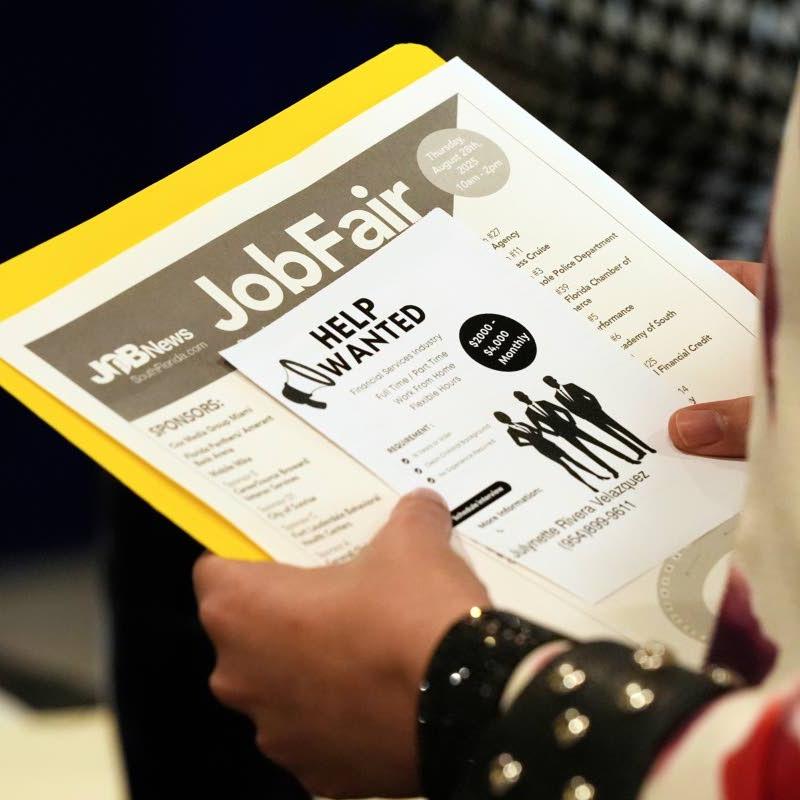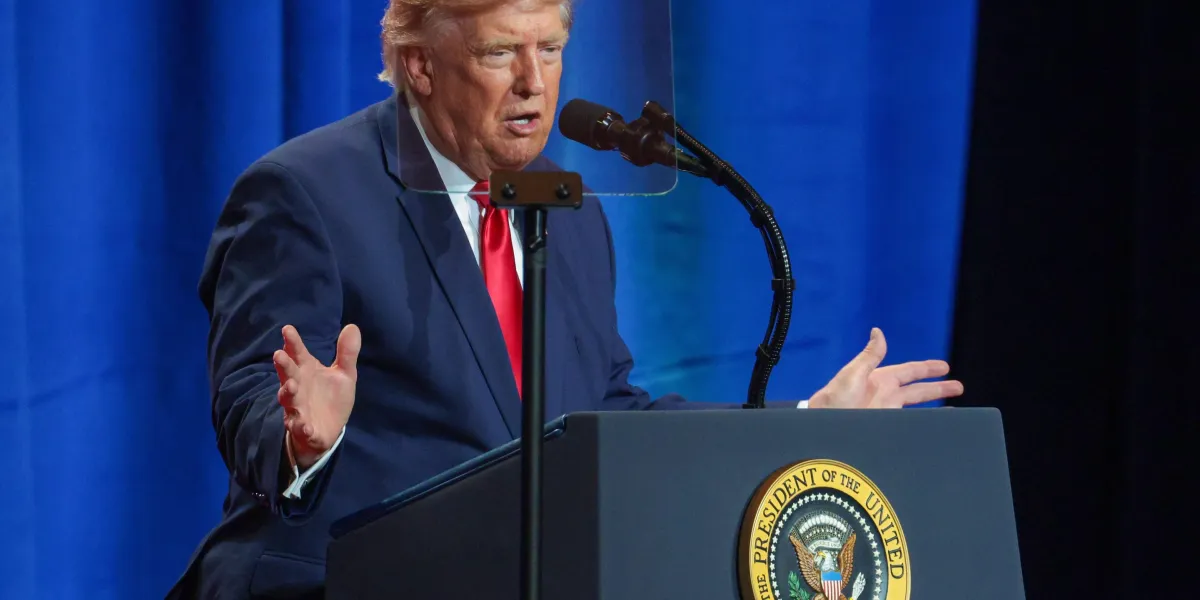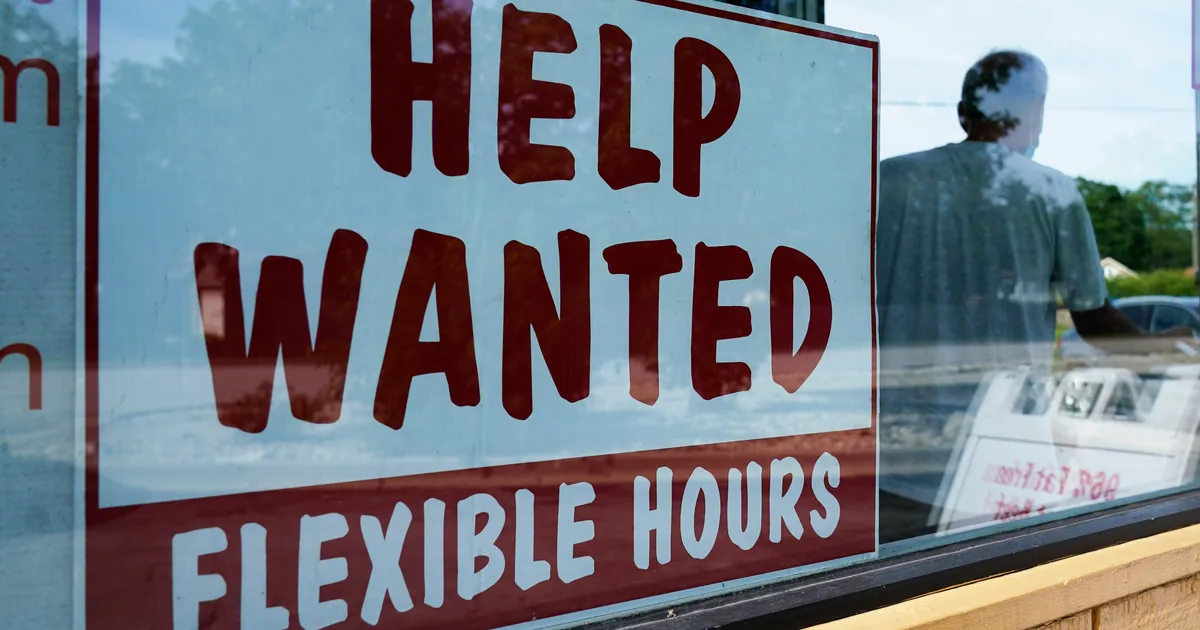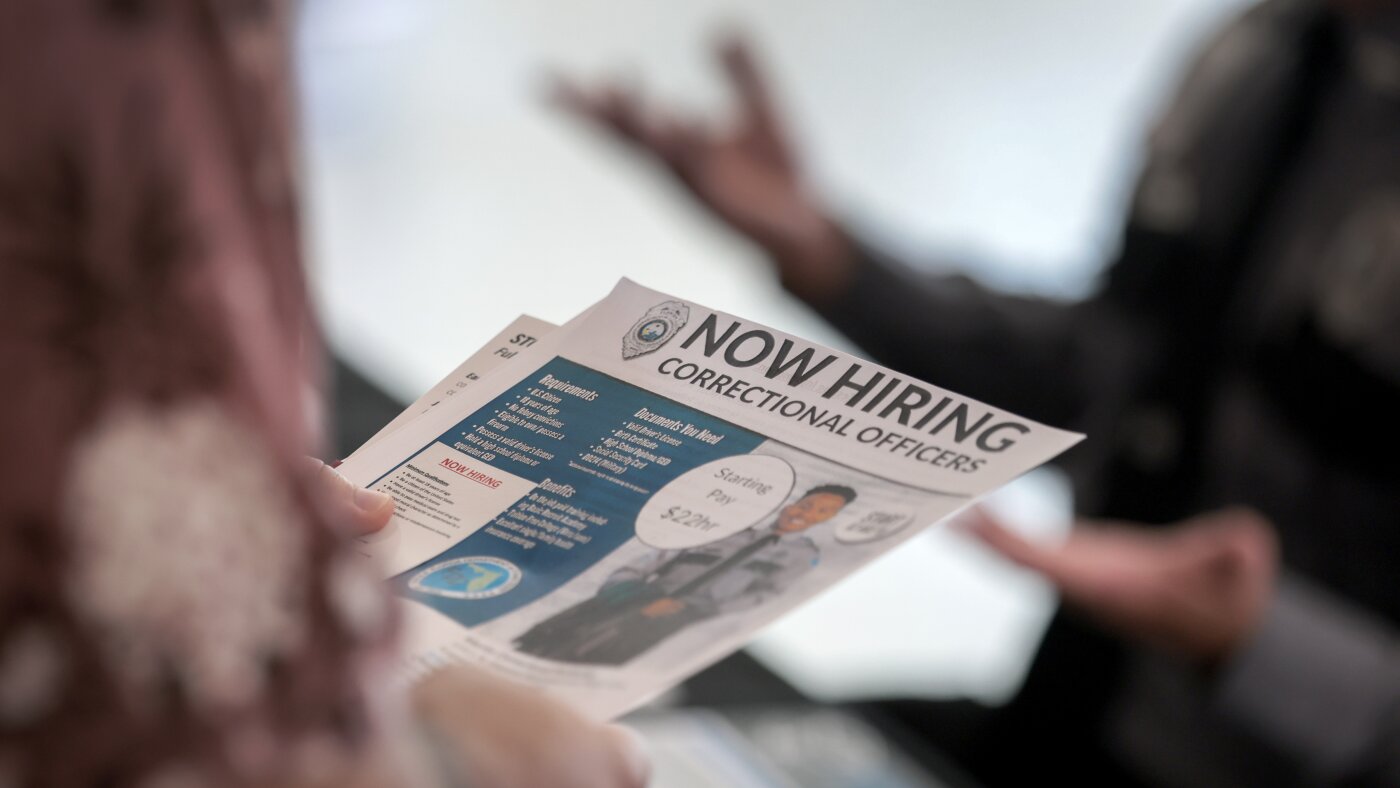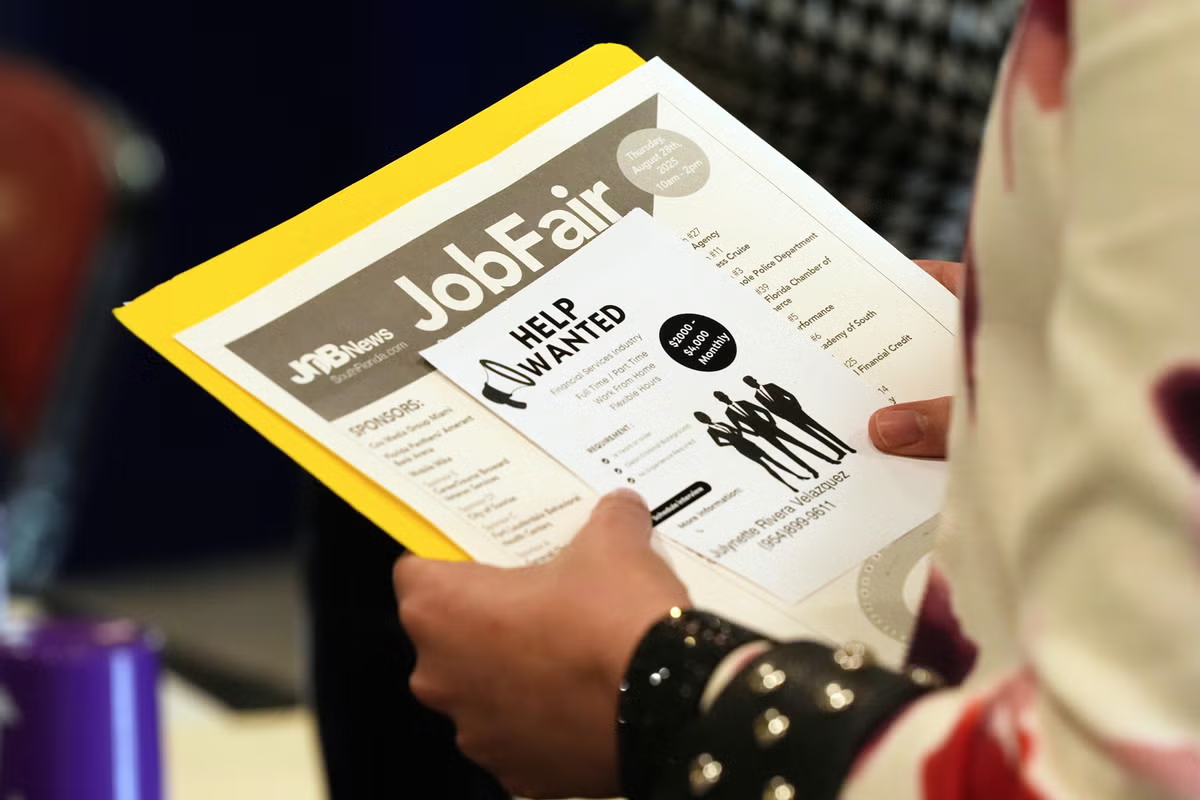
The US labor market experienced an unexpected downturn last month, with employers cutting 23,000 jobs and previous figures revised significantly downwards. The Labor Department's Friday report revealed an additional 103,000 jobs were removed from payrolls in May and June. While the unemployment rate dipped to 4.1%, its lowest since June 2025, this was attributed to 264,000 Americans exiting the workforce, rather than robust job creation. This marks a sharp reversal from forecasters' expectations of nearly 100,000 new jobs and represents a significant political setback for President Donald Trump's party, coming less than three months before they seek to retain full control of Congress in the upcoming midterm elections.Key sectors bore the brunt of these losses, with local public schools shedding 50,000 positions, restaurants and bars cutting 26,000, and retailers reducing staff by 19,000. The June jobs numbers from the Labor Department Friday marked a sharp reversal for the American labor market and a political setback for President Donald Trump (AP Photo/Nam Y. Huh)The 4.1% unemployment rate, while the lowest since June 2025, dropped for what economists term the wrong reasons. It reflects fewer people competing for work as 264,000 individuals dropped out of the labor market. Consequently, the share of Americans either working or actively seeking employment fell to 61.4%, marking the lowest level since February 2021.Hiring had shown signs of rebound earlier this year, recovering from a lackluster 2025, even as the conflict in the Persian Gulf sent energy prices surging and strained family budgets. While job growth had been solid, if unspectacular, the current landscape presents a paradox: some businesses report difficulty filling vacancies, while others increasingly leverage technology to automate tasks previously performed by humans.For those currently employed, job security remains unusually high, with layoffs at historically low levels. Companies, still wary from the unexpected labor shortages that followed COVID-19 lockdowns a few years ago, appear reluctant to risk losing their existing staff. Indeed, one week in July saw the number of Americans filing for unemployment benefits fall to its lowest level in over 50 years. The jobless rate had previously tumbled to 4.2% in June, the lowest in a year, and was widely expected to have remained at that level last month, according to a survey of forecasters by the data firm FactSet.However, this stability does not extend to everyone. Americans who have recently lost their jobs, or those attempting to enter the labor market for the first time, are finding it increasingly difficult to secure employment. This unusual dynamic has led economists to coin the term 'no hire, no fire' to characterize the prevailing job market conditions.On average, employers have added 61,000 jobs a month so far this year, a modest increase from the 9,700 monthly average in 2025, which represented the weakest growth outside a recession since 2002. The United States now requires fewer new jobs to prevent the unemployment rate from rising. This shift is partly due to Trump’s immigration crackdown and the ongoing retirement of baby boomers, which collectively mean fewer individuals are competing for work. Consequently, the “break-even” rate of monthly hiring – the number of jobs needed to keep unemployment stable – has significantly dropped from 155,000 in 2023-2024, potentially to nearly zero, according to a Federal Reserve study.Sal Guatieri, senior economist at BMO Capital Markets, affirmed this trend, stating, "There are just fewer people available to hire." While this scarcity can translate into higher wages for some, particularly those changing jobs, the overall hiring pace remains subdued. The payroll processor ADP reported that individuals who switched jobs last month saw a 7% raise, marking the biggest year-over-year gain in almost a year and a significant premium over the 4.4% increase for workers who remained in their current positions.Simultaneously, companies have boosted productivity through technological advancements, automating tasks previously performed by humans. "We are seeing companies produce more with their current staff," Guatieri explained, adding, "So there’s less need to take on new workers." These combined factors – shortages of available workers and rising productivity – "will keep the lid on the rate of hiring and monthly job growth," Guatieri concluded.Furthermore, the outlook for future hiring is clouded by several external factors. The ongoing conflict in the Persian Gulf continues to push up energy prices and squeeze family budgets, while the accelerating rise of artificial intelligence presents a dual challenge: it could either enhance worker efficiency and lead to better pay, or potentially displace jobs altogether.A recent report from the Federal Reserve Bank of San Francisco, authored by researchers Ingrid Chen, Marianna Kudlyak, and Riva Mikhlin, reveals a surprising trend: securing employment has become significantly tougher over the past couple of years. Typically, this far into an economic expansion – more than six years since the last recession – employers would be actively seeking workers, often taking chances on younger individuals or those with less education. However, this is not the case now. The researchers note, "Instead of being pulled in, the pipeline into employment is shrinking such that the recovery is no longer reaching workers at the margins."Even those typically quickest to re-enter the workforce – unemployed individuals in their prime working years (25 to 54) and with college educations – are encountering difficulties in finding new positions. The San Francisco Fed researchers acknowledge uncertainty regarding the precise causes of this challenging job search. They suggest potential contributing factors include the immigration crackdown, hiring slowdowns specifically within tech companies and government contractors, uncertainty surrounding government policy, or even "early signals of broader labor market deterioration."
US employers unexpectedly cut 23,000 jobs amid strain from Trump’s Iran war
The shift, revealed in Friday's Labor Department report, marks a stark reversal for a job market that had seen a rebound earlier this year
916 words~4 min read