AI and ML
Mark Zuckerberg muses about 'superintelligence' and 'arc of human civilization'
OPINION In a public post titled "The Future is for Everyone," Meta CEO Mark Zuckerberg declares, "We are fortunate to live at an incredible moment in history." For Zuck to posit that "The Future is for Everyone" is at once facile for being so vague it could mean anything – are there people now living who are excluded from the future? – and foolish for its failure to address real issues that actually affect people's lives.We are perhaps not so fortunate as the unpopular but wealthy Zuck, worth more than $200 billion. But we're fortunate enough not to be chased by a public record that mocks his musings.
In 2019, Zuck said, "The Future is Private." This was while he was running Facebook, an ad business predicated on the denial of privacy. His credibility as a forecaster of the future leaves something to be desired.
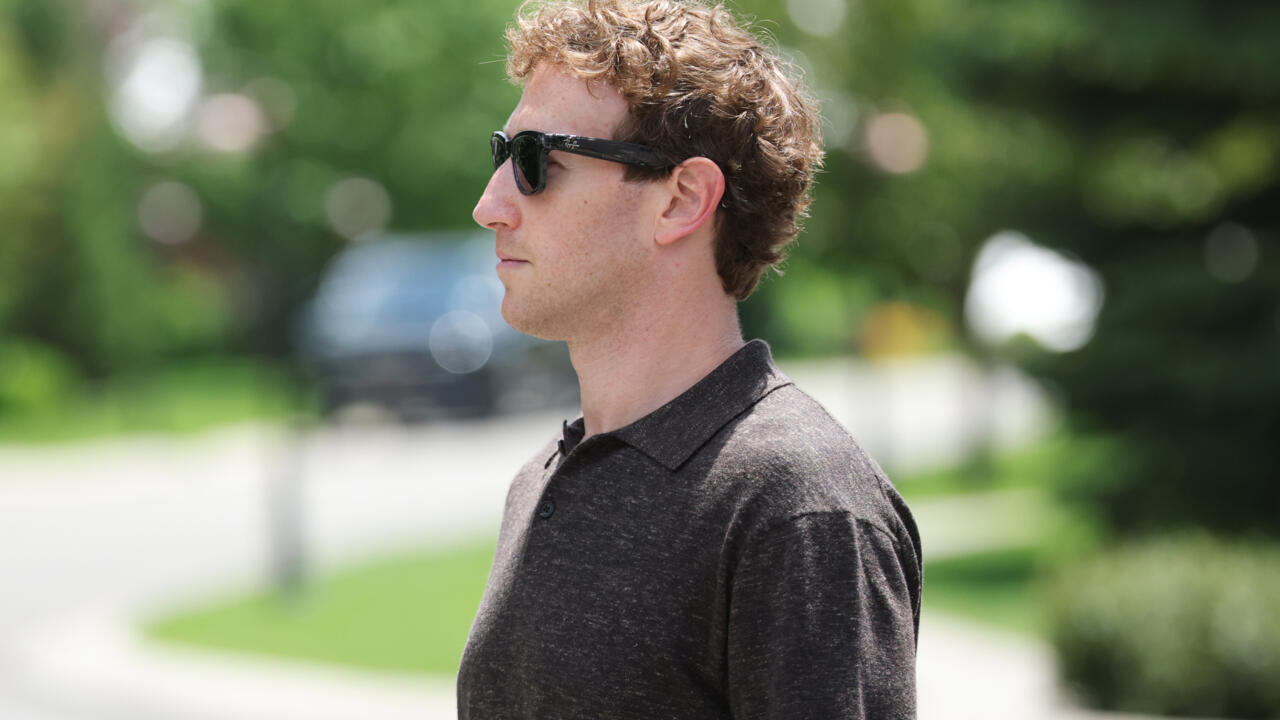
His company could have worked toward this future after its rebranding as Meta in 2021. Instead, it became the prime purveyor of Meta Glasses, dubbed "pervert glasses" by detractors for flouting people's privacy expectations.The purpose of Zuck's post is to "develop a philosophy for how we can best use superintelligence to ensure it improves all of our lives, work, communities, freedom and safety."He declares, "The defining questions of our age are who will have access to superintelligence and what will we direct it towards. Will it be centralized and restricted to a few institutions, or will it be a tool that empowers everyone?"Beyond the fact that "superintelligence" is undefined, he overstates the importance of AI in the scheme of things. Centralization and access may be defining questions for AI policy, but AI policy exists in a global context that invites tougher inquiries.Here are a few that come to mind: Who will have access to the world's wealth and to what portion of it? Who will have access to water, food, and healthcare? Where will human rights be respected? Where will democracy survive? Where will the rule of law thrive? Where will people have access to affordable justice? What will constrain technology from becoming a tool of tyranny? What will constrain public discourse that sows dissension and promotes harm?Hey, Siri, what's the answer to humanity's problems?The initial 700 words or so of Zuck's call for Pollyannaish AI groupthink lean into banal generalizations. We'll spare you the line-by-line critique but take, for example, "All new technologies create opportunities and challenges." That's true but also not very insightful. We leave it as an exercise to the reader to ask Meta's latest AI model to produce a more trenchant formulation of Zuck's all-in-for-AI utopianism.