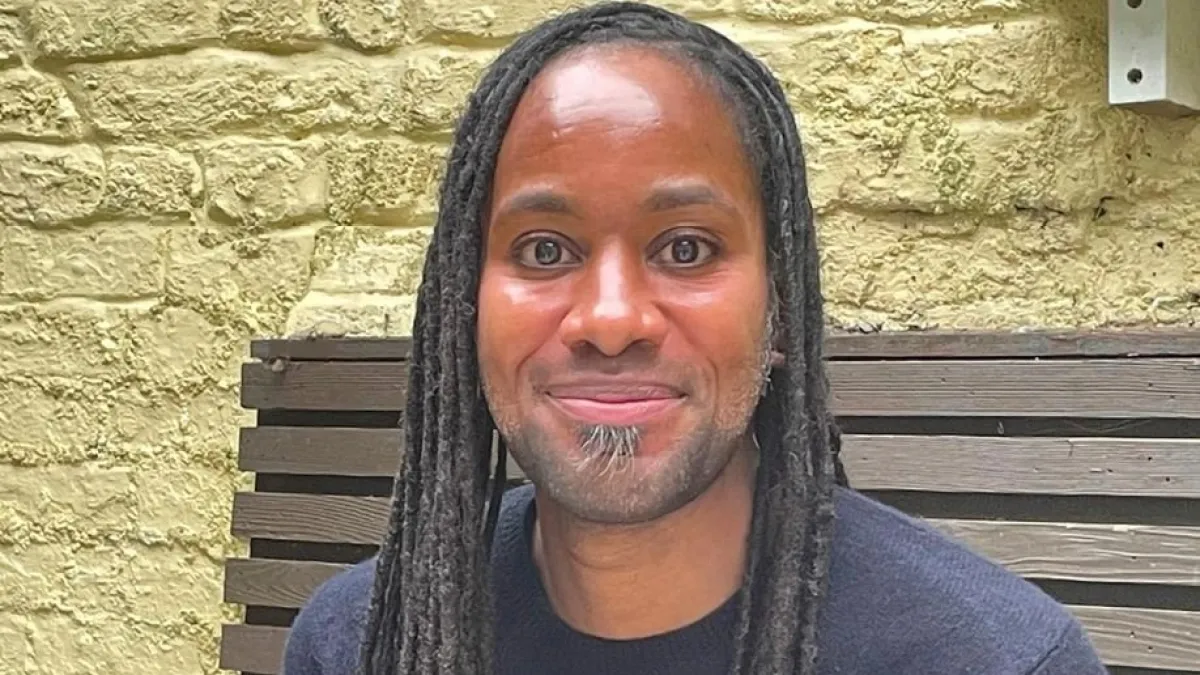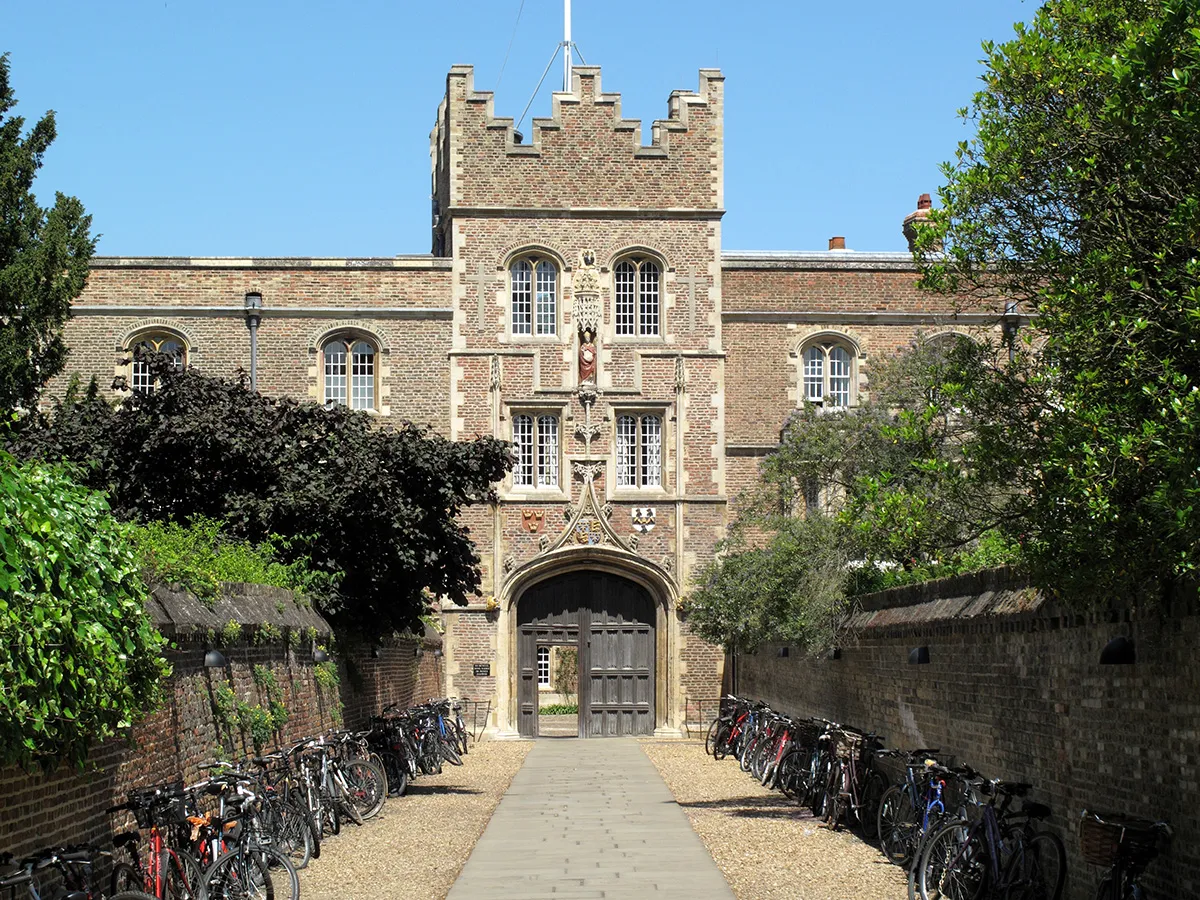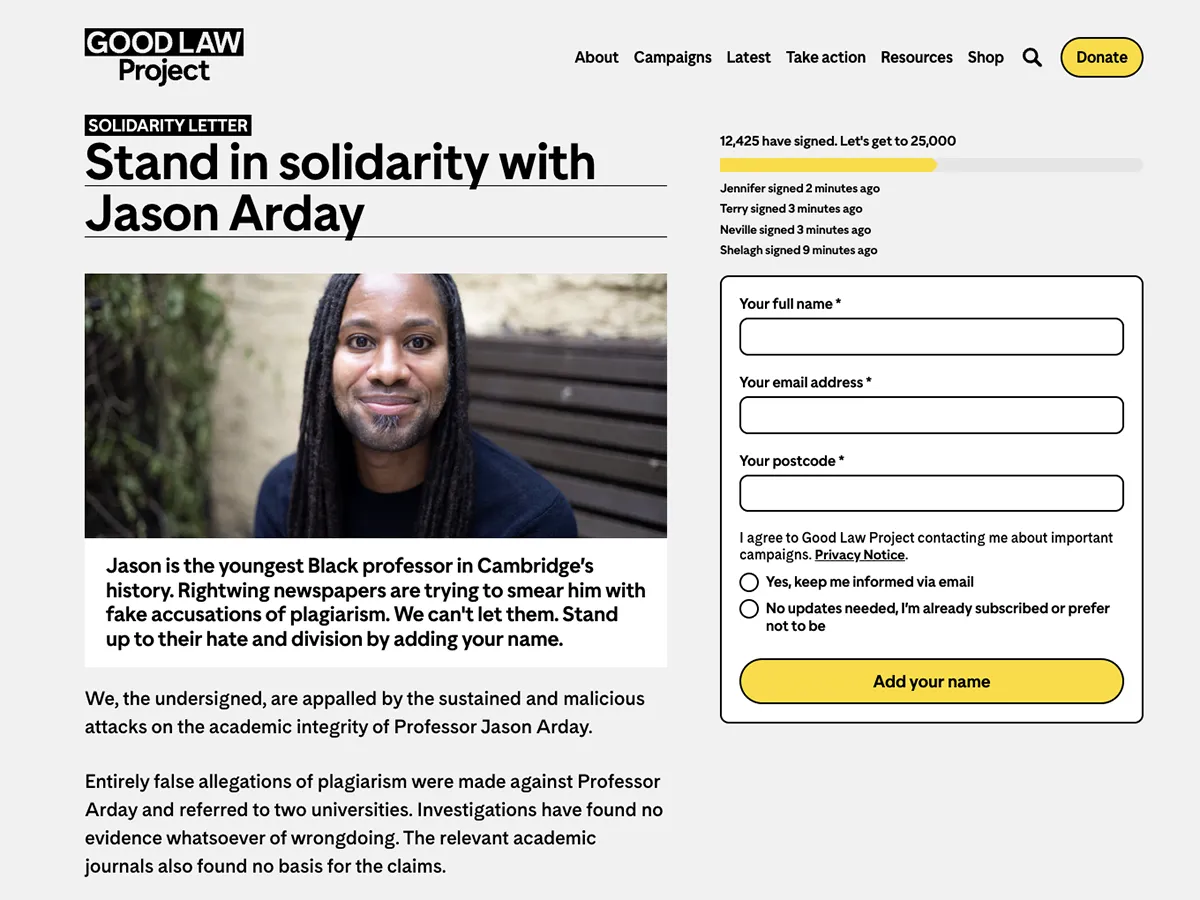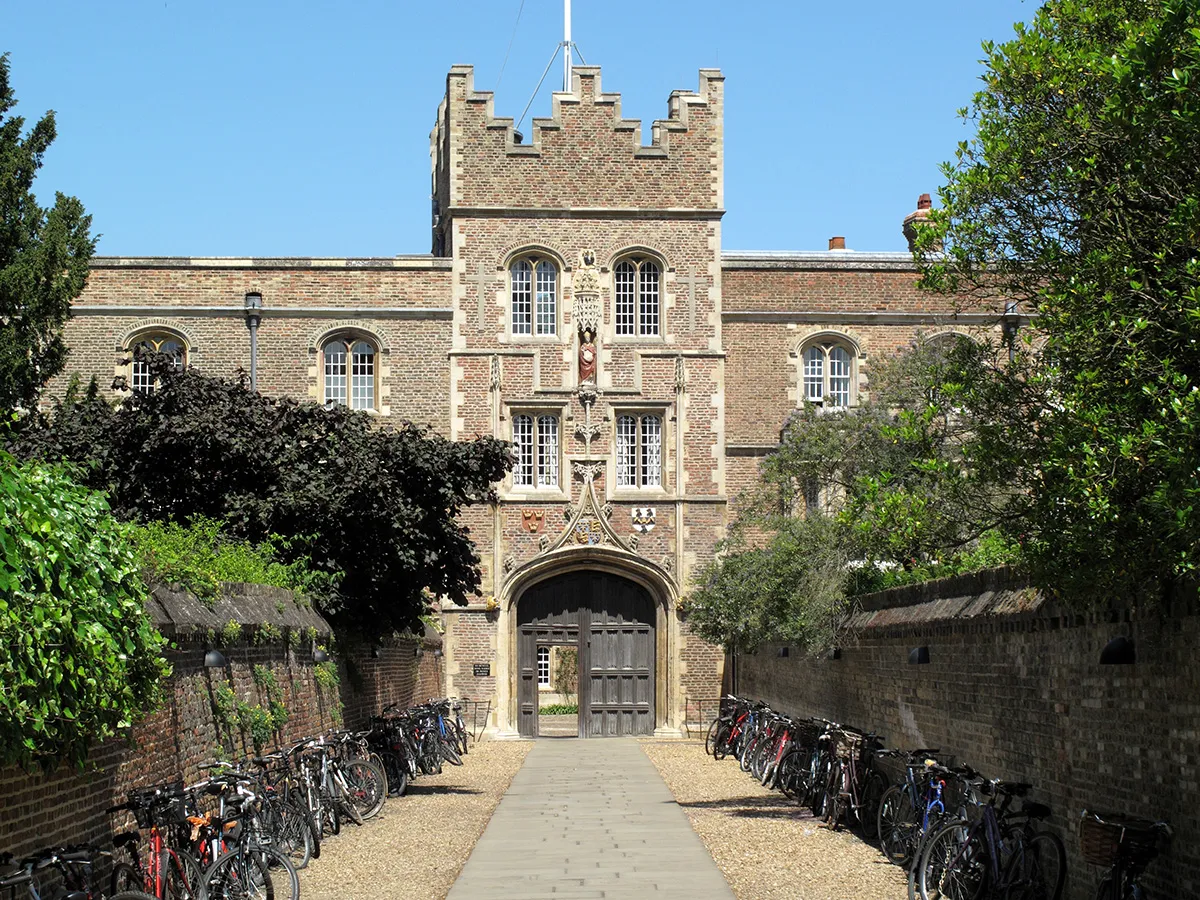
Skip to Content Subscribe Our Offers My Account Manage My Subscriptions FAQ Newsletters Canada Canadian True Crime Canadian Politics Health World Israel & Middle East Financial Post NP Comment Longreads Puzzmo Diversions Comics NP News Quiz New York Times Crossword Horoscopes Life Eating & Drinking Style Sponsored Play for Ontario Travel Travel Canada Travel USA Travel International Cruises Travel Essentials Culture Books Celebrity Movies Music Theatre Television Business Essentials Advice Lives Told Tails Told Shopping Buy Canadian Home Living Outdoor Living Kitchen & Dining Tech Style & Beauty Personal Care Entertainment & Hobbies Gift Guide Travel Guide Amazon Prime Day Deals Savings National Post Store More Sports Hockey Baseball Basketball Football Soccer Golf Tennis Driving Vehicle Research Reviews News Gear Guide Obituaries Place an Obituary Place an In Memoriam Classifieds Place an Ad Celebrations Working Business Ads Archives Healthing Epaper Manage Print Subscription Profile Settings My Subscriptions Saved Articles My Offers Newsletters Customer Service FAQ Newsletters Canada World Financial Post NP Comment Longreads Puzzmo Diversions Life Shopping Epaper Manage Print Subscription HomeNP CommentPeter MacKinnon: Cambridge missteps in handling of scandal over alleged plagiarismPrestigious university eroded trust by not immediately investigating allegations against Prof. Jason ArdayLast updated 23 minutes ago You can save this article by registering for free here. Or sign-in if you have an account.Cambridge University's Jesus College where Jason Arday was a fellow. Arday has resigned following allegations that he plagiarized part of his PhD thesis. Cambridge originally said the professor was the victim of a "vile campaign," before deciding to investigate. Photo by Adobe StockThere is clear and convincing evidence of declining trust in western universities, and restoring it requires that their leaders ask a fundamental question: what does trust require of us? In administration, teaching and research, recruitment and retention, protecting our campuses and all who come lawfully to them — what does trust require? As places of free inquiry, are they built on trust?Enjoy the latest local, national and international news.Exclusive articles by Conrad Black, Barbara Kay and others. Plus, special edition NP Platformed and First Reading newsletters and virtual events.Unlimited online access to National Post.National Post ePaper, an electronic replica of the print edition to view on any device, share and comment on.Daily puzzles including the New York Times Crossword.Support local journalism.Enjoy the latest local, national and international news.Exclusive articles by Conrad Black, Barbara Kay and others. Plus, special edition NP Platformed and First Reading newsletters and virtual events.Unlimited online access to National Post.National Post ePaper, an electronic replica of the print edition to view on any device, share and comment on.Daily puzzles including the New York Times Crossword.Support local journalism.Create an account or sign in to continue with your reading experience.Access articles from across Canada with one account.Share your thoughts and join the conversation in the comments.Enjoy additional articles per month.Get email updates from your favourite authors.Create an account or sign in to continue with your reading experience.Access articles from across Canada with one accountShare your thoughts and join the conversation in the commentsEnjoy additional articles per monthGet email updates from your favourite authorsSign In or Create an AccountorTrust is the confidence that policies and practices reflect reasons why universities exist and receive wide public support. It does not end precipitously; it erodes over time because of repeated failures to earn and maintain this confidence. There are many examples of where this has happened in the modern era.The National Post newsletter that doesn’t hold back, giving readers the unvarnished truth on media, politics and culture.By signing up, you consent to receive the above newsletter from Postmedia Network Inc.A welcome email is on its way. If you don't see it, please check your junk folder.The next issue of Right? will soon be in your inbox.We encountered an issue signing you up. Please try againThe latest example is that of Cambridge professor Jason Arday, a Black professor of the sociology of education. With a PhD from Liverpool’s John Moores University, he made claims about his history, mental and physical struggles, athleticism and philanthropy that have been widely celebrated in the media and at Cambridge. They have also been contested, and have been joined by an accusation of plagiarism in his PhD thesis.The divides are predictable. Arday’s supporters see the questions and criticisms as the playing out of racism; his critics see his supporters as avoiding unsettling questions that bear on his employment and reputation.The question here is not whether the claims about Arday are true. The question is whether there is sufficient reason to enquire further and to determine whether or not they are accurate. With respect to plagiarism, the basic rule in the academic world is that you must not pass on another’s work as your own. The case against Arday does not rest on rumour or innuendo; it rests on a comparison between his PhD thesis and the work of other scholars. Cambridge’s initial claim that Arday’s thesis was at another university (John Moores) and that the issue was for that university to determine, was not convincing.Allegations of plagiarism must be carefully investigated but the evidence is available and, if the allegation against Arday is confirmed, it affects his credibility and place of employment, as well as that of the university that awarded his PhD.The claims about history, mental and physical struggles, athleticism and philanthropy are of a different order. They may be material to his employability though their immediate impacts are on character and reputation, and, if proven, on his credibility and stature as a Cambridge professor.On Aug. 5 Cambridge reversed its initial position that Arday was “the victim of a vile campaign” and announced that it “had begun an investigation following new information about Prof. Arday’s academic qualifications and honorary appointments.” Following the announcement, Arday resigned from the university.When we ask the question that opens this column (what does trust require from the University) this is the answer, and better late than never. Universities cannot remain silent and walk away from problems they encounter; the restoration of trust requires that they act.National PostPeter MacKinnon has served as the president of three universities and is a senior fellow of the Macdonald-Laurier Institute and the Aristotle Foundation. Join the Conversation This website uses cookies to personalize your content (including ads), and allows us to analyze our traffic. Read more about cookies here. By continuing to use our site, you agree to our Terms of Use and Privacy Policy.
Peter MacKinnon: Cambridge missteps in handling of scandal over alleged plagiarism
Prestigious university eroded trust by not immediately investigating allegations against Prof. Jason Arday
1,065 words~5 min read