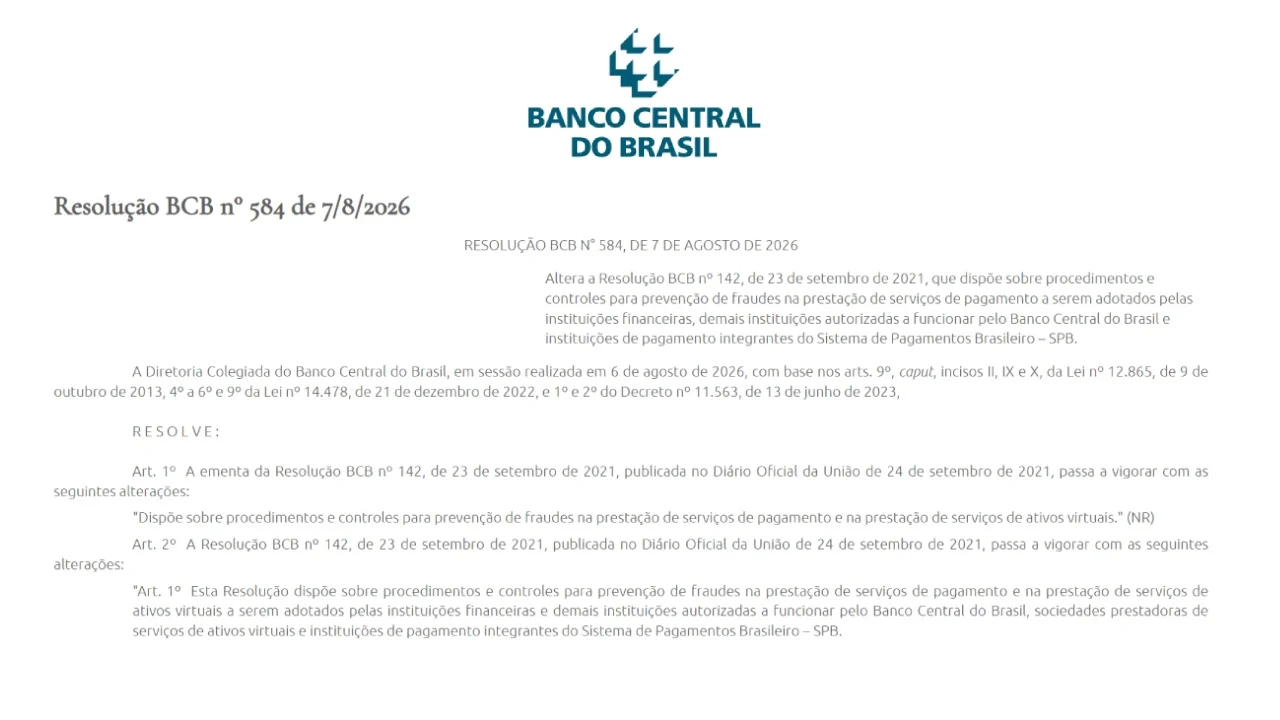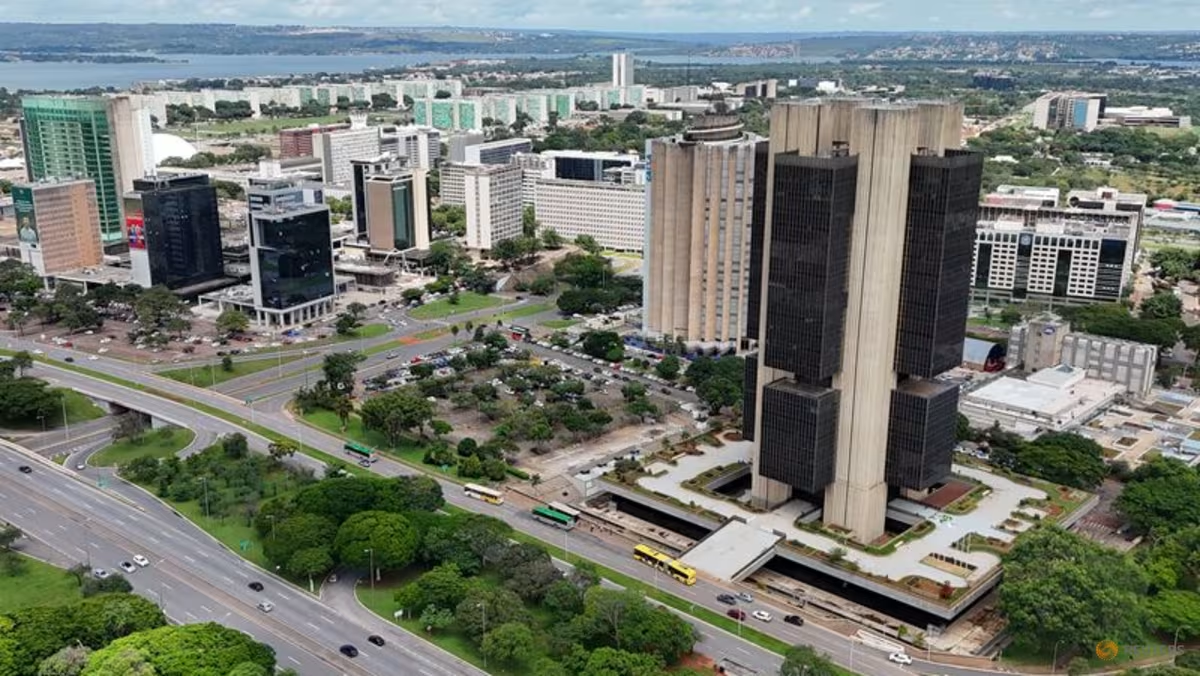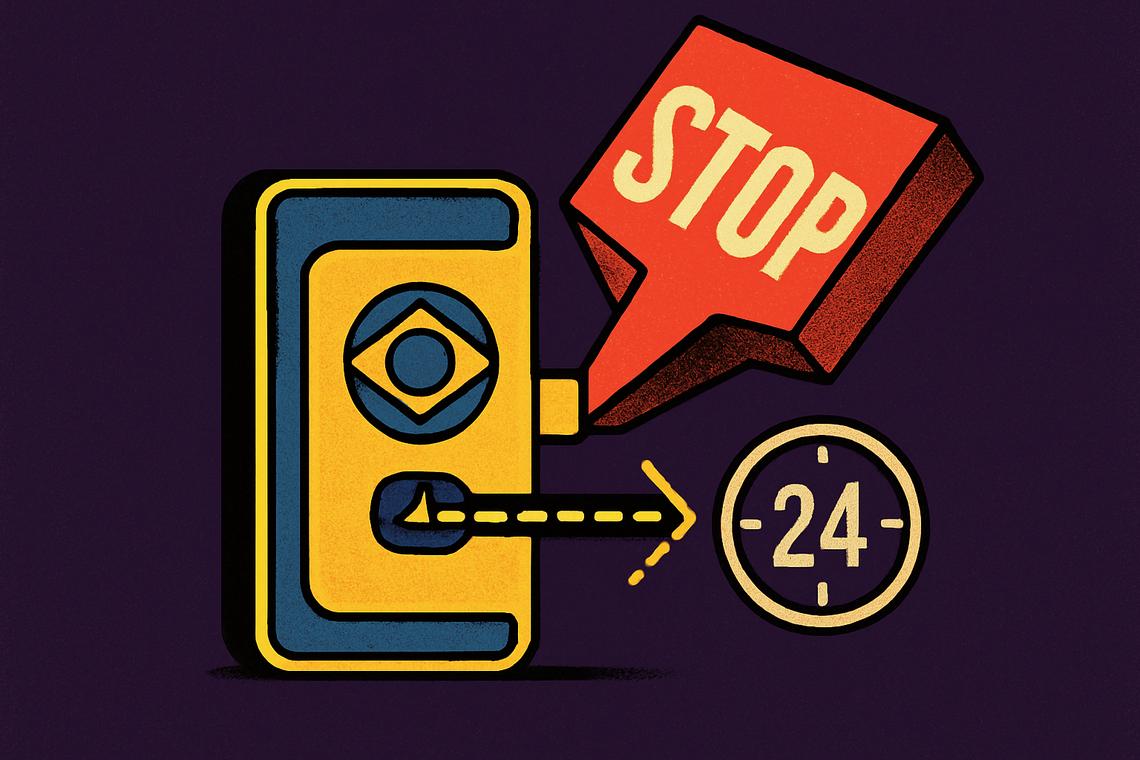
Brazil’s central bank has drawn a line in the sand for the country’s crypto industry. Every virtual asset service provider operating in the country must obtain a formal license by October 30, 2026, or face complete disconnection from the nation’s banking infrastructure.
The new rulebook
The Banco Central do Brasil (BCB) published three resolutions, numbered 519, 520, and 521, establishing a formal licensing regime for virtual asset service providers. The framework designates licensed operators as SPSAVs and takes effect on February 2, 2026, giving existing firms roughly nine months to get their paperwork in order before the October cutoff.
The consequences for missing the deadline are severe. After October 30, BCB-supervised banks and payment institutions will be prohibited from providing services to any unlicensed crypto operator. That means no fiat on-ramps, no banking relationships, no participation in the formal financial system.
Licensed operators must segregate client assets from their own, submit to independent audits, implement cybersecurity protocols, and maintain minimum capital reserves. For custodian VASPs, that capital requirement sits at approximately R$37.2 million.