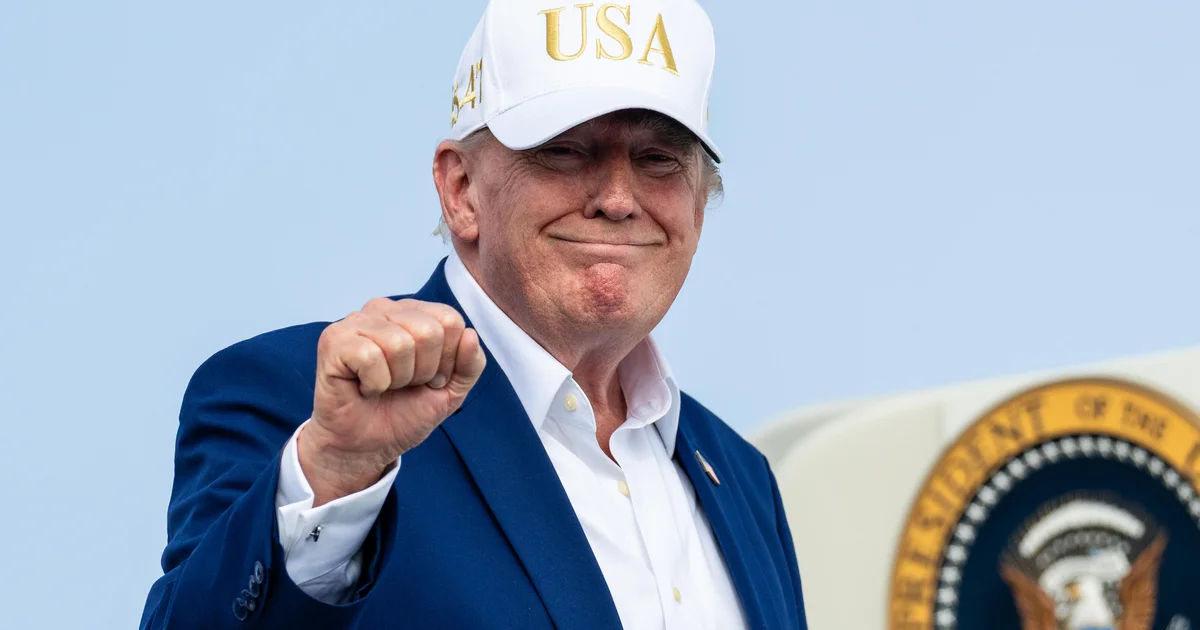
The phrase “only semi-negotiating” is not typically what markets want to hear when roughly a fifth of the world’s daily oil supply hangs in the balance. But that’s exactly how President Trump characterized his administration’s approach to Iran on August 9, dismissing Tehran’s demands for war reparations and other concessions as “totally unacceptable” and effectively freezing talks aimed at fully reopening the Strait of Hormuz.
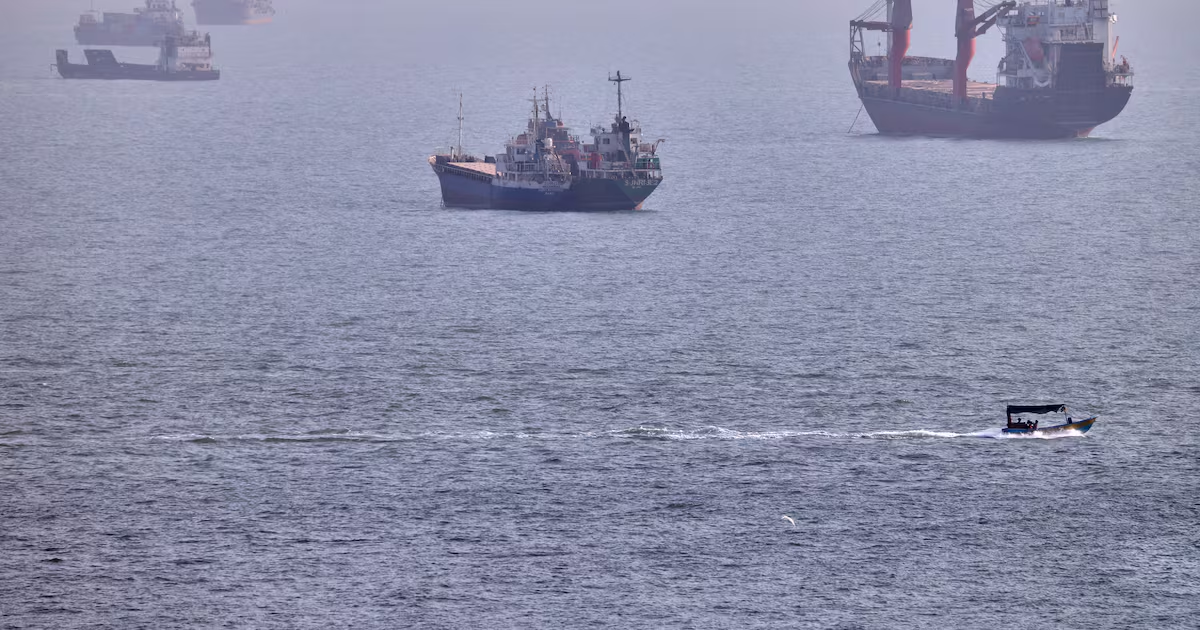
Brent crude responded predictably, climbing more than 1% to surpass $84 per barrel. The strait, a narrow chokepoint between Iran and Oman, remains one of the most consequential pieces of water on earth for global energy markets, and right now nobody seems close to unclogging it.
What Iran wants, and what the US won’t give
Iran’s list of preconditions for reopening the strait reads like a comprehensive wish list. Tehran is demanding war compensation, a full end to the US naval blockade, broad sanctions relief, the release of frozen Iranian assets, and formal recognition of its sovereignty over the strait itself.
Trump’s rejection was blunt. By describing the counter-proposals as totally unacceptable, the president signaled that the US sees no reason to make major concessions from its current position of military dominance in the region. The US reportedly has more than 20 warships deployed to enforce its blockade, a show of force that gives Washington little tactical incentive to budge.