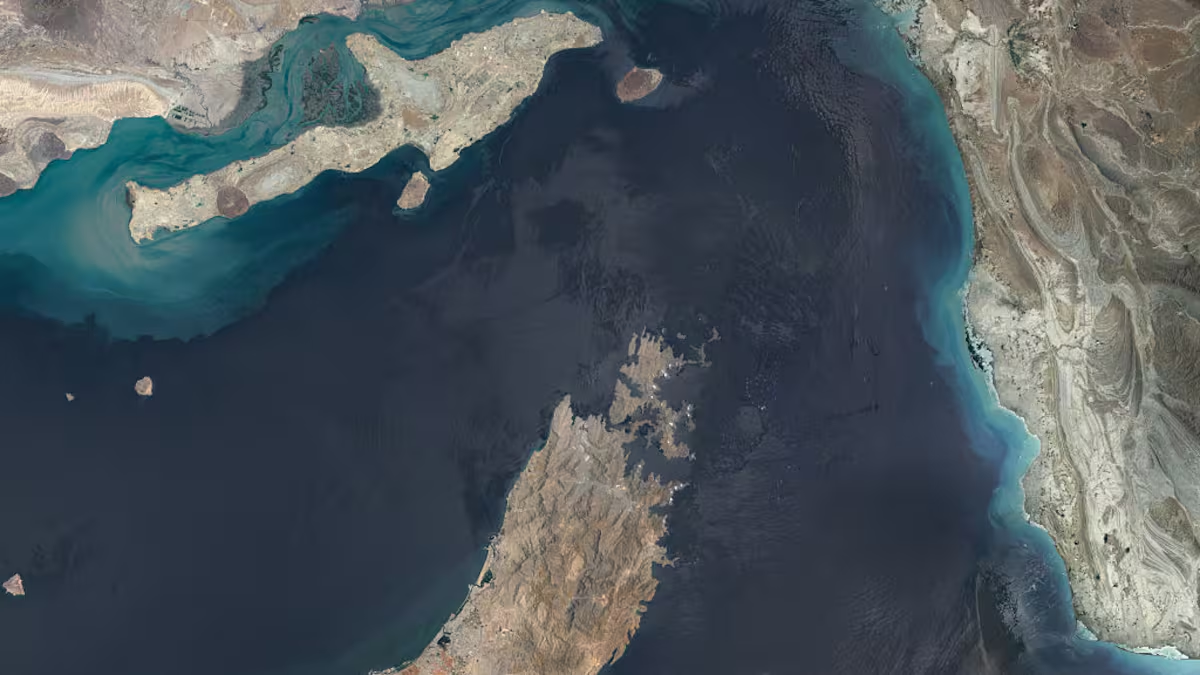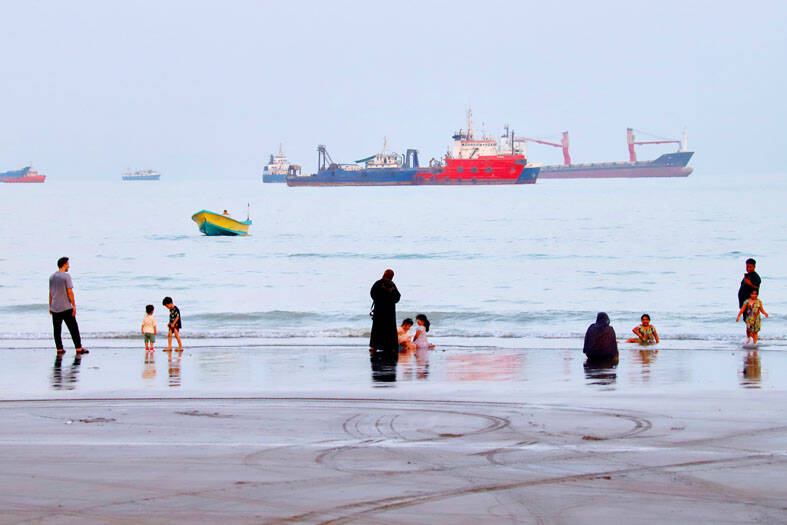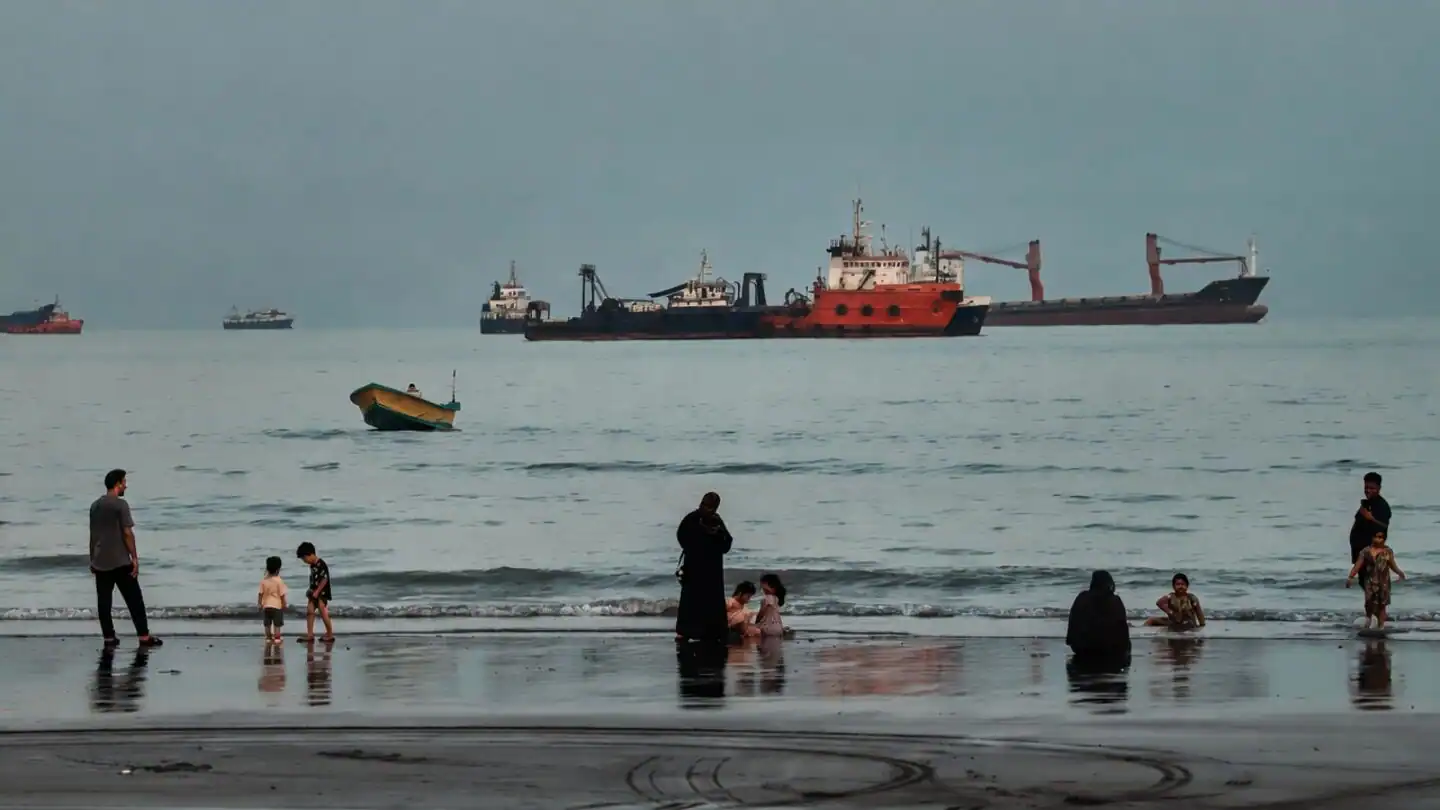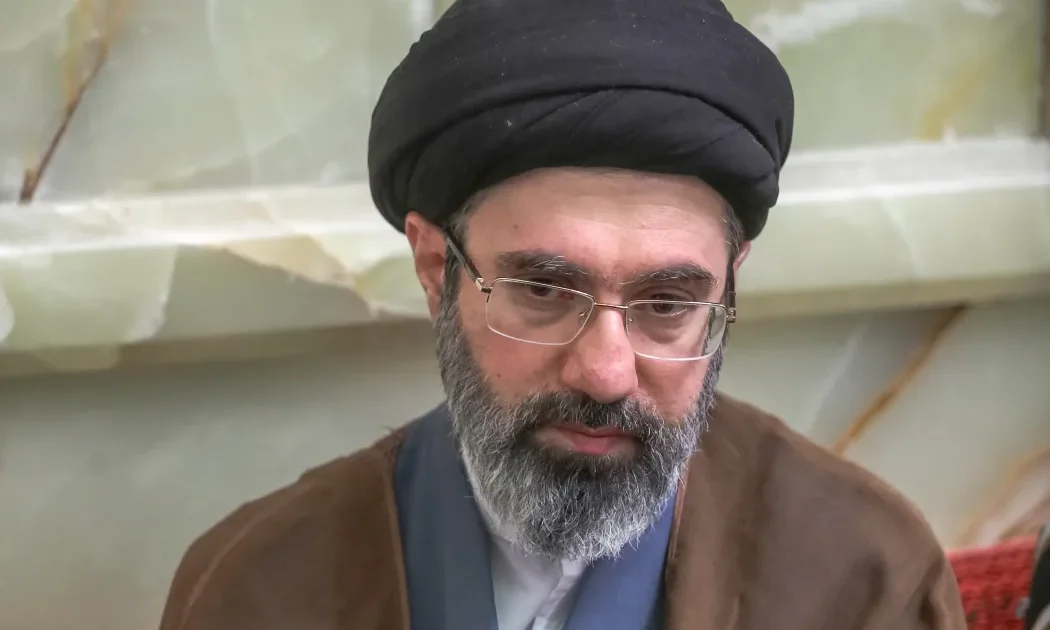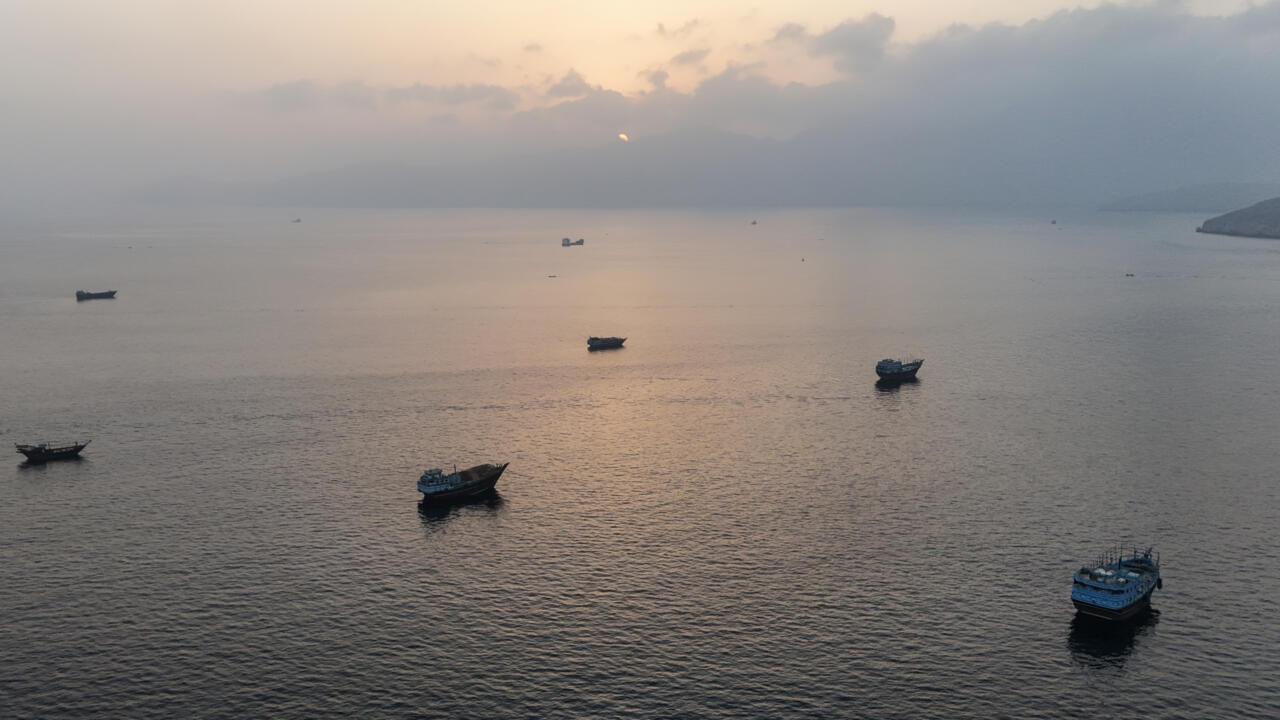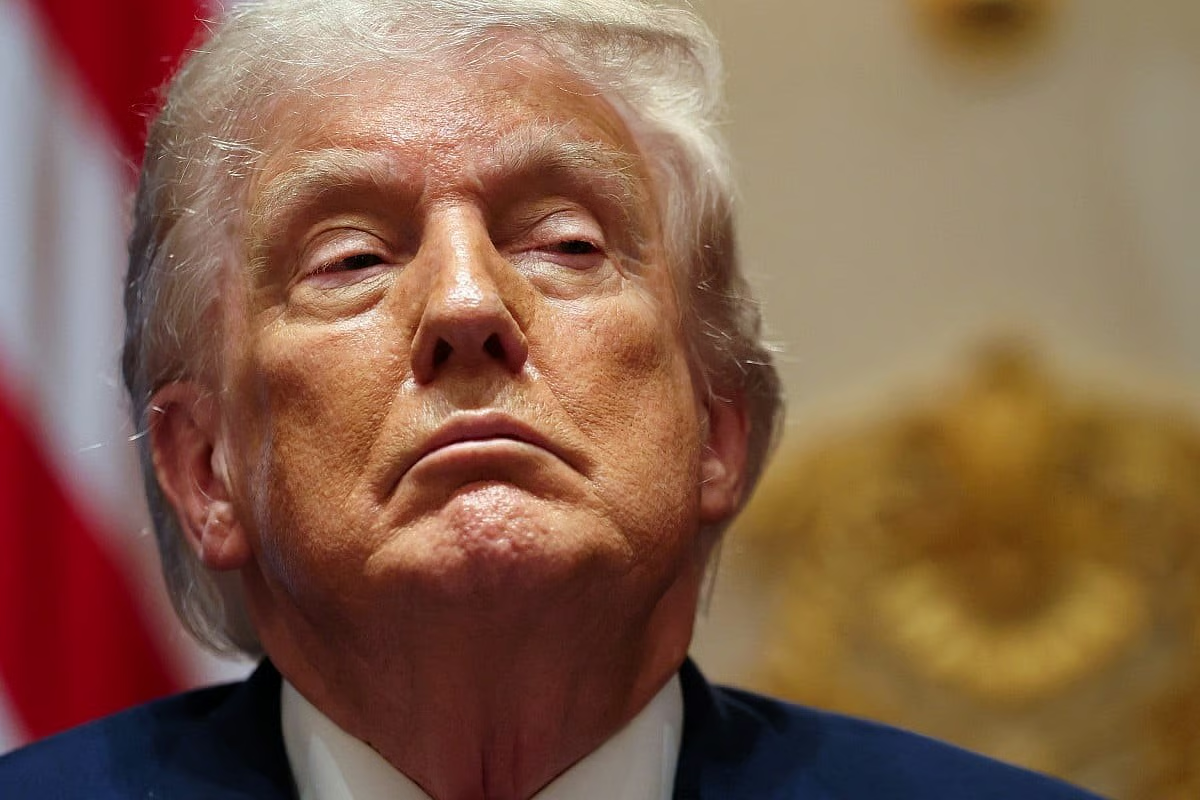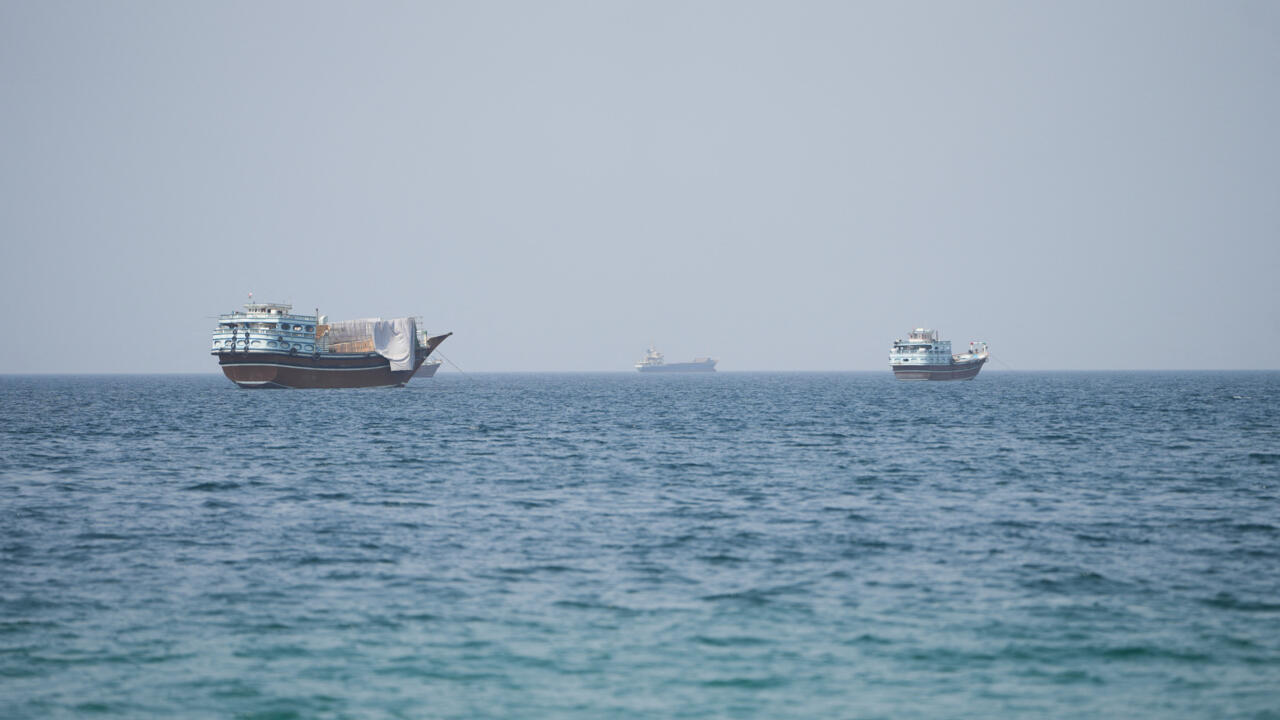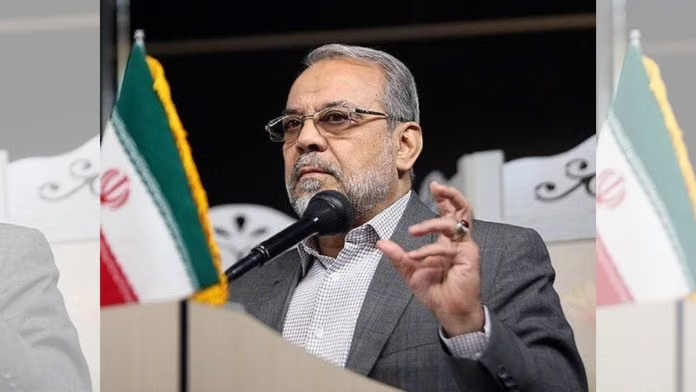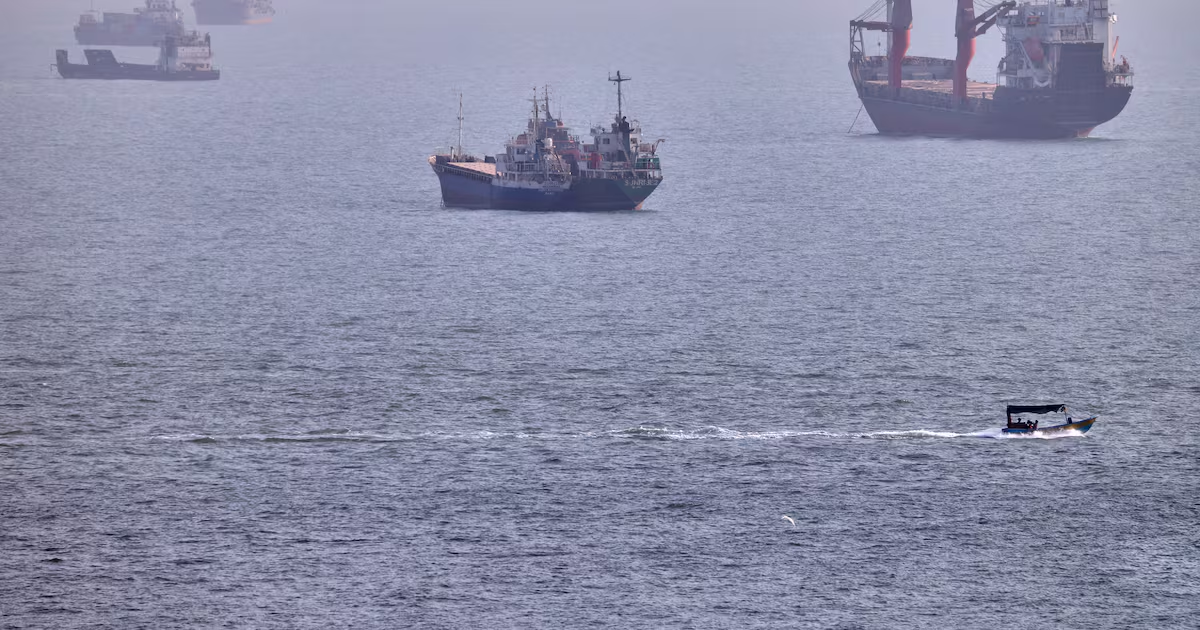
Iran has warned that it will not reopen the Strait of Hormuz unless the United States meets a series of conditions, including paying Tehran compensation for war damage, complicating Donald Trump’s push to get ships moving through the vital waterway.The hardening rhetoric from Tehran over the weekend came days after Iranian diplomats said they were in the final stages of reaching a provisional arrangement with Oman to manage shipping through the strait. It underscores the deep distrust between the US and Iran, and the challenges of securing a diplomatic breakthrough to ease hostilities in the region.Diplomats hoped that an Iran-Oman deal would lead to the reopening of the vital artery for global energy flows, de-escalate tensions between the US and Iran and get the warring parties to return to talks on a final settlement to end the war.Iranian foreign minister Abbas Araghchi repeated on Sunday that Iran’s talks with Oman were in the final stages. But he said this would not necessarily mean the waterway – which has become the key battleground between Iran and the US – would reopen.“The agreement with Oman may happen, but reopening the strait is conditional on a number of requirements,” Araghchi said. “To us, there is no possibility of resuming the negotiations [with Washington] so long as the US fails to compensate for what it has violated.”[ Binyamin Netanyahu rejects US’s Gaza plan and vows no withdrawal until Hamas disarms ]His comments came a day after Mohammad Bagher Zolghadr, secretary of Iran’s powerful Supreme National Security Council, said for the strait to open the US should withdraw its forces from the vicinity of the republic, pay compensation for war damage and lift its sanctions.Zolghadr is considered a hardliner and there were unconfirmed reports in some Iranian media outlets this week that he had resigned, which hinted at differences among Iran’s leadership.Any deal on the strait has to be approved by the security council and Ayatollah Mojtaba Khamenei, the supreme leader.Since the US and Israel ignited the war in February, Tehran has come to consider the chokepoint – through which about a fifth of the world’s oil and gas passed before the war – as its main source of leverage and is determined to retain control of it.The US president, meanwhile, has pushed for the waterway to be fully reopened as he seeks to reduce high fuel prices in advance of November’s midterm elections.The US and Iran signed a memorandum of understanding in June that was meant to extend a ceasefire and allow shipping to gradually return to its prewar levels, toll-free.But the MoU collapsed after Iran targeted ships transiting through a channel along Oman’s coast. Tehran said the ships were using an “unauthorised” route. The attacks triggered a wave of escalatory tit-for-tat strikes between the US and Iran.The hostilities eased as Iran held talks with Oman to agree on a temporary route through the waterway, which diplomats hoped would resolve the stand-off.Iranian foreign ministry officials said on Wednesday that Tehran had agreed with Muscat on the geographical coordinates for the new shipping route. But there have been few signs of progress since.The US has not been directly involved in the Iran-Omani talks, but has provided input through regional mediators.Sanam Vakil, at the Chatham House think tank, said the shifting rhetoric from Iran suggested regime hardliners wanted more precise guarantees from the US because they were distrustful of Trump and wary he would use any pause to prepare for a new round of war.She said there were tensions within the Iranian ruling system over how to proceed, likening it to differences within the US administration between those who want to pursue diplomacy and those pushing to escalate the war.“You have a group in the Iranian system that is paranoid and suspicious,” Vakil said. “Then you have pragmatists in the American and Iranian systems who recognise the risk of another round of war and think diplomacy is the best way. But the pragmatists in the Iranian system don’t have sufficient decision-making power.” Among the Iranian pragmatists is president Masoud Pezeshkian, a reformist who also chairs the security council and on Saturday advocated for a deal on the strait.He said it was “the best time to reach an agreement since there is cohesion, strength and unity in the country”.“We cannot fight forever. It has to be brought to an end at some point,” said Pezeshkian, who recently met Khamenei, according to the supreme leader’s office.But General Hossein Mohebbi, a spokesman for Iran’s Revolutionary Guards, said the reopening of Hormuz was contingent upon the US accepting Tehran’s conditions.“For us, the Strait of Hormuz is not simply an economic waterway. It is a component of our geographical and strategic power,” Mohebbi told reporters.One person briefed on talks said that if Iran and Oman did strike a deal and the strait was reopened, then the US would lift its naval blockade of Iranian ports and reinstate a waiver to allow Tehran to sell oil.They said mediators were still hopeful that a deal was in reach.Diplomats hope that if Iran and Oman seal a deal, it would revive the June MoU and lead to the resumption of talks on a final settlement to end the war.The MoU stated that the US would lift all sanctions if a final settlement was agreed, including a deal on Iran’s nuclear programme. Washington would also “remove its forces from the proximity” of the republic within 30 days after a final agreement. Copyright The Financial Times Limited 2026
Iran says US must meet new conditions before Strait of Hormuz reopens
Tehran wants war compensation from Washington ‘for what it has violated’
912 words~4 min read