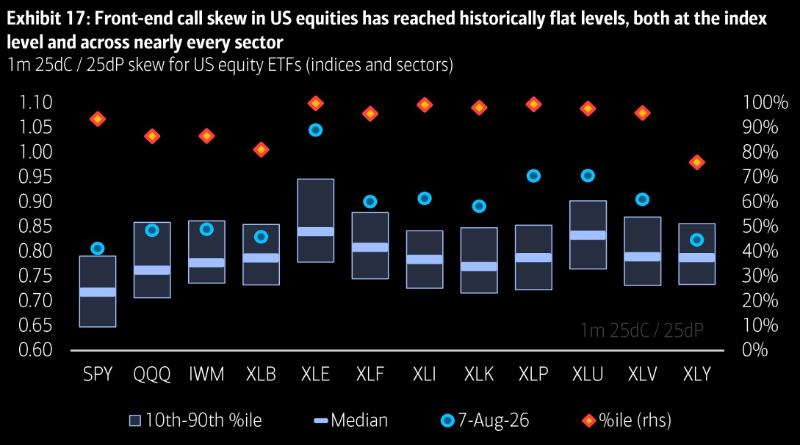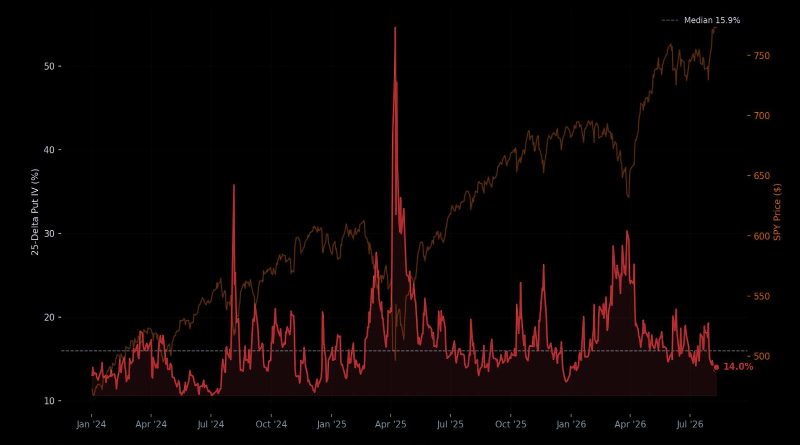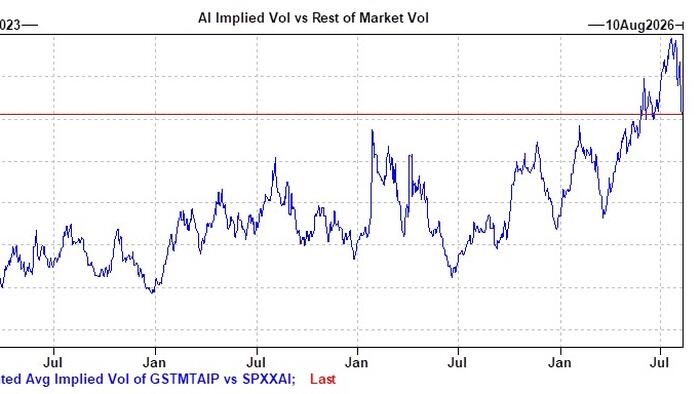
Options traders are pulling off their crash helmets and strapping on jet packs. The SPX volatility skew, a measure of how much more expensive downside protection is relative to upside bets, just collapsed to levels not seen since mid-2024. The shift reflects a market that has decided, at least for now, that the bigger risk is missing the rally rather than getting caught in a downturn.
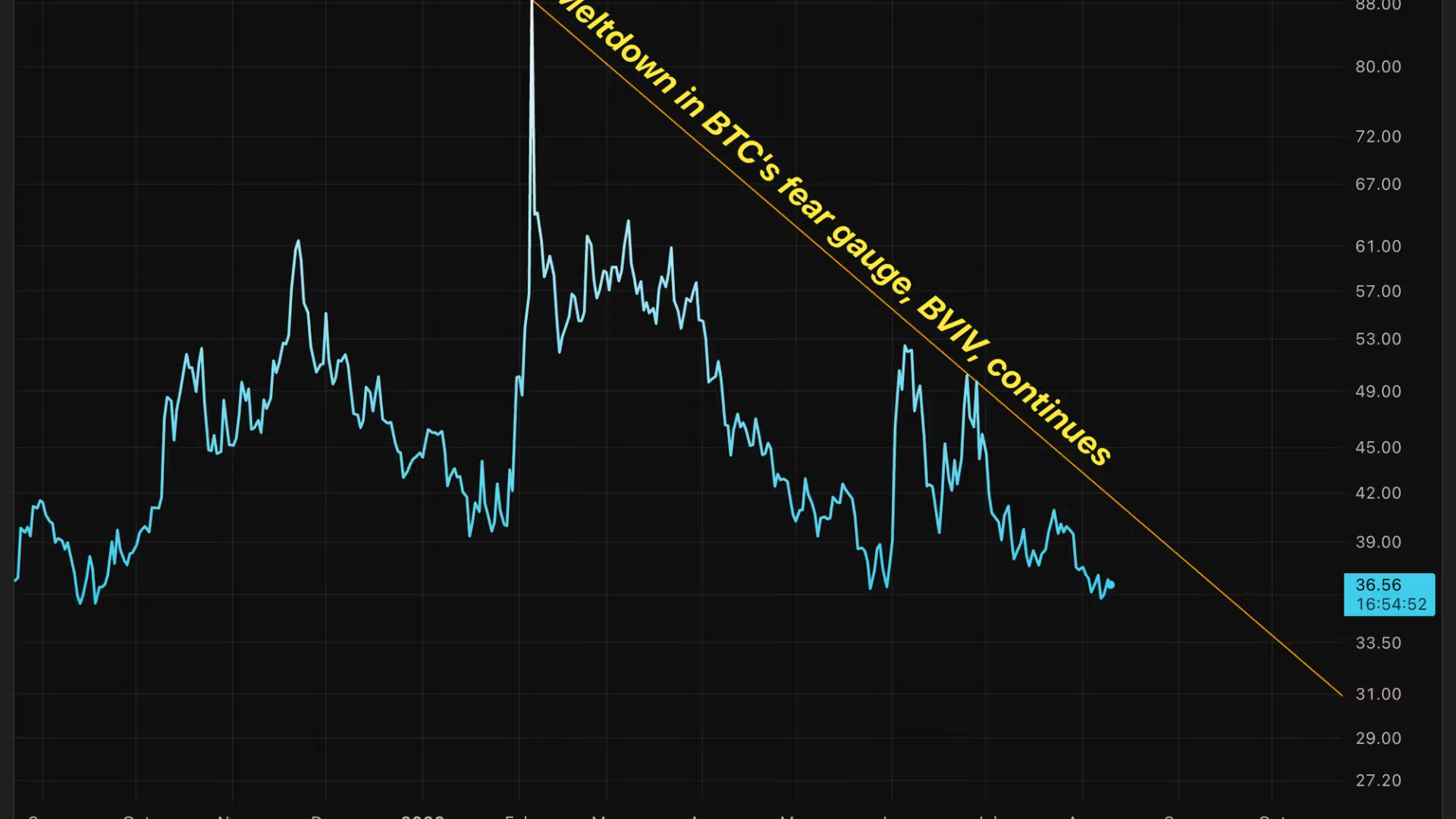
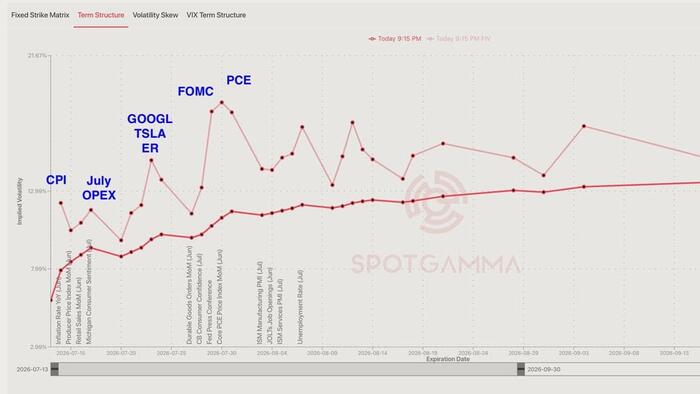
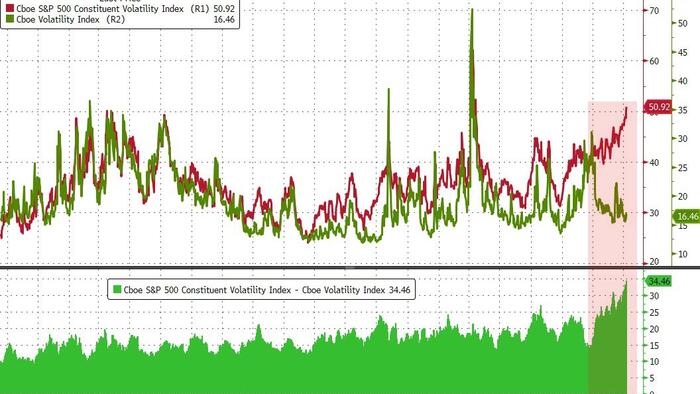
Implied volatilities declined broadly across most asset classes last week, with one notable exception: gold, where both volatility and skew moved higher.
Traders swap puts for calls
The SPX 1-month skew, measured by the 25-delta ratio, fell to multi-month lows as market participants actively sold their downside hedges. In practical terms, that means the premium traders were paying to insure against a market drop shrank significantly relative to the cost of betting on further gains.
The Cboe’s Macro Volatility Digest noted that the skew compression was driven by active selling of protective put positions and simultaneous buying of upside calls. Traders weren’t just letting their insurance lapse. They were cashing it in and redeploying the capital into bullish bets.