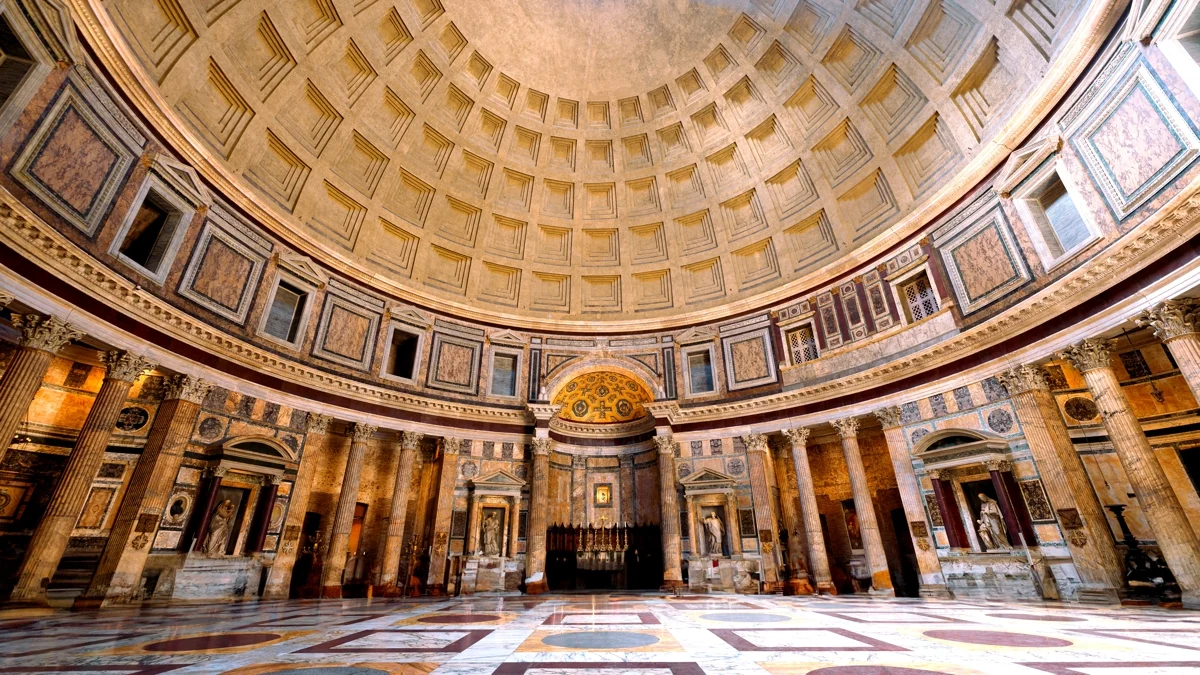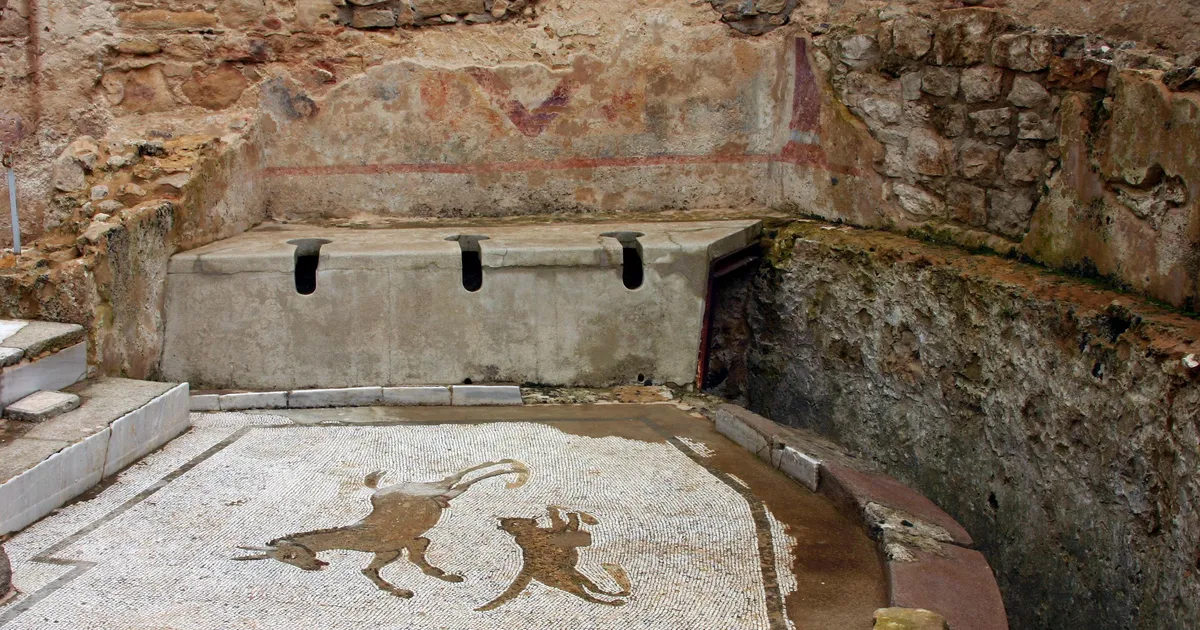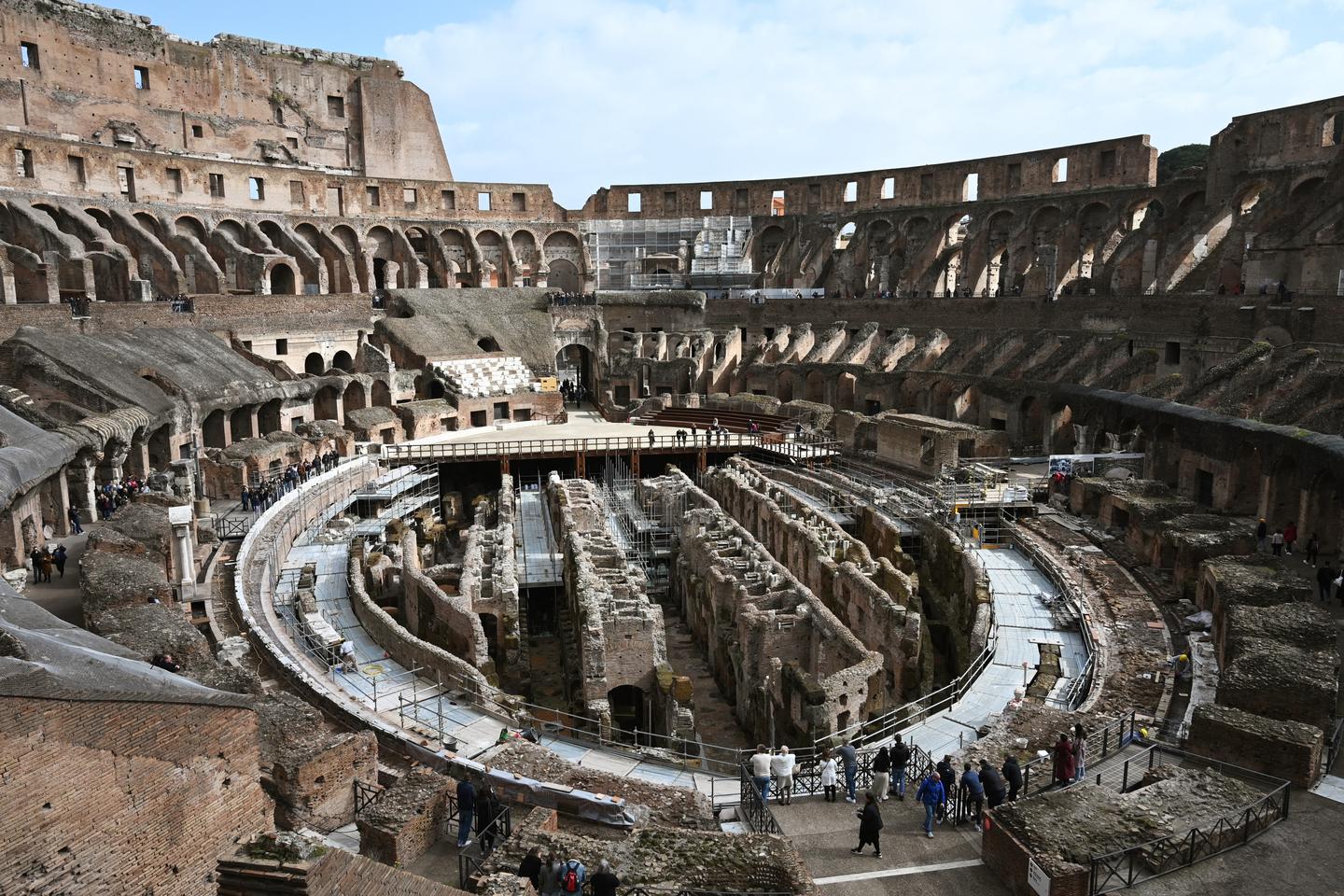
Before social media, there was ancient Rome, where building to separate created the first metropolis of lonelinessFor our ancestors, separation from the tribe often carried fatal consequences. A lone individual faced constant threats from predators, starvation, and exposure to the elements. Through natural selection, loneliness evolved as a vital internal alarm, a biological warning that social bonds were weakening and survival was at risk. Like hunger or thirst, loneliness was nature's way of driving us back toward the safety of the group and for millennia, human societies were structured to answer that call. From hunter-gatherer bands to agrarian villages, life was anchored in daily interdependence. Within these small communities, anonymity was nonexistent. Everyone knew one another – their families, histories, and roles. Relentless proximity came at the cost of privacy, but it also provided a powerful psychological anchor. Everyone had their place within the group, and no one disappeared unnoticed. Over time, however, these small-group dynamics began to collapse under the weight of rapid urbanization. That man who talks in the bathNowhere was this shift more dramatic than in ancient Rome. As the Republic expanded from a city into a vast empire, the very fabric of the human community underwent radical transformation. Rome itself became the Western world's first cosmopolis, drawing hundreds of thousands into its densely packed capital. Displaced farmers, provincials seeking economic opportunities, and freedmen poured into the Eternal City, creating an unprecedented urban crush. At its peak in the 1st and 2nd centuries C.E., Rome is estimated to have had around a million inhabitants. For many, the sudden influx was likely psychologically disorienting. Amid a sea of strangers, Romans both new and original became the first in the West to experience anonymity amidst the crowd – stripped of traditional kinship networks, and left profoundly isolated in the ancient world's first brush with modern alienation.The city's architecture only deepened this sense of detachment. Rome was built less on a human scale than as a visual projection of imperial authority and expansionist ambition. Monumental structures loomed over narrow, choking alleyways, a deliberate design that reinforced the immensity of the Roman Empire and the insignificance of the individual. While wealthy elites could retreat to spacious, quiet domus, most Romans lived in cramped high-rise buildings called insulae. These apartment blocks could reach up to 70 feet in height, the maximum allowed by Augustus' decree. Forced to live alongside strangers from across the empire in cramped and overcrowded conditions, residents may have regarded those around them less as neighbors with whom they shared a community and more as part of the city's incessant background noise. Remains of the top floors of an insula near the Capitolium and the Insula dell'Ara Coeli in Rome Credit: Chabe01 / WikimediaRemains of the top floors of an insula near the Capitolium and the Insula dell'Ara Coeli in Rome Credit: Chabe01 / WikimediaSeneca vividly captured this experience while living directly above a public bathhouse, where the sounds of strangers penetrated the privacy of his flat: "Imagine now every kind of sound that can make one hate one's ears: I hear their groans, and then the sharp hissing whenever they let out the breath they have held. Or again, I may notice some lazy fellow content with a cheap and ordinary massage, and hear the smacking of a hand on his shoulders… Add to this the quarrelsome man, the thief caught in the act, the man who likes to hear his own voice in the bath." Seneca's story illustrates how the close physical proximity of Rome's inhabitants could erode the boundaries between private and public life. Juvenal presents a similar problem, yet on a much greater scale. He portrays Rome as a sleepless city, where constant movement made tranquility almost impossible. The crowded urban environment was particularly oppressive at night, when the noise of traffic and passing crowds kept residents from sleeping: "Here many a sick man dies from lack of sleep. For what rented rooms admit sleep? Sleep in Rome costs a fortune." The overpopulation of Rome produced a constant sensory presence from which individuals could scarcely escape. In this sense, physical proximity did not necessarily translate into social connection. The same density that brought hundreds of people into close contact could also make them feel intrusive, and even hostile to one another.Furthermore, the extreme concentration of people facilitated the rapid spread of disease, making Rome perpetually vulnerable to epidemic outbreaks. In his "Satires," Juvenal offers a grim portrayal of these living conditions, describing the perpetual fear that haunted the urban poor: the threat of their homes collapsing on them or of perishing in a fire while trapped inside. When a building burned down or crumbled, hundreds would instantly become homeless.To preserve their sanity, Romans learned to tune out the noise. Faces blurred into the background, and emotional detachment became a form of survival.An insula dating from the early 2nd century AD in the Roman port town of Ostia Antica
Loneliness before Reddit: Ancient Rome invented the architecture of alienation
Before social media, there was ancient Rome, where building to separate created the first metropolis of loneliness
1,854 words~8 min read