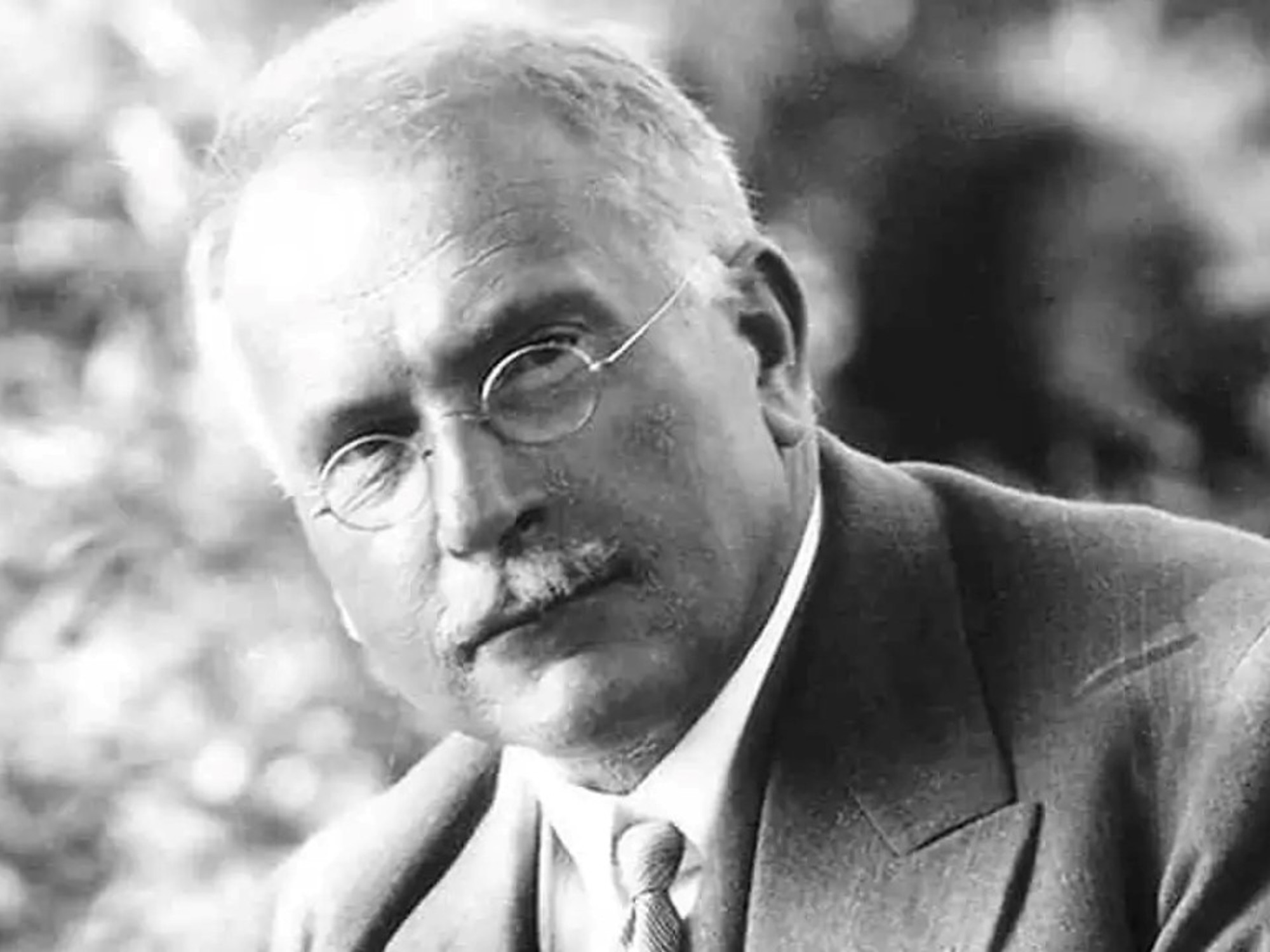
Far from being selfish, solitude strengthens self-understanding and deepens our capacity for meaningful connection, says the writer.
IN MODERN society, being alone is often framed as something to justify or avoid. Eating alone, travelling solo, or simply enjoying one’s own company can feel uncomfortable under social scrutiny. Yet, solitude is not synonymous with loneliness. In fact, intentionally choosing time with yourself can be one of the most nurturing acts of self-care.
Far from being selfish, solitude strengthens self-understanding and deepens our capacity for meaningful connection. Loneliness is commonly described as an unpleasant feeling of isolation or disconnection, but I have come to realise that it isn’t a physical state – it’s a psychological one.
Carl Jung articulated this distinction succinctly when he said: “Loneliness does not come from having no people around you, but from being unable to communicate the things that seem important to you.”
That insight resonated immediately. The loneliest moments of my life were not marked by the absence of people, but by the presence of misunderstanding. Feeling unseen, unheard, or emotionally unsafe while surrounded by others can be far more isolating than being alone. Loneliness is rarely about solitude itself. It is about feeling misunderstood – about carrying truths we have learnt to edit or suppress because we do not feel safe enough to express them.