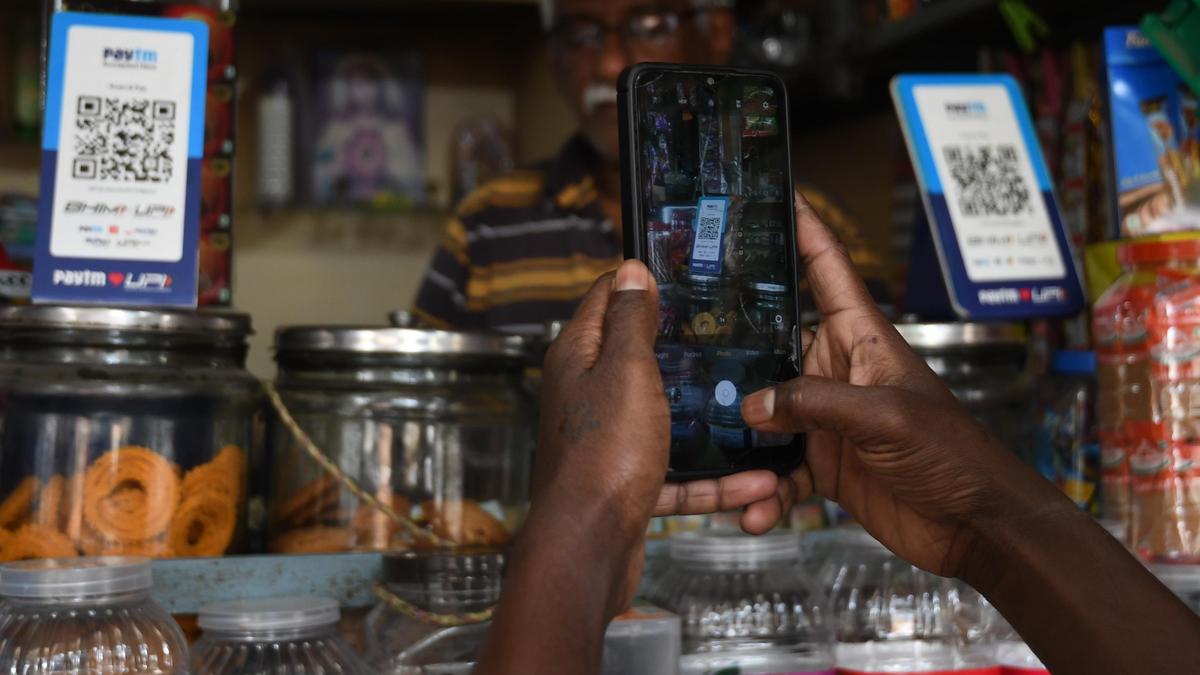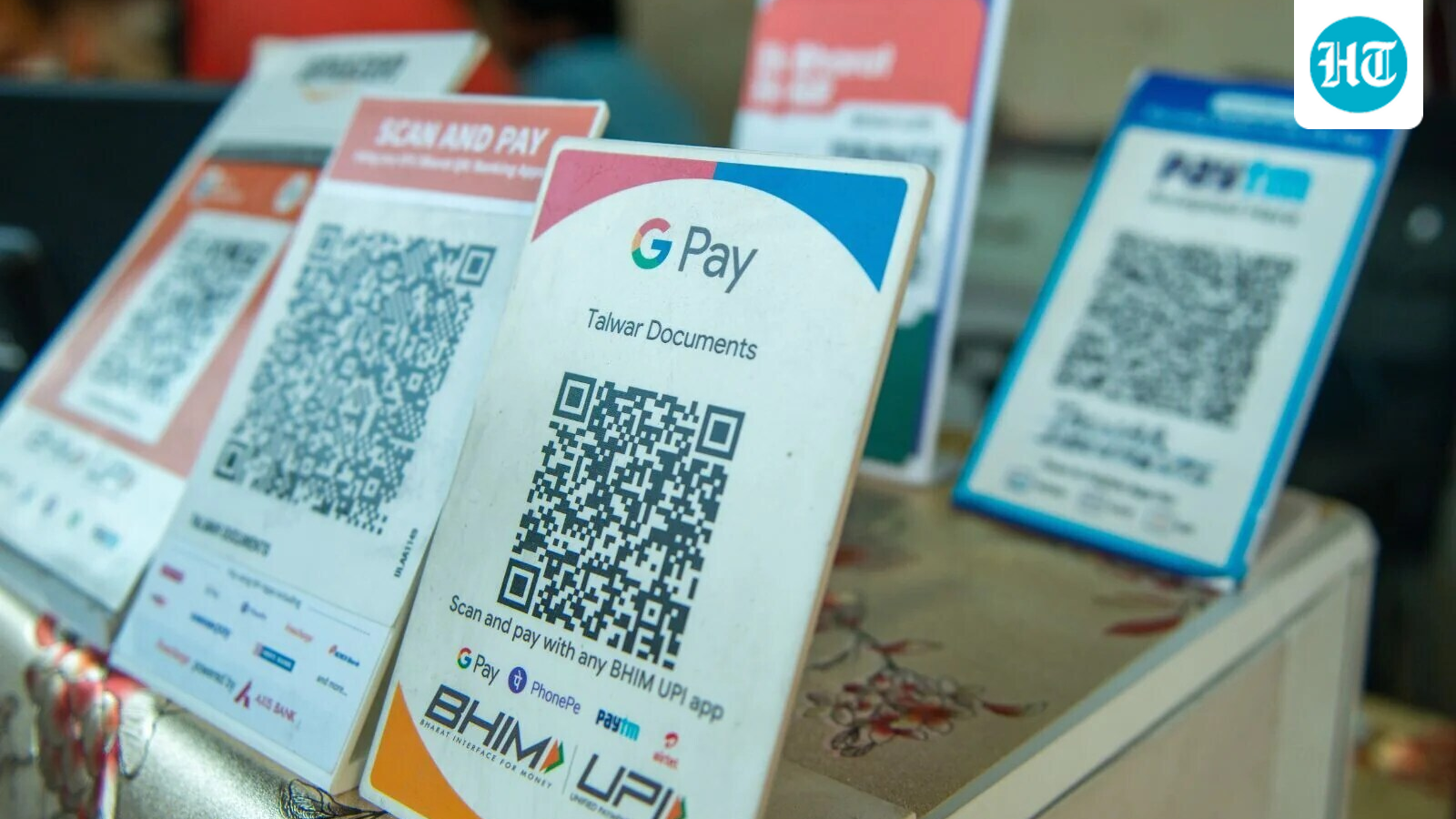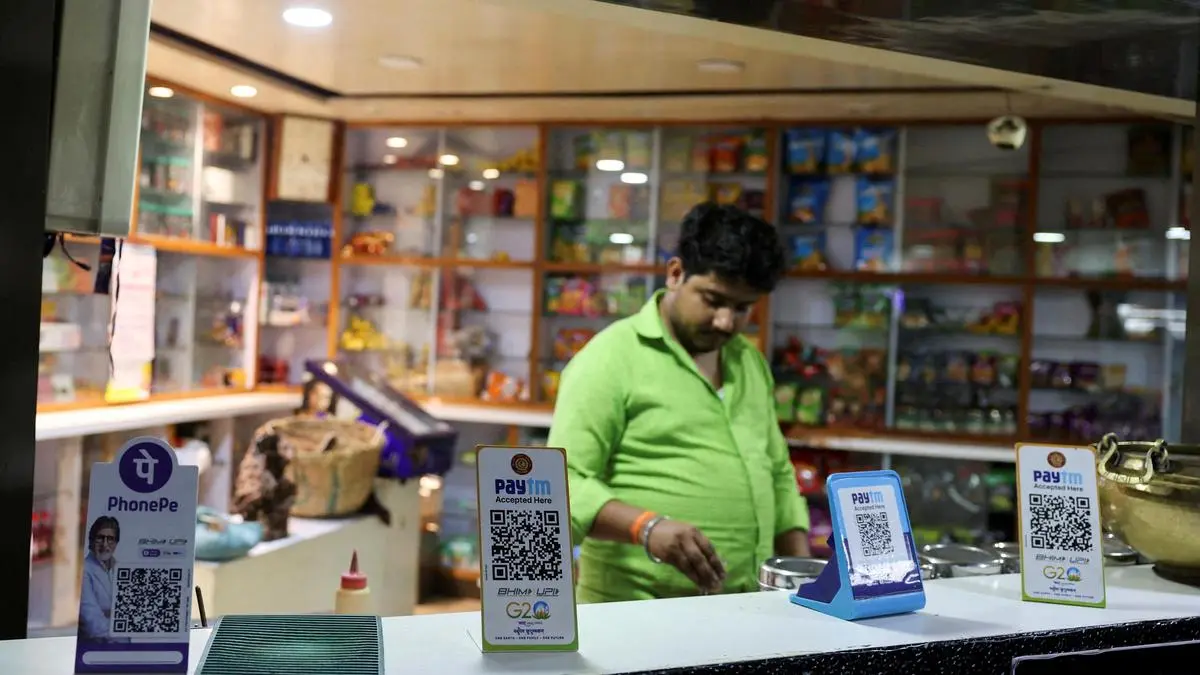
The government has introduced a Bill in the Lok Sabha that could fundamentally change India’s free digital-payment system. By amending Section 10A of the Payment and Settlement Systems Act, 2007, it would allow the government to introduce processing fees or a merchant discount rate (MDR) on UPI and RuPay debit-card transactions through future notifications, without another legal amendment.The likely first step is an MDR of 0.25-0.4 per cent on UPI payments above ₹2,000 made to businesses, but the charges could later be extended to other transactions.While the official argument is that UPI must become financially self-sustaining, the move also comes amid sustained US pressure over Indian policies that have eroded the profitable businesses of Visa and Mastercard.Visa and Mastercard generally do not issue cards or lend money. They operate networks that connect customers’ banks, merchants’ banks, and payment processors. When a customer pays by card, the merchant usually pays 1-3 per cent of the transaction value. This fee is shared among the banks, the processor, and the card network. Visa and Mastercard earn money each time their networks are used.UPI disrupted this model by allowing customers to transfer money directly from their bank accounts via a QR code, at no cost to either the customer or the merchant. Even a roadside vendor can accept a ₹20 payment without a card machine. UPI therefore replaced cash and millions of payments that might otherwise have used Visa or Mastercard.RuPay increased the competition. Its debit cards were widely distributed through public-sector banks and financial-inclusion programmes. Since RuPay debit cards and UPI payments had no MDR, merchants had a strong reason to prefer them over costlier international card networks.RuPay credit cards linked to UPI pose an even greater challenge. Customers can scan a normal UPI QR code and pay up to ₹2,000 from their credit limit without any merchant charge. Charges apply only above ₹2,000.RuPay’s share of new credit cards reportedly rose from about 3 per cent in 2023 to nearly 16 per cent in 2025. The share of UPI-linked RuPay cards in credit-card transactions increased from about 10 per cent in FY24 to nearly 40 per cent in FY25. India’s card market is growing, but much of this growth is shifting away from American card networks.This explains the criticism in the US Trade Representative’s 2026 National Trade Estimate report. Washington has objected to India’s zero-MDR policy, promotion of RuPay, RuPay’s early advantage in linking credit cards to UPI, data-localisation rules and NPCI’s proposed 30 per cent market-share cap for UPI apps. These policies are described as barriers to American companies. Put simply, Visa and Mastercard are losing fee income and want the Indian government to help restore it.Brazil offers a warning. The US criticised Pix, Brazil’s successful instant-payment system, for hurting American payment companies. Pix was among the issues cited when the US imposed an additional 25 per cent tariff on Brazilian goods.Despite tariffs, Brazil refused to weaken Pix, treating it as essential public infrastructure rather than a bargaining chip to protect American card companies’ revenues. India should show similar resolve.Supporters of UPI fees argue that banks, the National Payments Corporation of India and payment companies incur costs for servers, cybersecurity, and expansion. RBI Governor Sanjay Malhotra has said that someone must pay to keep UPI secure and reliable.But this argument misses the point. UPI is national infrastructure, like roads, courts or currency — not merely a service provided by NPCI. The government funds roads because the economic activity and tax revenue they generate far exceed their cost. UPI provides similar benefits. It creates a digital record of transactions, expands the formal economy, improves GST compliance and helps small merchants build records needed to obtain loans.Even a small fee could push low-value transactions and small merchants back to cash. The MDR collected may be far less than the benefits lost through reduced transparency and formalisation.Cash is costlyThe RBI spent ₹4,875 crore in FY26 on printing banknotes alone. This excludes the cost of transporting, storing, guarding, counting and replacing cash, including 23.8 billion soiled notes withdrawn each year. Cash is India’s costliest payment system, while UPI is its cheapest. Charging for UPI and pushing people back to cash would therefore make little financial sense.Ironically, India has already given American technology companies wide access to its payment infrastructure. Google Pay and Walmart-owned PhonePe process more than 80 per cent of UPI transactions, while Amazon and other foreign platforms are expanding. Business is therefore shifting from one group of American companies — Visa and Mastercard — to another, led by Google and Walmart, that uses India’s publicly funded payment system.PhonePe could be the biggest immediate beneficiary if the Bill becomes law. It was valued at $12 billion in 2023 but paused its India IPO in March 2026 after its expected valuation fell to about $9-10 billion. Since PhonePe handles around 45 per cent of UPI transactions, a share of MDR could provide substantial revenue and increase its IPO valuation.The “someone must pay” argument is misplaced. Large foreign platforms such as Google Pay and PhonePe should bear the cost of UPI, not Indian merchants or consumers. India could charge them an annual participation fee of perhaps $100 million. These platforms gain huge transaction volumes and valuable insights into the spending habits of millions of Indians through a system funded by Indian taxpayers.India should also enforce NPCI’s 30 per cent market-share cap, now scheduled for December 2026 after repeated delays, to prevent any foreign-controlled app from dominating this critical infrastructure. Payment-data localisation rules should also remain. This would protect public revenue and India’s digital sovereignty.UPI is already available in Bhutan, Nepal, Singapore, Sri Lanka, France, Mauritius and the UAE, with Qatar, Thailand and Southeast Asia likely to follow.India should not weaken its most successful digital public infrastructure merely to collect a small fee or satisfy US pressure. The modest cost of running UPI is far outweighed by its benefits. Large payment platforms that profit from UPI can contribute to its upkeep without burdening merchants or consumers. India should treat UPI as national infrastructure and a strategic global asset — keep UPI free, keep RuPay strong and keep India’s payments policy sovereign and firmly in Indian hands.The writer is founder, GTRIPublished on August 10, 2026
UPI is not a ‘cost’ to be recovered
India should not weaken its most successful digital public infrastructure merely to collect a small fee, or to placate US interests
1,036 words~5 min read