Although biomarker testing is playing a greater role in the management of triple-negative breast cancer (TNBC), treatment selection still relies on relatively few validated biomarkers.
Markers for Immunotherapy
Several new therapies have been approved for TNBC in recent years, including the PD-1 inhibitor pembrolizumab (Keytruda).
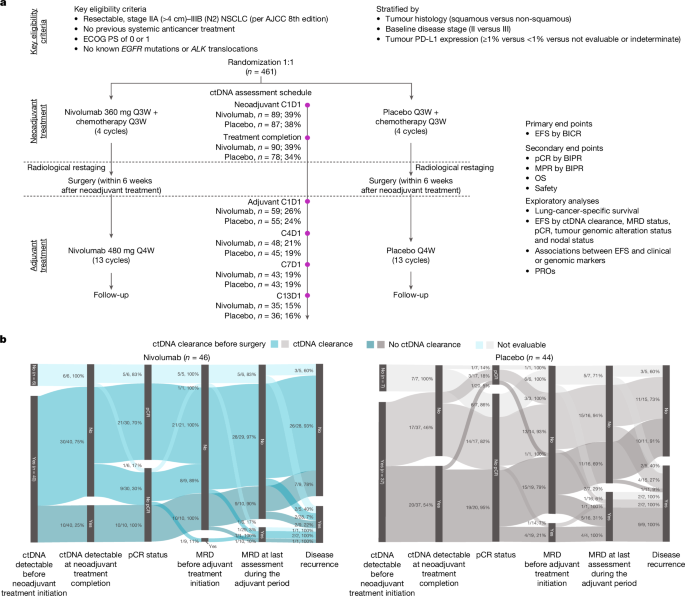
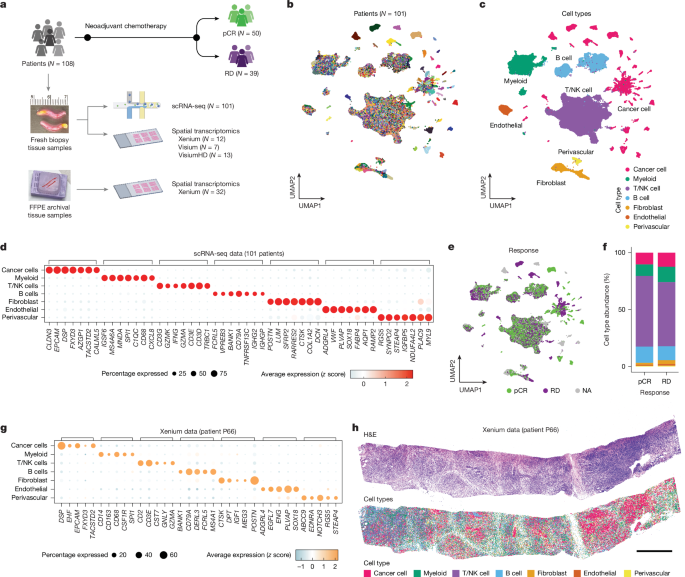
In 2021, pembrolizumab was approved in combination with chemotherapy as a neoadjuvant treatment for high-risk early-stage TNBC, regardless of PD-L1 status. In updated results from the KEYNOTE-522 trial that supported the approval, neoadjuvant pembrolizumab plus chemotherapy followed by adjuvant pembrolizumab showed a clinically meaningful survival benefit compared with neoadjuvant chemotherapy alone in patients with high-risk early-stage TNBC.
"PD-L1 is clinically useful but imperfect," Yara Abdou, MD, of the University of North Carolina Lineberger Comprehensive Cancer Center in Chapel Hill, told MedPage Today. "Its predictive value depends on the disease setting, assay, scoring method, tissue source, and treatment regimen."