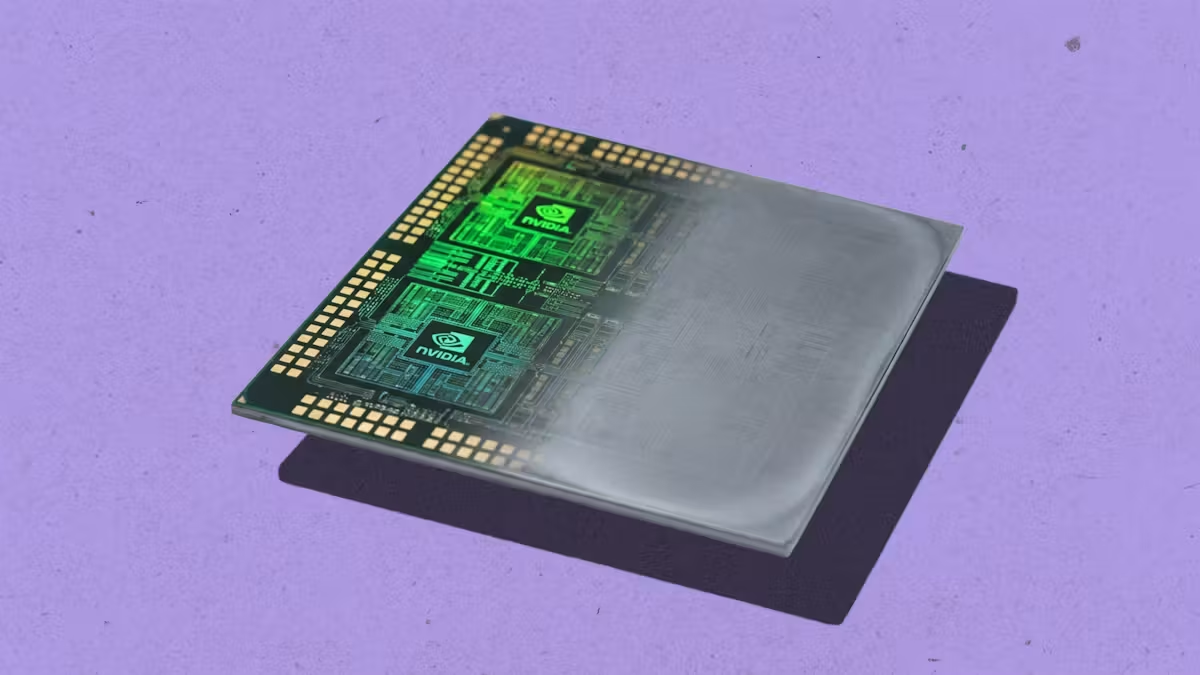
Building the most powerful AI chips in the world turns out to be a lot like building a luxury home: the most expensive part isn’t the architecture, it’s what goes inside. Goldman Sachs estimates that memory components now account for roughly 62% of the total material costs for Nvidia’s upcoming Vera Rubin superchip, a significant jump from about 53% on the previous-generation GB300 systems.
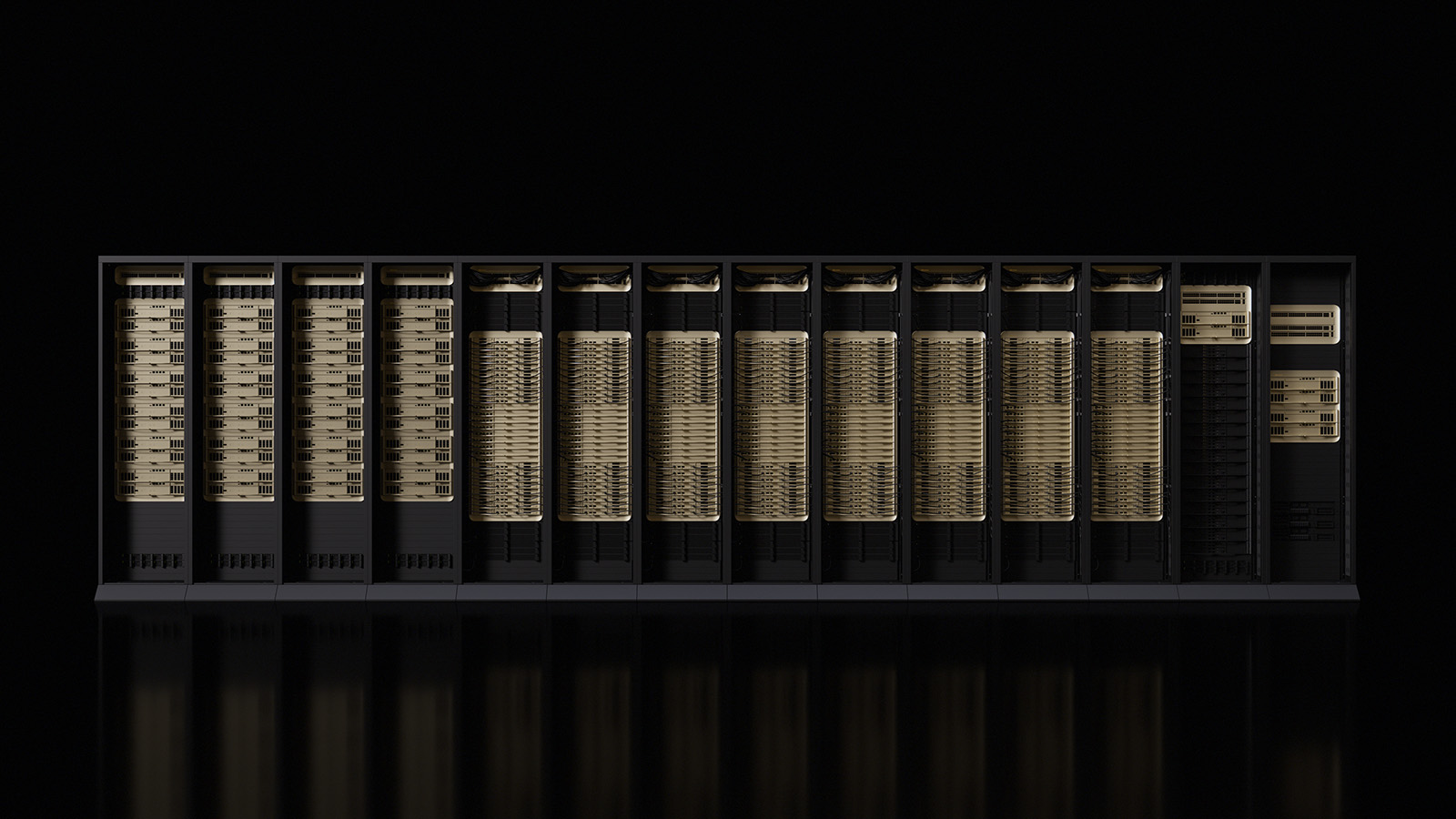
That nine-percentage-point leap sounds modest until you look at the dollar figures. The estimated bill of materials for a full Vera Rubin NVL72 rack system clocks in at approximately $7.8 million, with memory costs alone approaching $2 million. Some analyses peg the year-on-year increase in memory spending at over 435%.
What’s driving the memory cost surge
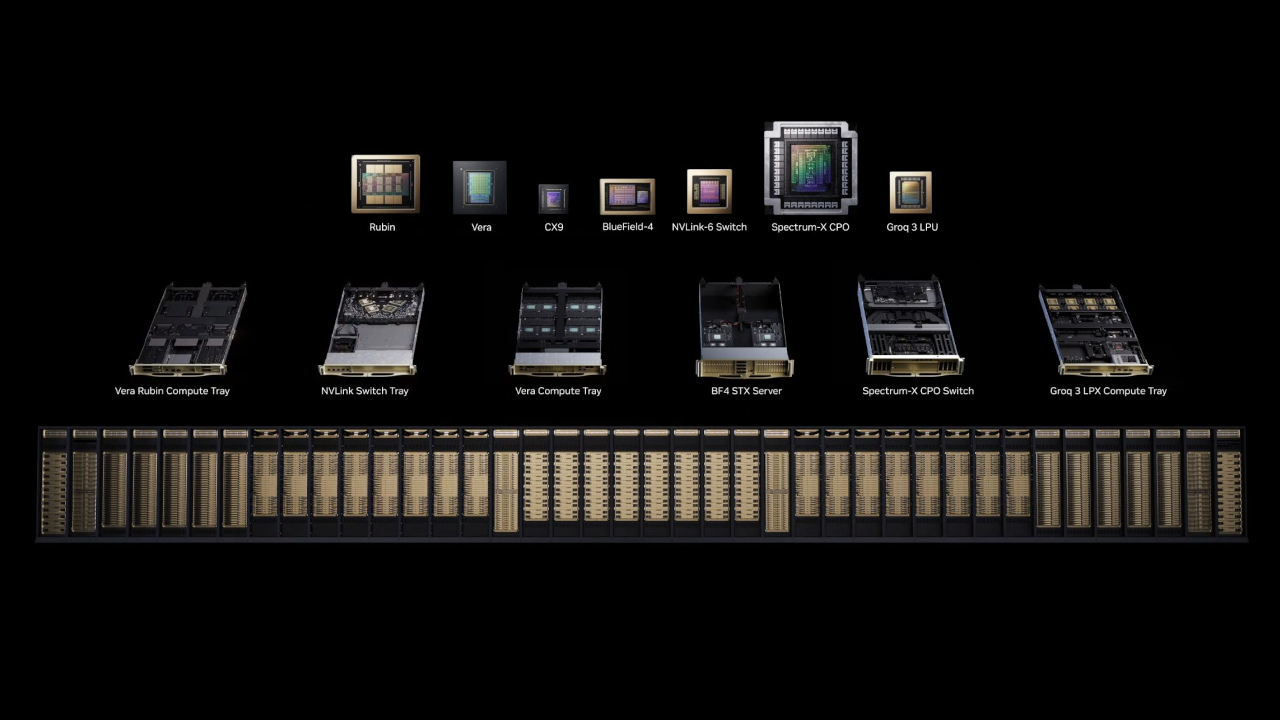
The Vera Rubin platform pairs two types of cutting-edge silicon. On the GPU side, Nvidia’s Rubin chips pack up to 288 GB of HBM4, the latest generation of high-bandwidth memory, capable of delivering 22 TB/s of bandwidth. The GPU itself is a 336 billion transistor design fabricated on TSMC’s 3 nm process.
On the CPU side, the custom Vera processor houses 88 Olympus cores alongside up to 1.5 TB of LPDDR5X memory, connected via memory-coherent NVLink-C2C with 1.2 TB/s of bandwidth.