Nigeria is moving to bring more of its cloud infrastructure within the country, in a push to reduce reliance on overseas systems and keep more of the digital economy’s value at home.
More than 85% of Nigerian workloads now run on public clouds, according to Kashifu Inuwa, director-general of the National Information Technology Development Agency (NITDA). Nigeria also hosts only 22% of its 1,000 most-accessed websites locally, below the Sub-Saharan Africa average of 34%.
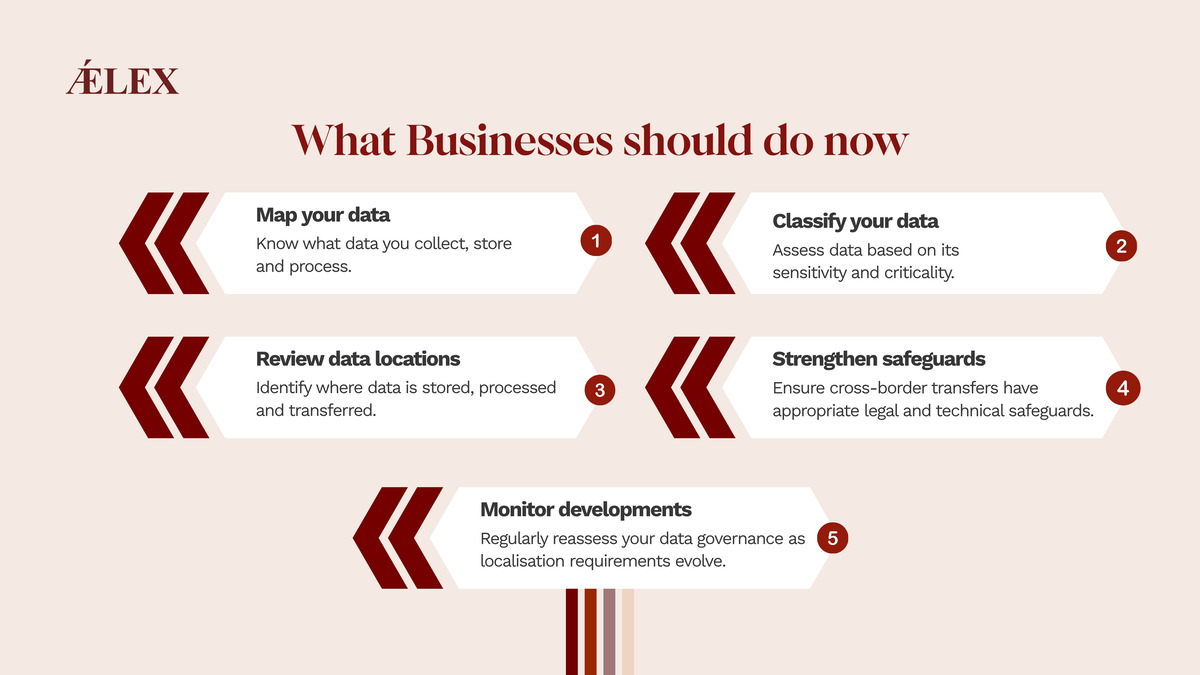
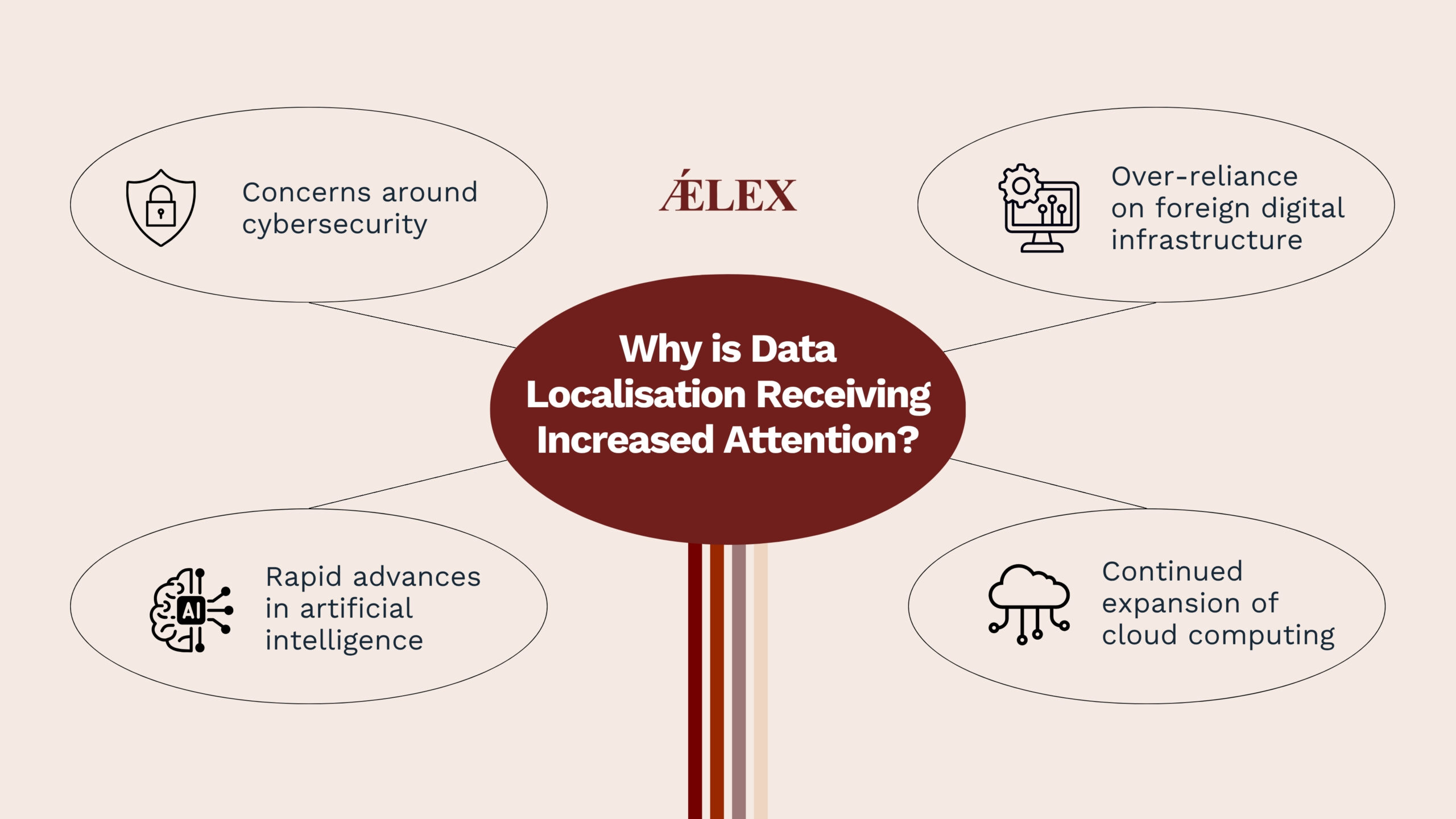
Nigeria wants to bring more of its cloud infrastructure onshore, betting that localising the systems that run its digital economy will reduce exposure to foreign infrastructure, keep more technology spending in the country and make critical services more resilient.
The push is being formalised through the National Sovereign Cloud Initiative, whose regulatory instruments were signed with Galaxy Backbone Limited, a government-owned ICT infrastructure and shared services provider, on August 5, 2026. The framework sets out the policy, technical and quality requirements for hosting more digital services in Nigeria.
Inuwa said the move builds on Nigeria’s 2019 Cloud First Policy, which sought to move government institutions away from standalone server rooms and data centres with high operating costs and towards cloud-based services.