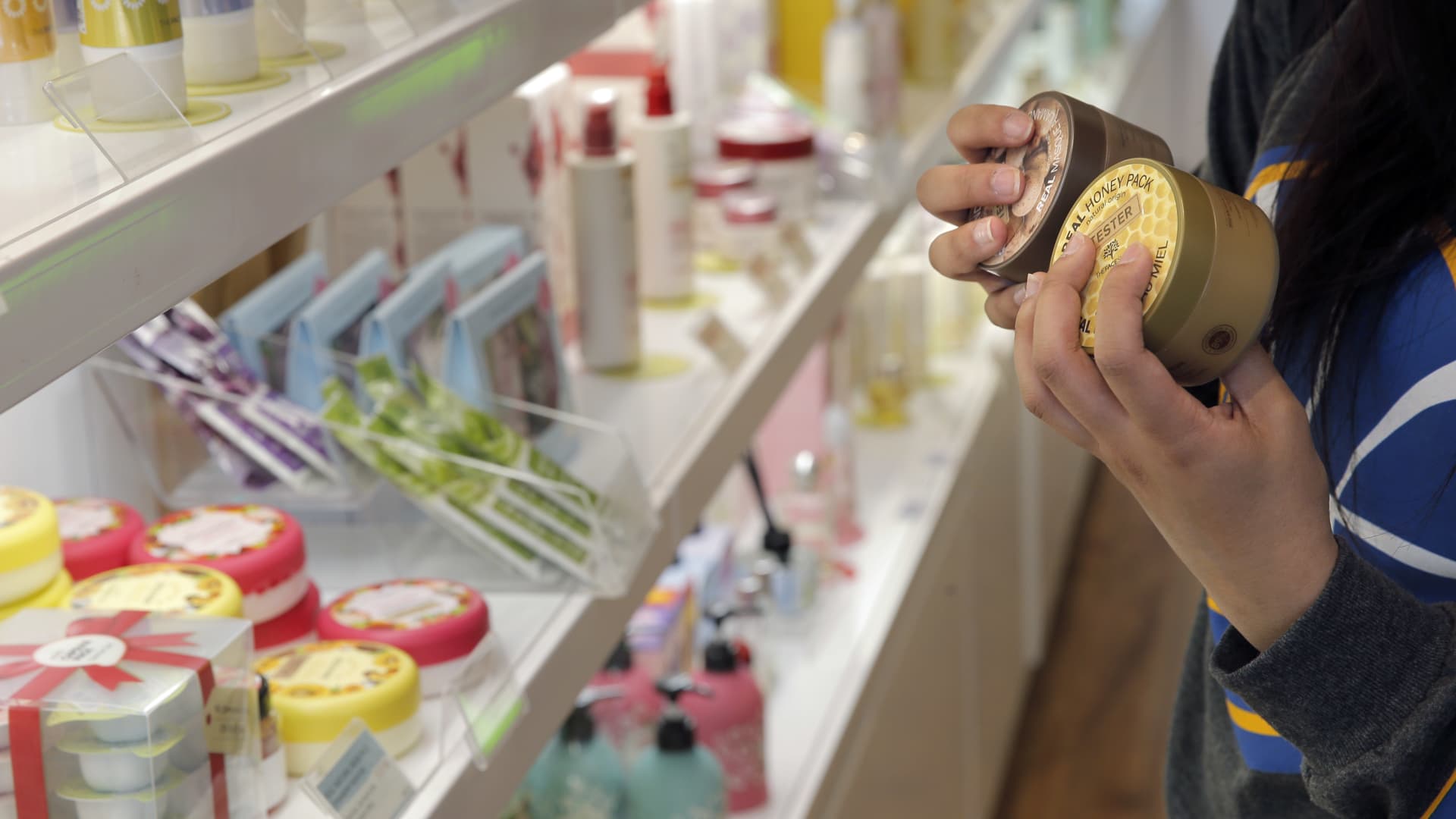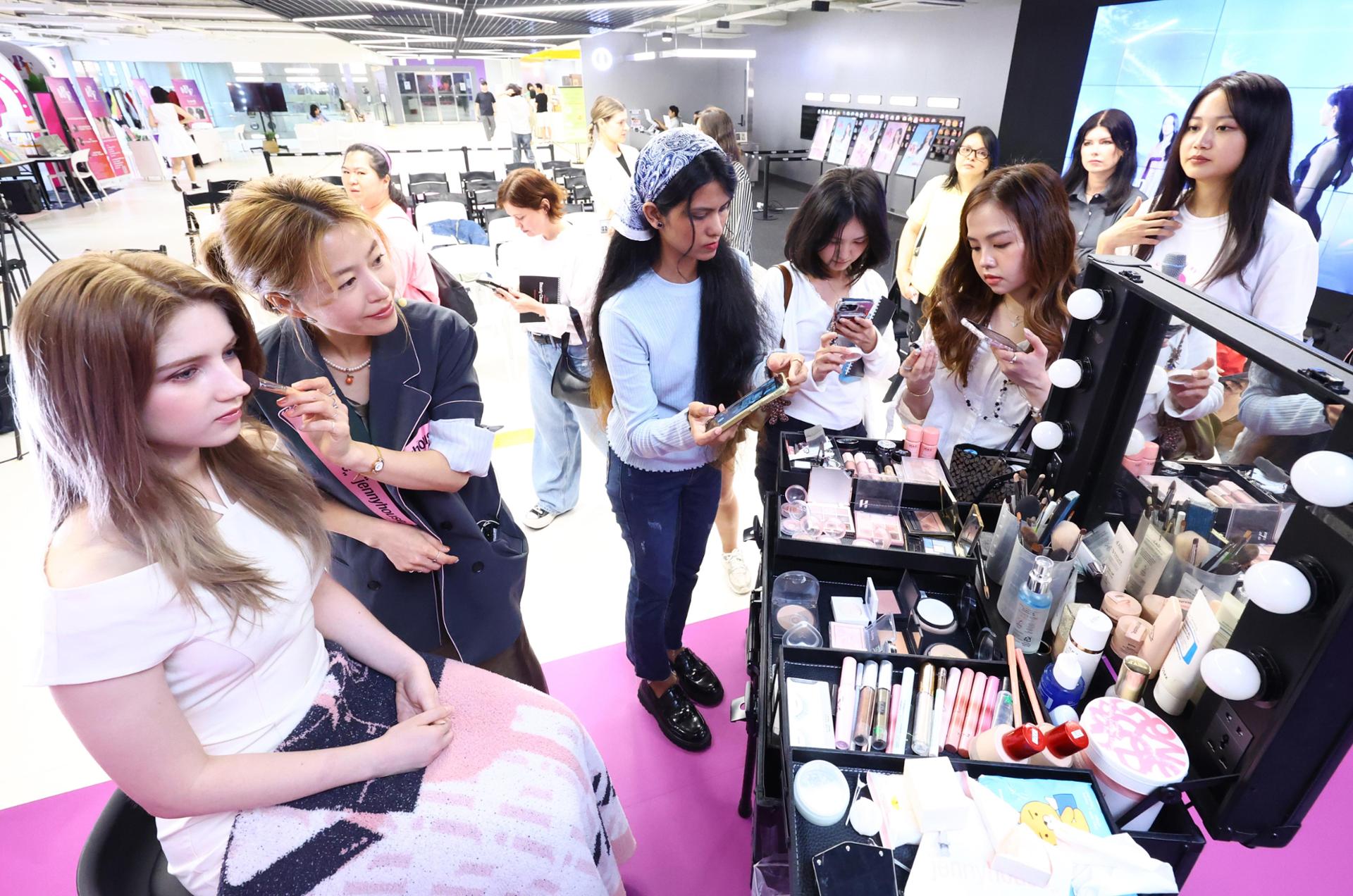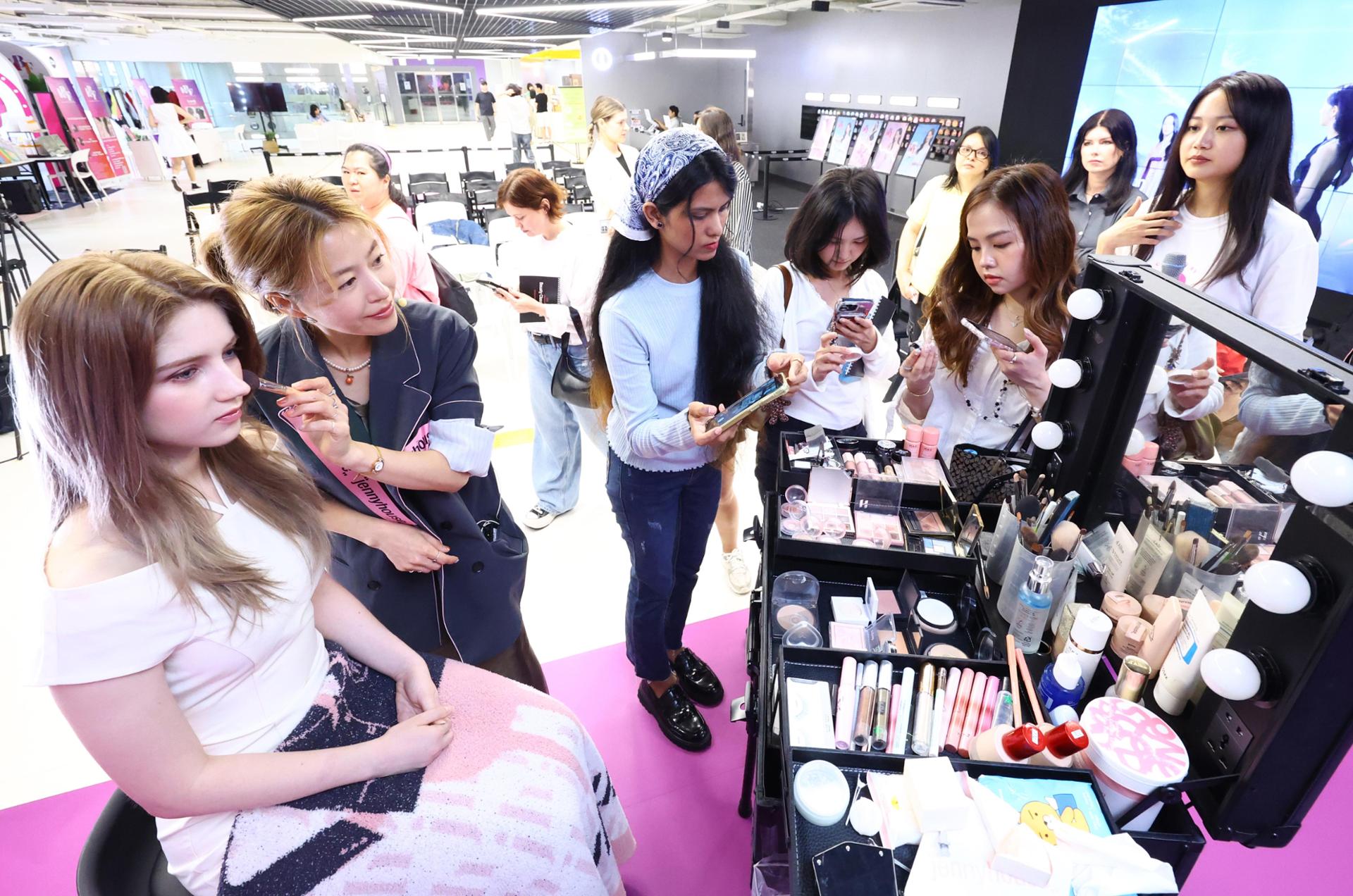
Darko Pavic, Founder & CEO of Fiscal Solutions, Retail Technology & Global Fiscalization Expert with 28+ Years of Experience.gettyRetailers still tend to treat culture as a marketing layer, something that helps decorate a campaign after product, price, channel and supply chain have already been decided. K-beauty, for example, shows why that view is increasingly outdated. Culture is no longer just brand emotion. In the right conditions, culture becomes demand infrastructure, traffic generation, product education, social proof and international expansion strategy.The opening of Olive Young’s first U.S. store in Pasadena is useful not because one store attracted lines, but because it exposed the machinery behind a global retail movement. The store opened with 8,647 square feet and thousands of items across beauty and wellness categories, according to Olive Young’s U.S. launch announcement and local reporting. Fans lined up because they were not simply visiting another beauty retailer. They were entering the physical expression of a cultural system they already knew through TikTok routines, K-pop fandoms, YouTube reviews, product rankings and global e-commerce.That is the strategic lesson for retail. The strongest retail demand is created before customers enter the store, and often before they know what to buy. Demand is formed in cultural ecosystems, then converted by retail platforms that understand how to curate, educate and commercialize it.Culture Creates Demand Before Retail DoesOlive Young is one of Korea’s most important K-beauty platforms, with more than 1,350 stores in South Korea and a global mall that serves customers in 150 countries, according to the company’s corporate platform. That combination matters because it connects online discovery, physical trust, brand curation and category authority. In a fragmented beauty market, the retailer becomes a filter. It tells consumers which products matter, which routines are worth trying, and which trends have already moved from noise to relevance.The size of the opportunity explains why this matters beyond beauty. McKinsey expects the global beauty sector to reach about $590 billion by 2028, growing around 6% annually. Korea has turned this market into a national growth engine. Government data shows record cosmetics exports of $10.2 billion in 2024 and $9.42 billion through October 2025, while industry reporting has described South Korea as the world’s second-largest cosmetics exporter after France. The country is not winning only because it produces good creams and serums. It is winning because product innovation, industrial organization, social media distribution and cultural desirability reinforce one another.The Industrial Engine Behind K-BeautyThe industrial part of the story is often underestimated. Korea built a dense beauty ecosystem of brands, contract manufacturers, laboratories, packaging specialists, retailers and content channels that can move quickly. New formulations and ingredient-led products can reach consumers at a speed that is difficult for many traditional Western beauty companies to match. Competition at home keeps prices accessible while preserving perceived quality, creating a price-value equation that travels well internationally.Industrial capability explains how Korea develops products so quickly. Culture explains why consumers around the world want them in the first place.How Korean Culture Became a Global Commerce EngineThe cultural part gives that industrial machine emotional force. Hallyu, the Korean Wave, did not appear overnight and should not be confused with a short social-media trend. K-pop, K-dramas, food, fashion and lifestyle content made Korean culture globally visible, and beauty became one of the easiest parts of that culture to buy. BTS is a good symbol of the shift. Guinness World Records lists BTS as the most streamed male group on Spotify, with more than 48.5 billion streams as of April 2026. Their success was not built only through music distribution, but through intimacy, self-produced content, fan engagement and a feeling that audiences were allowed inside the lives, routines and values of the artists.That logic matters for retailers because beauty is highly compatible with cultural imitation. When a fan sees an idol’s skin, watches a routine, studies a product list, compares ingredients and sees creators repeat the same steps, the product is no longer an isolated SKU. It becomes part of a lifestyle script. K-pop made Korean culture desirable. K-beauty made that desire shoppable.Streaming accelerated the halo. Netflix reported that KPop Demon Hunters became its most popular film of all time, with more than 236 million views, while Guinness World Records notes that Squid Game reached 142 million subscriber households in its first month and became Netflix’s most successful debut. These are not beauty campaigns, yet they expand the cultural surface area through which Korean products become familiar, aspirational and commercially plausible.The implication for global retail is uncomfortable because it changes what retailers must monitor. Category sales data is no longer enough. Retailers also need to watch cultural velocity, creator behavior, fandom dynamics, search patterns, ingredient conversations and the movement of lifestyle symbols across platforms. By the time a cultural signal appears clearly in store sales, the strongest operators may already have secured assortment, education, store design, partnerships and content distribution.K-beauty is not a perfect template that every retailer can copy, because culture cannot be artificially manufactured with a quarterly campaign. It is the result of years of industrial development, national support, creative export, retail execution and algorithmic amplification. But it does offer a strategic recipe. A market becomes globally powerful when culture creates desire, industry supplies innovation, social platforms spread routines and retailers convert the movement into accessible, trusted, repeatable commerce.What Retailers Should Do NowRetailers should begin treating cultural intelligence as a core business capability rather than a marketing activity. Monitoring creator ecosystems and searching trends and online communities alongside traditional sales data can reveal demand long before it reaches stores. Those insights should increasingly influence assortment, merchandising and product education, not just advertising campaigns.The Next Competitive AdvantageEfficient stores and digital channels remain essential, but the real advantage is increasingly moving to retailers that understand how culture influences people before commerce reaches them.The retailers that learn to identify and translate cultural movements into trusted shopping experiences will be better positioned to shape consumer demand rather than simply respond to it.Forbes Technology Council is an invitation-only community for world-class CIOs, CTOs and technology executives. Do I qualify?
Culture Is The New Retail Channel
K-Beauty has a lot to teach retailers about global growth.
1,007 words~5 min read

 shopify.engineering