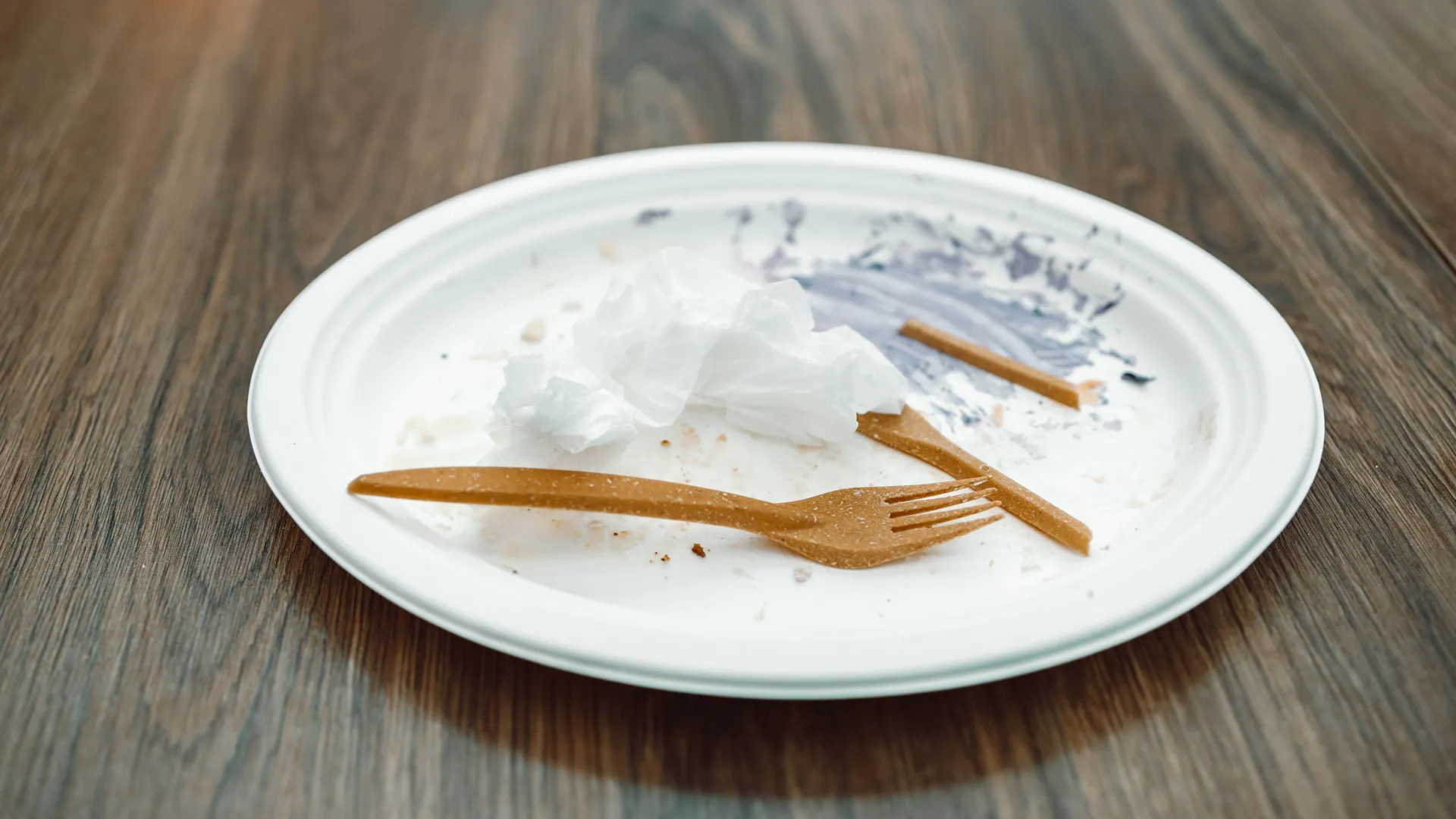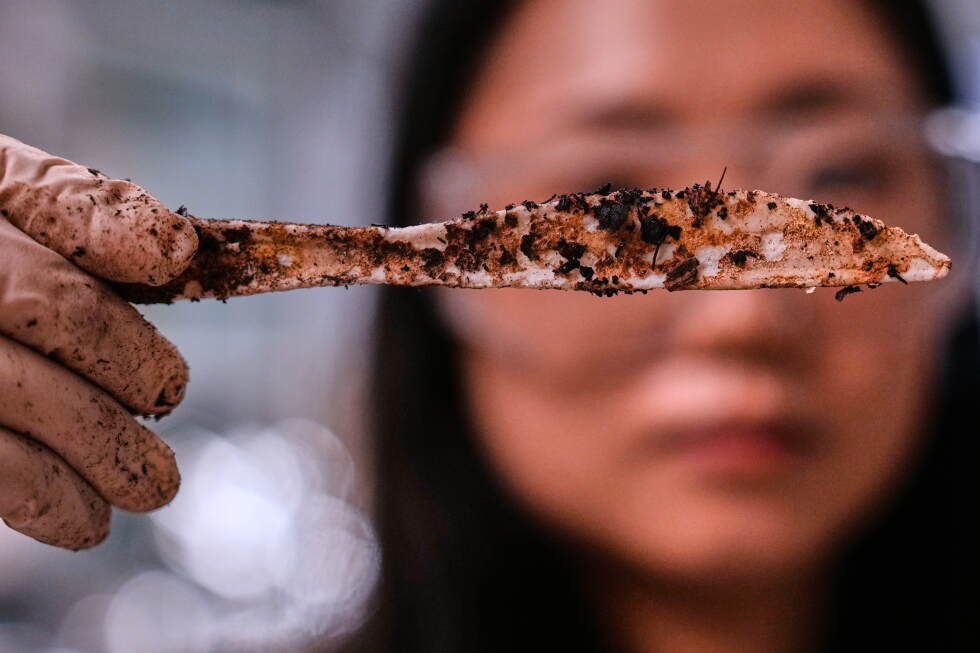
Katie Byun holds up a compostable knife, which was made with plastic made from plants, that was starting to break down after about two months in a home composting test bin, at CJ Biomaterials, Monday, Aug. 3, 2026, in Woburn, Mass. (AP Photo/Charles Krupa)
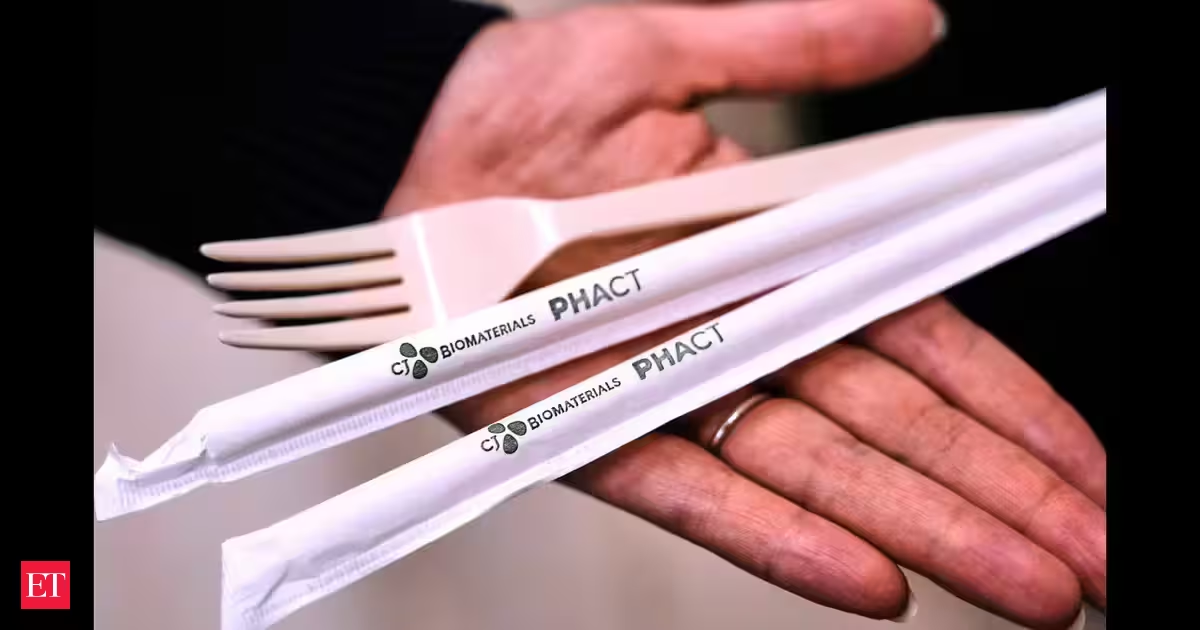
WOBURN, Mass. (AP) — At a Massachusetts lab, pebble-sized pellets are transformed into forks and films that won’t leave persistent microplastics in the environment.
These are bioplastic pellets. CJ Biomaterials ferments sugar to make plant-based polymers that microbes will consume. These alternatives to traditional plastics made of fossil fuels are seen by some as one of many solutions needed to confront global plastic pollution.
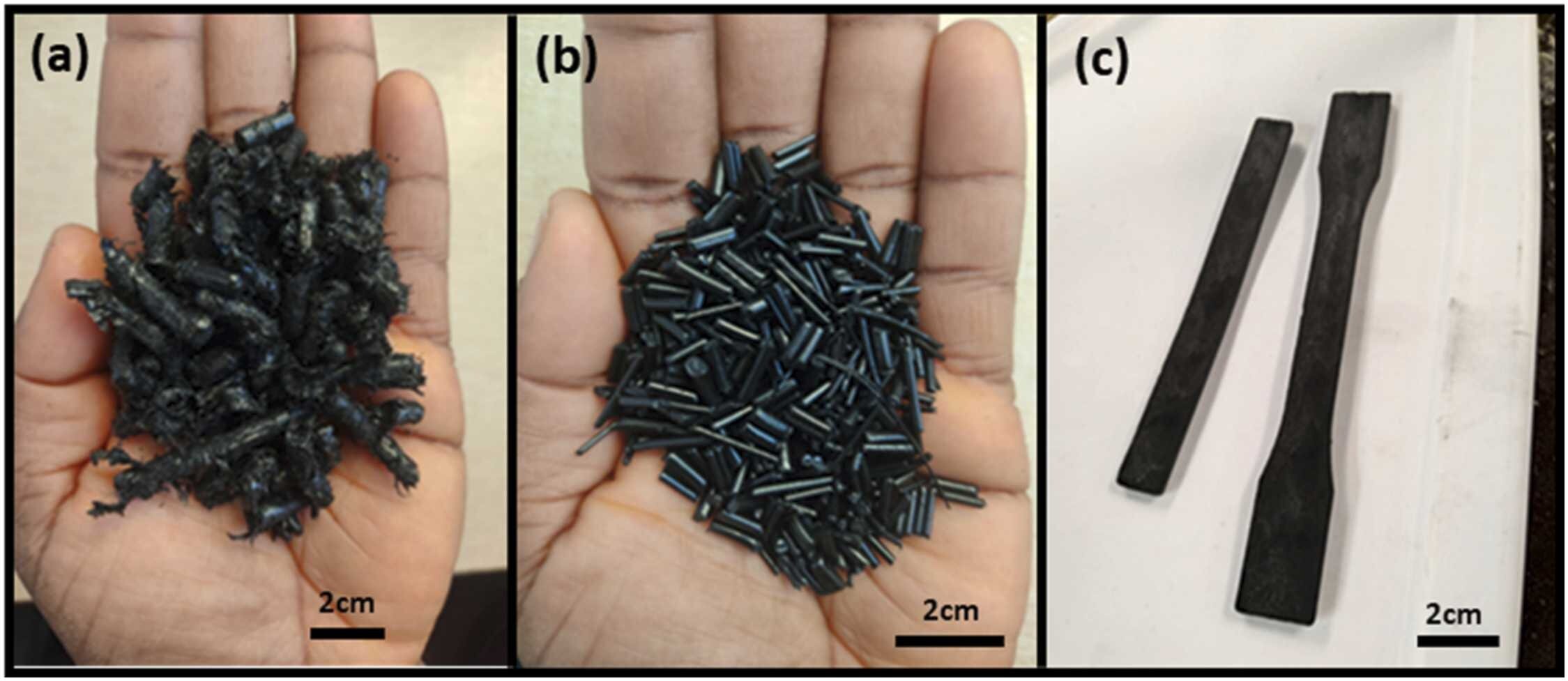
At the company’s Woburn research facility, lab technicians recently poured pellets into a molding machine to make forks. The test forks were thin enough for home composting, though too bendy for stabbing a steak. Other batches have been rigid, similar to a typical plastic fork. The technicians melted pellets to roll out flexible films for food packaging, like a bag for baby carrots. The film was quite strong but not stretchy like cling wrap.
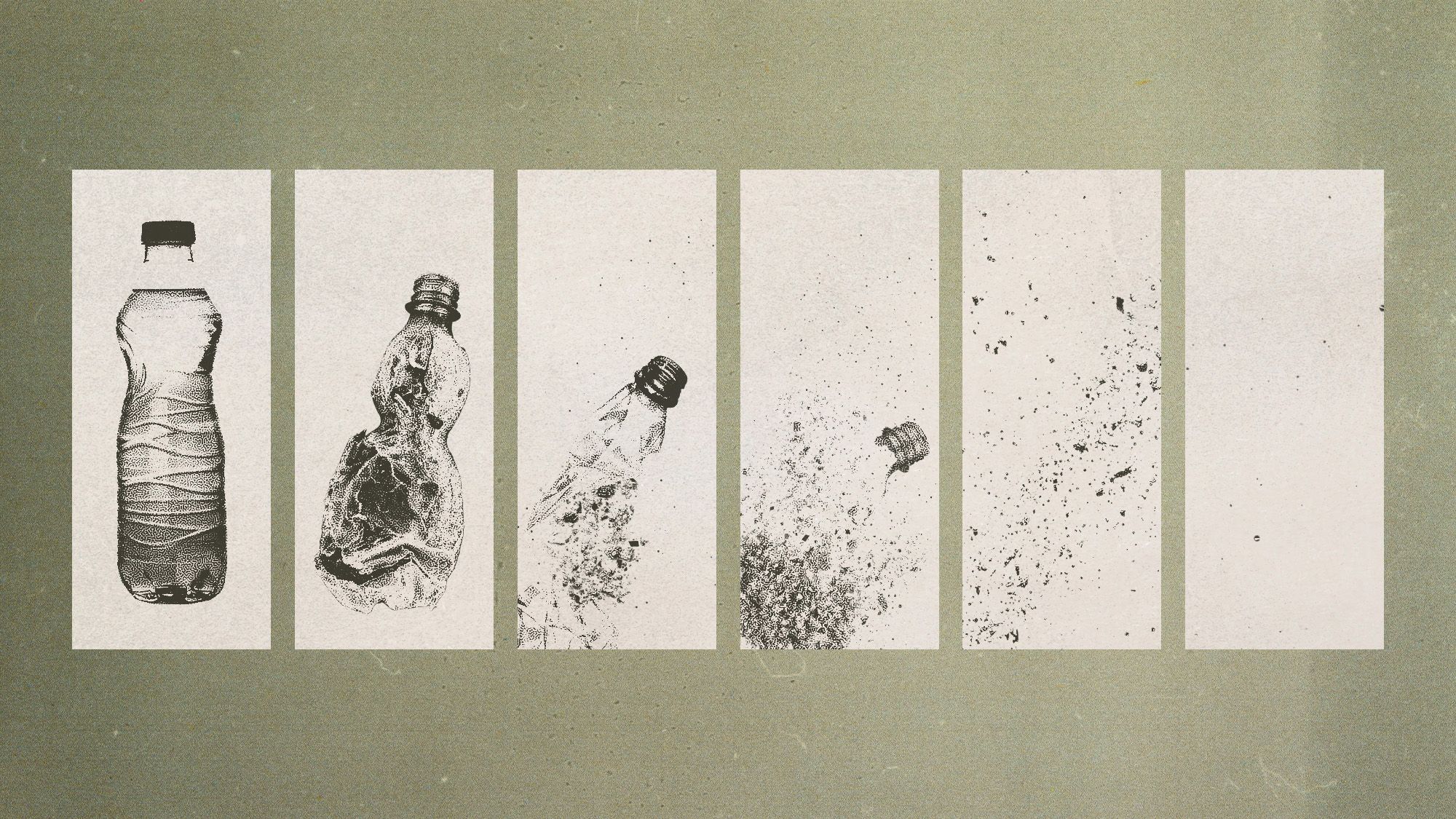
They are figuring out how their biopolymers can make products with attributes similar to conventional plastics, but that can go in a composting bin instead of a trash can. Forks and films are breaking down in the lab’s compost bin. Straws that were added are long gone. A recently tossed-in knife showed pitting on the surface as bacteria colonized it, starting to consume the material.