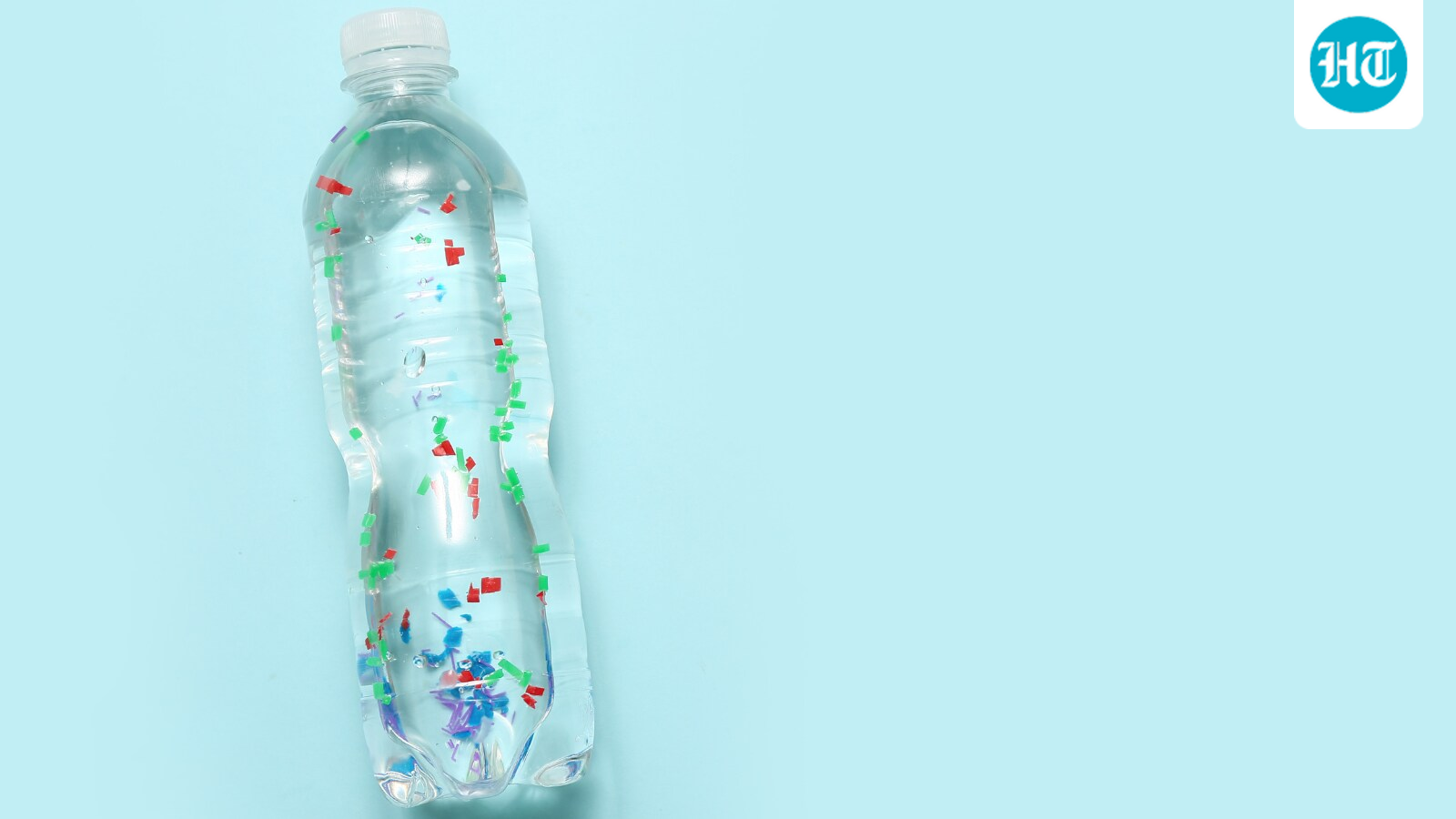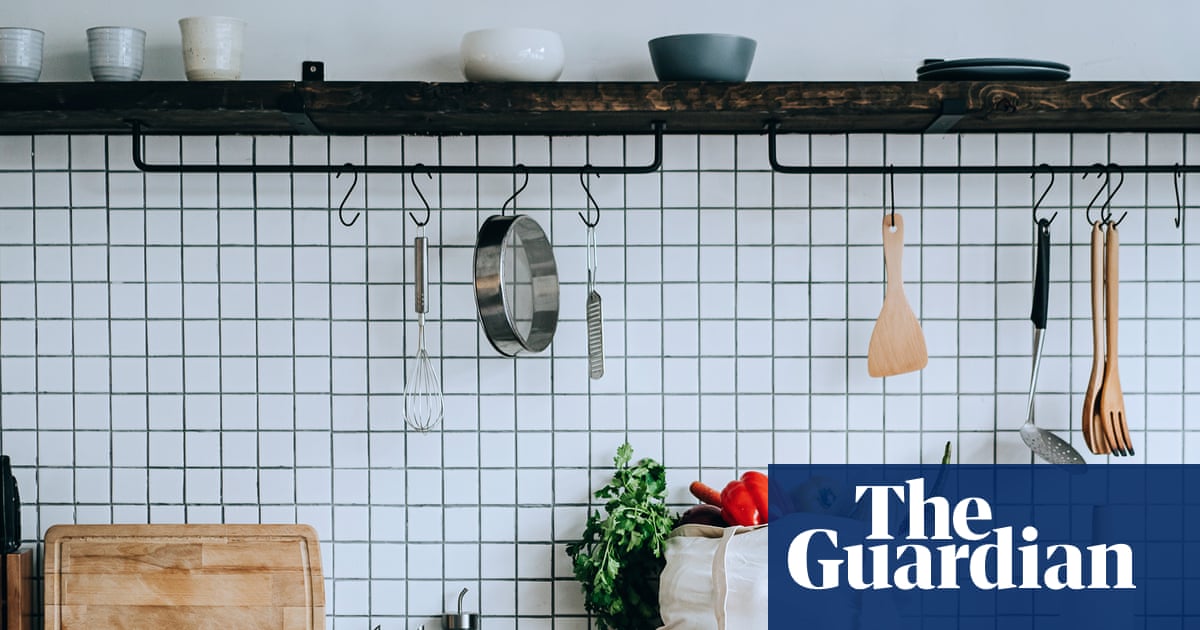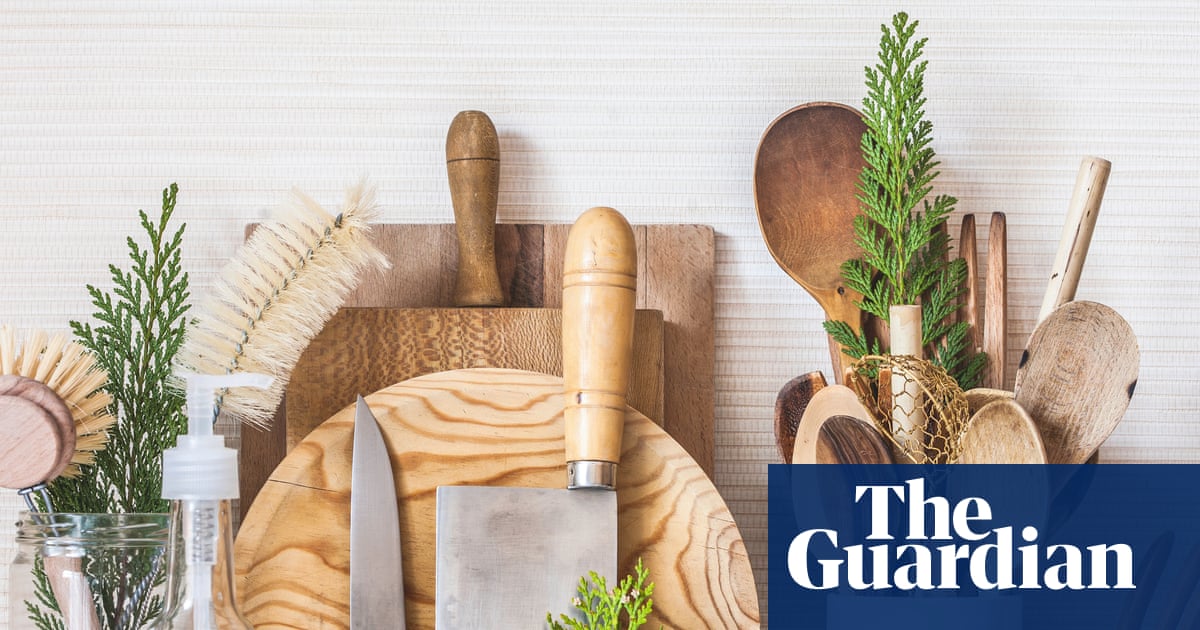
It all started with a black plastic spatula. When an article went viral in 2024 for suggesting we may be unwittingly infusing our food with harmful chemicals by using one, I, along with many I know, lobbed ours into the bin (without a backup in place, to the annoyance of my partner).It later transpired that the study the article was based on had miscalculated the dosage by a factor of 10. UK regulations also limit certain hazardous substances in plastics, meaning that risks should be lower in this country. But alas, it was too late for our poor spatula.Nevertheless, studies show that the amount of microplastics found inside human bodies is increasing rapidly, and the plastic in our kitchen is known to be a contributing factor, so I set out to minimise its presence.According to Dr Stephanie Wright, who leads the microplastics team at Imperial College London’s Environmental Research Group, I am not alone in my desire to be rid of the stuff. “Plastic is useful, but it was never designed to be in our bodies,” she says.Her belief is that any reduction in exposure is good. “We know from lots of other well-studied particles in our environment, like air pollution, that exposure to too much of any particle can be a bad thing, so reducing that burden is always going to be positive – I think the same is true for plastics.”Yet it is only once you start trying to reduce plastic use that you realise how ubiquitous it is. Wright’s advice is to focus on one of the highest priority areas – the heating of food and drink, because heat accelerates the degradation of plastic, and eating and drinking are effective ways to transport chemicals into our bodies.However, ditching plastics also poses an environmental threat, creating a conundrum for anyone wanting to reduce their plastics exposure. Rather than simply throwing away everything plastic in your kitchen, a good rule of thumb is to wait until it no longer has a use and then gradually replace items with non-plastic alternatives. With all this in mind, here are my top seven plastic kitchen swaps.How to reduce plastic in your kitchenKitchen utensilsJoseph Joseph metal utensils£130 at Joseph Joseph£89.99 at AmazonWooden spatula£2 at ProCookSilicone spatula set£15 at ProCookJoseph Joseph’s metal utensils are a good blend of style and function, and I use them for frying. However, they won’t work if your pans have a non-stick coating. Silicone utensils are broadly accepted as a better option than hard plastic ones because silicone has much higher heat resistance, is derived primarily from quartz rather than crude oil and has higher durability (meaning it’s not likely to leach chemicals into food). I use silicone spatulas for baking because batters don’t stick to them, but I prefer wood for other cooking because it’s a natural material.Chopping boardsWooden chopping board £53 at Shinrai KnivesBamboo chopping board set£100 at Joseph Joseph£100 at John LewisAnother place where food often comes into contact with plastic is the chopping board. This is a pretty easy fix: we got this set of bamboo chopping boards (any form of wood will work). The only downside is no longer being able to whack them in the dishwasher.Storage containersPyrex zero plastic storage containers, three£32.69 at AmazonI’ve accumulated a huge amount of plastic Tupperware over the years. I’ve replaced it with Pyrex cooking dishes with lids (and silicone seals that make them spillproof), and these tall glass jars, which we use for storing sauces, soups and curries. For any glass storage, check it’s freezer-safe (tempered or borosilicate glass) and ensure you leave space between the containers so the glass doesn’t freeze together.KettleAscot glass kettleFrom £38.99 at AmazonAarke steel kettle£199.99 at LakelandMy plastic reduction mission gave me a good excuse to buy this lovely glass kettle from Ascot. The only downside is that the glass is very unforgiving on limescale (a big problem where we live), which means I have to stay on top of the deep cleaning. If I had a bigger budget, I’d probably go for this stainless steel Aarke one.For more, read the best kettles to save energy and speed up your cuppa, testedTeaTea strainer£4 at John LewisBird & Blend loose-leaf tea, 50gskip past newsletter promotionafter newsletter promotion£6 at Bird & BlendHampstead Organic English Breakfast teabags£4.15 for 20 teabags at Ocado£14.95 for 4 x 20 teabags at AmazonSwitching to loose-leaf tea seemed like a lot of effort, but I resolved to do it when I learned that many teabags contain plastic fibres in the bag or seal, which release microplastics when brewed. Even options marketed as plastic-free often use PLA, a plant-based bioplastic that has still been associated with microplastic release and effects on marine life. Truly plastic-free options include Hampstead Organic, considered a pioneer in this area. But switching to loose-leaf has been the one change I am borderline evangelical about because the tea is so much better. We bought several in-mug metal infusers and buy loose leaf from our local Bird & Blend (it is put directly into a metal tin, no plastic wrapping).Kids’ utensils, plates and cupsBamboo baby elephant suction plate£18.99 at Bamboo Bamboo£18.99 at AmazonElk and Friends stainless steel bowls and lids, four pack£19.99 at AmazonElk and Friends stainless steel plates and lids, two pack£19.99 at AmazonMunchkin Cool Cat straw cup£18.99 at Munchkin£18.99 at AmazonMam Feel Good glass bottlesFrom £7.19 at Boots£13.99 at John LewisMoon Moon steel lunch box£23.99 at Moon Moon£23.99 at AmazonMy children’s plates and cups were mostly plastic and often lobbed in the microwave. We already had a couple of lovely bamboo plates from Bamboo Bamboo (they fight over who gets the elephant), but they can’t go in the dishwasher. To counter this, I bought a few stainless steel plates and bowls from Elk and Friends. Eating off a metal plate does have a bit of a scout-camp vibe, but the kids adjusted quickly. They come with detachable silicone suction pads in case you have a child who likes to throw food and the occasional utensil – I do, which is also why I didn’t trust the ceramic versions some of my friends have.With sippy cups and water bottles, we scaled down massively, and, after a lot of research, landed on Munchkin bottles. We removed the plastic straws, which just means they need to be tipped a bit higher, and also means we don’t spend our lives searching for transparent plastic bottle pieces after washing them. The spout is made from food-grade silicone. We don’t put hot liquid in them, but the stainless steel does keep everything very cool.Both of my children drank from plastic bottles before I gave much thought to the issue, but we recently got a couple of glass ones with silicone lids from Mam for our toddler, who is stubbornly clinging to them before bed.We also switched to stainless steel lunch boxes that double as food storage containers. Our sturdy Moon Moon ones have a removable silicone seal – though be warned that they’re no longer leakproof if you take this out.PansOur Place Titanium Pro pans, set of two £260 at Our Place£275 at HealfProCook Elite Tri-Ply frying panFrom £60 at ProCookMany non-stick frying pans are coated in PTFE (polytetrafluoroethylene, a plastic), which can flake into food if there’s any damage to the surface. We were due an upgrade so went for these titanium Our Place pans. Instead of a traditional coating, these have a non-stick technology, NoCo, which uses a micro-textured titanium surface to stop food from sticking. We were sceptical at first but have been impressed by how effective it is, and are now able to use metal cooking utensils without worry – a bonus.Alternatively, you can choose a pan with a ceramic coating like the ProCook one, which has the same benefits and was rated the best ceramic-coated pan in the Filter’s test of the best frying pans. For more, read how to make your bathroom more sustainable and readers’ favourite eco-friendly swapsRose Stokes is a journalist based in Bath who balances writing about women’s health and parenting two small humans
‘A pretty easy fix’: how I rid my kitchen of plastic – and seven of the best swaps
Worried about microplastics? Whether it’s titanium pans or loose-leaf tea, here are the changes you can make right now
1,341 words~6 min read