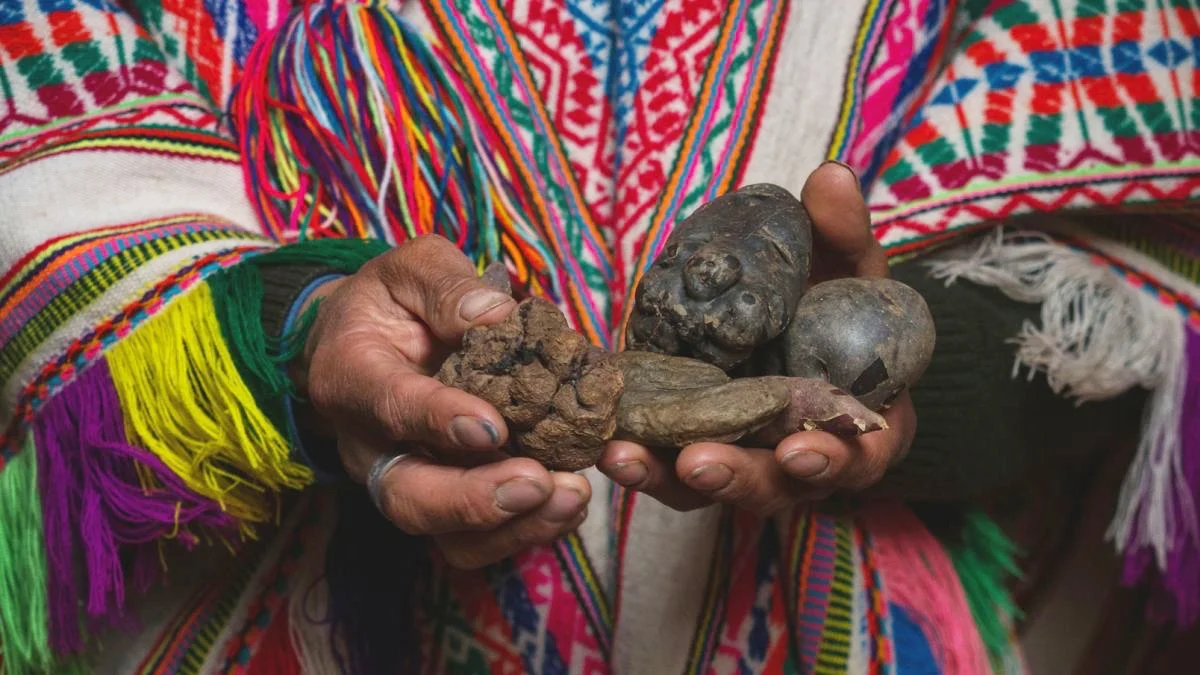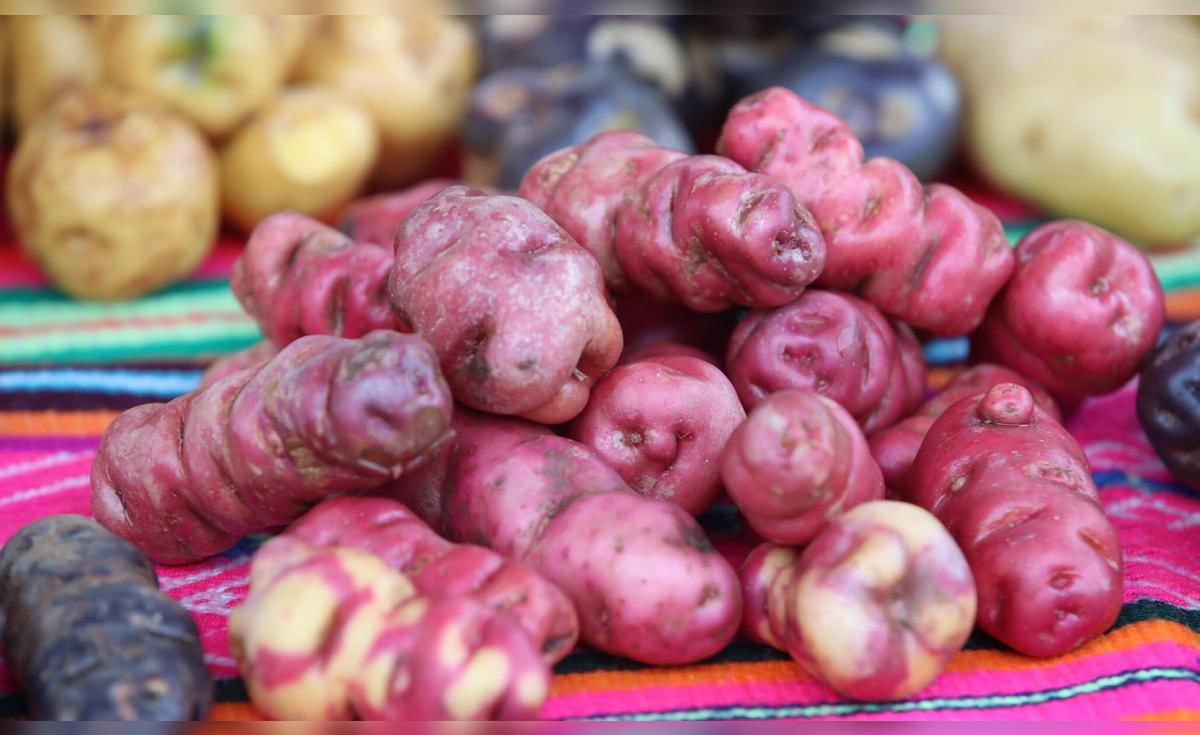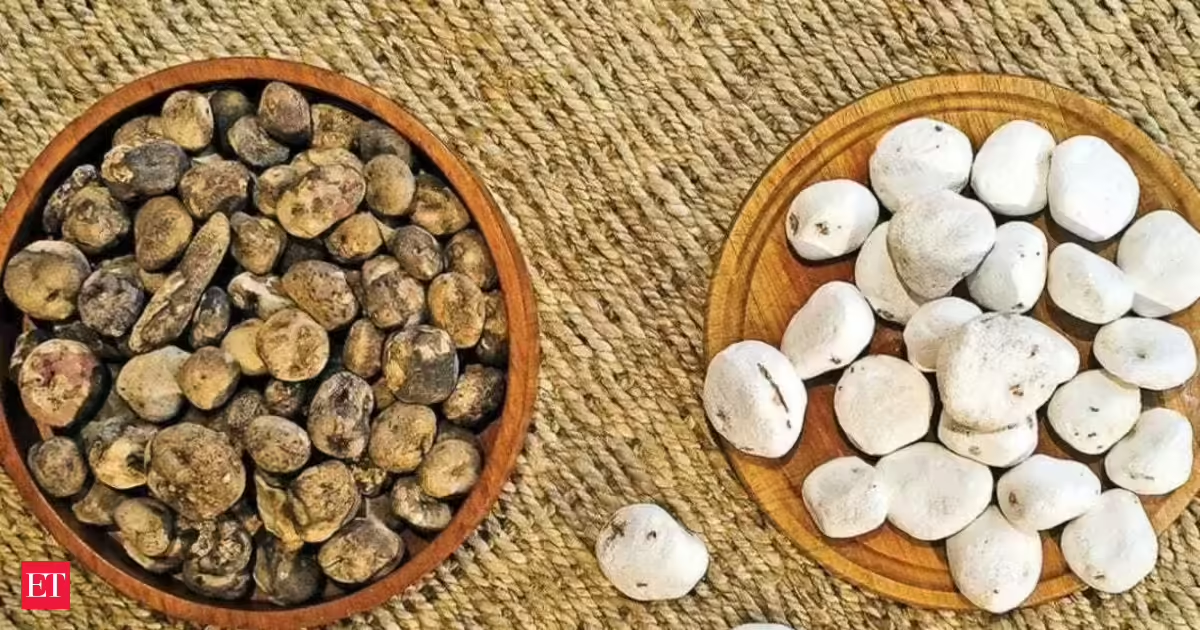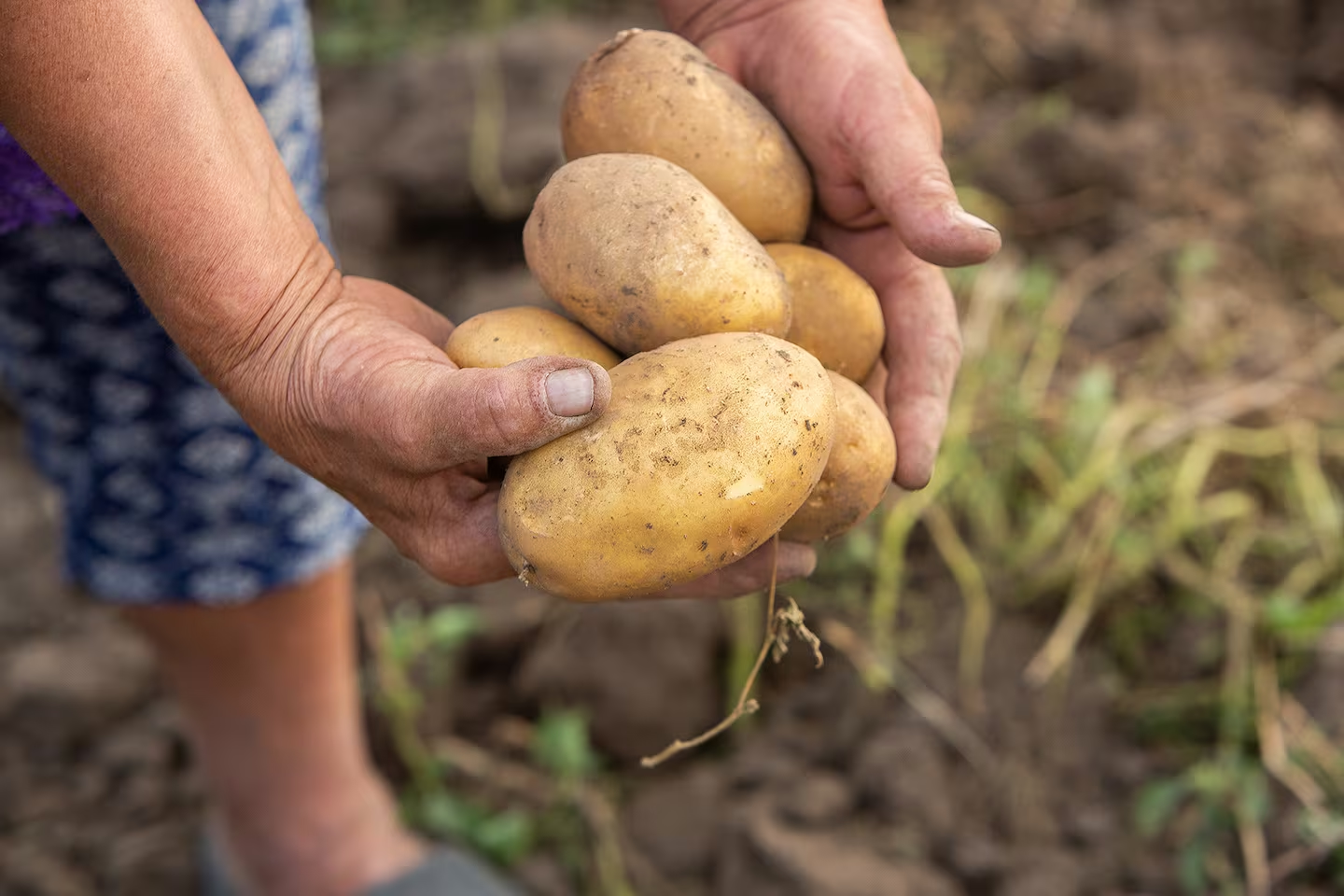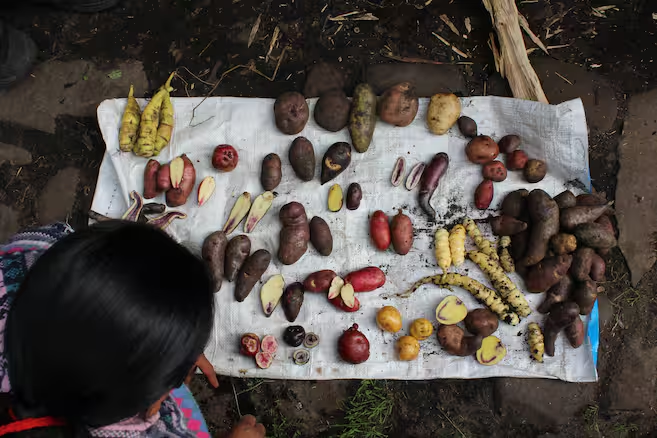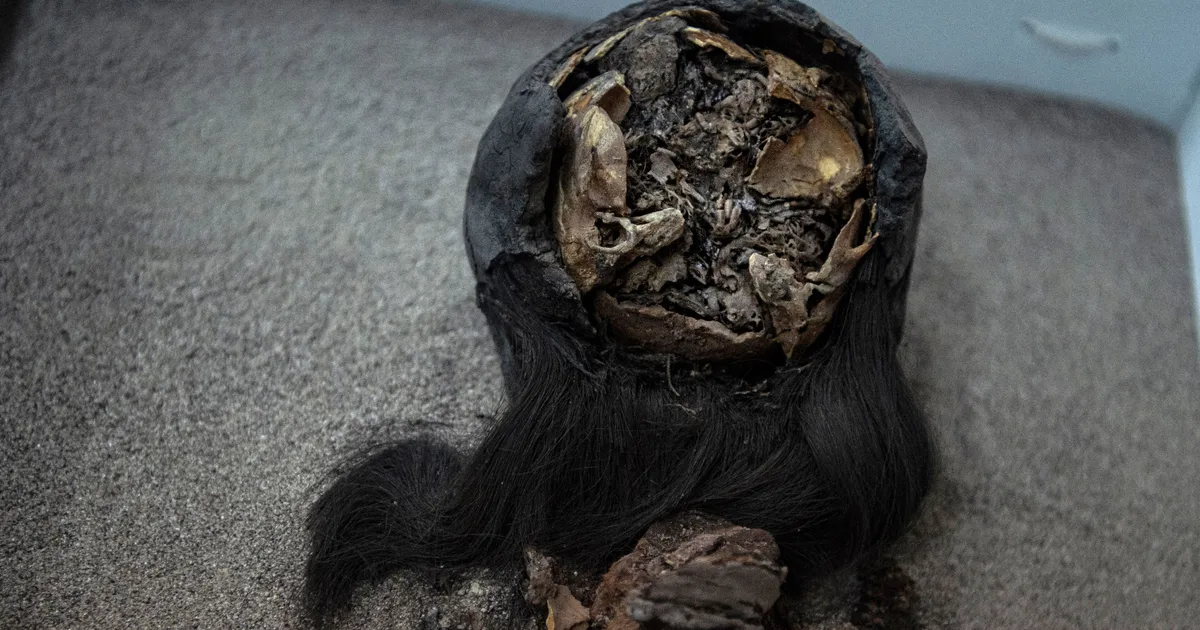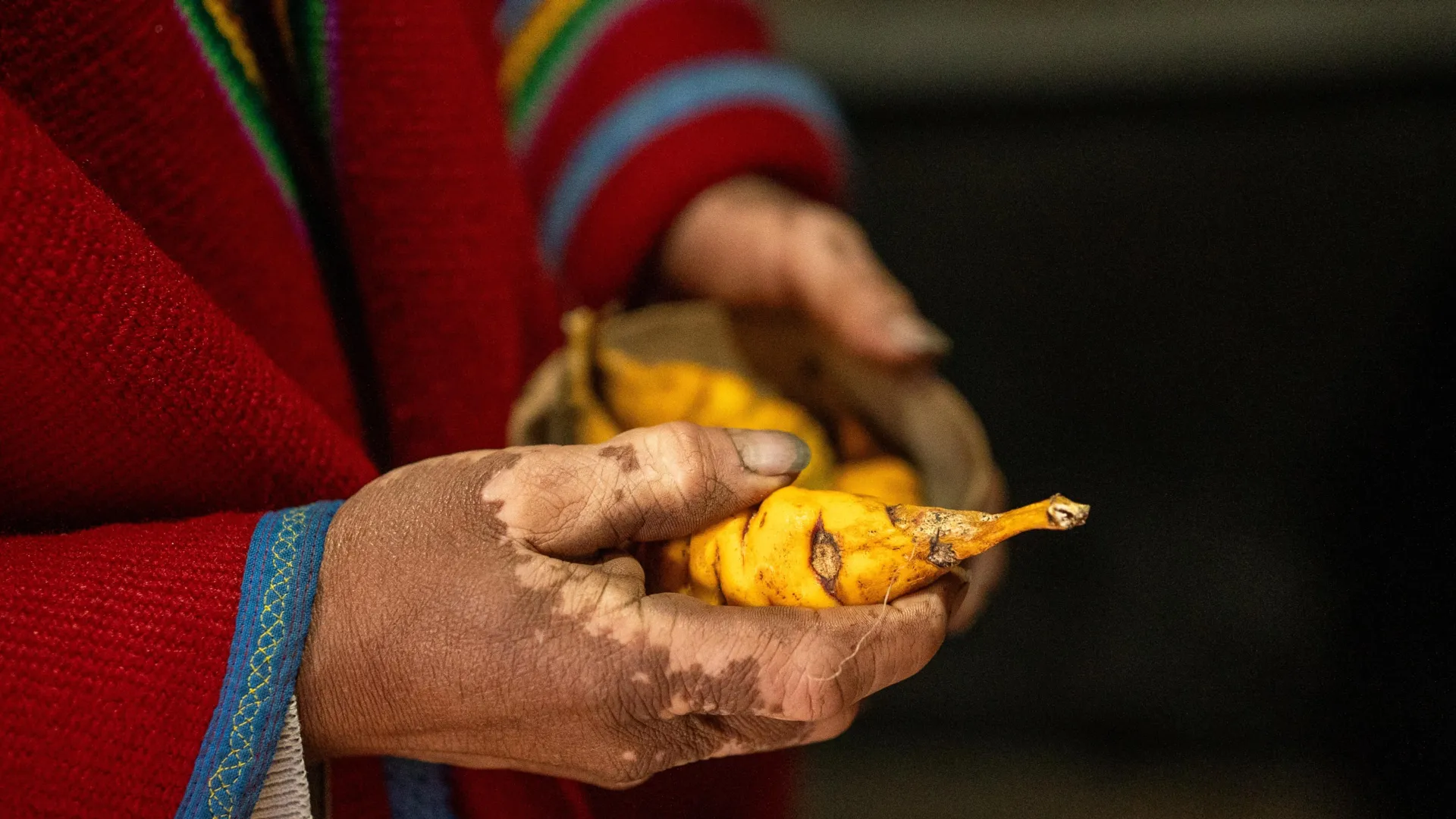
For thousands of years, potatoes have been central to life in the Andes. Indigenous Andean communities were the first to domesticate the starch-rich crop, turning it into a dietary staple long before potatoes spread around the world. Now, researchers have found evidence that this ancient reliance on potatoes may also have shaped human evolution.
Indigenous people in Peru today carry more copies of a gene involved in starch digestion than any other known population. A new study co-led by researchers at UCLA and the University at Buffalo suggests that natural selection began favoring Indigenous Andeans with especially high numbers of the salivary amylase gene, known as AMY1, around the same period that potatoes became established in the Andean highlands roughly 6,000 to 10,000 years ago.
The findings were published recently in the journal Nature Communications.
A Genetic Advantage for Digesting Starch
People who carry more copies of AMY1 generally produce greater amounts of the amylase enzyme in their saliva and are believed to process starch more efficiently, according to Abigail Bigham, an associate professor of anthropology at UCLA who studies populations in the Peruvian Andes and the Himalayas of Nepal.