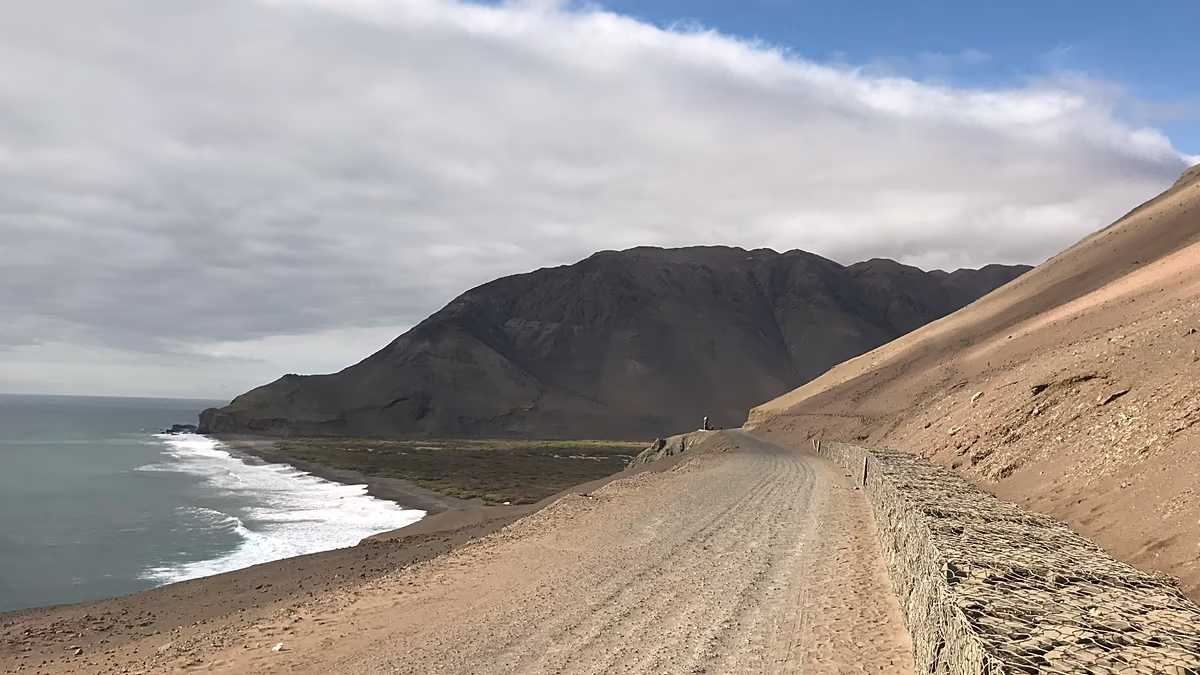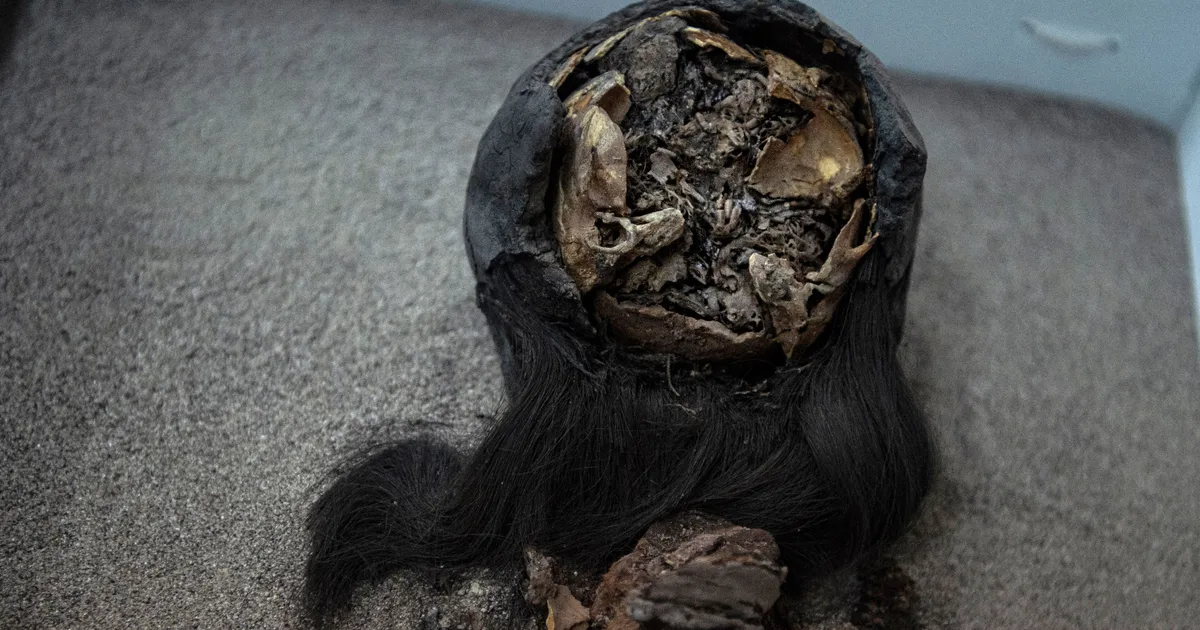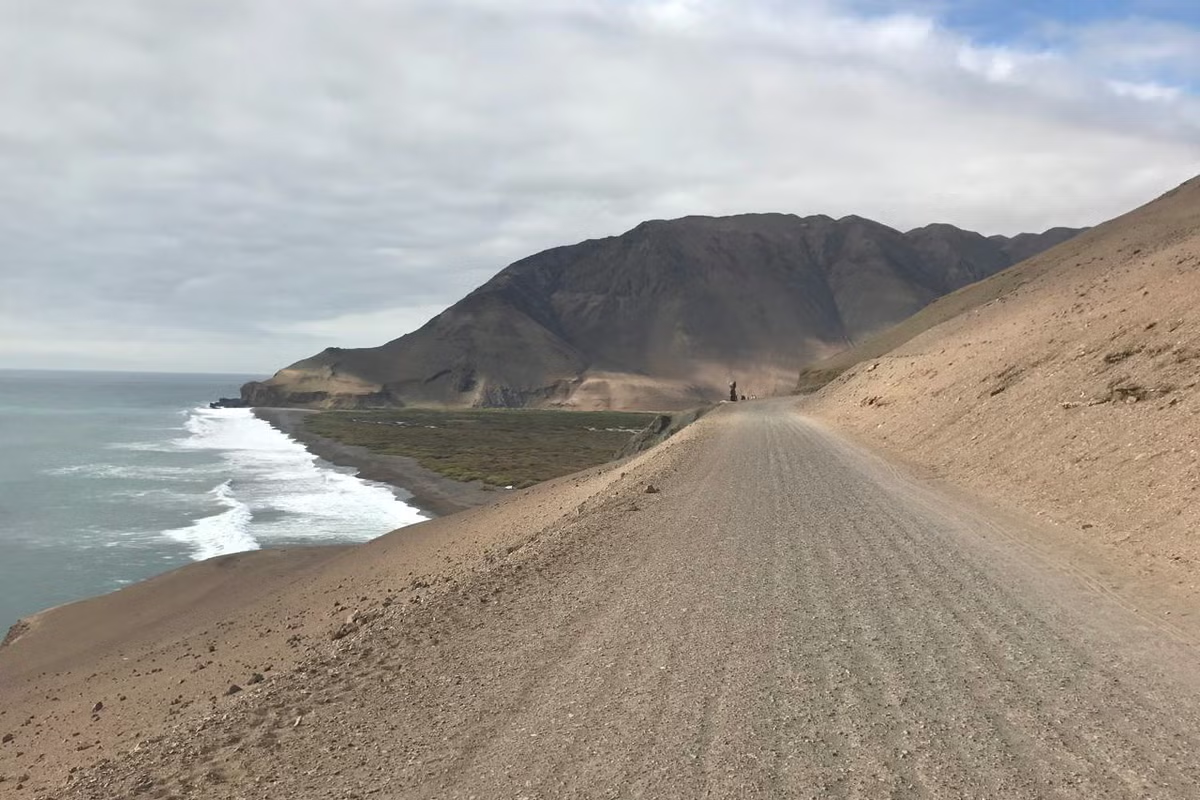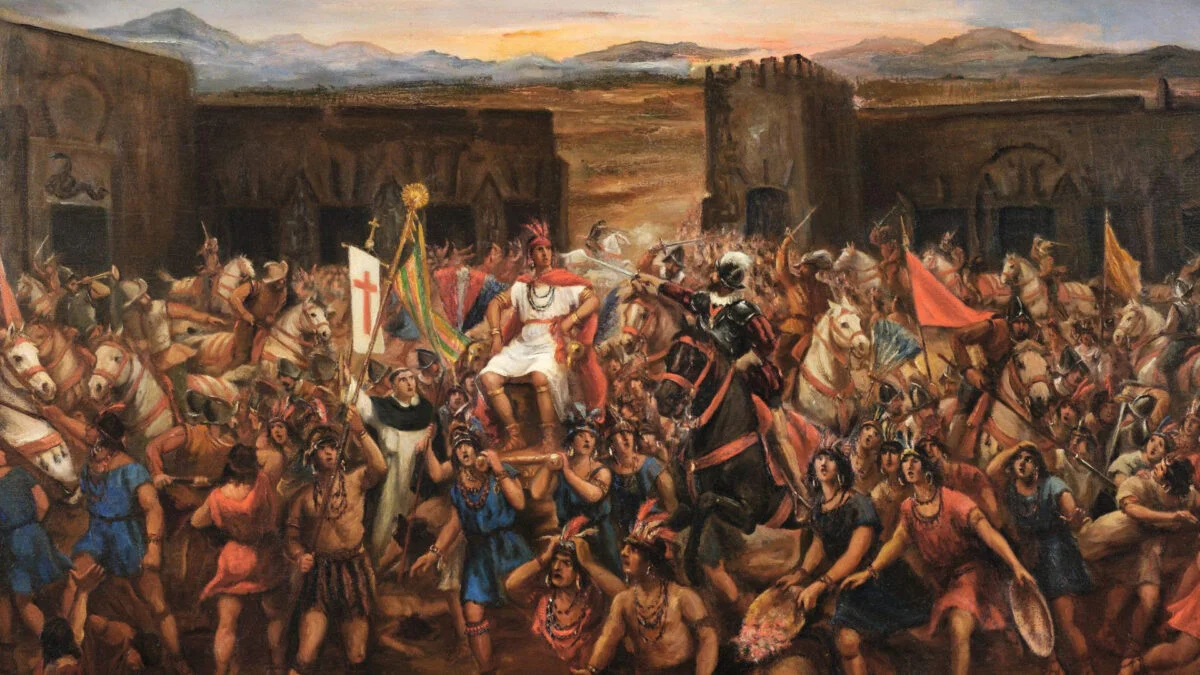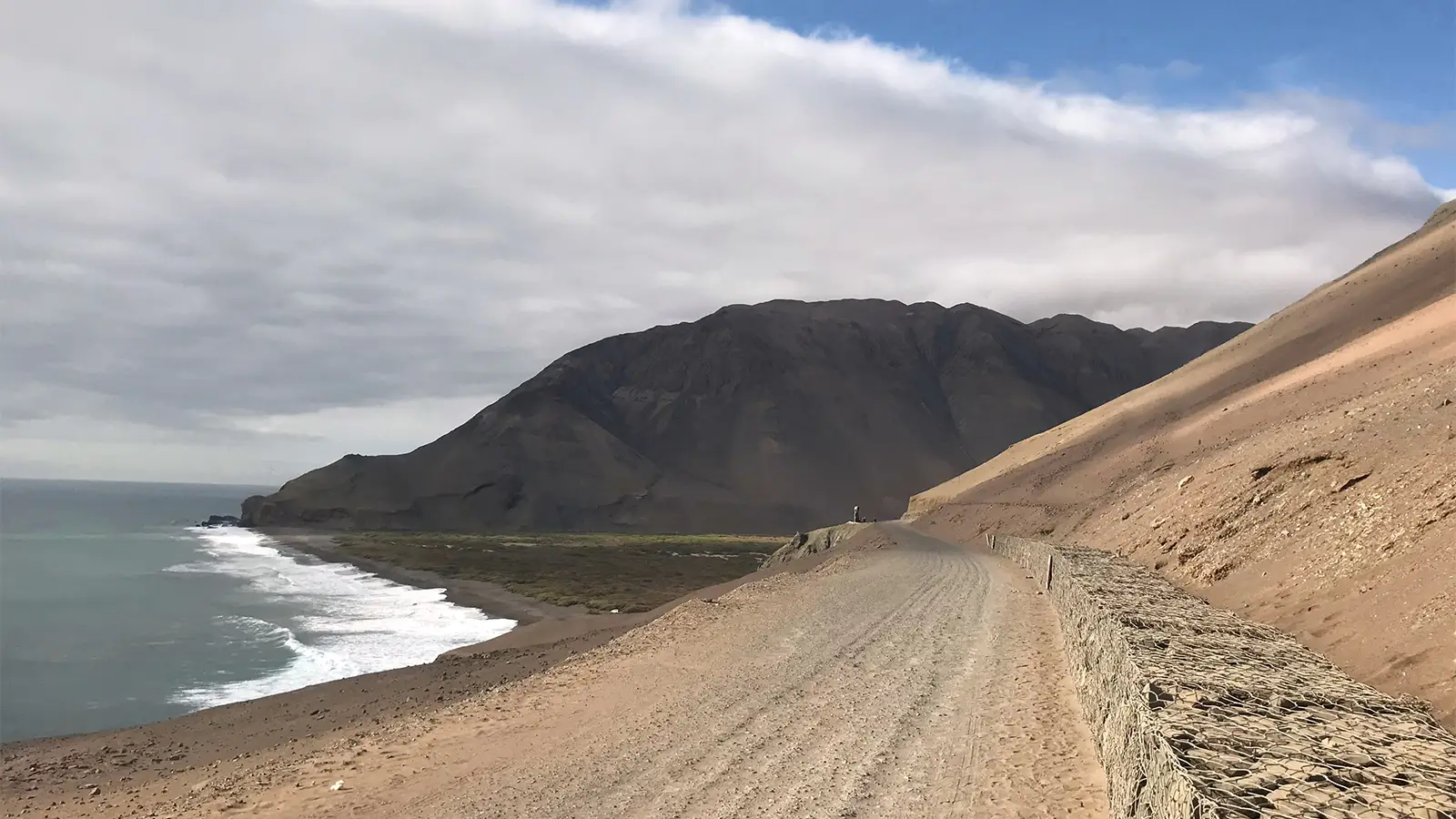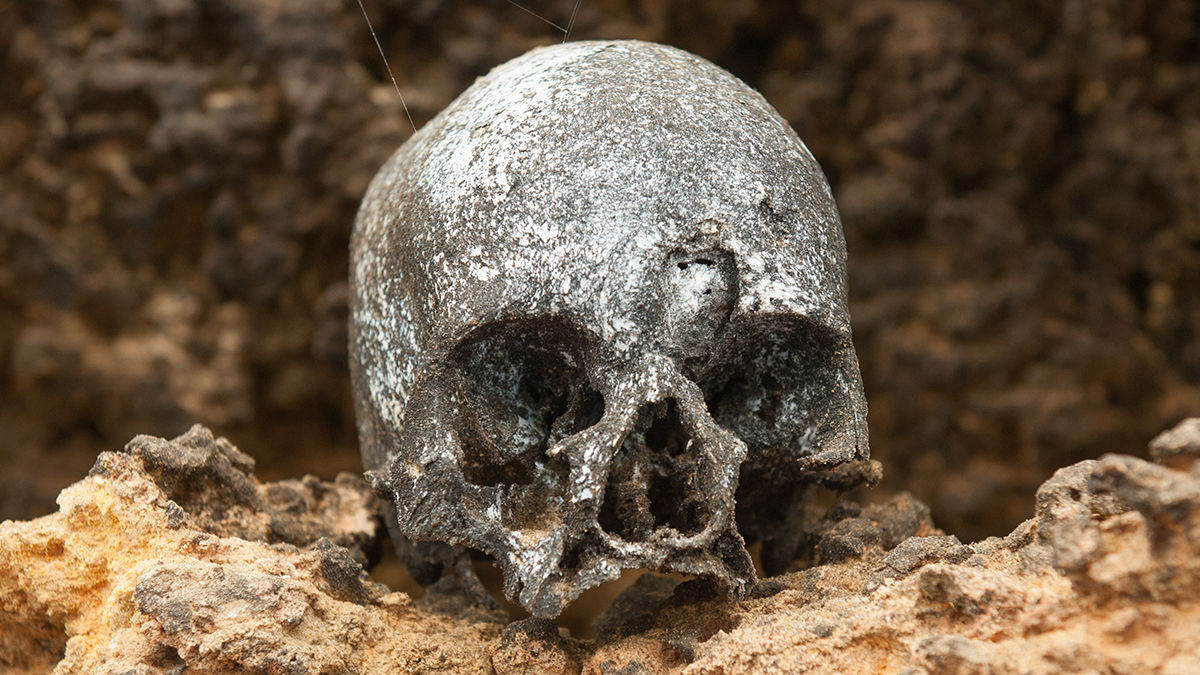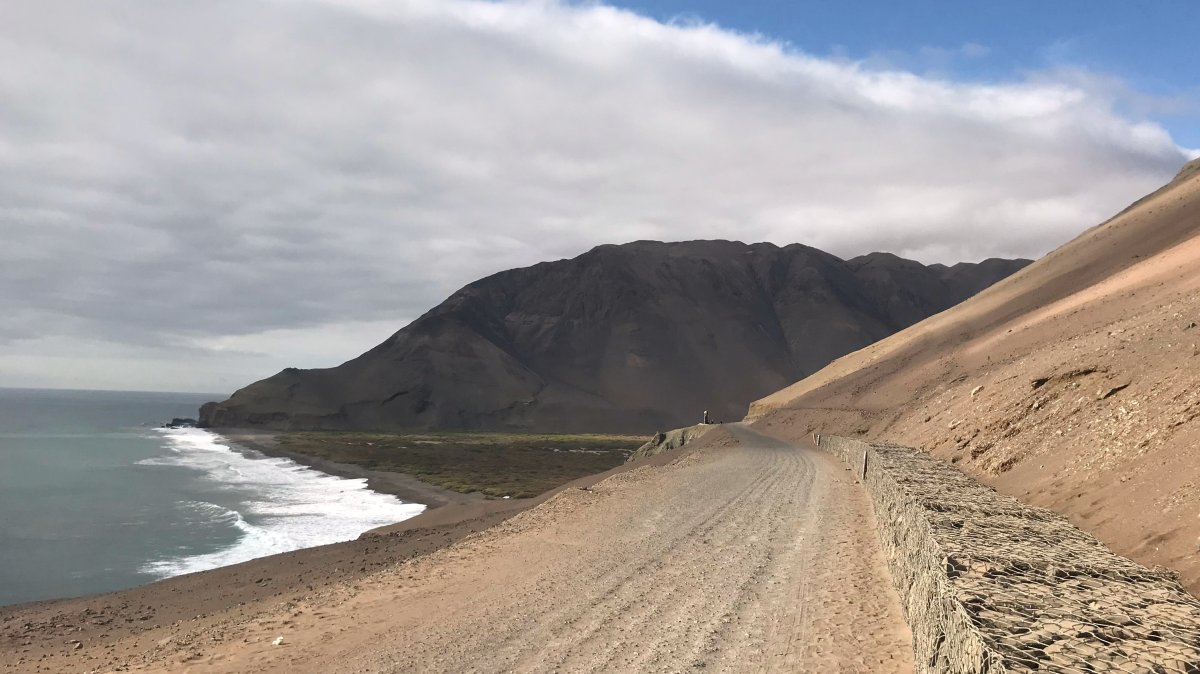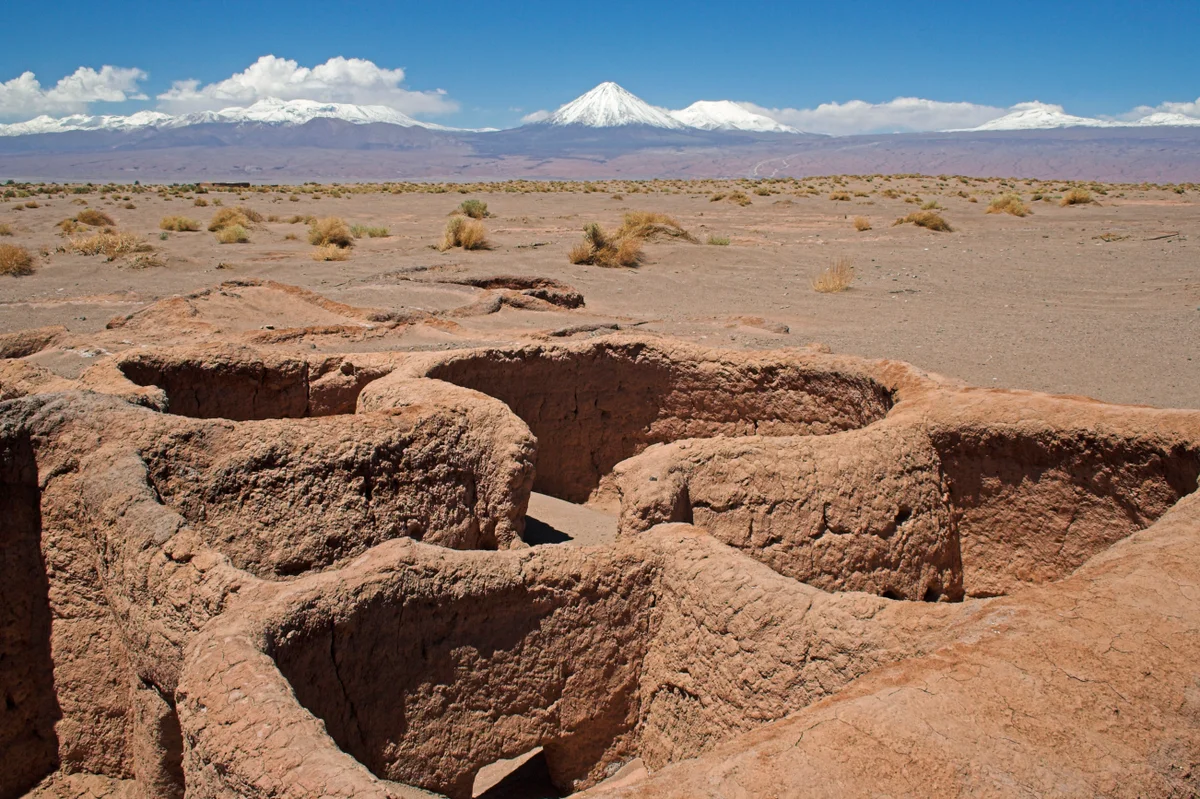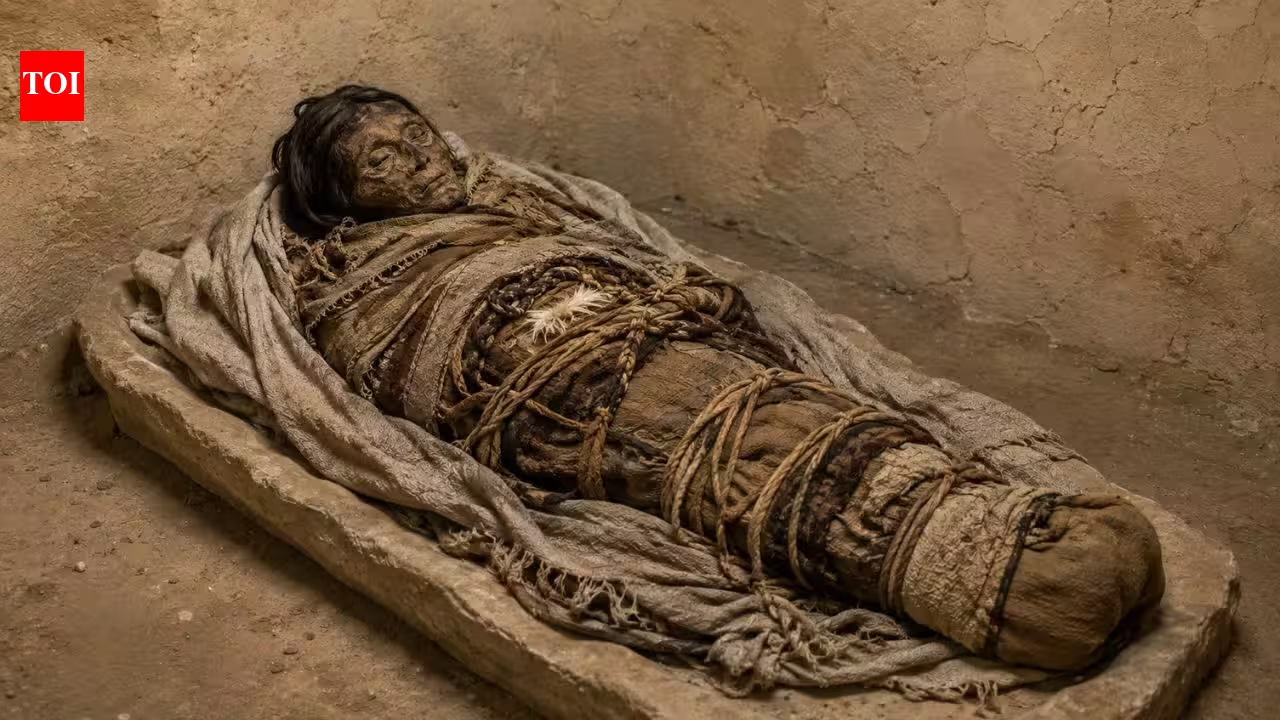
image AI generatedWhen European ships arrived in the Americas towards the end of the 15th century, they brought far more than soldiers and cargo. Infectious disease travelled alongside them, tearing through communities that had no prior exposure to it. For centuries, historians have pieced together this devastating chapter mostly from written sources, but these accounts were largely authored by colonial settlers and rarely tell the whole story.Scientists have now added a new layer of evidence. Ancient DNA extracted from two naturally mummified bodies in northern Chile has confirmed that smallpox was present during the early years of colonisation. Beyond simply corroborating the historical record, the discovery gives researchers a direct look at the virus itself, where it sits within smallpox's broader evolutionary timeline, and how it may have shifted as it tore through newly exposed populations.How scientists discovered smallpox DNA in 500-year-old mummiesThe bodies were recovered from Camarones 9, an archaeological site on Chile's coast that once fell within the southern edge of the Inca Empire. One individual was a woman thought to be between 30 and 35 years old; the other, a man aged around 18 to 20. Neither had been deliberately embalmed; their preservation was entirely down to the surrounding environment.According to the new study published in Science, titled “The genomic identity of early smallpox in South America”, researchers tested bone samples from multiple individuals at the site and found smallpox DNA in two of them. The viral genomes were nearly identical, suggesting both people were infected during the same outbreak or by the same circulating strain. Radiocarbon dating placed their deaths somewhere between 1492 and 1631, squarely within the era of Spanish expansion across South America. As per Reuters, the finding is the first direct molecular proof that smallpox travelled from the Old World to the Americas as a result of European colonisation, offering physical confirmation of an event that permanently altered the continent's demographic makeup.How smallpox devastated Indigenous populations in the AmericasHistorical documents have long described the enormous toll infectious diseases took on Indigenous populations after European arrival. Smallpox spread rapidly among communities with no previous exposure to the virus, making it one of the most destructive epidemics recorded in the Americas.The earliest documented outbreak occurred on Hispaniola in 1518 before the disease expanded across Central and South America. Some historical estimates suggest that smallpox and other introduced diseases killed around 90 per cent of the Indigenous population in parts of the Americas, weakening societies including the Aztec and Inca empires during the period of Spanish conquest.The new genetic evidence helps fill gaps that written records cannot always address. According to the study, colonial documents often reflect the perspective of European settlers and may overlook transmission within Indigenous communities. Ancient viral DNA provides an independent line of evidence that allows scientists to reconstruct when the virus circulated and how it spread across populations.Scientists discover an extinct smallpox strain in ancient Chilean genomesThe recovered genomes did not belong to the strains known from the 20th century. Instead, they occupied a separate branch in the virus's evolutionary history.The Chilean viruses represent a now-extinct lineage that split from other known smallpox strains around the late 13th century. They sit evolutionarily between medieval European viruses and the forms that later became widespread in more recent centuries. This makes the genomes an important reference point for understanding how the virus evolved.The researchers also observed a long period of genetic change leading up to the 16th century. That pace slowed during the major epidemics associated with European colonisation before increasing again after the first smallpox vaccine was introduced in 1796. The scientists suggest this pattern may indicate the virus had already become highly adapted to infecting human hosts during the height of the colonial epidemics.How ancient viral genomes are helping scientists understand smallpox evolutionThe implications stretch well past archaeology. Ancient viral genomes act like time capsules, letting scientists trace evolutionary shifts that simply aren't visible in modern samples.The Chilean genomes offer a new fixed point in time for understanding how smallpox gradually adapted to human hosts, partly through the loss or deactivation of specific genes. The study also suggests that shifts in population size and transmission patterns during the colonial period may have shaped the virus's evolutionary trajectory.Smallpox no longer exists in the wild. The final naturally occurring case was recorded in Somalia in 1977, and the World Health Organisation officially declared it eradicated in 1980, following a sustained worldwide vaccination effort. Even so, findings like this one show how much ancient DNA still has to teach us, offering a window into events that reshaped human history centuries after they occurred.
Scientists studying 500-year-old Chilean mummies have uncovered the first DNA evidence of smallpox in the Americas
When European ships arrived in the Americas towards the end of the 15th century, they brought far more than soldiers and cargo. Infectious disease travelled alongside them, tearing through communities that had no prior exposure to it.
769 words~3 min read