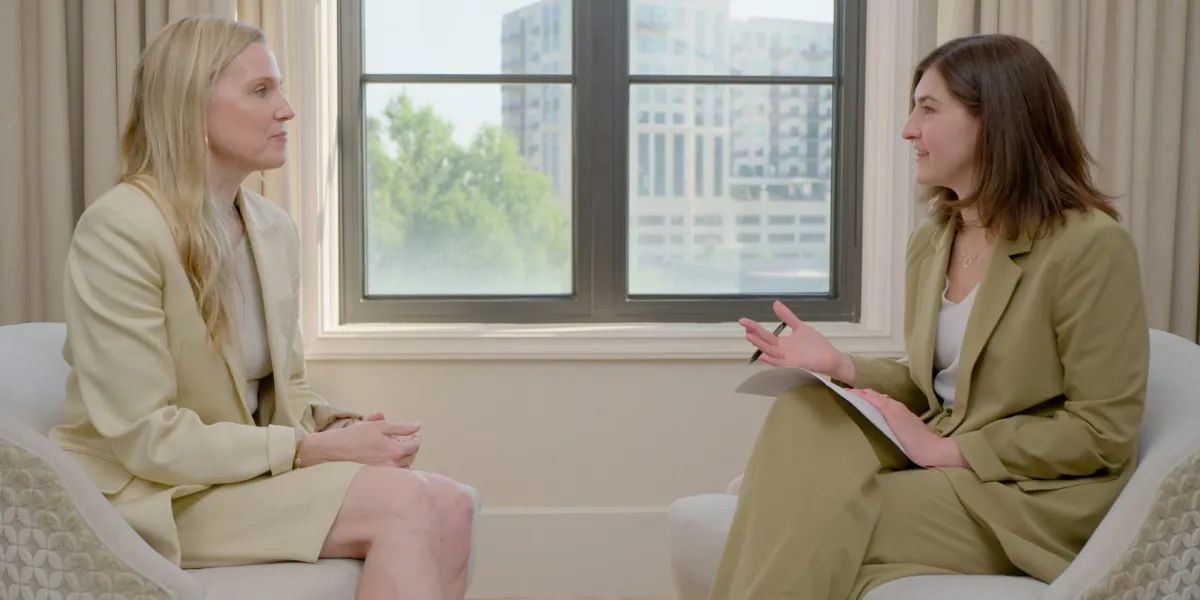
These questions surfaced repeatedly in my conversations last week at the Ai4 conference in Las Vegas, where I spoke with C-suite leaders, academics, and startup founders about how AI is transforming hiring.
Case in point: Kathleen Walch, director of AI engagement and community at the nonprofit Project Management Institute, told me she recently received multiple résumés that were “so overfit” for an open role that the candidates couldn’t plausibly possess all the skills they claimed.
“It’s annoying. And guess what? If you do it, you’re probably not getting calls for interviews,” she said in our onstage conversation, adding: “If you do that, you’re losing your authentic human self. Why are we hiring you? Because you’re a human. If we didn’t want to hire a human, we would create an AI agent.”
Still, the résumé has a role in hiring for now. But AI is putting more pressure on the interview to reveal what a candidate can do. Walch focuses on methodology, asking candidates to walk her through the exact steps they took when managing a complex project, including where they went wrong and how they adjusted.
Aisha Lawrey, Johns Hopkins University’s responsible AI portfolio lead, said she tests candidates’ ethical judgment, probing how they think about a fundamental question: “For all of these different AI tools, just because you can, should you?”