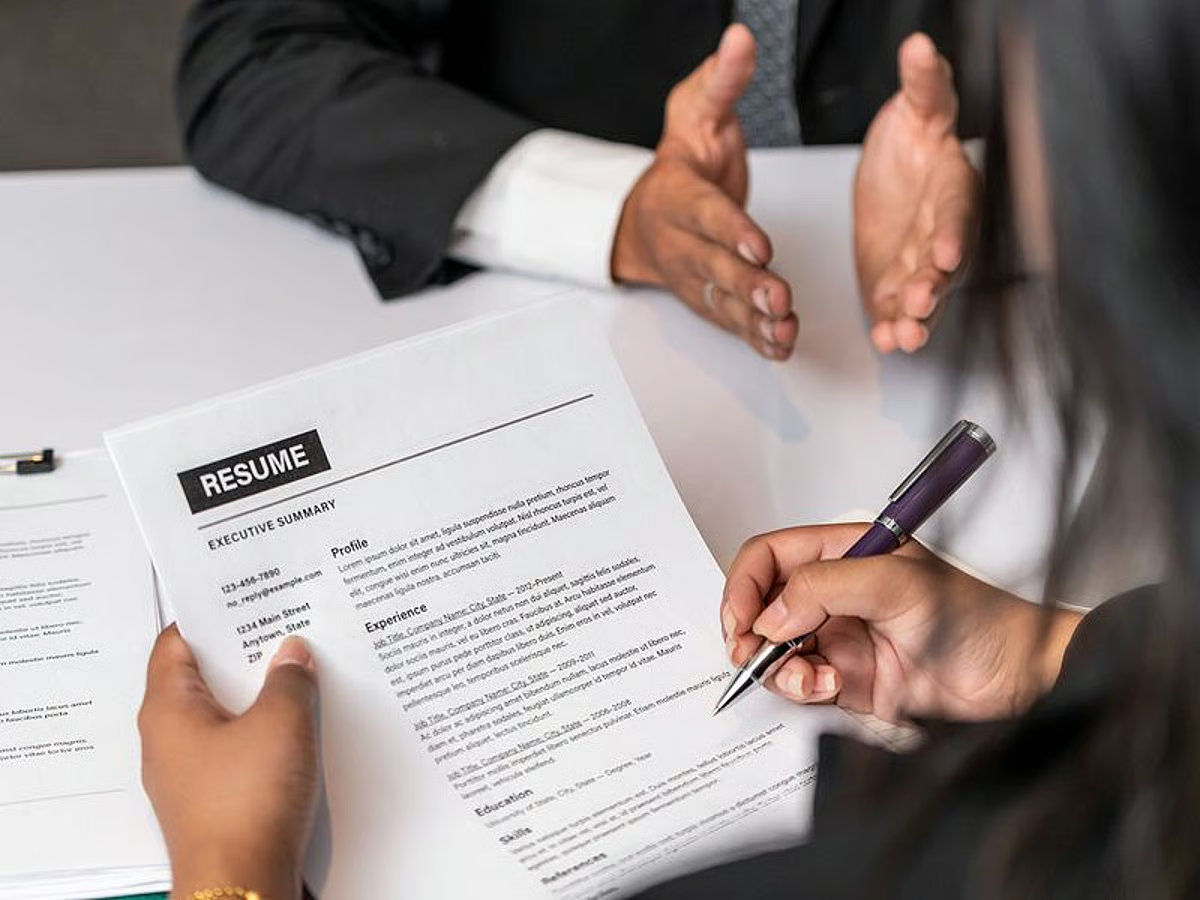
Photo CreditgettyAI has been integrated into the hiring process at most major companies. They’re using it to write job descriptions, screen resumes, match candidates to open roles, schedule interviews, and even conduct portions of the interview process. Employers understand the power of AI and are eager to delegate a lot of the hiring process to AI. At the same time, they’re suspicious of candidates who use AI as part of the job search process.AI Is Making It Harder To Identify The Ideal CandidateNew research from Resume Genius highlights this growing double standard. In a survey of 1,500 U.S. hiring managers, 87% said their organizations use AI during the hiring process. At the same time, nearly the same percentage (82%) said they’re concerned about candidates using AI in the job search process. Nearly six in ten hiring managers report having seen AI-generated resumes or cover letters, and almost half have seen candidates use AI to answer interview questions. This should come as no surprise. AI has made it easy to produce content of all types, and that includes polished resumes, customized cover letters, and optimized LinkedIn profiles. It can even create convincing interview responses. Employers are concerned that they can no longer determine whether a candidate's application genuinely reflects that person's abilities. The irony is clear. Many employers are creating exactly the environment they're concerned about.AI Has Changed Both Sides Of The Hiring EquationEver since the resume was invented, job seekers have been told to customize every resume and cover letter. And since the dawn of automated application tracking, they’ve been told to optimize every job submission to make sure it gets past the ATS. Today, AI can make all that happen in a matter of seconds. Employers have already adopted AI to increase efficiency throughout recruiting. According to the Resume Genius survey:58% use AI to screen resumes46% use it to write job descriptions44% use it to match candidates to positions41% use it to schedule interviews35% use it for background verification33% use AI in skills assessmentsBoth employers and candidates are using the same technology to improve outcomes. They both see their use of AI as a way to increase efficiency, but employers look at candidates using AI as a way to cheat the system.AI Is Making The Resume Lose Its Value As A DifferentiatorThe problem isn’t that candidates are using AI. The problem is that AI has fundamentally changed what a resume can tell us. A resume has always been a marketing document. Candidates choose what to include, emphasize achievements, express their unique personal brand, and present themselves in the best possible light. And hopefully, they avoid these major resume mistakes. AI hasn't changed that reality. It has simply raised the quality of nearly everyone's marketing materials. Today, almost anyone can produce a well-written resume in minutes.That means resumes are becoming less useful as a way to distinguish one candidate from another. When everyone's application matches the job requirements and looks well-written, employers need better ways to identify the real skills of applicants.In The AI Era, The Future Of Hiring Is More HumanAs AI makes written materials more consistent, organizations will need to incorporate experiences that help reveal the real person behind the AI-generated application. That means placing more emphasis on:Live problem-solving exercisesStructured interviewsCase discussionsWork samplesPortfolio reviewsPublic speakingSimulationsTeam interactionsCommunication skillsThese are skills that AI can’t easily copy. They help employers see how candidates think, collaborate, communicate, adapt, and solve problems in real time. Ironically, AI might actually make the hiring process more human, not less. There are some tools that go beyond the resume, allowing employers to gain deeper insights into candidates. “Employers need to trust but verify. The step that has historically seen the most bias has been the resume screen. AI is changing the application. With the introduction of front-loaded applications that include multimedia inputs and response formats, employers are now presented with a variety of automated, verifiable data points and insight about the candidate up front,” says Catharine Fennell, CEO and Founder of videoBIO Recruiter, a company that specializes in conversational video insights for hiring teams.Communication Has Become A Competitive AdvantageOne capability will become especially valuable: Communication. Candidates who can express ideas, tell compelling stories, answer unexpected questions, explain how they deliver value at work, and build trust in live conversations will stand out. That's because communication is difficult to fake. AI can help someone draft a resume, but it can’t attend a meeting, read the room, adjust to audience reactions, or build authentic relationships. Those are truly human capabilities.Employers Must Adapt Their Hiring Practices In The Age Of AIThe Resume Genius report also found that 86% of hiring managers believe AI will make it harder to determine whether candidate materials genuinely reflect a person’s abilities. But asking candidates to stop using AI is probably not the answer. The technology is here to stay.Instead, employers need to redesign how they evaluate talent. That means building a hiring process that is more focused on demonstration rather than on documentation. It also means acknowledging that AI has become a productivity tool, much like spell check, search engines, or presentation software. The important question is no longer whether candidates used AI. The more meaningful question is: Can they perform when it matters?A New Definition Of AuthenticityOne finding from the survey deserves particular attention. Only 35% of companies say they always disclose when AI is being used to evaluate candidates. One in five companies don't disclose their AI use at all. Transparency should work both ways. If employers expect candidates to be honest about their use of AI, organizations should also be transparent about how AI influences hiring decisions. Otherwise, they’re diminishing trust with candidates from the start of their relationship.The Great Human Premium - AI Is Making Work More HumanThis hiring paradox reflects a much larger shift taking place across the workplace. As AI becomes better at generating content (including career marketing materials), summarizing information, and automating routine work, uniquely human capabilities become more valuable:JudgmentCommunicationCuriosityCreativityEmotional intelligenceRelationship buildingAuthenticityThese qualities are becoming increasingly difficult to experience from a resume alone. They have to be witnessed. That’s why we're entering what I call The Great Human Premium. Despite the fear of AI taking over knowledge workers’ jobs, AI isn't eliminating the value of people. It's changing where that value comes from.AI Is Making Human Capabilities More Important Than EverAs AI continues to improve, making everyone’s resume a perfect match for open jobs, companies will have to find new ways of determining who the truly ideal candidates are. Today, the best candidate may no longer be the one with the perfect resume, it will be the one who can demonstrate the human capabilities that organizations need most.William Arruda is a keynote speaker, personal branding pioneer, and Senior Contributor to Forbes. Join his complimentary Maven Lightning Lesson, Public Speaking Myths: What Great Presenters Really Do in the Age of AI.
The AI Hiring Paradox: Employers Use AI But Don't Trust Candidates Who Do
As AI continues to improve, making everyone’s resume a perfect match for open jobs, companies will have to find new ways of determining who the truly ideal candidate is.
1,144 words~5 min read