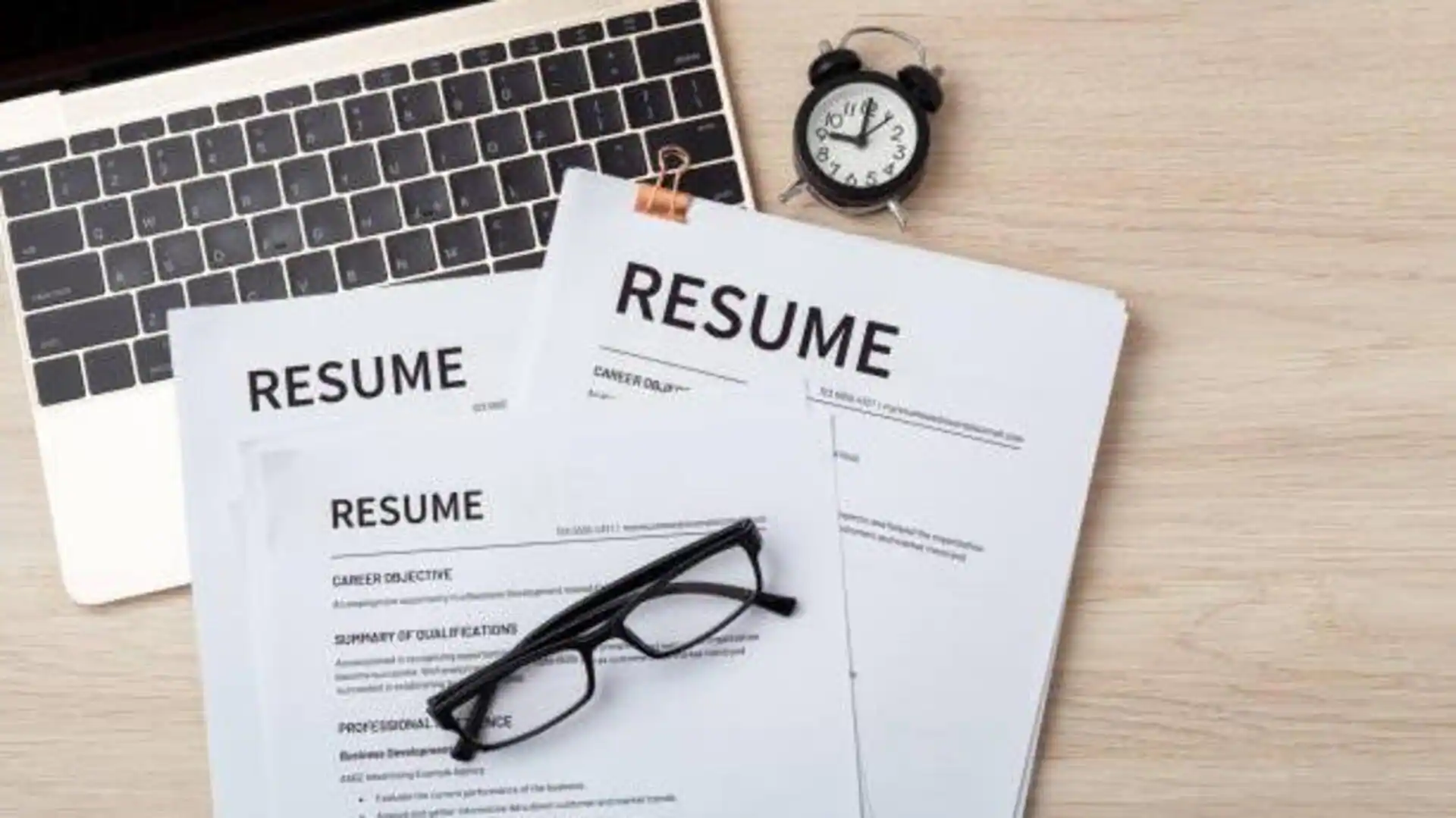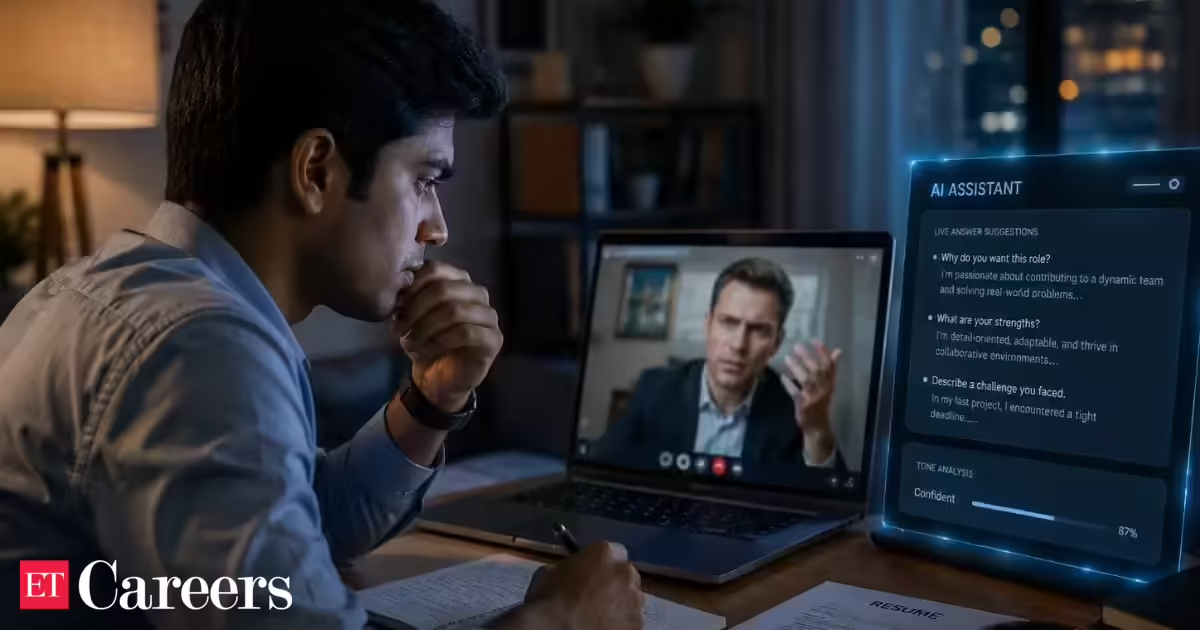
As AI transforms resumes, hiring managers are looking for clearer proof of skills and results.gettyYou can now use AI to tailor a resume to a job description in seconds, sharpen your bullet points and prepare for an interview with personalized coaching. While those tools can help you present yourself more effectively, they create a new problem for hiring managers. When every candidate can produce a high-quality job application, it gets harder to tell who can deliver results in the role.The concern is already showing up in the data. A recent analysis published in Harvard Business Review found that AI has weakened employers' confidence in resumes and remote interviews. In addition, Resume Genius's 2026 Hiring Insights Report found that 76% of hiring managers say AI-written resumes make it harder to understand what a candidate actually accomplished. As a result, hiring managers are shifting their focus away from presentation and toward demonstrated performance.Why Hiring Managers Are Losing Trust In ResumesAI makes compelling resumes available to almost everyone. A job seeker can now paste a job description into a chatbot and receive tailored bullet points, keyword suggestions and accomplishment statements in seconds. As more applications start to look polished, hiring managers have a harder time telling which candidates have the job skills and experience the role requires.In the past, a well-written resume often signaled effort. Candidates who invested time in refining their accomplishments, tailoring their applications and clearly communicating their value could stand out. Today, many of those same tasks can be completed in minutes with AI. Resumes still matter, but they don't carry the same weight on their own. That's why hiring managers are looking beyond language and paying closer attention to measurable results, verified experience and examples of real work.Why Hiring Managers Want Evidence Instead Of ClaimsAs AI makes it easier to produce impressive resumes, hiring managers are paying less attention to how accomplishments are described and more attention to what was achieved. They're looking for measurable results, examples of problems you've solved and evidence that you've applied your skills in practical settings.MORE FOR YOULauren Mastroni, career expert at Resume Genius, says AI has raised the baseline quality of resumes, making clean formatting and strong writing less effective at helping candidates stand out. "What employers are looking for now is evidence: specific outcomes, measurable results, and examples of problems you've solved," she says. Consider the difference between a bullet point that says, "Managed social media accounts," and one that says, "Increased Instagram engagement 42% in six months through a new content strategy." Both describe experience, but only one clearly demonstrates impact.Why Hiring Managers Value Internship Experience More Than EverThis emphasis on demonstrated results helps explain why internship experience has become increasingly important for recent graduates. According to a ZipRecruiter survey, graduates with work experience are being hired at nearly twice the rate of those without it—81.6% versus 40.7%.The advantage is that internships provide evidence that a candidate has applied their skills in a professional setting. Internships often include supervisors who can verify contributions, projects completed under real workplace demands and the quality of a candidate's performance. They also expose candidates to deadlines, collaboration, feedback and accountability in ways that classroom assignments often cannot.For hiring managers, that experience reduces some of the uncertainty that comes with evaluating applicants. Instead of relying only on how a candidate describes their abilities, employers can look at how those abilities were applied in a real organization. In an era when AI can help improve applications, that type of demonstrated experience has become increasingly valuable.What Hiring Managers Want From Candidates Without InternshipsFortunately, hiring managers aren't limiting their search for evidence to traditional jobs and internships. Academic projects, freelance assignments, volunteer leadership roles and independent initiatives can all help demonstrate your abilities when they're presented with clear context and outcomes.The key is to show what changed because of your efforts. A marketing student might highlight how a class project increased website traffic or engagement. A volunteer coordinator could quantify growth in event attendance or fundraising results. A freelance designer might showcase client outcomes through a portfolio. Hiring managers aren't necessarily looking for paid experience. They're looking for proof that you've applied your skills and produced meaningful results.Why Hiring Managers Care How You Use AIIronically, the same technology that makes resumes harder to evaluate is becoming an expected part of many jobs. Employers increasingly want candidates who can use AI productively and responsibly. The mistake is treating AI as a skill in itself rather than showing how you used it to achieve a result.Simply listing ChatGPT or other AI tools on your resume tells employers very little. A stronger approach is explaining how AI helped you complete research, streamline a workflow, analyze information or improve a project outcome. Hiring managers aren’t impressed by a list of tools. They're interested in how those tools helped you work more effectively and create value.How Hiring Managers Verify What You Actually DidAs resumes become easier to optimize, hiring managers are looking for ways to validate what appears on the page. That may include asking more detailed follow-up questions, requesting work samples, reviewing portfolios or paying closer attention to references. The goal is to understand not only what you claim to have done, but how you approached the work and the role you played in the outcome.You can prepare by being ready to explain the context behind your accomplishments. Know the problem you were solving, the actions you took, the tools you used and the outcome you helped create. Hiring managers are more likely to trust a result when you can walk them through the process behind it.What Hiring Managers Want Most In The Age Of AIAI isn't making resumes obsolete, and it's not eliminating the need for interviews. But it is changing how hiring managers evaluate candidates. When polished resumes and well-rehearsed interview answers become easier to produce, employers need other ways to assess capability.The candidates who stand out are the ones who can show measurable results, demonstrated skills and examples of work they’ve completed in professional settings. As AI makes compelling application materials easier to produce, the most valuable thing you can offer hiring managers isn't a perfectly written resume. It's credible evidence that you can deliver results.
What Hiring Managers Want Now That AI Can Write Resumes
Hiring managers are rethinking resumes as AI makes applications easier to tailor. Here’s why employers now want measurable results and real-world proof.
TL;DRAI
76% of hiring managers can't separate real accomplishments from AI-generated polish, pushing focus toward measurable outcomes and verified portfolios. For tech leaders, hiring now depends on demonstrated impact—shipped projects, results—over presentation quality.
1,036 words~5 min read