Software teams are under constant pressure to build faster.
Businesses want internal tools launched in days, MVPs tested quickly, workflows automated without large engineering teams, and production applications that can scale without becoming difficult to maintain.
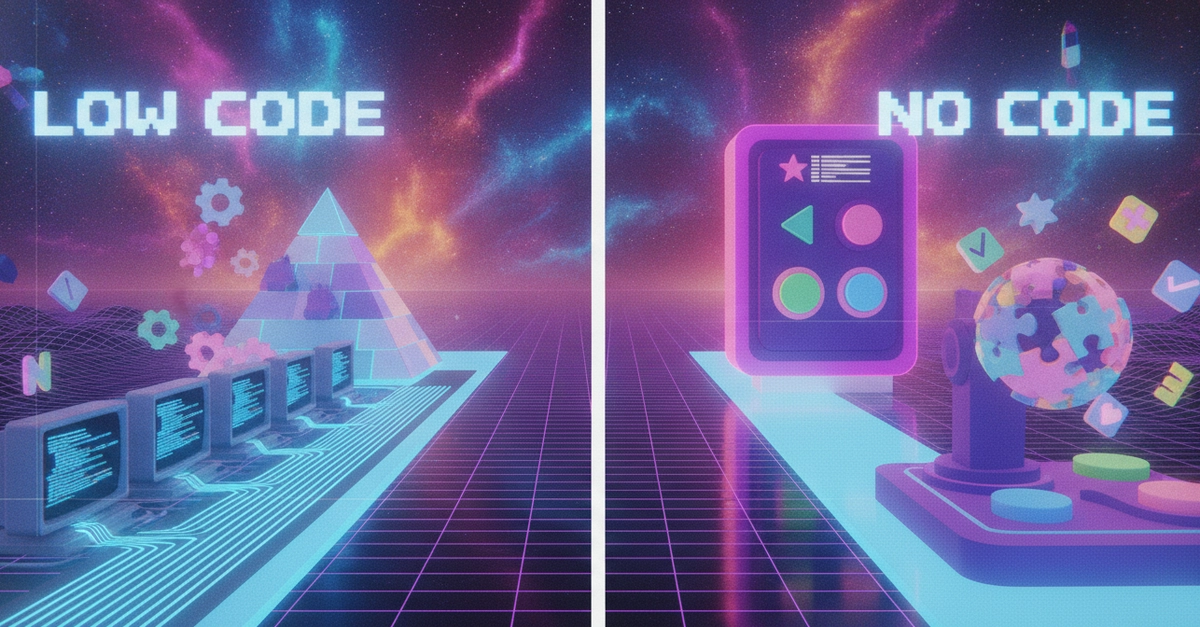
That pressure has made low-code development increasingly attractive.
Instead of writing every component manually, developers can use visual builders, prebuilt integrations, workflow editors, database connectors, and reusable components to assemble applications faster.
But traditional high-code development still provides something low-code platforms often struggle to match: complete control.