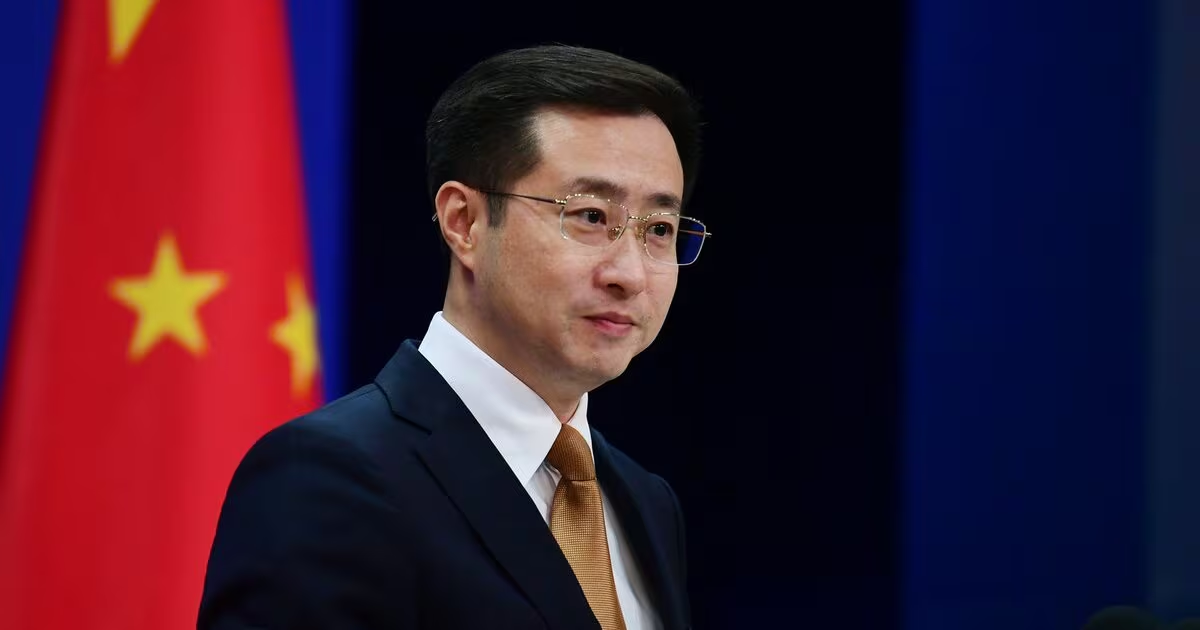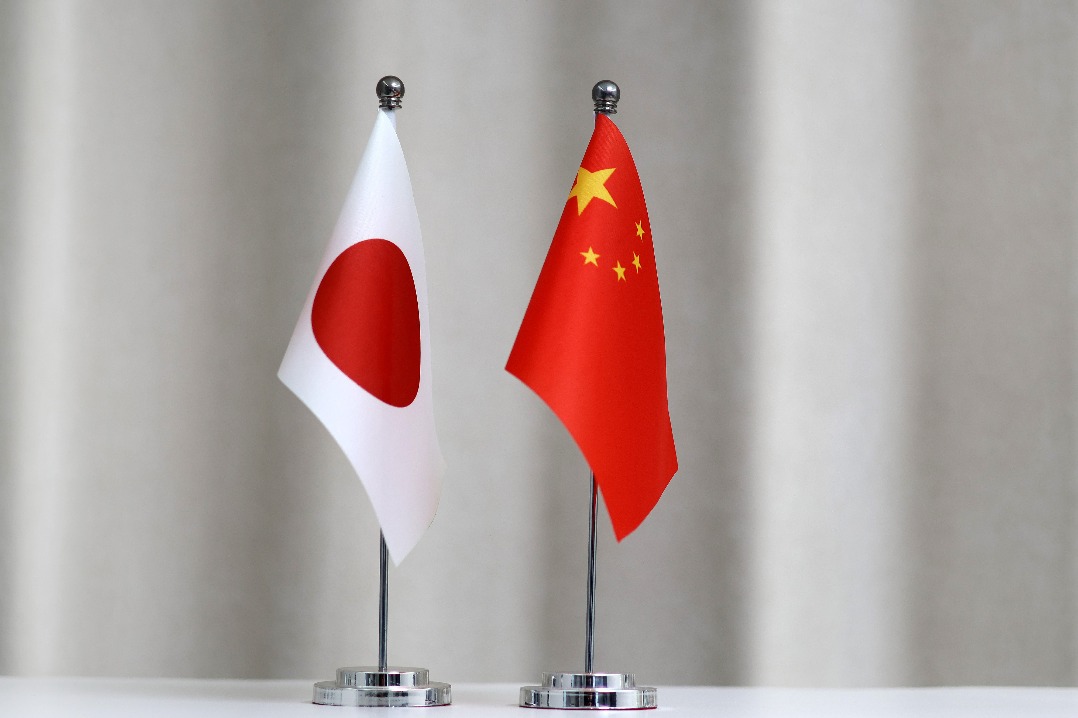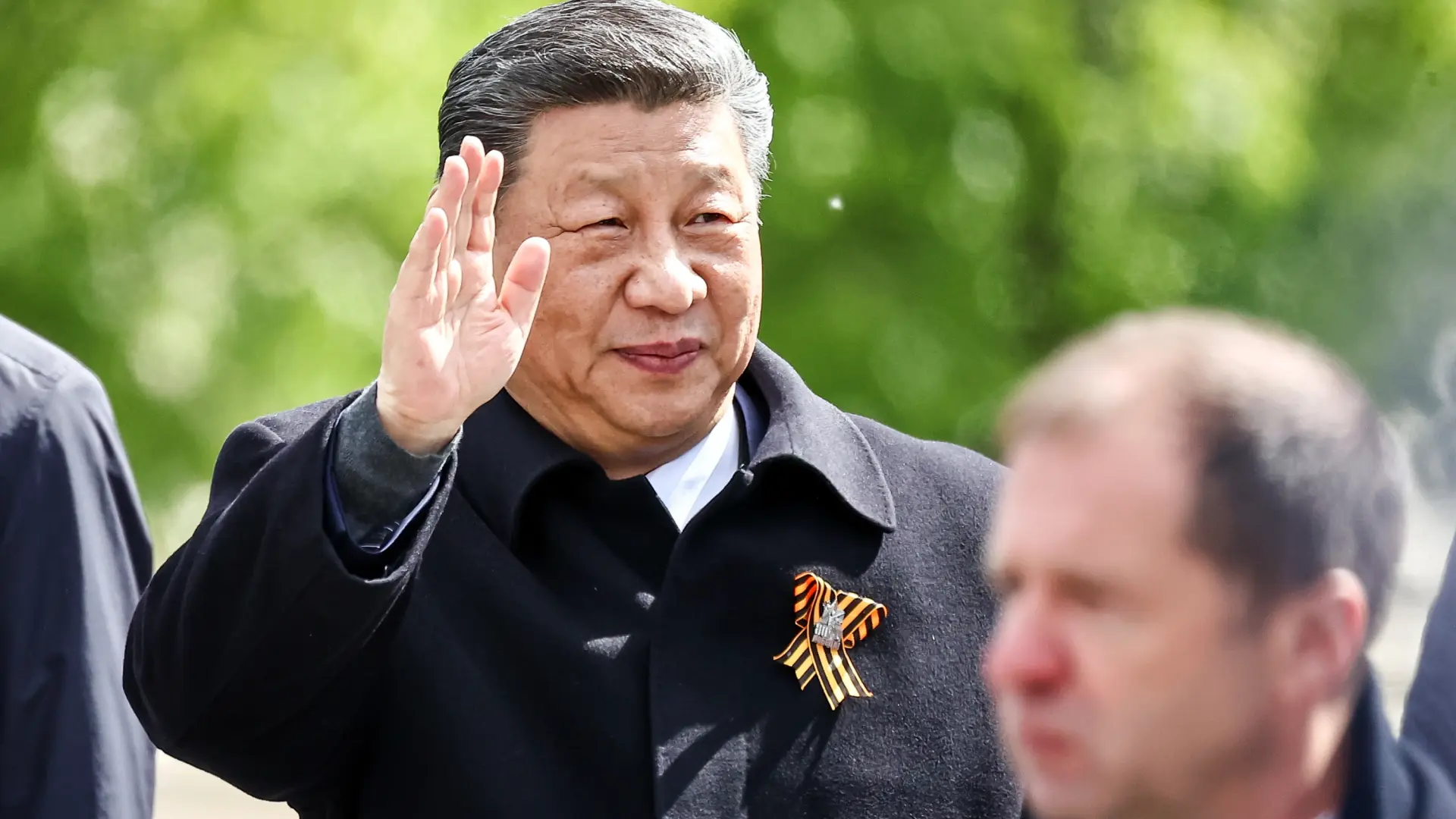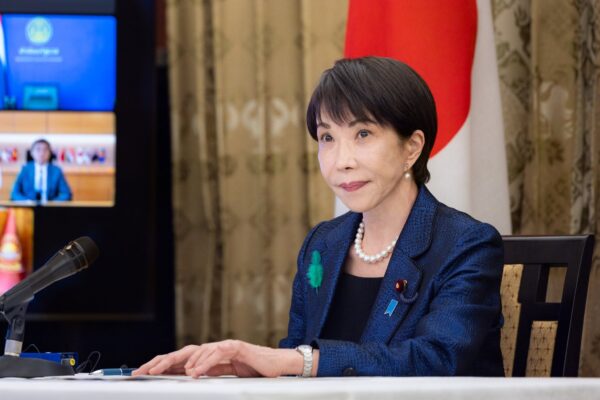
China has urged Japan to listen to public opinion and continue following its long-standing policy of not possessing, producing or allowing nuclear weapons into the country.The call comes as discussions about Japan’s nuclear policy have gained attention amid growing security concerns across East Asia.Beijing’s comments follow a recent public opinion survey in Japan that showed strong support for maintaining the country’s Three Non-Nuclear Principles.China said Tokyo should respect these views and avoid taking steps that could change Japan’s traditional position on nuclear weapons or add to tensions in the region.Key Highlights China urges Japan to maintain its Three Non-Nuclear Principles Japan nuclear policy debate grows amid rising East Asian tensions Public support remains strong for Japan's non-nuclear positionStrong Public Support for Japan’s Non-Nuclear PolicyThe Three Non-Nuclear Principles have been an important part of Japan’s post-war security policy. They state that Japan will not possess nuclear weapons, will not produce them and will not allow them to be introduced into the country.A recent survey found that a large majority of people in Japan continue to support these principles. The findings reflect the country’s long-standing public opposition to nuclear weapons, shaped in large part by the atomic bombings of Hiroshima and Nagasaki during the Second World War.The issue remains highly sensitive in Japan, where nuclear disarmament and the experiences of atomic bomb survivors continue to influence public debate. Any discussion about changing the country’s nuclear policy is therefore likely to attract strong attention from both the public and political groups.China has used the survey results to argue that the Japanese government should take public sentiment into account when considering its future security policies.Nuclear Sharing Debate Raises Regional ConcernsBeijing has also raised concerns about discussions around possible nuclear sharing arrangements between Japan and the United States. Such an arrangement could involve closer cooperation between the two countries on the deployment or use of US nuclear weapons.China has warned that moving in this direction could mark a major change in Japan’s security policy and could increase tensions in East Asia. Beijing has called on Tokyo to remain committed to its existing nuclear principles and avoid actions that could contribute to an arms race.The debate comes as Japan continues to strengthen its defence capabilities in response to security concerns involving China, North Korea and other regional developments. Tokyo has also continued to rely on its security alliance with the United States, including the US nuclear deterrent.This has created a difficult balance for Japan. While some policymakers believe stronger defence measures are needed to deal with changing security risks, others remain concerned that a shift in nuclear policy could weaken Japan’s post-war commitment to nuclear restraint.For China, the debate is part of wider concerns about Japan’s changing defence and security policies. Beijing has repeatedly called on Tokyo to exercise caution on issues that could affect regional stability.Japan, meanwhile, faces the challenge of strengthening its security while maintaining public support for its non-nuclear position. The latest survey suggests that the Three Non-Nuclear Principles continue to have strong backing among the Japanese public.Also Read: Israeli AI Startup Decart in Talks for $6.7B Sale to Tech GiantAs security tensions in East Asia develop, the debate over Japan’s nuclear policy is likely to continue. For Tokyo, finding a balance between its alliance with the United States, regional security concerns and domestic opposition to nuclear weapons will remain a sensitive issue.
Beijing Urges Tokyo to Listen to Public on Japan's Nuclear Policy
China has urged Japan to preserve its Three Non-Nuclear Principles as debate over nuclear policy grows amid rising security tensions across East Asia.
560 words~3 min read