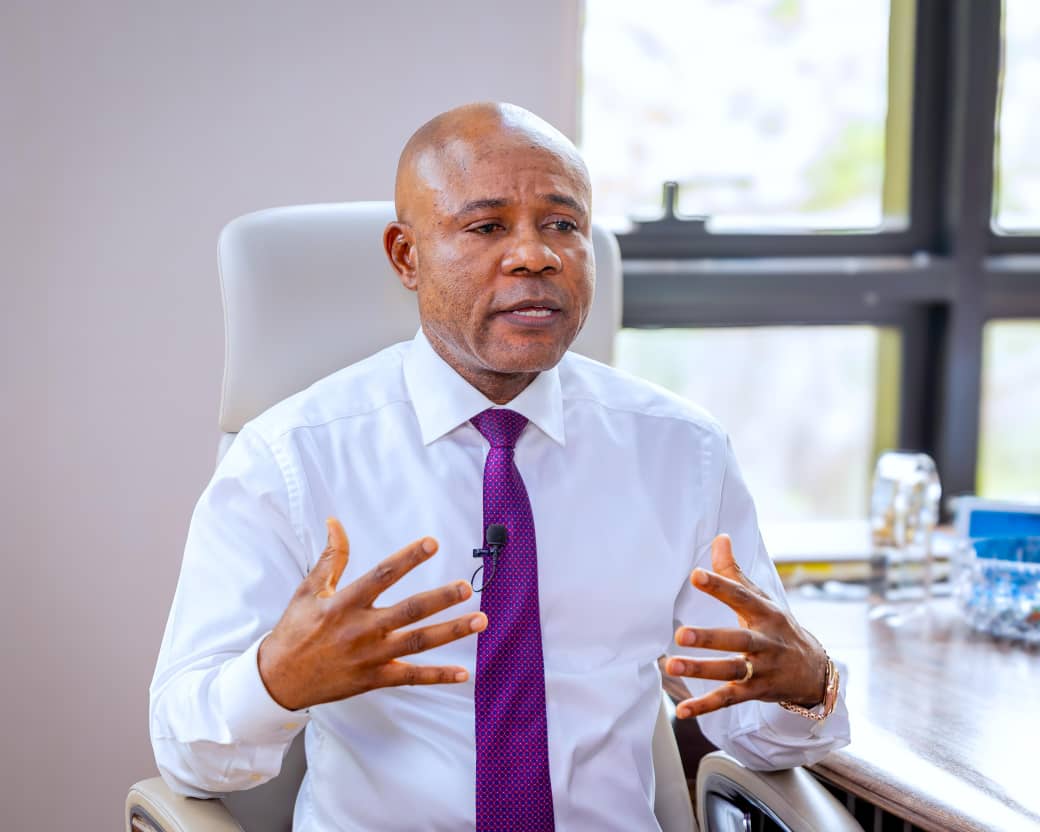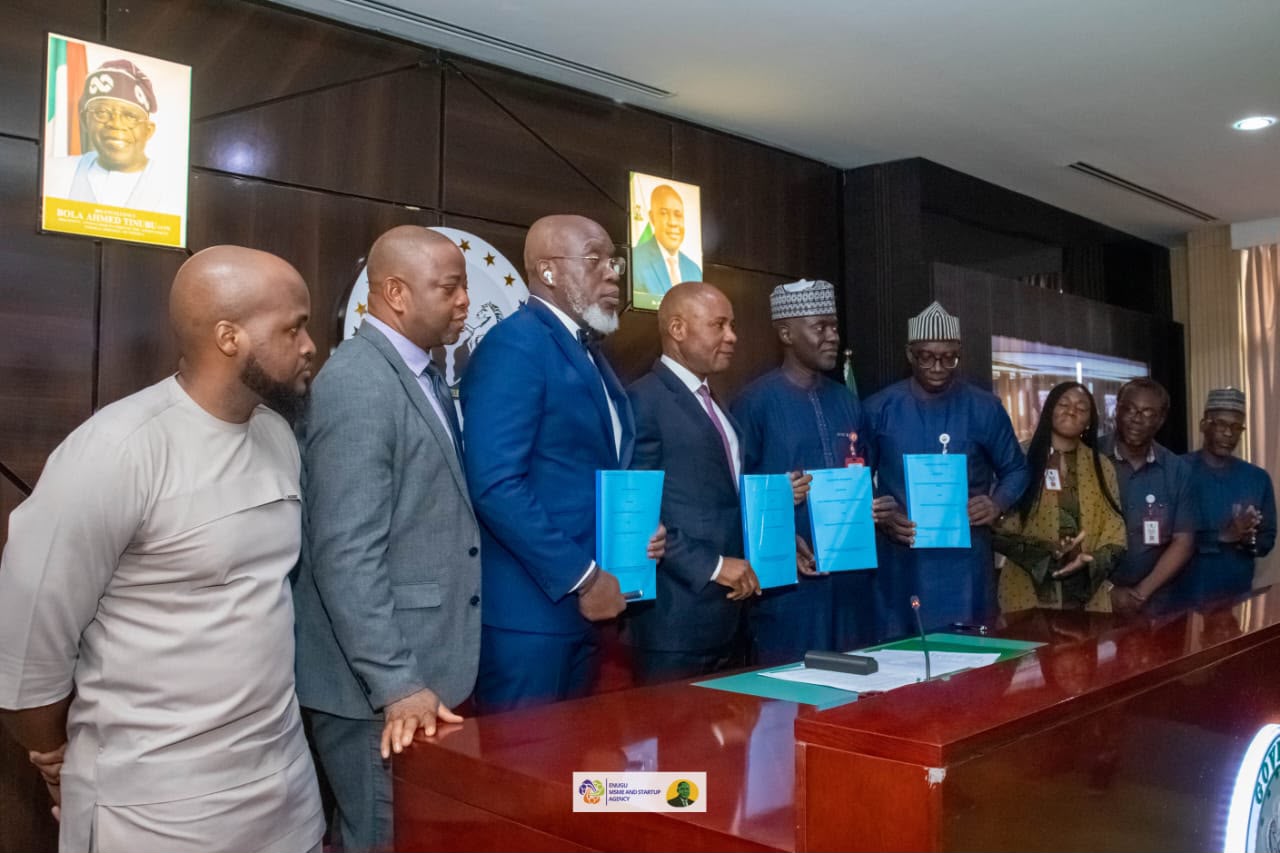
Governor Peter Mbah of Enugu
Nigeria has become remarkably good at celebrating what government can photograph. Roads, bridges, and public buildings offer visible evidence of activity; they can be commissioned, named, and displayed as proof of performance. Yet some of the most consequential acts of government are less visible. They involve building institutions, developing human capability, and creating systems whose true value may only become apparent years later.
That distinction matters in a federation. Nigeria’s 36 states should be more than administrative extensions of Abuja. They should be laboratories of development—places where ideas in education, healthcare, agriculture, technology, and economic management are tested against local realities, improved through experience and, where successful, replicated elsewhere. The next phase of Nigeria’s development will depend not simply on how much governments build, but on how intelligently they govern.
Through this lens, Enugu Talent City deserves attention.
Its importance is not that Enugu is building another technology hub. Nigeria already has enough innovation centres whose ambitions have exceeded their outcomes. The more interesting proposition is that the state is attempting to connect skills development directly to employment, commercial infrastructure, and international demand.