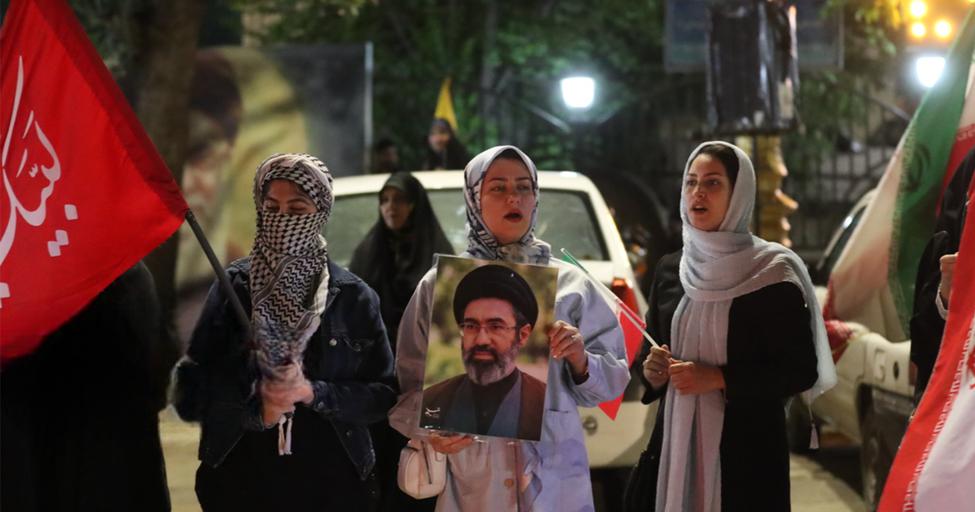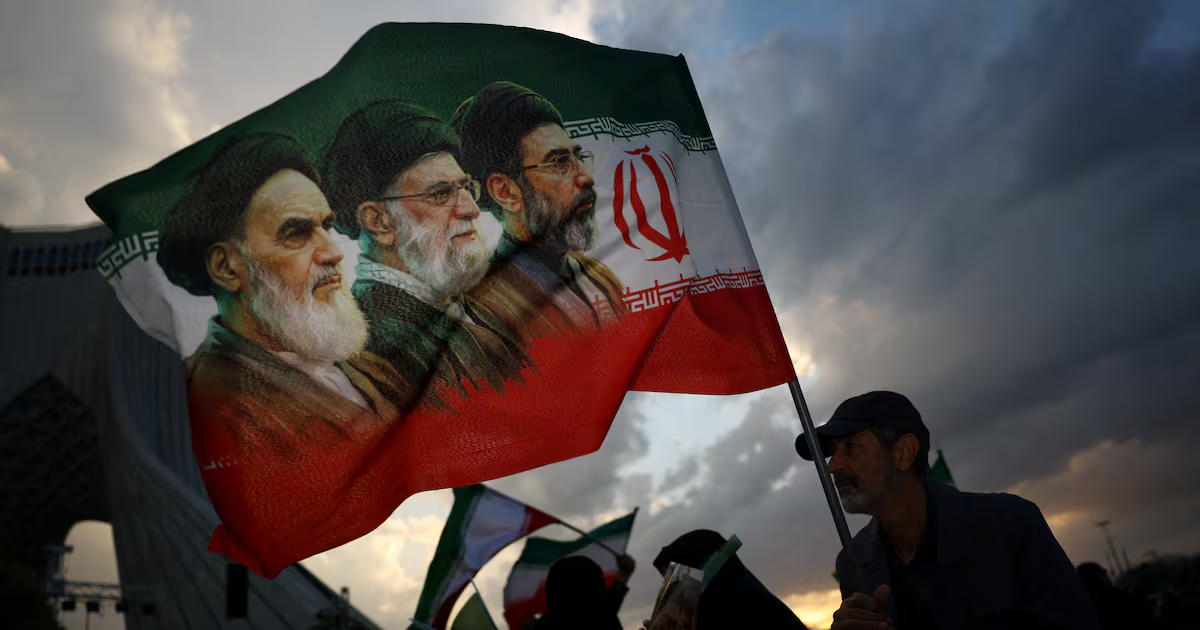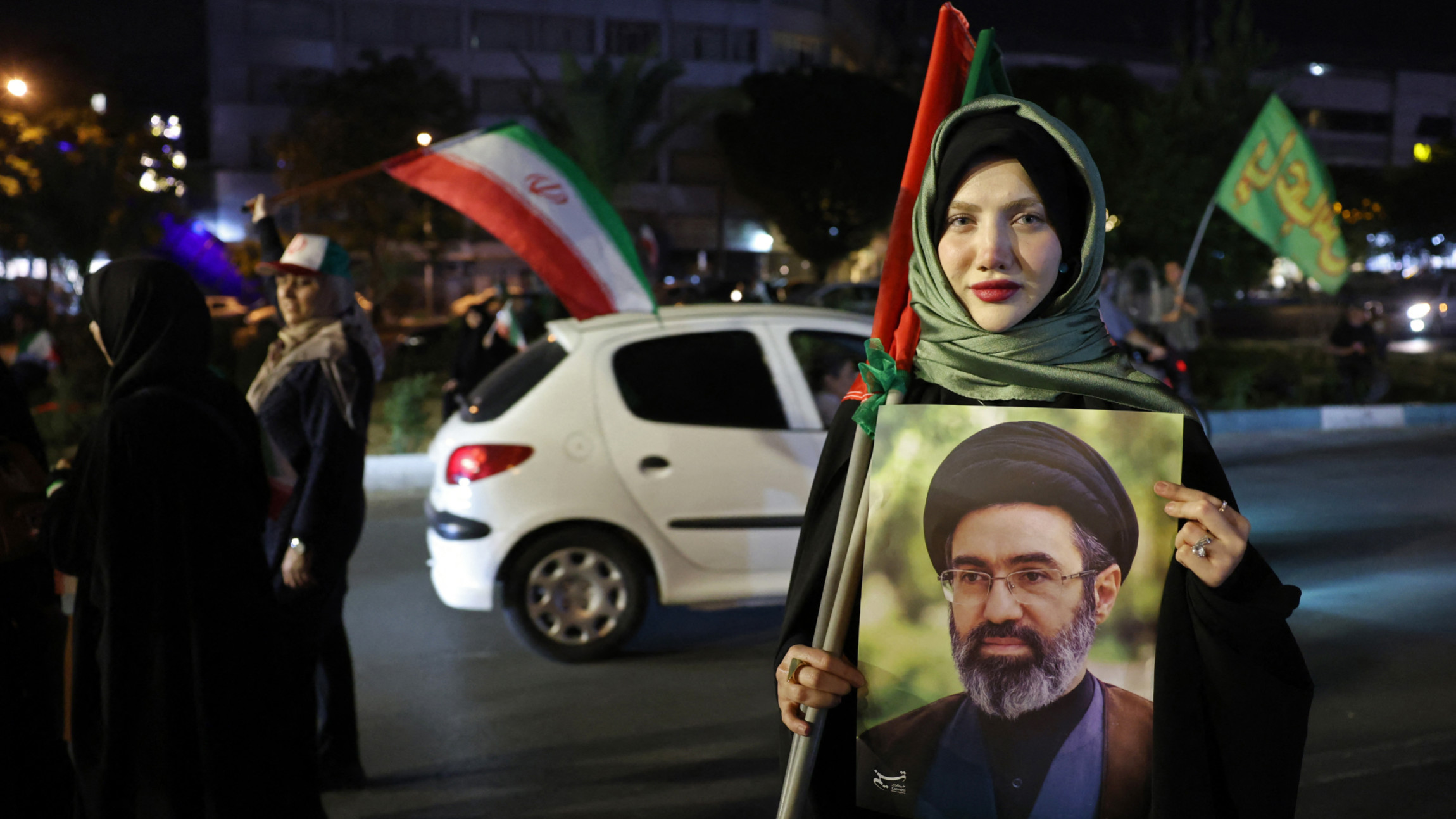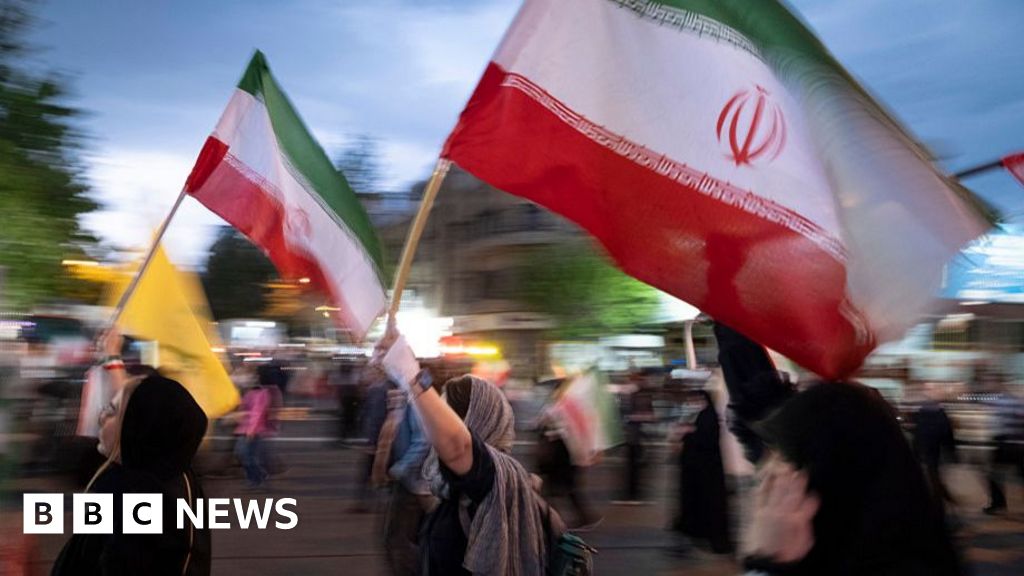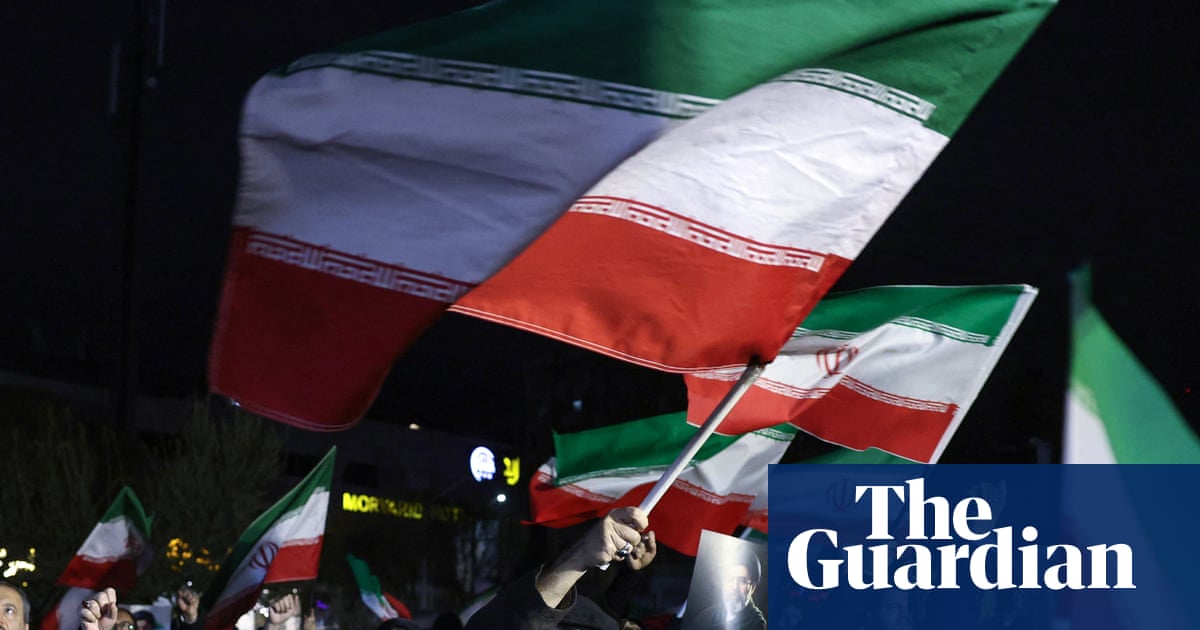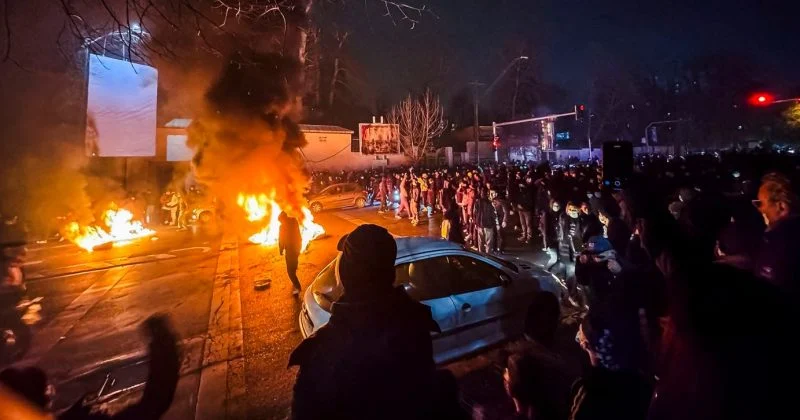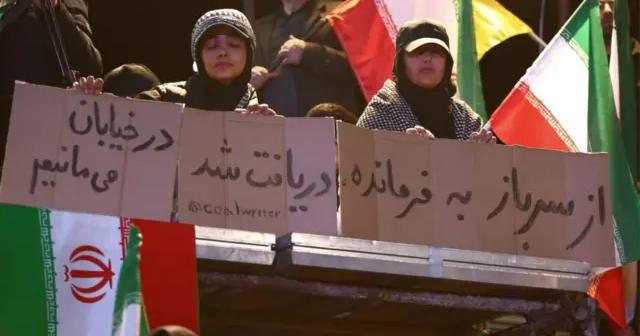
Within the Islamic Republic, nightly rallies are still regarded as a means of "instilling fear into the heart of the enemy." Hardliners view these gatherings, which have been ongoing for over 160 days, as the most significant achievement of the war for confronting both internal and external adversaries: a weapon that "must not be put down for even a single day." Yet within the very same ruling system, others acknowledge this presence as the regime's "social capital" while warning that it is being eroded. They argue that the government must improve people's economic conditions and structure their participation for the future rather than relying solely on its indefinite continuation.
These two perspectives have now collided. Some speak of bringing the street rallies to an end, or at least argue for their necessity. On the opposing side, others warn that ending the phenomenon would be nothing short of a coup and a repeat of the January events. In their view, anyone advocating for an end to the rallies is intentionally or unintentionally signaling to adversaries that Iran is in a weak position, creating an opening for enemies to exploit domestic discontent. Consequently, they urge the government to provide resources to sustain the gatherings while demanding it refrain from taking any major economic decisions that could spark public dissatisfaction.