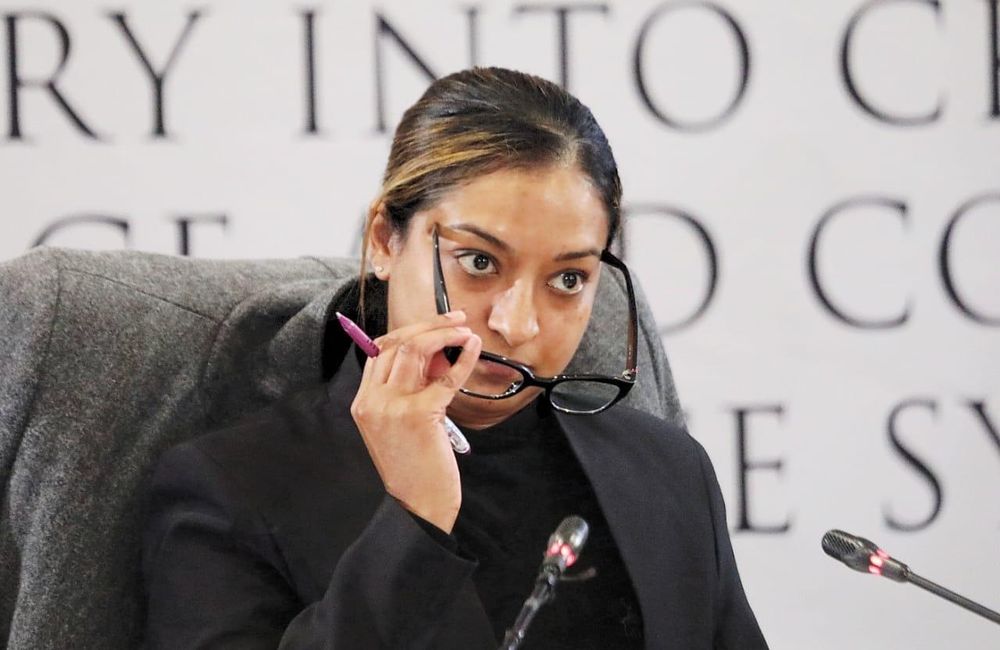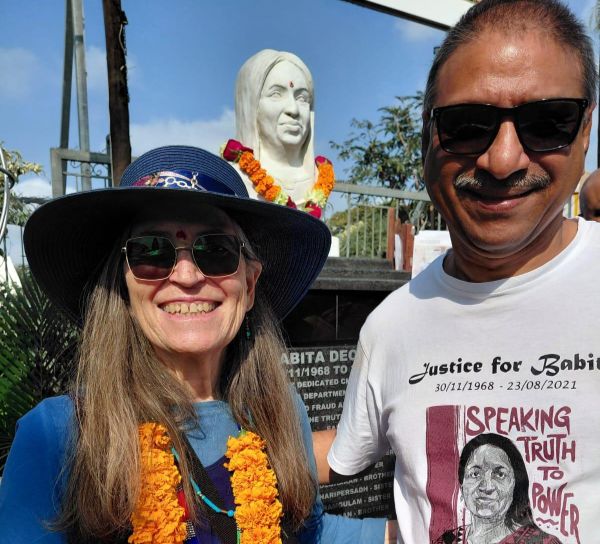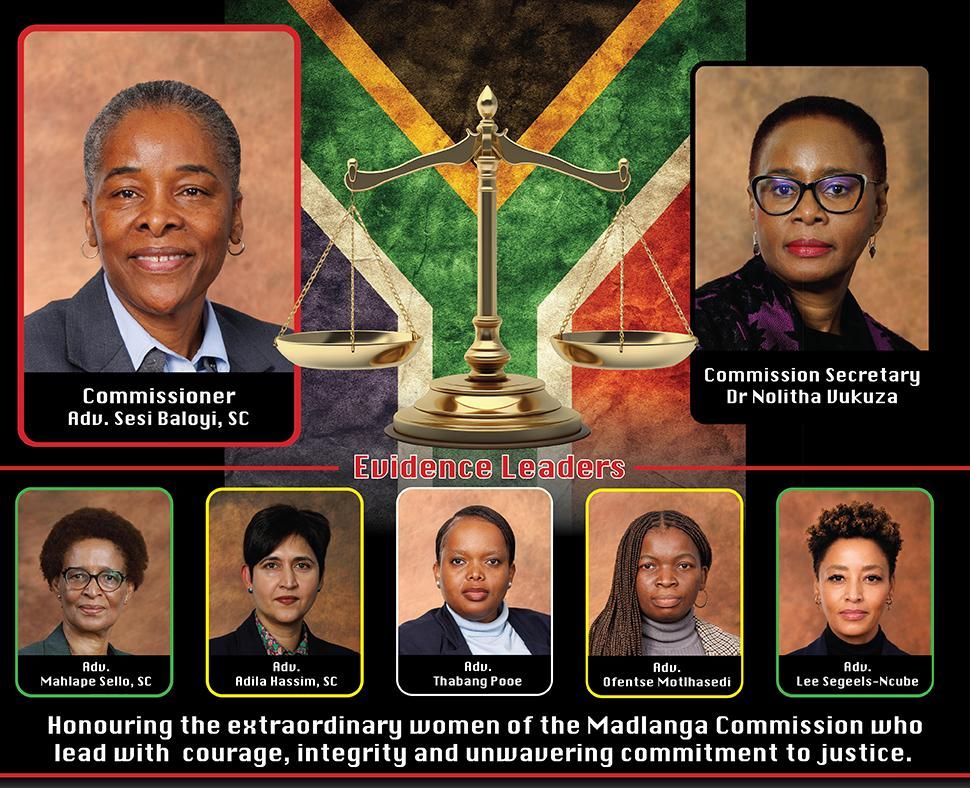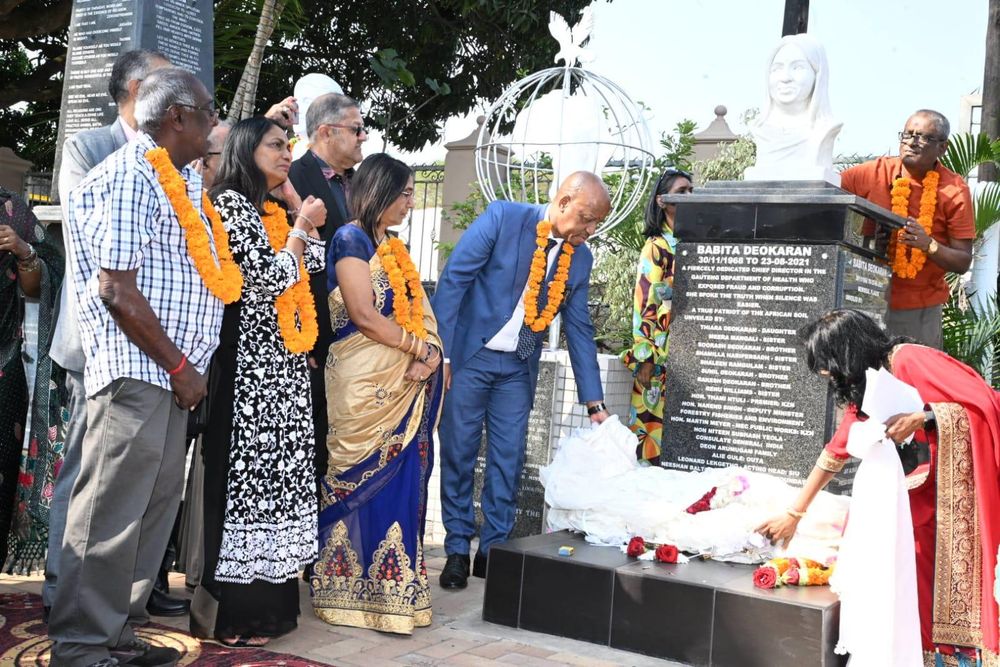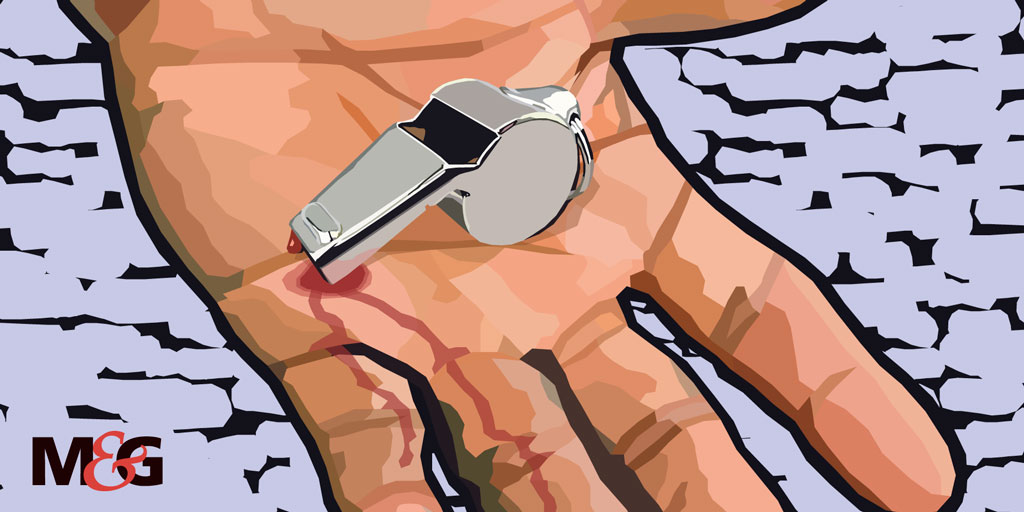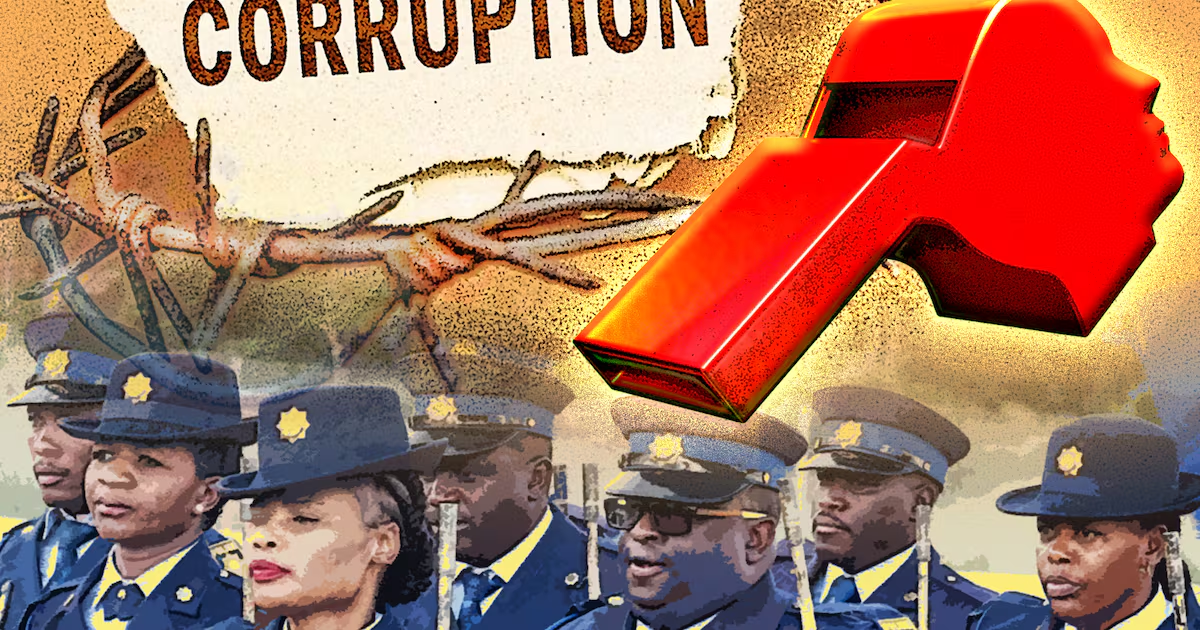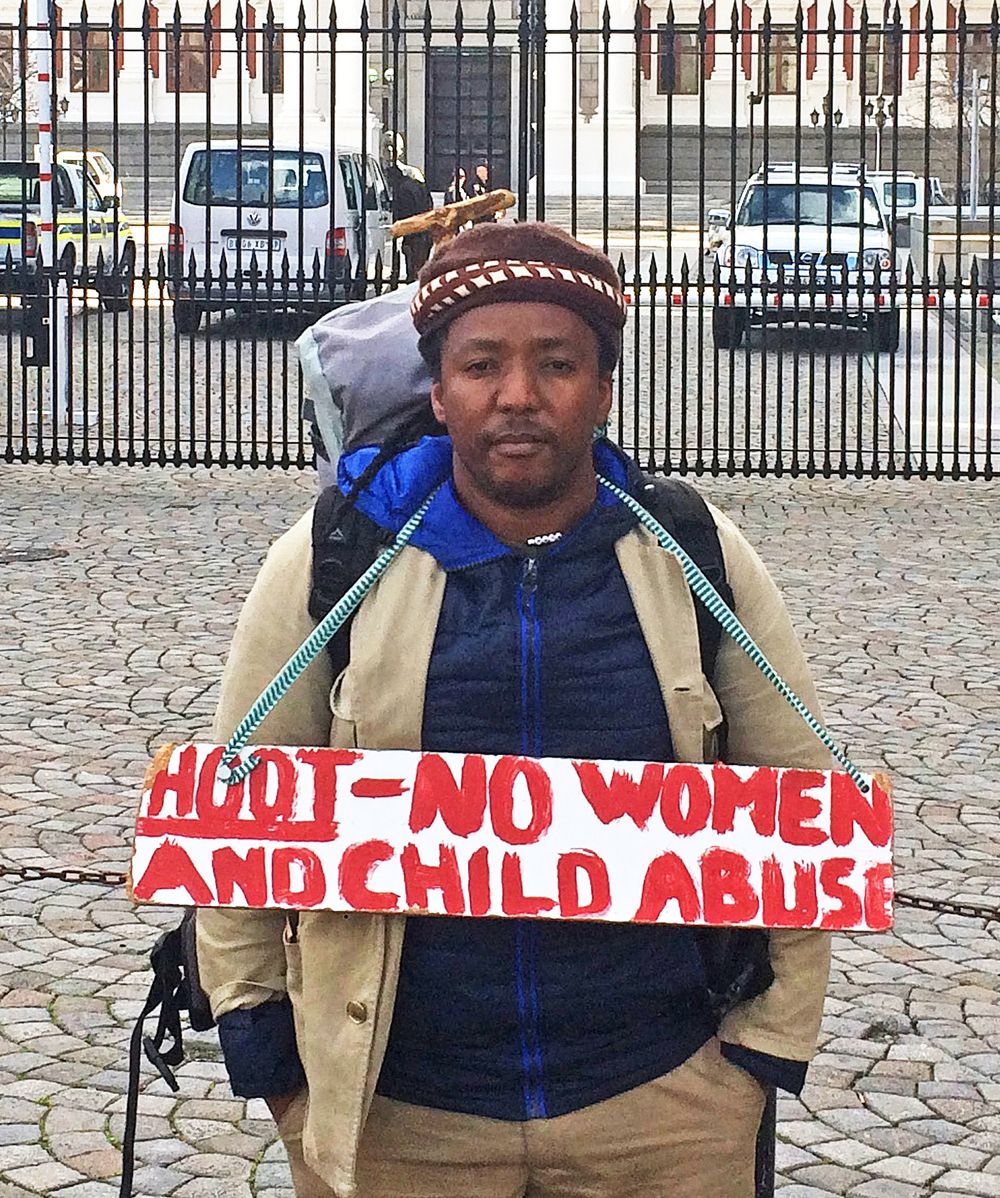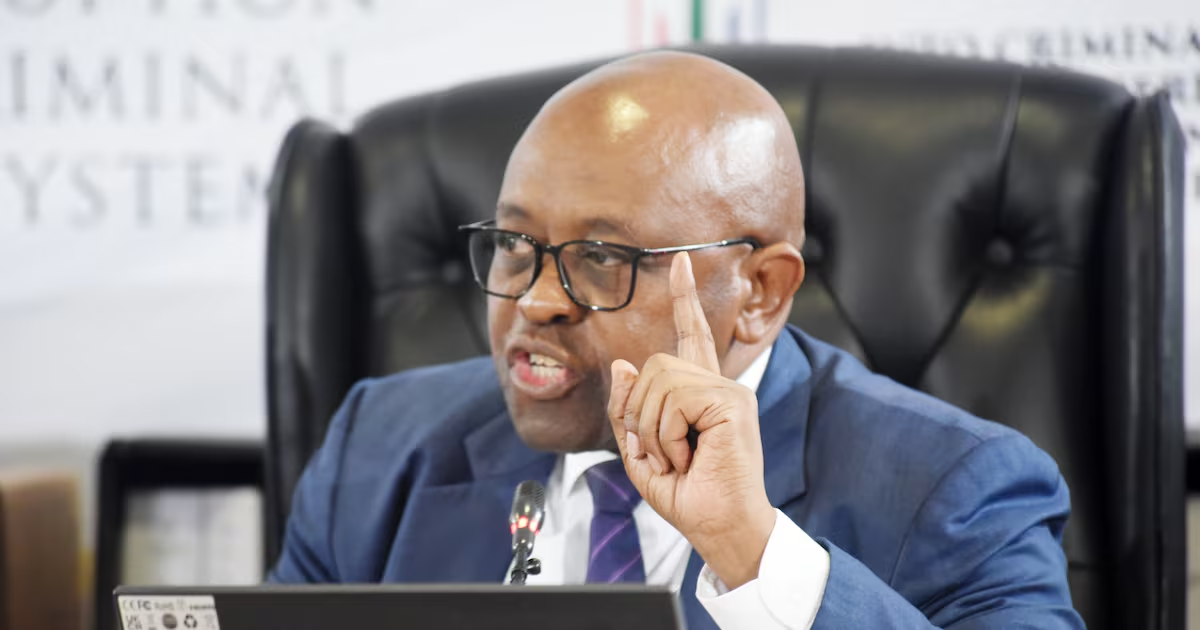
Story audio is generated using AISouth Africa does not have a shortage of laws, commissions, strategies or solemn declarations about the fight against corruption. What we have too little of is something far more fundamental: the courage to protect the people who make accountability possible. When retired justice Mbuyiseli Madlanga delivers the keynote address on October 26, he will have an opportunity to challenge the country to confront one of the uncomfortable contradictions at the heart of our democracy: we celebrate those who expose wrongdoing, yet too often leave them to pay the price for doing so.Madlanga’s gracious acceptance of our invitation to be this year’s keynote speaker is particularly significant. His reputation as a principled jurist and his association with constitutionalism, the rule of law and accountability make him uniquely placed to ask a question South Africa can no longer avoid: What kind of democracy asks citizens to speak truth to power while failing to protect them from the consequences?Whistleblowing is often described as an act of courage. That description is accurate but incomplete. It is also an act of citizenship.A whistleblower chooses the public interest over personal safety, career advancement, financial security, institutional loyalty or, in the most extreme cases, life itself. They make it possible for corruption that would otherwise remain concealed to become visible. They provide the first warning that a procurement system is being manipulated, a public institution captured, a criminal network embedded within an organisation or public resources diverted for private gain.Yet our institutional response has too often been to treat the whistleblower as a problem rather than as an asset.The consequences can be devastating.The killing of people who expose wrongdoing has made the issue impossible to dismiss as merely an employment dispute or a matter of internal corporate governance. The killing of Marius van der Merwe, known as Witness D, after his testimony before the Madlanga commission of inquiry has brought into sharp focus the extraordinary risks faced by people who come forward with information about serious wrongdoing.The message sent by such events is chilling. If the person who speaks up is exposed, isolated, victimised or killed while those allegedly implicated remain protected by money, power or institutional influence, silence becomes the rational choice.That is precisely what a democracy cannot afford.President Cyril Ramaphosa himself acknowledged this reality in the 2026 state of the nation address, stating South Africa cannot accept the victimisation and targeting of people who speak out against corruption. The government has also committed to introducing a Whistleblower Protection Bill that would criminalise retaliation and provide legal, financial and psychosocial support to whistleblowers.The proposed Protected Disclosures Bill provides an important opportunity to repair a framework that has long been recognised as inadequate. The department of justice has acknowledged the gaps in the existing regime and said the new framework is intended to strengthen protection for people who expose criminality and corruption.However, legislation, however progressive, cannot by itself create a culture of integrity.South Africa needs to change the way institutions think about whistleblowers.A disclosure should not trigger an institutional reflex to identify the person who made it, discredit them, discipline them or find technical reasons to dismiss their allegations. The first institutional question should be: What has been reported, and how do we establish whether it is true?That distinction is fundamental.The credibility of the messenger should not become a substitute for investigating the message.Nor should whistleblowers be romanticised. They are human beings, sometimes complicated ones, and their motives may not always be pure. Some may have participated in wrongdoing themselves. Some may have personal grievances. Some may make mistakes.None of that eliminates the state’s or an institution’s responsibility to investigate credible allegations.A mature accountability system separates the messenger from the message and tests the evidence fairly.This is where Madlanga can make an important intervention.He can remind South Africans whistleblower protection is not simply about protecting individuals. It is about protecting the information ecosystem on which constitutional democracy depends.Without people willing to report wrongdoing, oversight institutions operate in the dark. Auditors may identify irregularities without knowing their origins. Investigators may lack the evidence needed to pursue organised corruption. Journalists may never receive the information necessary to expose systemic wrongdoing. Parliament may debate problems without knowing their full extent.The whistleblower is often the bridge between hidden wrongdoing and public accountability.That bridge must be protected.The 2026 Whistleblowers Awards therefore arrive at an important moment. Public Interest SA has expanded the awards to recognise not only individual whistleblowers but also investigative journalism, digital courage, support for whistleblowers and other forms of integrity-driven public service.This broader conception is important because whistleblowing does not happen in isolation.A courageous disclosure needs journalists willing to investigate it. It needs lawyers willing to defend the person who made it. It needs investigators willing to follow the evidence wherever it leads. It needs institutions willing to act. It needs citizens willing to understand that corruption is not an abstract offence — it is ultimately paid for through poorer services, lost opportunities, weakened institutions and diminished public trust.South Africa must therefore move beyond celebrating whistleblowers after the fact.We must build a country in which speaking up is safer than staying silent.That means effective confidentiality mechanisms, independent channels for disclosure, rapid protection where threats emerge, access to legal and psychosocial support, meaningful remedies for retaliation, and criminal consequences for those who deliberately victimise whistleblowers.Most importantly, it means changing the culture of power.Those who expose wrongdoing should not have to demonstrate extraordinary courage merely to exercise an ordinary civic responsibility.Madlanga has an opportunity to say this plainly.On that October night, surrounded by people who have risked livelihoods, reputations and lives in the service of truth, South Africa should not merely applaud.It should listen. And then it should act.Because the true measure of our commitment to fighting corruption will not be how enthusiastically we celebrate the whistleblower once the danger has passed.It will be whether, when the next person discovers wrongdoing, we have created a country in which they can speak and know that the law, the institutions and society will stand between them and those who would silence them.A democracy cannot ask its citizens to speak truth to power and then abandon them when power fights back.Khaas is chairperson of Public Interest SA and convenor of the Whistleblowers Awards and Summit.Sowetan
TEBOGO KHAAS | Madlanga must challenge SA to protect those who speak truth to power
Legislative reforms and cultural change are needed to ensure whistleblowers receive legal, financial and psychosocial support, writes Tebogo Khaas
1,046 words~5 min read