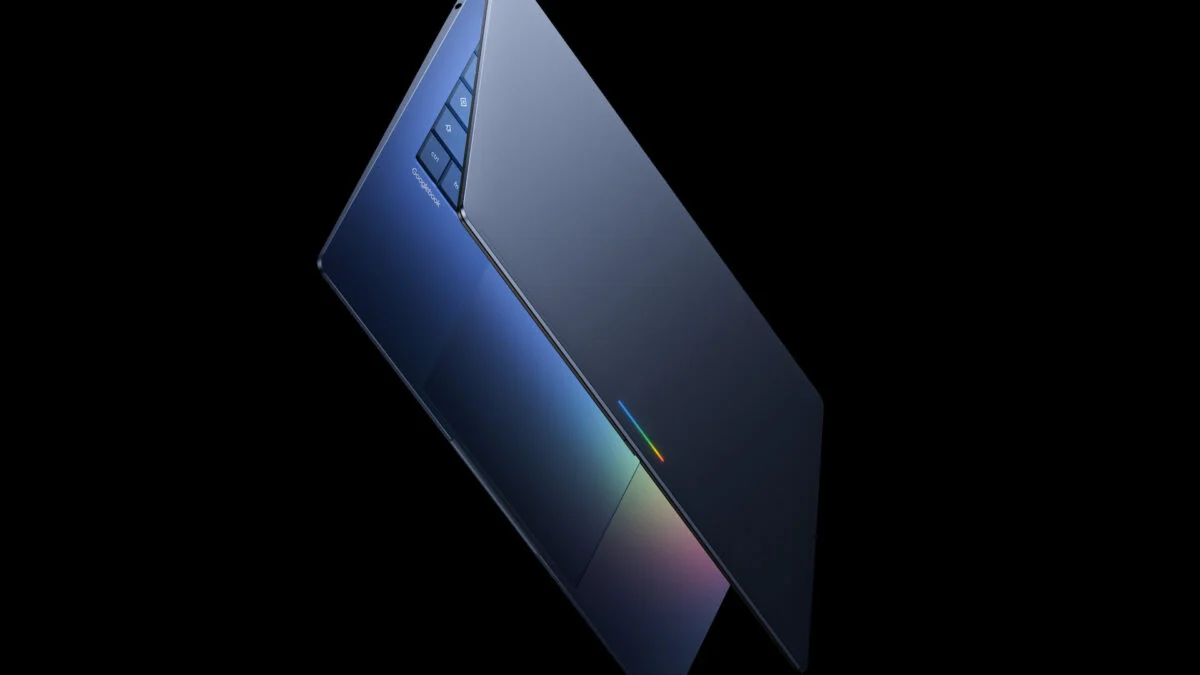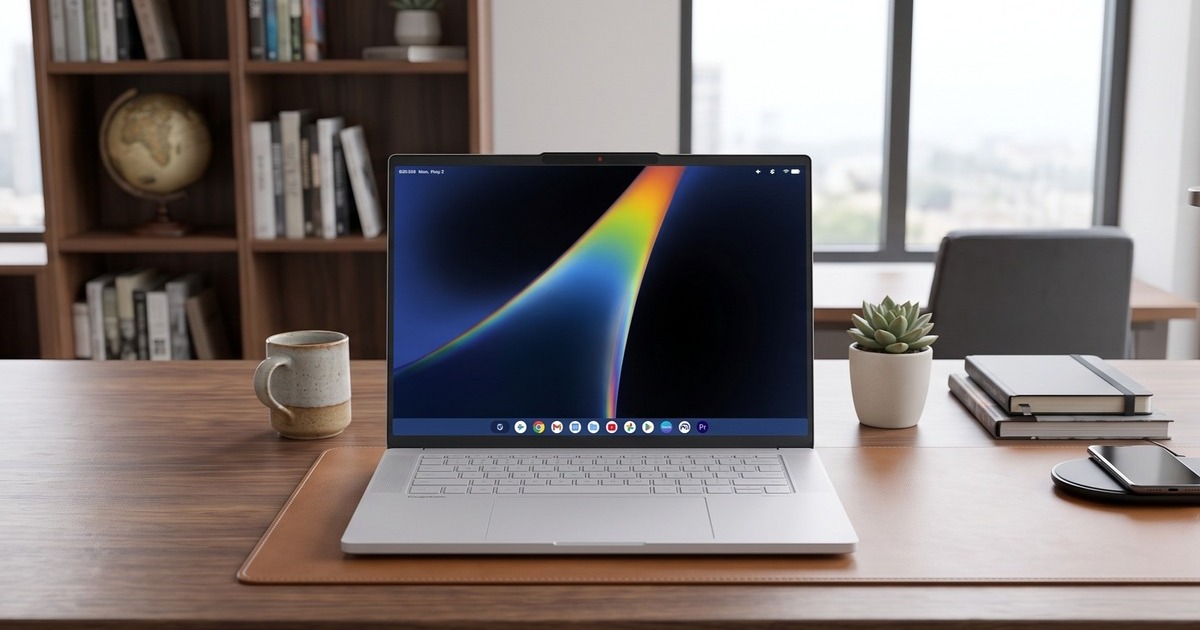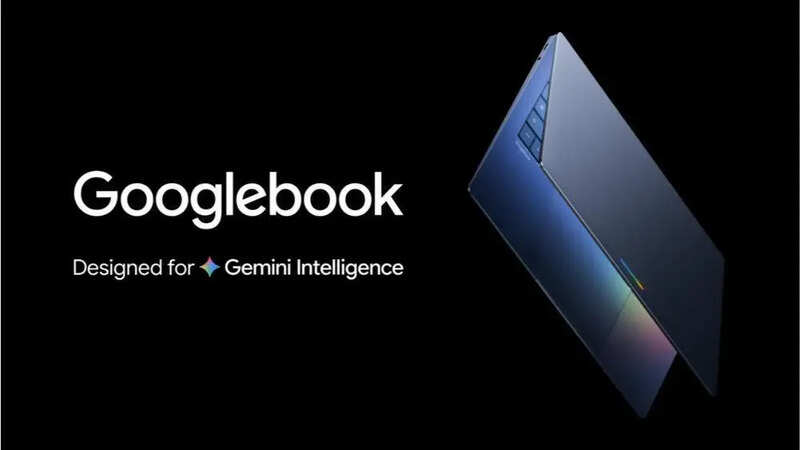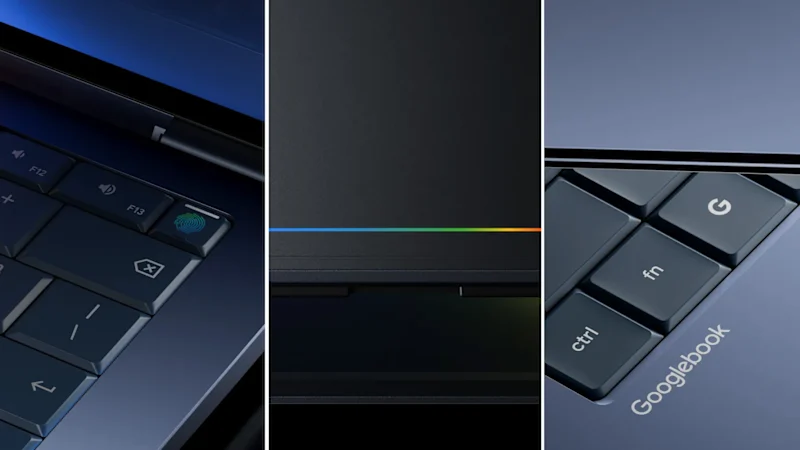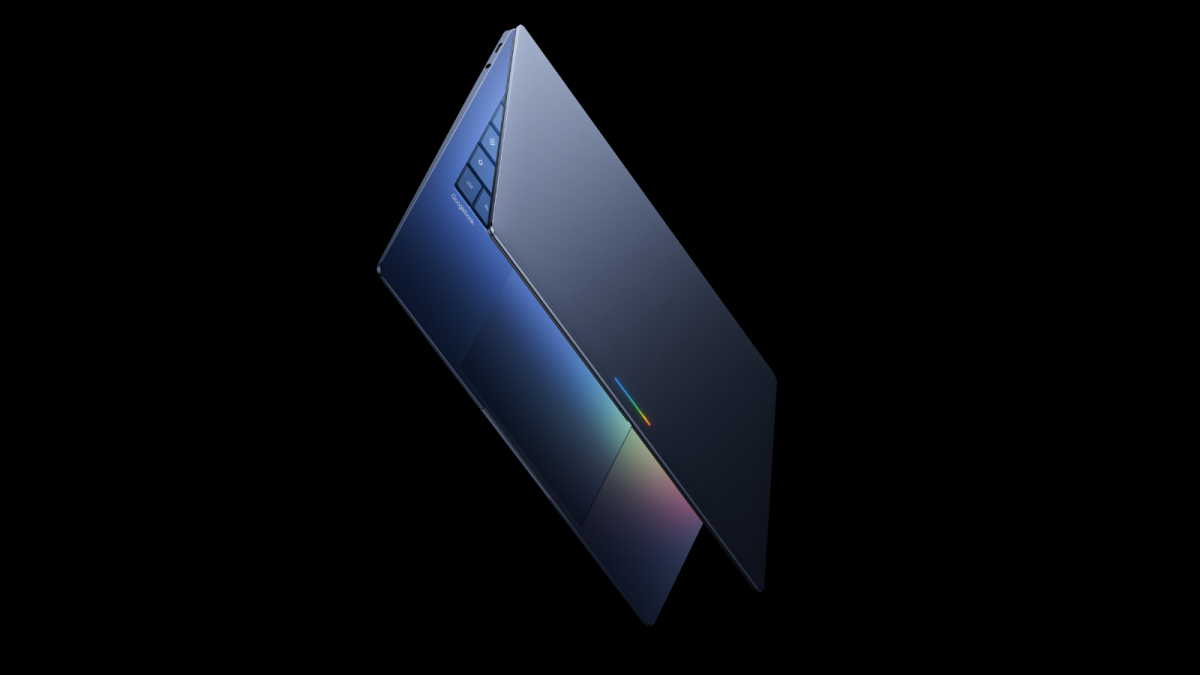
Google’s new Googlebook platform is beginning to take shape, with ASUS and Lenovo emerging as two of the first manufacturers expected to bring the new generation of laptops to market. Google announced Googlebook in May as a new category designed around Gemini, Android integration and premium hardware, with the first devices expected in fall 2026.Now Recent leaks shed more light on what both ASUS and Lenovo could be cooking up. Reportedly, ASUS is preparing an all-out, 14-inch premium device, and Lenovo is prepping more or less all the form factors out there- full laptops and a 2-in-1 tablet. All in all, these leaks paint a picture of a platform designed to take the fight to Android devices if you're looking for a little bit more power and a ton more artificial intelligence functionality.About The AuthorHey there, i am a technology enthusiast with a deep passion for gadgets, consumer electronics, emerging technologies, and the fast-paced world of digital innovation. Constantly exploring the latest tech trends, product launches, and industry developments, I enjoy translating complex technological advancements into engaging and accessible stories for readers. My interests span smartphones, wearables, artificial intelligence, smart devices, and the broader technology ecosystem. As I begin my journey as a Tech Journalist at Gadgets Now, I am excited to contribute to a platform that informs millions of readers, combining my passion for technology with storytelling to deliver insightful, accurate, and timely tech coverage.How ASUS could turn Googlebook into a premium laptopASUS appears to be preparing one of the more powerful Googlebook models currently known. Reports based on leaks hint at a 14-inch laptop, likely named ASUS CX9406, that will cater to the premium segment. The device might include Intel Core Ultra 5 325, Core Ultra 7 355 processors and up to 64GB of RAM, based on development and benchmark findings.The device is reportedly being developed under the codename “Lapis.” Certification information has linked the CX9406 to Google's Aluminium OS, the Android-based platform behind Googlebook.However, ASUS has not publicly confirmed the final product name, specifications or pricing, so these details should still be treated as preliminary.Why Lenovo’s lineup could be more versatileLenovo may be taking a broader approach by preparing more than one Googlebook form factor. Leaked photos suggest there are two typical laptops and a detachable 2-in-1 laptop here. The most noticeable is what the report refers to as the Lenovo Googlebook 15. It has an apparently ultra-thin bezel around its screen, privacy webcam shutter, Dolby Atmos, and an enormous trackpad.Its keyboard reportedly includes a dedicated “G” key intended for Gemini-related functions. The 2-in-1 model appears to combine a detachable keyboard, kickstand and stylus support, potentially giving Googlebook a stronger tablet dimension.These designs suggest Lenovo could use Google’s platform across productivity, entertainment and flexible computing rather than limiting it to traditional clamshell notebooks.More articles by AuthorTrending StoriesExpected specs: what the leaks indicateThe following specifications combine publicly reported leaks and development information. Google, ASUS and Lenovo have not confirmed all of these specifications, so they should not be considered final retail specifications.DeviceExpected detailsASUS Googlebook CX940614-inch display; Intel Core Ultra 5 325/Core Ultra 7 355; 32GB/64GB RAM; NVMe storage; Wi-Fi 7; USB-C/USB4 and USB-A; fingerprint sensor; backlit keyboardLenovo Googlebook 15Around 15-inch display; slim-bezel design; Dolby Atmos speakers; USB-C, USB-A, HDMI, card reader and 3.5mm audio; privacy webcam shutter; Gemini-focused keyboardLenovo 2-in-1Around 13-inch class; detachable keyboard; kickstand; stylus support; rear Glowbar-style lightingPlatformGooglebook experience based on Android technologies with deep Gemini integrationLaunchExpected in fall 2026Development benchmarks cited in recent reports indicate the ASUS model could deliver substantially more performance than conventional entry-level Chromebooks, while Lenovo appears to be focusing on design flexibility and connectivity.How Googlebook will differ from ChromebookGoogle says Googlebooks are a new category of flagship laptops that combine the strengths of ChromeOS and Android, rather than simply being renamed Chromebooks. The biggest change is the operating environment: Googlebook is being built around Android technologies with Gemini deeply integrated into the experience.Features such as Magic Pointer are designed to provide contextual AI assistance directly from the cursor, while Create My Widget can generate personalised widgets using natural-language instructions.Google also promises features such as Cast My Apps and Quick Access, allowing users to access Android phone apps and files from the laptop. Chromebooks remain focused on simplicity, speed and efficiency, while Googlebook targets more capable, premium computing.Why Gemini is central to the Googlebook strategyGooglebook is being positioned around what Google calls “Gemini Intelligence,” making artificial intelligence a fundamental part of the laptop experience rather than an optional application.Magic Pointer is one example: moving or manipulating the cursor can trigger contextual suggestions based on what is displayed on screen. Google has also demonstrated the ability to create personalised widgets through natural-language prompts.This strategy gives Googlebook a different purpose from the traditional Chromebook, whose appeal has largely centred on affordability, simplicity and browser-based computing. By placing Gemini at the centre of the interface, Google appears to be trying to make AI a routine part of productivity, organisation and content creation.How Android phone integration could change everyday useAnother major reason behind Googlebook is Google's attempt to connect laptops and Android smartphones more closely. Google says users will be able to access apps from their Android phones on a Googlebook without installing them separately, while Quick Access will allow files stored on the phone to be accessed from the laptop.This could make Googlebook particularly attractive to Android users who currently move between separate mobile and desktop experiences. The approach also gives Google a way to compete with ecosystems such as Apple's Mac and iPhone integration. If ASUS and Lenovo implement these capabilities effectively, Googlebook could become less about simply running applications and more about creating a continuous Android-to-laptop experience.Why ASUS and Lenovo could shape Googlebook’s first impressionASUS and Lenovo are important because their first-generation products could demonstrate how flexible Google's new platform can become. ASUS appears to be targeting users who want a powerful, conventional laptop, with leaked specifications suggesting high-end processors and large memory configurations.Lenovo, meanwhile, could showcase several form factors, including a large-screen laptop and a detachable 2-in-1. Google has confirmed ASUS and Lenovo among the manufacturers producing the first wave of Googlebooks, alongside Acer, Dell and HP. The company has also highlighted premium materials and a distinctive Glowbar as identifying features.With launch expected in fall 2026, these manufacturers will likely determine whether Googlebook is seen as a genuine new laptop category rather than simply a premium Chromebook evolution. FAQsWhat is Googlebook and how does it differ from traditional Chromebooks?Googlebook is a new category of flagship laptops designed around Android technologies with deep Gemini integration. Unlike traditional Chromebooks, which focus on simplicity and efficiency with ChromeOS, Googlebooks will combine the strengths of both ChromeOS and Android, aiming for more premium computing capabilities.When can we expect to see the first Googlebook devices in the market?The first Googlebook devices, developed by manufacturers like ASUS and Lenovo, are expected to launch in fall 2026.What are some potential features of the ASUS Googlebook CX9406?The ASUS Googlebook CX9406 is rumored to include a 14-inch display, Intel Core Ultra 5 325 or Ultra 7 355 processors, configuration options for up to 64GB of RAM, and connectivity features like Wi-Fi 7, USB-C/USB4, and more.end of article
ASUS and Lenovo Googlebooks: What the Upcoming AI Laptops Could Bring
The upcoming Googlebook laptops, spearheaded by ASUS and Lenovo, promise to revolutionize the tech landscape. Merging Gemini AI with Android, these devices aim to elevate user interaction. ASUS is crafting a high-end 14-inch version housed with robust Intel processors, while Lenovo hints at exciting 2-in-1 tablet options. Set for fall 2026, these innovations are highly anticipated.
TL;DRAI
ASUS preps 14-inch Googlebook (Intel Core Ultra, up to 64GB); Lenovo builds 15-inch and 2-in-1 variants—all launching fall 2026 with Gemini deeply integrated. Google exits budget Chromebooks for premium AI-driven laptops, positioning Gemini as core OS against Windows.
1,196 words~5 min read