in Animation, Film, Music | November 11th, 2025 Leave a Comment
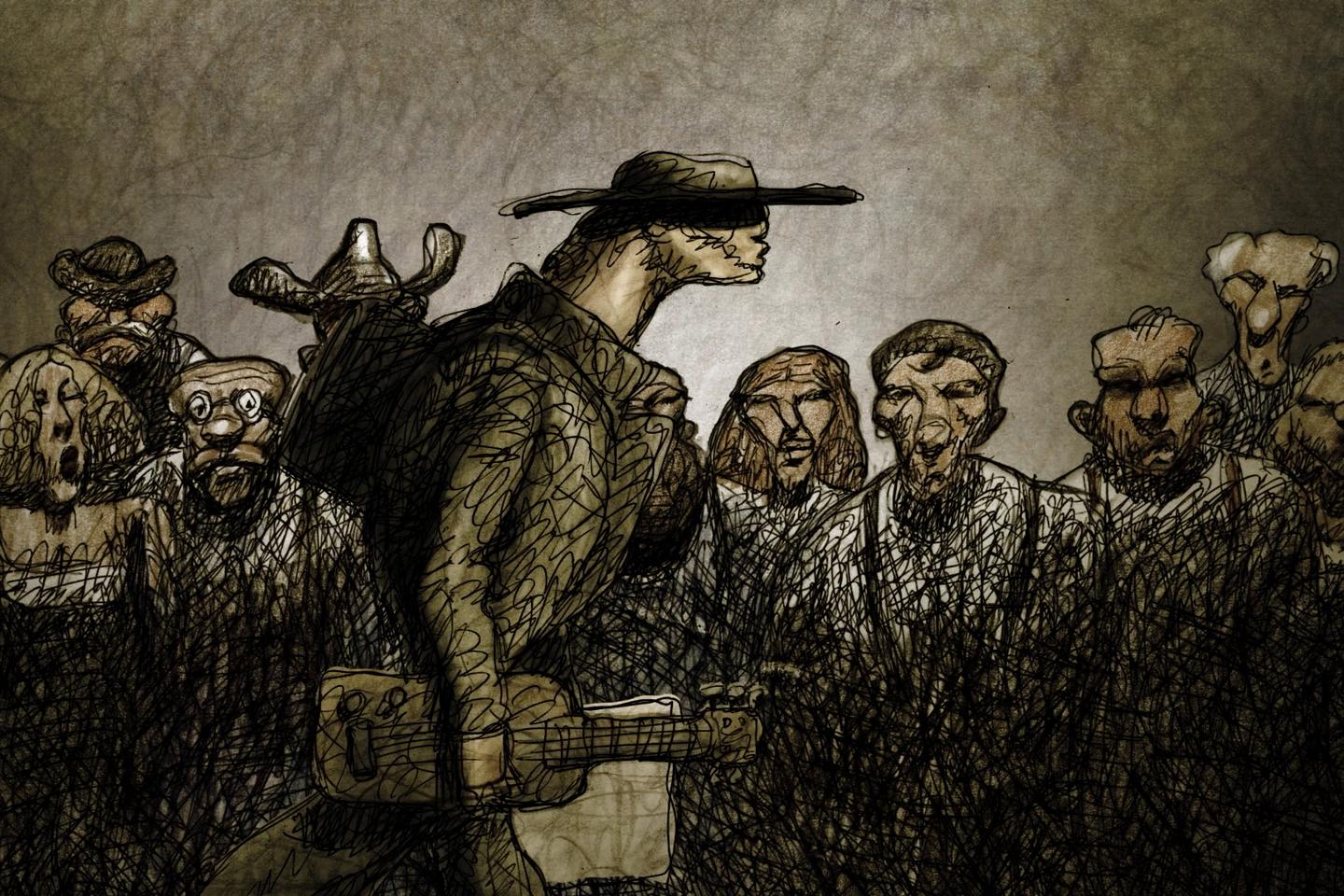
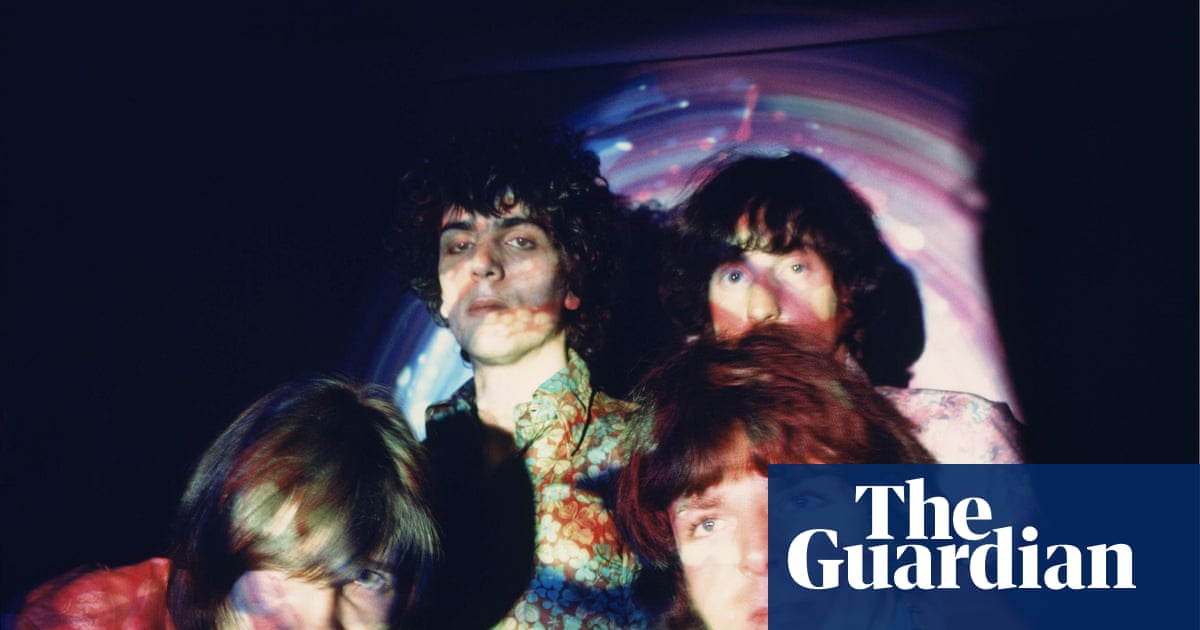
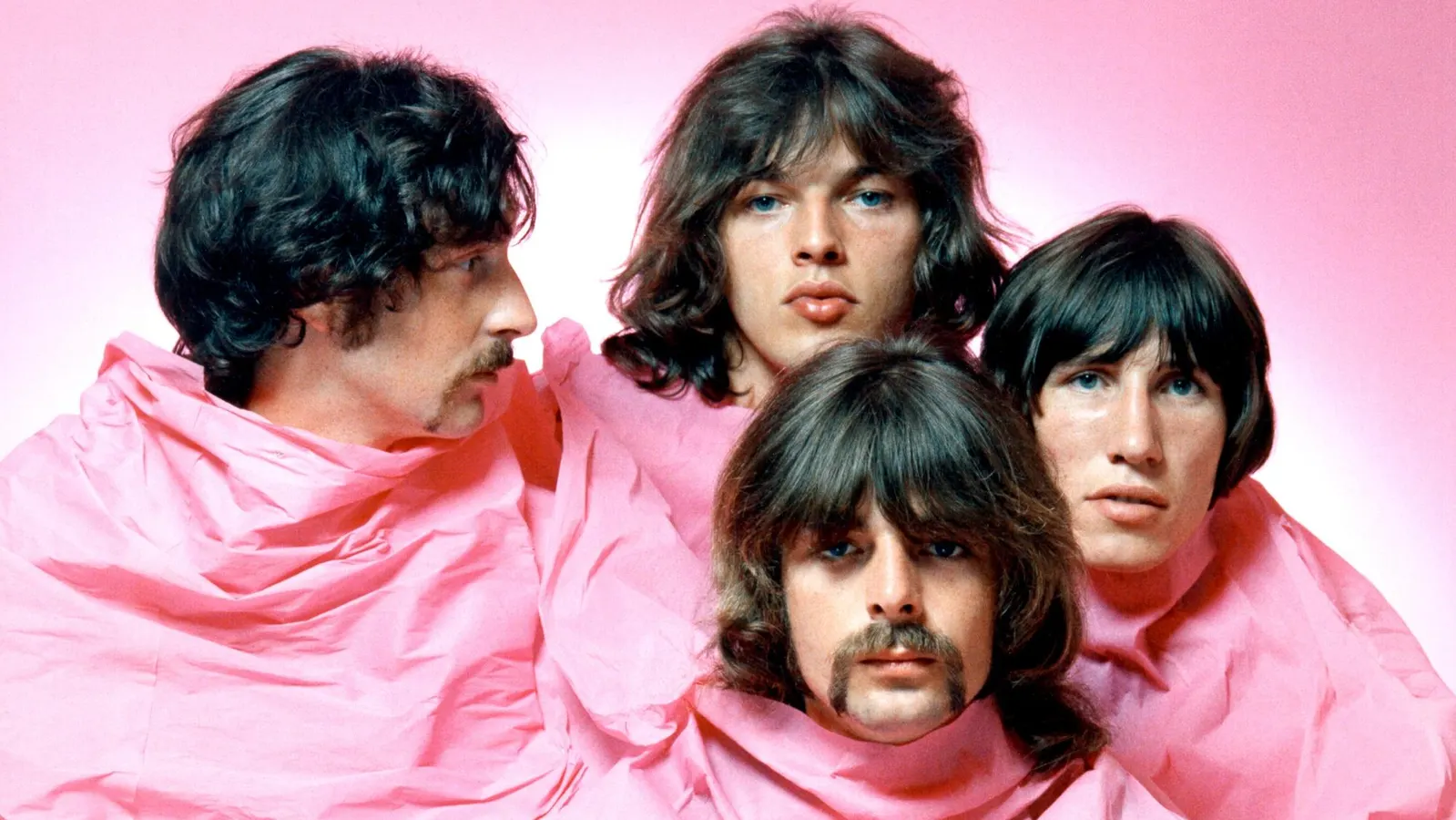
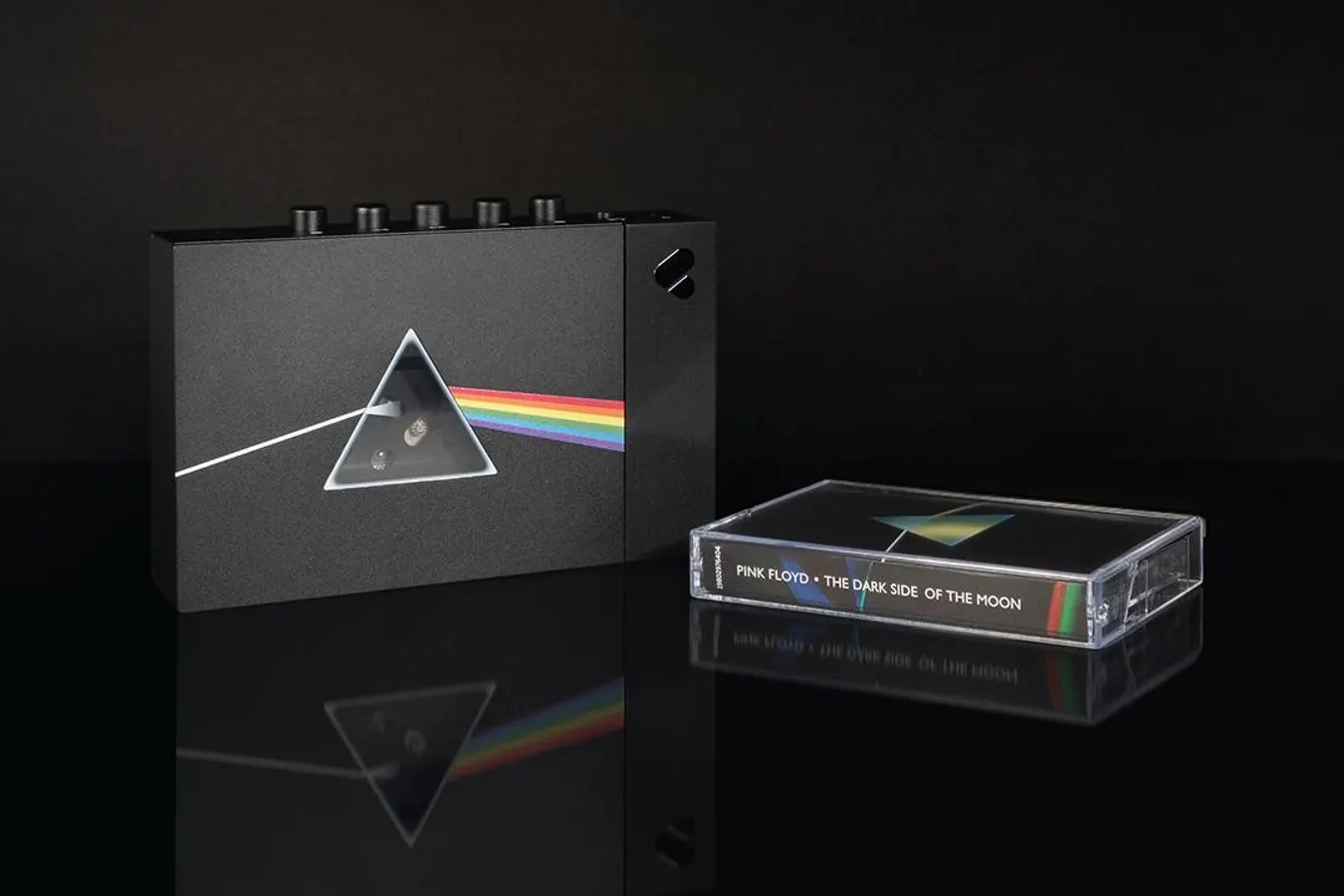
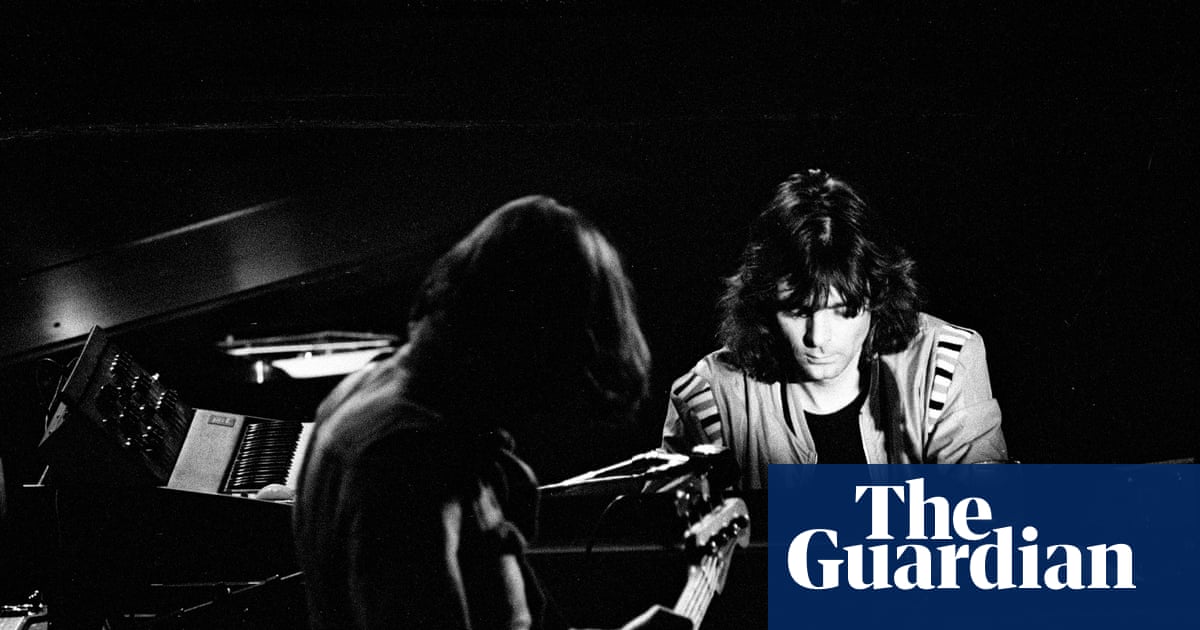
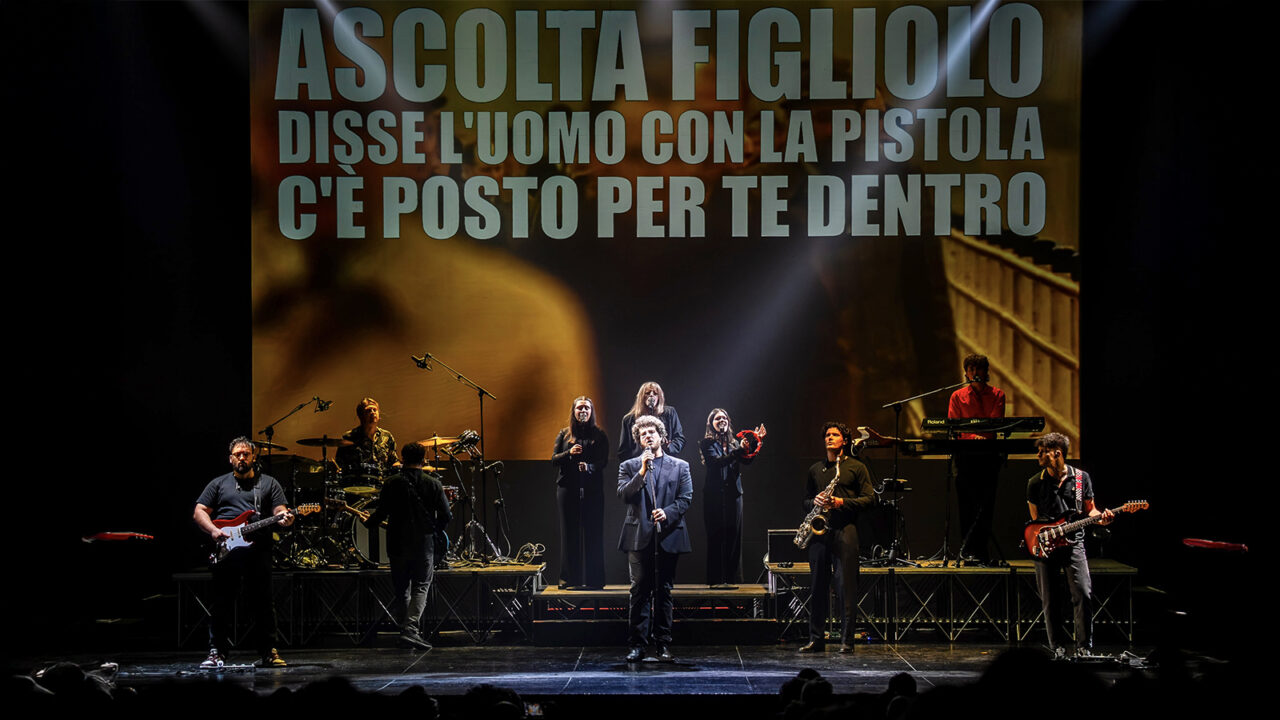
You could argue that, of all rock bands, that Pink Floyd had the least need for visual accompaniment. Sonically rich and evocatively structured, their albums evolved to offer listening experiences that verge on the cinematic in themselves. Yet from fairly early in the Floyd’s history, their artistic ambitions extended to that which could not be heard. Can you really understand their enterprise, it’s fair to ask, if you remain merely one of their listeners, never entering the visual dimension — not just their album covers, reproductions of which still grace many a dorm room wall, but also their elaborate stage shows, music videos (which they were making before that form had a name), and films? One man had more responsibility for the development of the Floyd’s visual style than any other: Ian Emes.
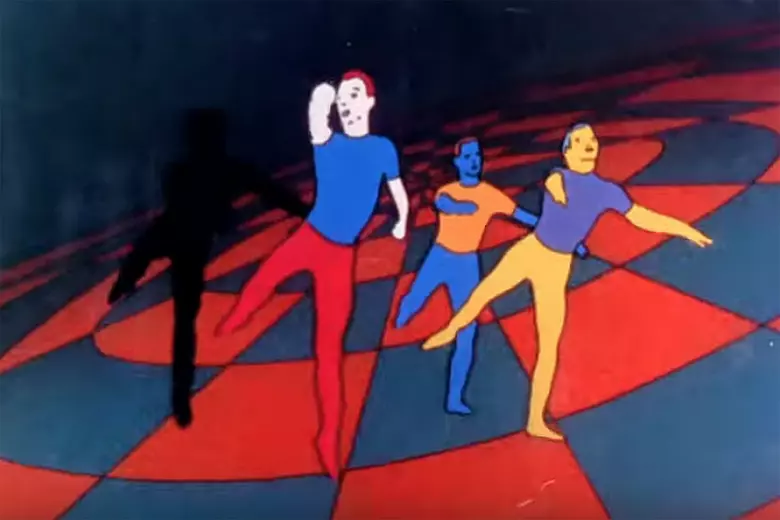
In 1972, Emes took it upon himself to animate their song “One of These Days” from the previous year’s album Meddle. When the finished work, “French Windows,” aired on the BBC music show The Old Grey Whistle Test, it caught the eye of the Floyd’s keyboard player Rick Wright. The group then got in touch with Emes, asking to use “French Windows” as a projection behind their concerts.