in Music | June 3rd, 2026 Leave a Comment
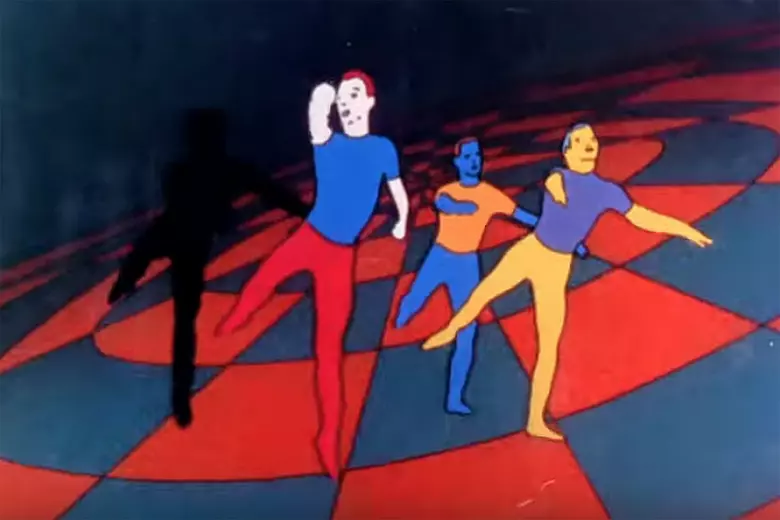
Even among the most acclaimed albums ever recorded, not a single one is perfect. That goes more so for the releases of what I call the “heroic age of the album,” which enjoyed its zenith around the late seventies. Not coincidentally, 1979 was the year that Pink Floyd put out The Wall, a rock opera whose sprawl across two discs deals with themes ranging from the bombings of the Second World War to drug dependency to fascist impulses to the isolation of superstardom. This ambition was repaid: The Wall soon became the best-selling double album of all time, despite having been received with at least a measure of ambivalence over the grandness, or perhaps grandiosity, of the scale of its production and the tone of its narrative.
Yet those few prepared to call The Wall an artistic failure must nevertheless acknowledge how much impressive work it really does contain. Of its popularly appreciated achievements, perhaps the most memorable is David Gilmour’s guitar solo, or rather the guitar solos, on “Comfortably Numb,” a song about being medically revived from a substance-induced stupor moments before giving a concert.