When love crosses the line: Why healthy relationships need boundaries [Courtesy/Shutterstock]
When a partner takes it upon themselves to draft and send replies to your professional emails without your permission and they insist they were simply trying to help, the violation runs deep.
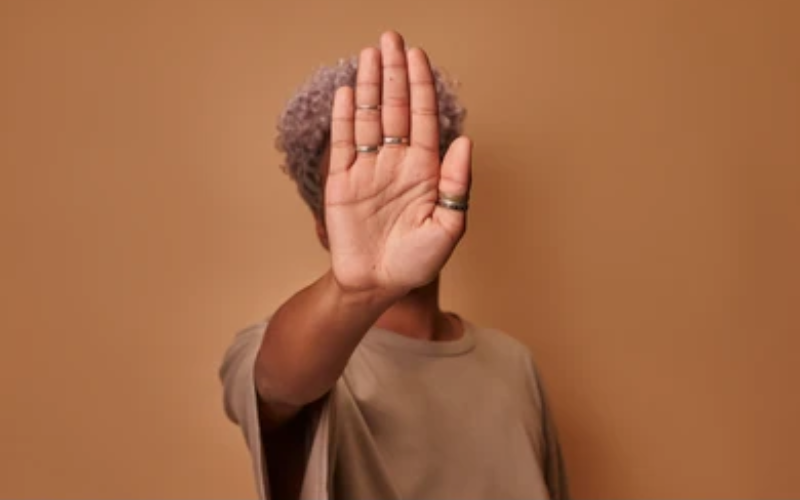
And if you dare speak up about them crossing the line, the narrative is flipped to cast you as ungrateful, overly sensitive or dramatic. Such situations capture what unhealthy boundaries look like, where it becomes hard to draw the line between two separate individuals.
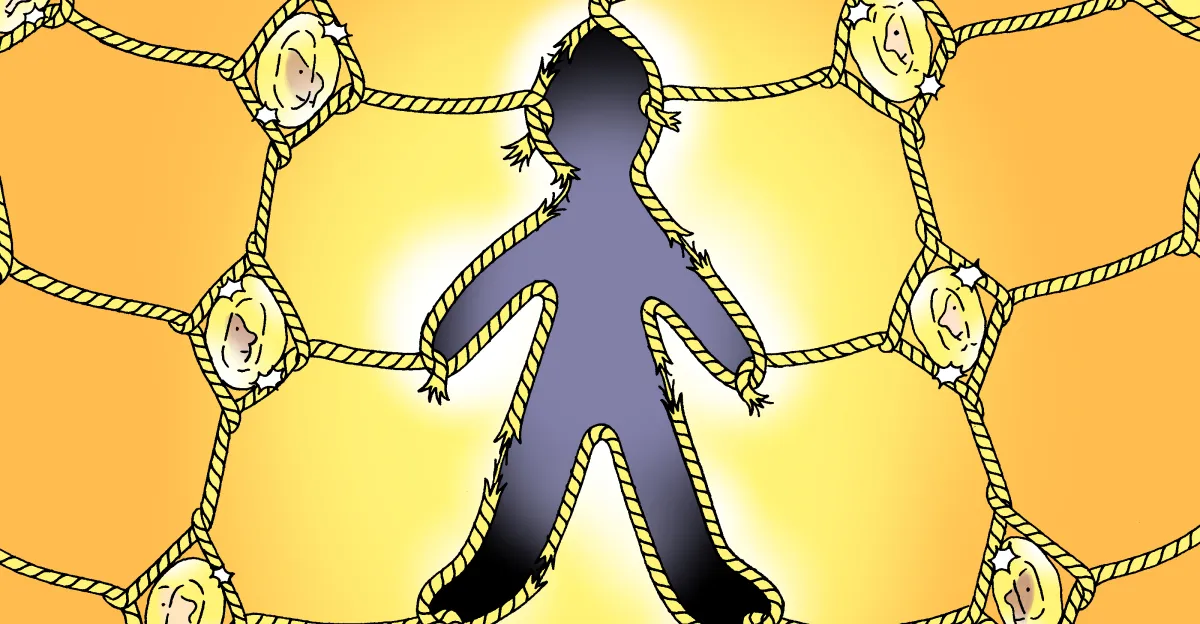
Instead of healthy limits that protect mutual respect, boundaries can at times become rigid, whereby it blocks all intimacy or porous, where one person absorbs the moods, demands and choices of the other at the expense of their own identity.
Research shows that these tangled patterns usually trace back to formative environments where standing apart from the group was treated as a threat. People who grew up learning that privacy equates to defiance or who spent childhood managing the emotional weather of their caregivers rarely learn where their own desires stop and where another person’s begins.