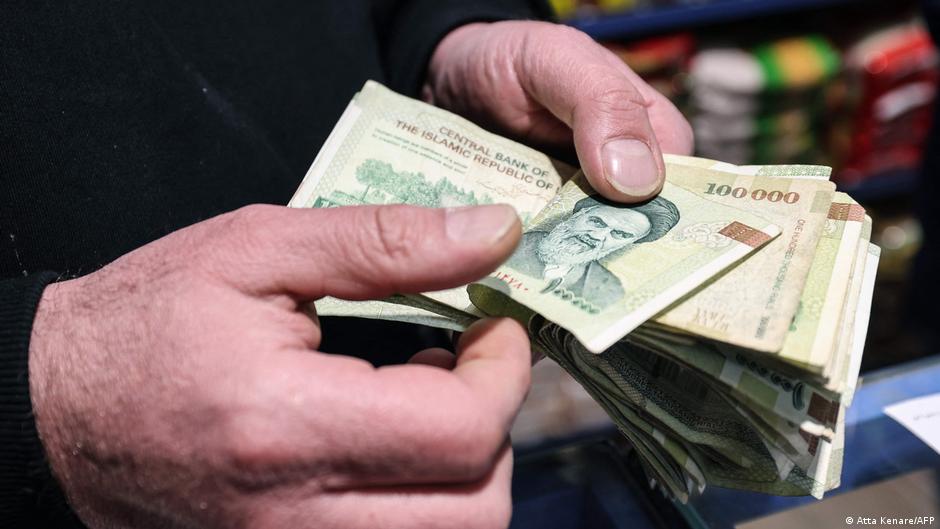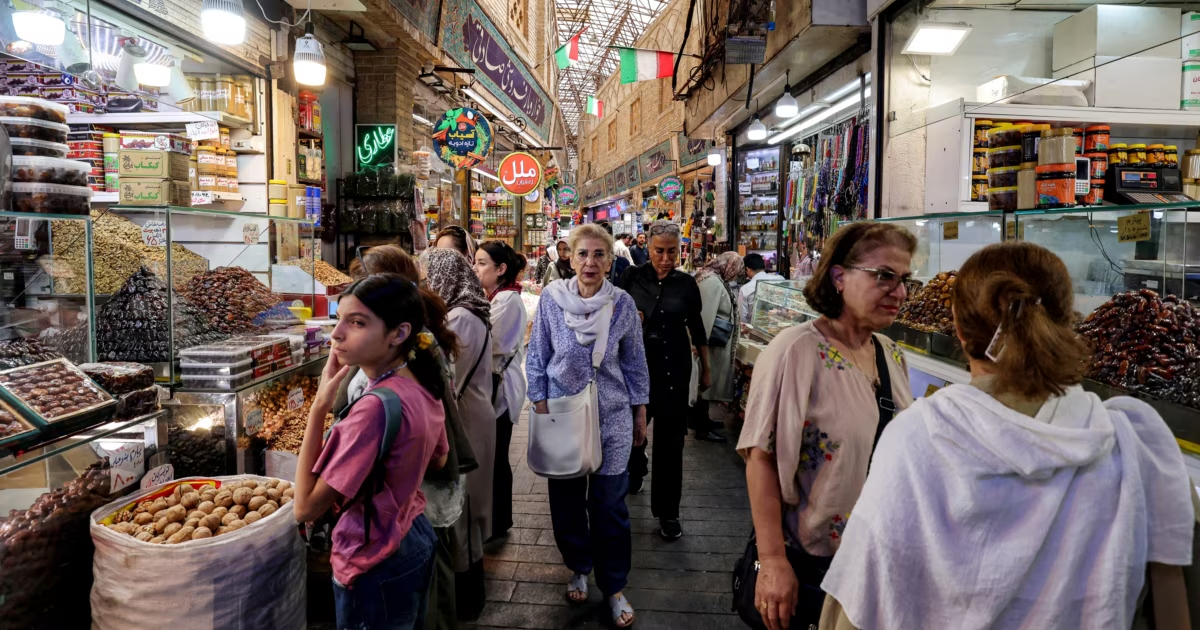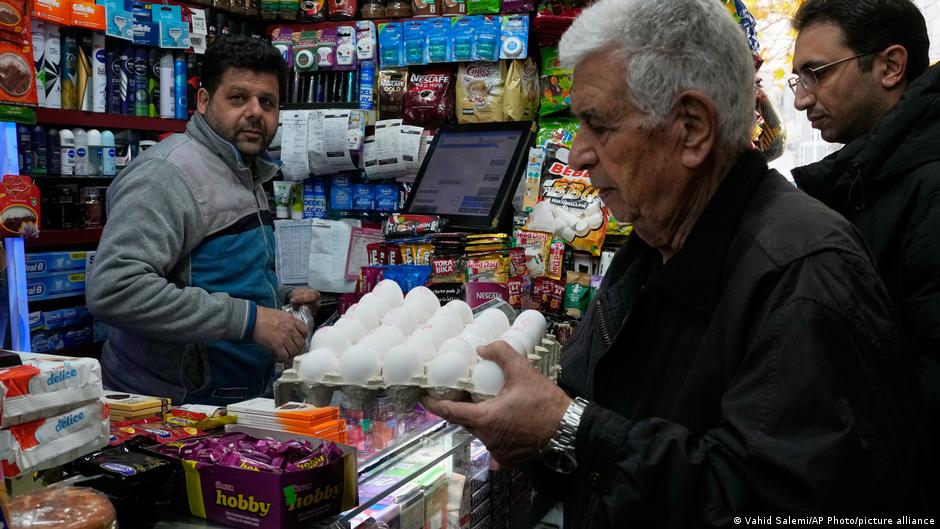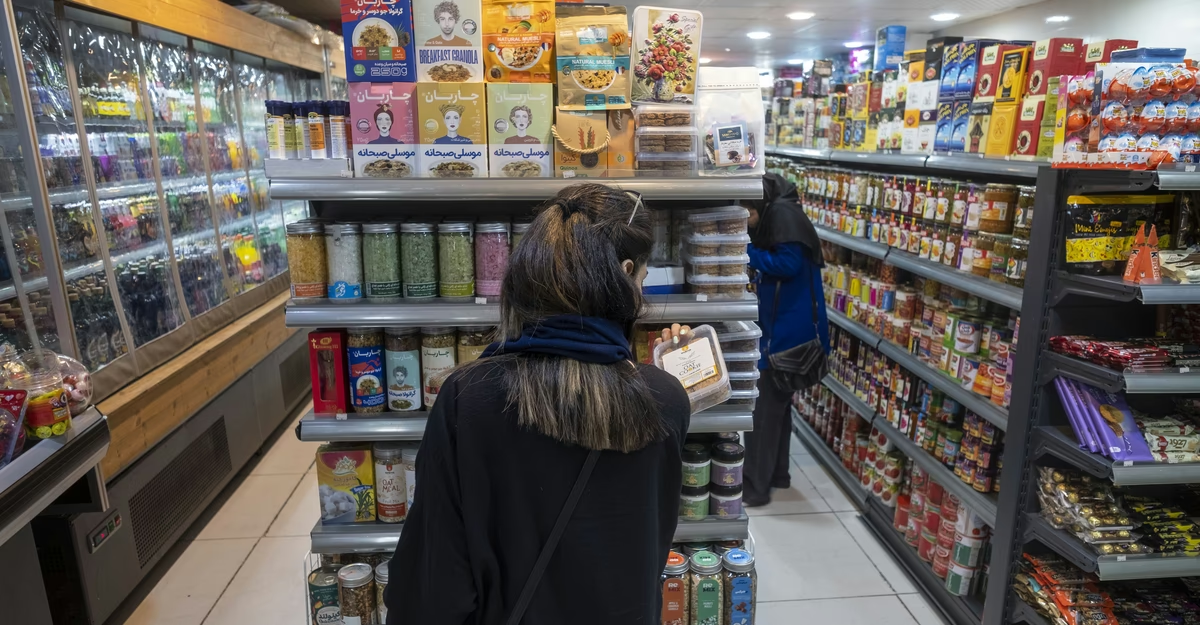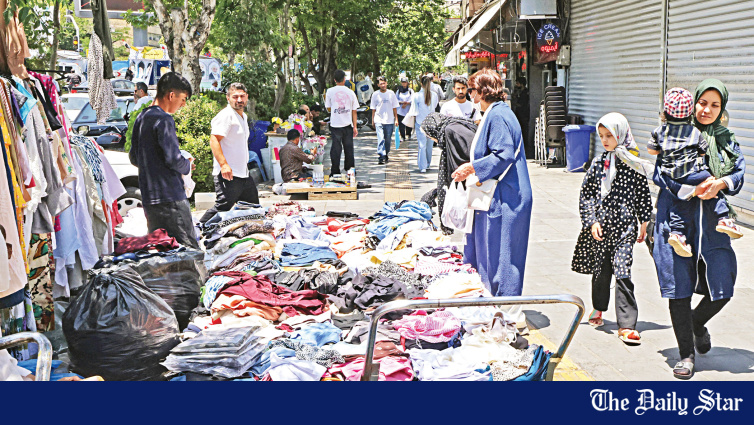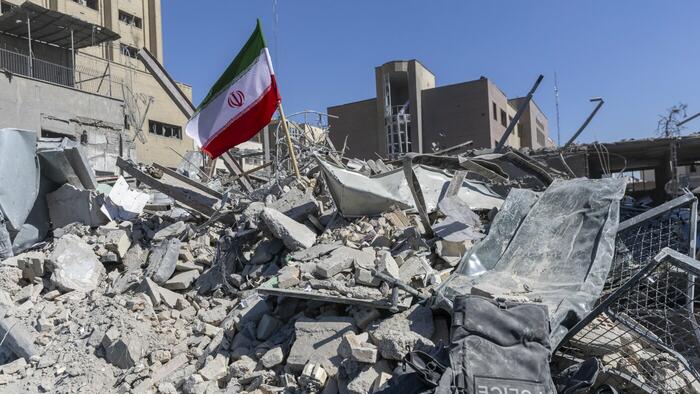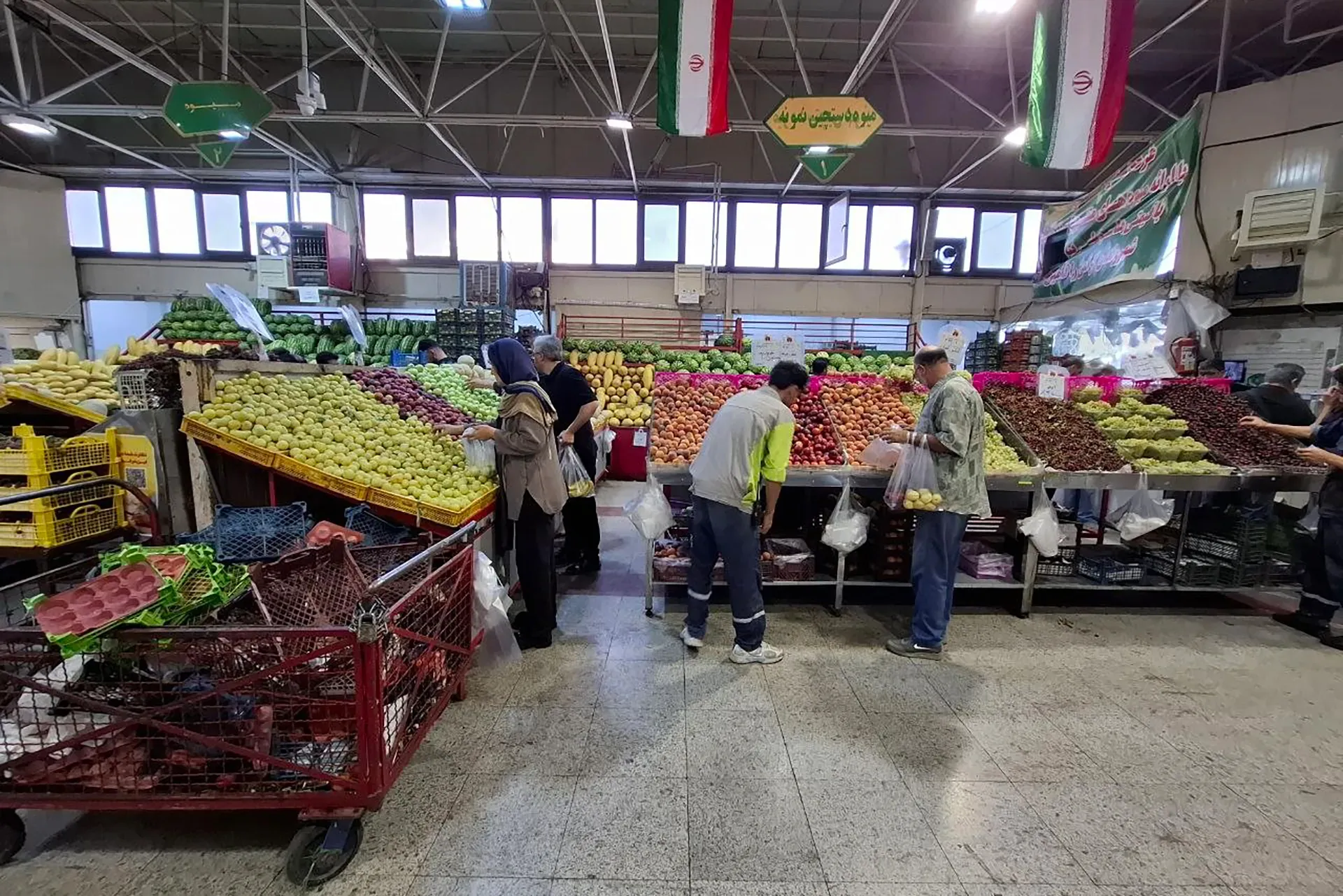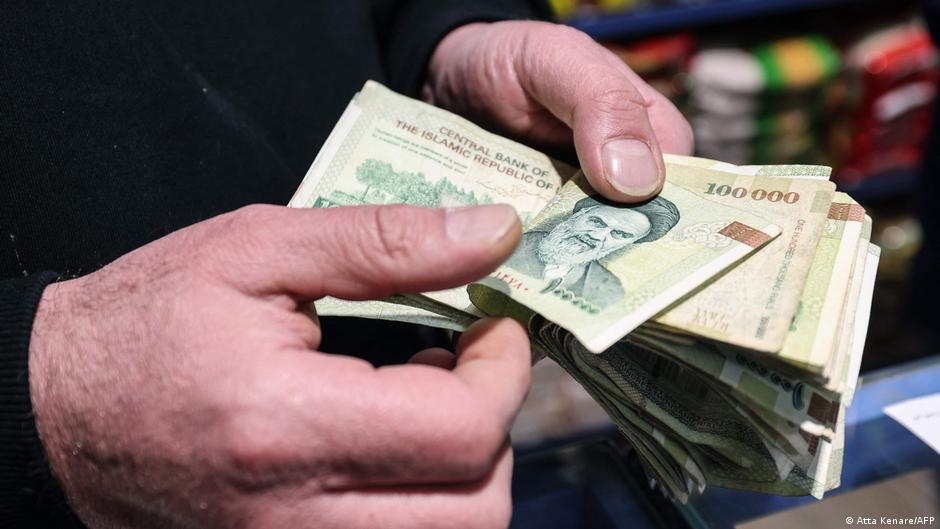
The war has intensified Iran’s economic crisis, squeezing household budgets, hurting businesses and raising fears that millions of middle-income families are slipping closer to poverty.
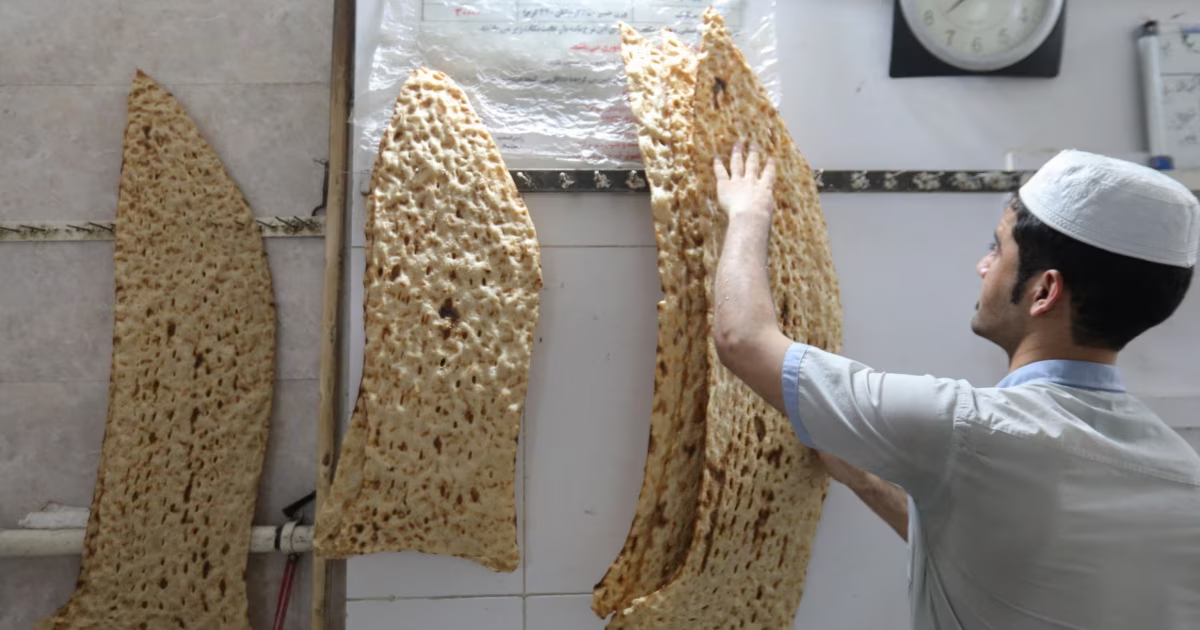
For Mina, a housewife in Iran, the war is no longer measured by air strikes or military statements. It is measured by what has disappeared from her family's dinner table.
"Since the war started last year, we have become poorer every day,” she told DW. "I honestly can't remember the last time I bought red meat. We replaced it with chicken, but even chicken has become a luxury. We no longer think about saving money. We only think about paying the rent and buying food.”
The International Monetary Fund forecasts Iran's economy will contract by 5.4% this year, while inflation is expected to approach 69%. The World Bank has also warned that conflict, weaker trade and prolonged uncertainty are weighing heavily on the country's economy.
For economist Ahmad Alavi, a Sweden-based researcher, the war did not create Iran's economic crisis, but sharply intensified it.