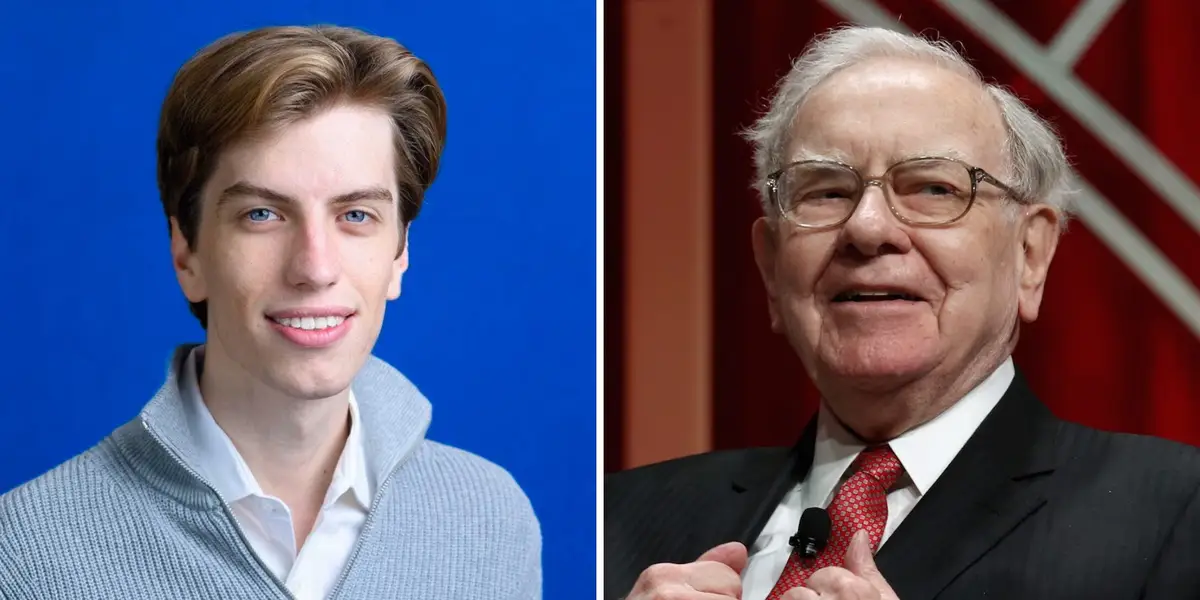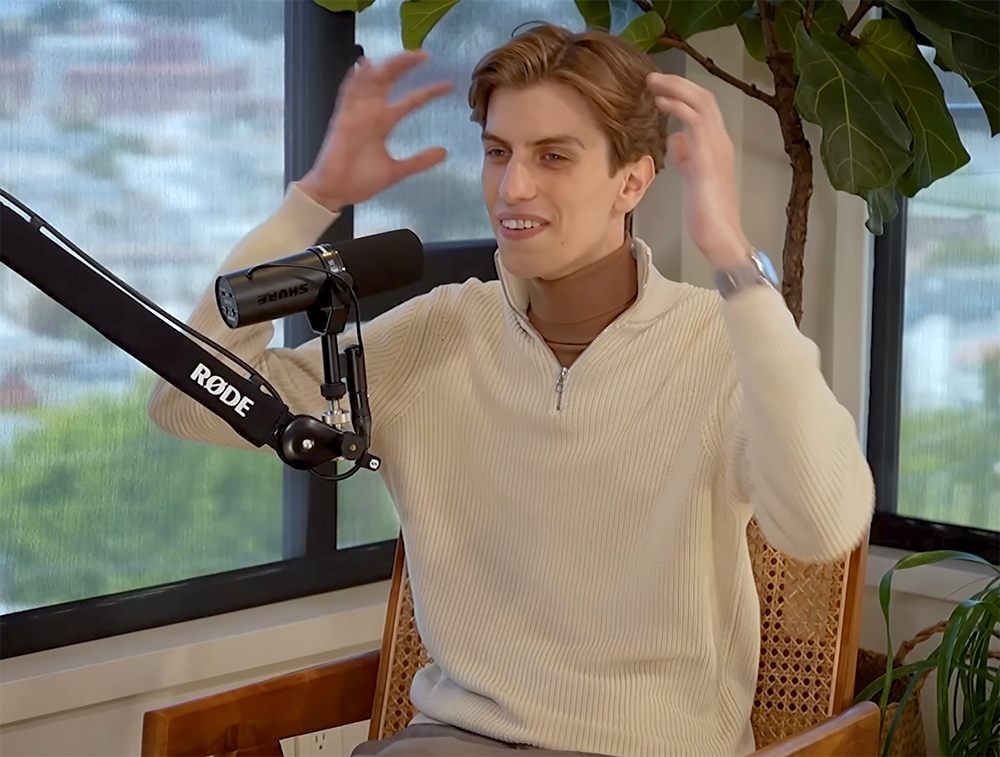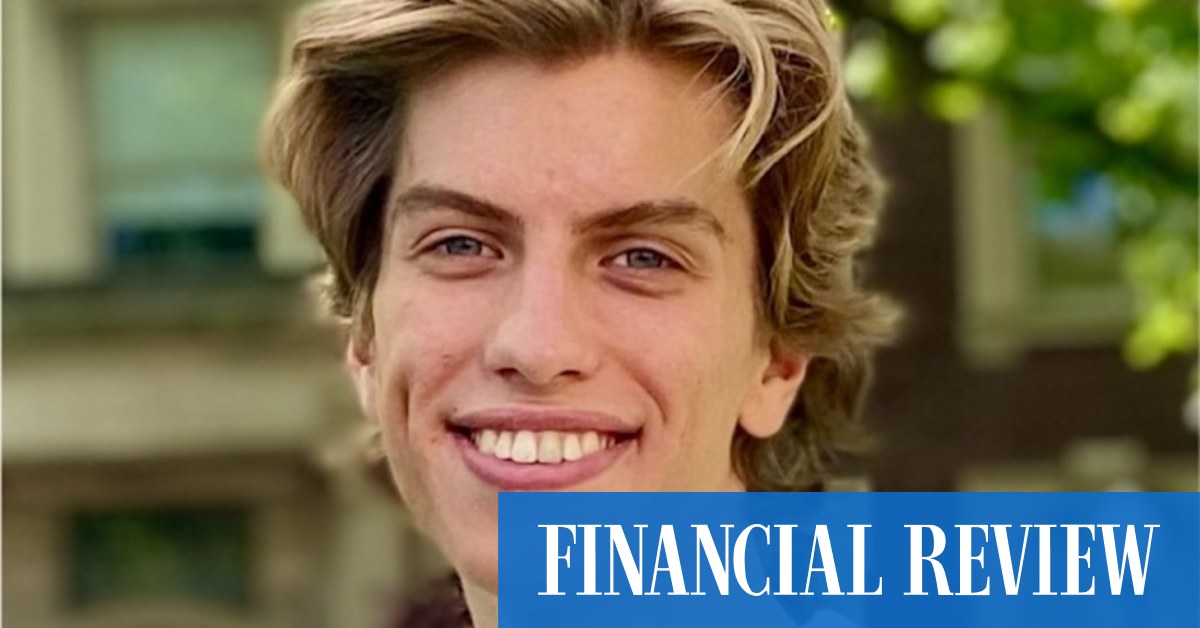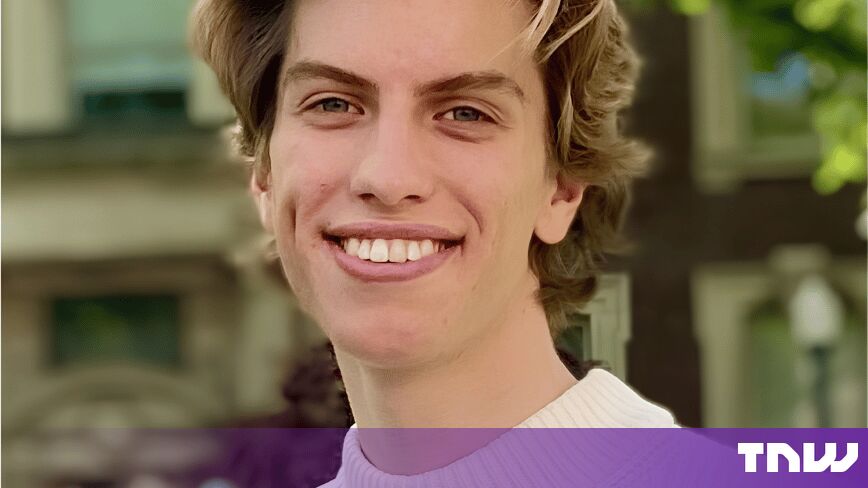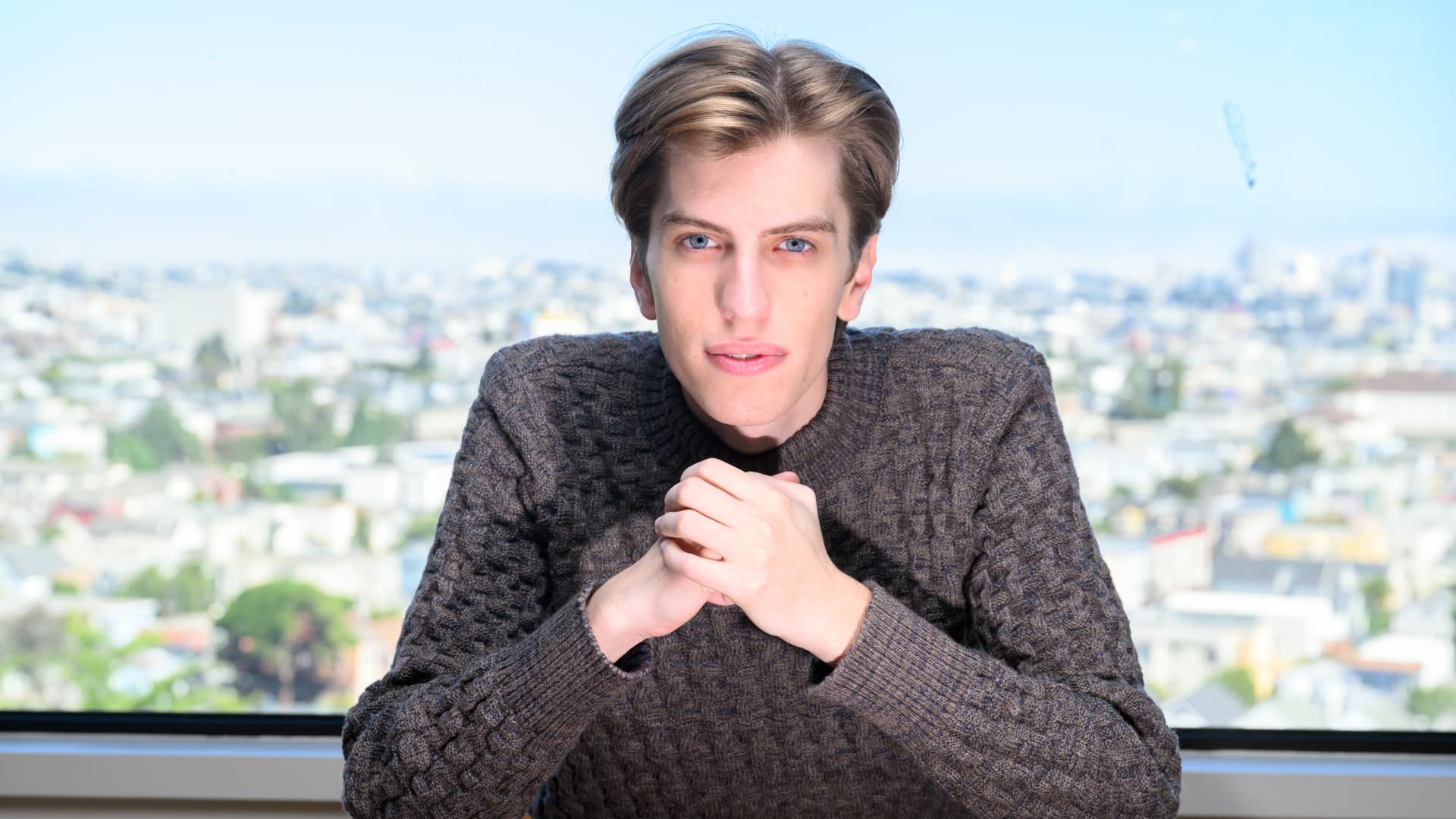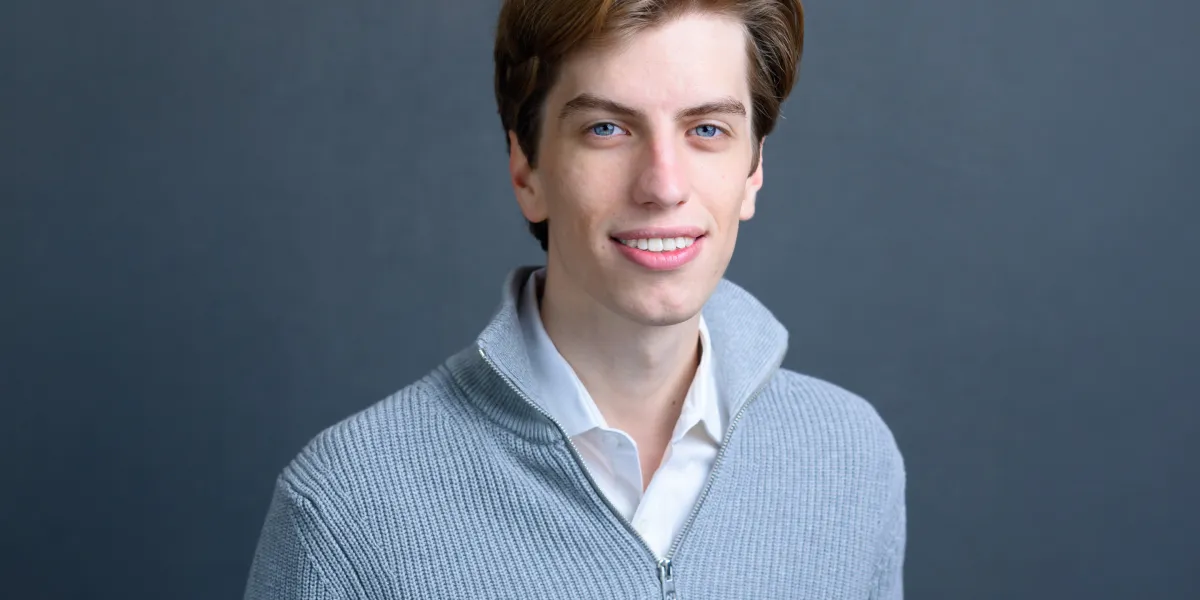
A 24-year-old with no trading experience running a $45 billion (€39 billion) hedge fund – what could possibly go wrong?Leopold Aschenbrenner is clearly a bright young fellow. His 165-page essay Situational Awareness, arguing that artificial superintelligence could arrive before the end of the decade, made him one of Silicon Valley’s most talked-about figures.Early backers included Patrick and John Collison, the Irish founders of Stripe, who reportedly invested $200 million in his fund, also called Situational Awareness.The gamble initially looked inspired, with the fund reportedly tripling in 2025 and gaining 439 per cent in the first half of 2026.Then came July, when Aschenbrenner’s big bets on companies powering the AI boom went sour. Leverage turned a bad month into a crisis, with Situational Awareness losing 67 per cent and having to sell most of its holdings to hedge fund giant Citadel.Even after the collapse, Situational Awareness is reportedly up 80 per cent in 2026, so this is not a story of a thesis being disproved. Who knows, perhaps the so-called “Nostradamus of AI” will be right about the future.However, seeing the future and making money from it are not the same thing, and a prescient vision is of little use if one’s portfolio cannot survive one tricky month for markets.“Leverage all too often produces zeros,” Warren Buffett once warned, “even when it is employed by very smart people”. It’s an old market lesson, one that has been forgotten many times before – and one that will, alas, be forgotten again.
The 24-year-old AI prophet who learned the oldest rule of investing
Leopold Aschenbrenner’s essay arguing that artificial superintelligence could arrive before the end of the decade made him one of Silicon Valley’s most talked-about figures
TL;DRAI
Leopold Aschenbrenner's $45B Situational Awareness fund fell 67% in July despite +80% YTD when leverage on AI bets failed. For tech strategy: prescient thesis without capital resilience collapses; leverage amplifies drawdown regardless of accuracy.
249 words~1 min read