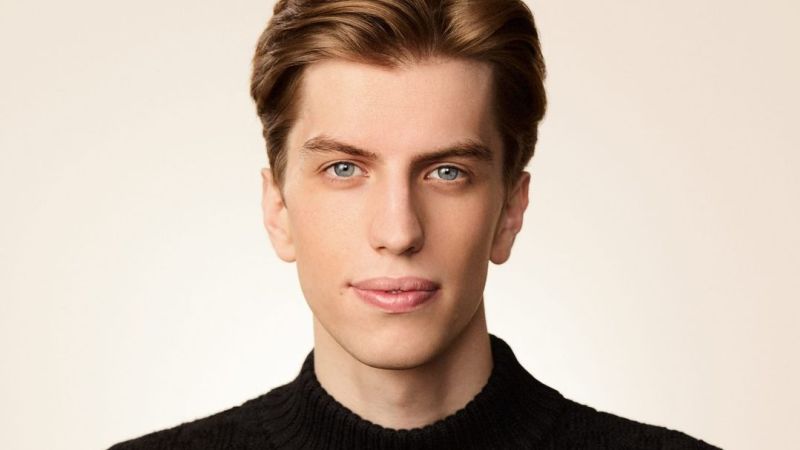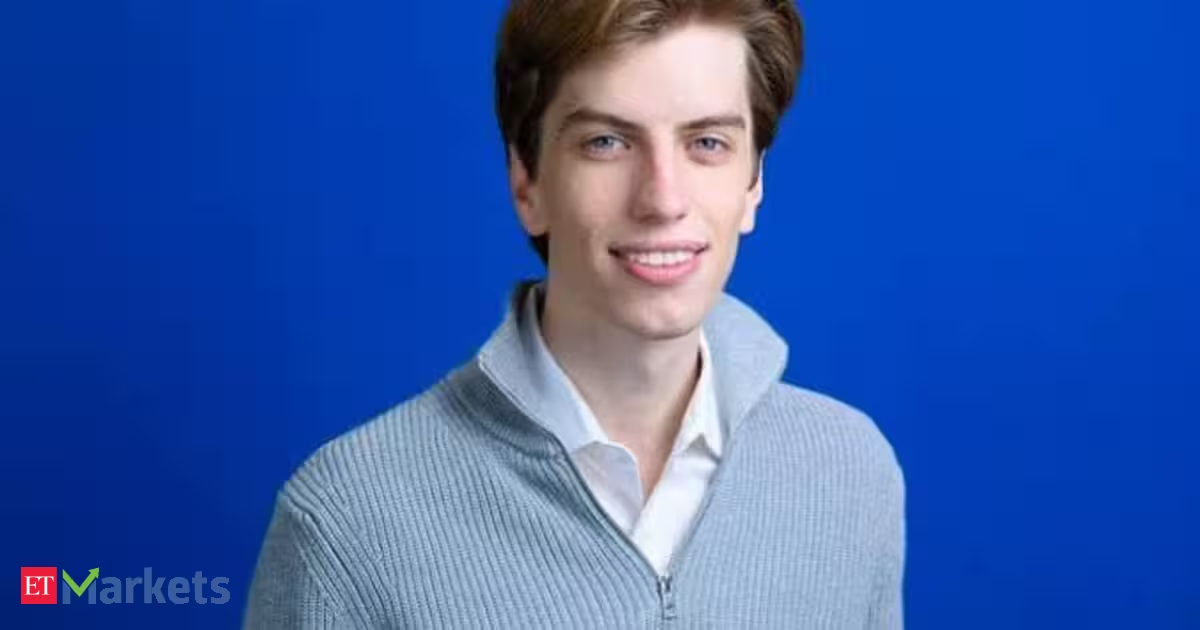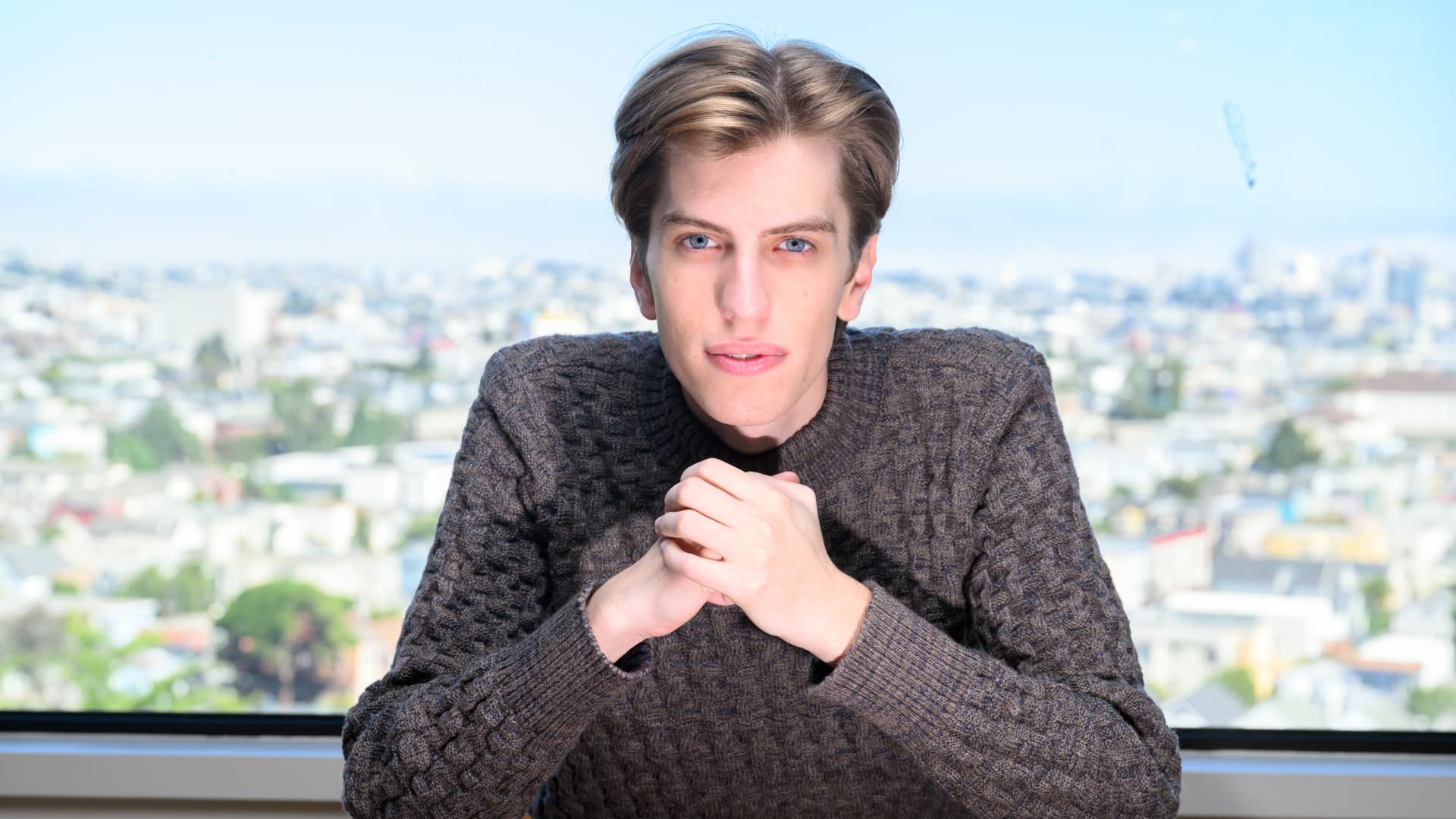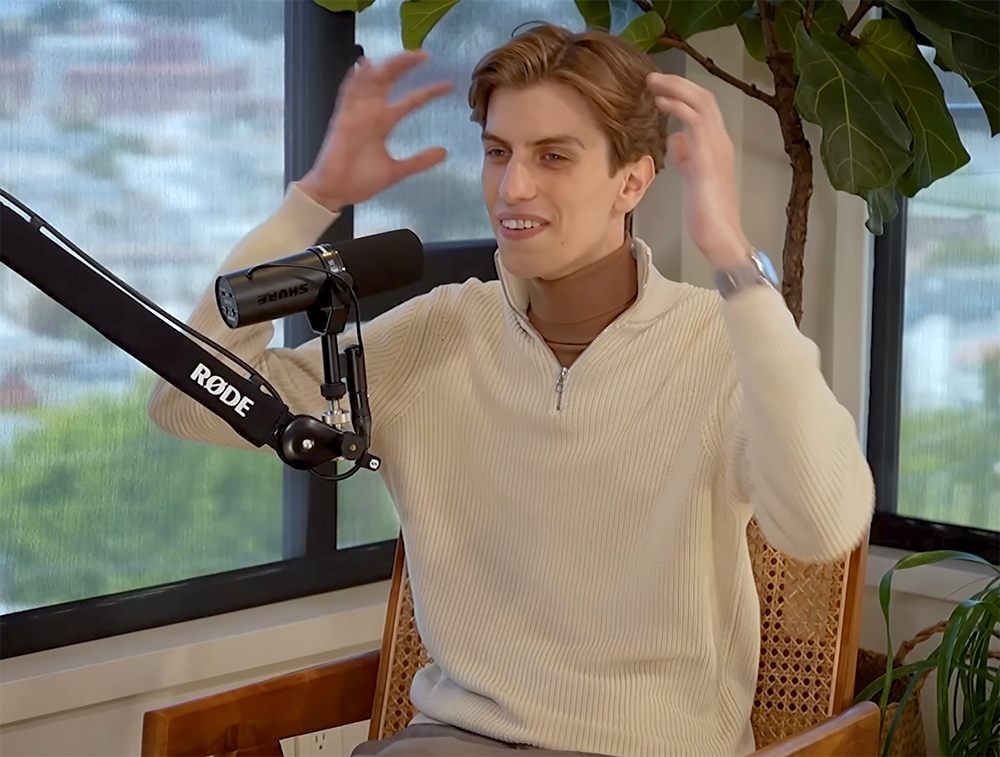
Situational Awareness is a hedge fund that has just taken a spectacular dive. Its name was adopted from the title of an essay by the fund’s 24-year-old German founder, Leopold Aschenbrenner, exploring the promises and perils of AI ‘superintelligence’. Many people who thought Aschenbrenner himself was super-intelligent gave him money to invest and, for a brief while, he outperformed their wildest expectations, his novice fund clocking up a 439 per cent return in the first half of this year.
But in July it plunged from $45 billion to $10 billion as AI-related stocks tumbled and its entire holding of listed shares had to be sold to raise liquid funds. Now market-watchers are asking whether he’s the harbinger of a wider crash or just an overhyped shooting star. I’d say the latter: despite his guru-like persona, Aschenbrenner’s investment style was as naïve as it was dangerous.
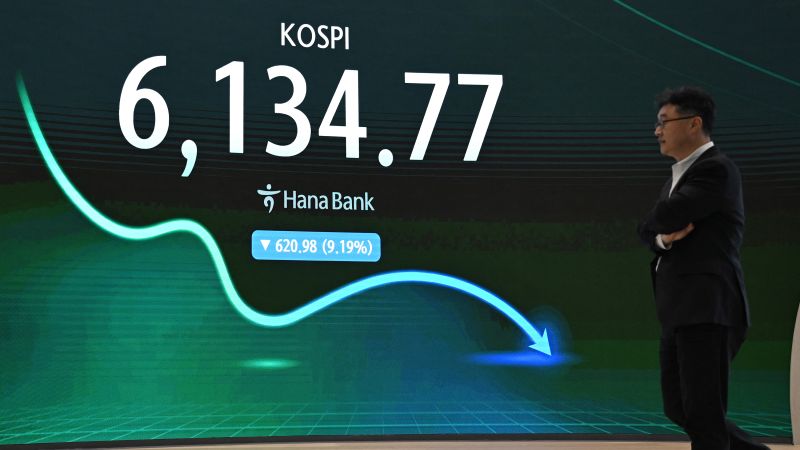
He was leveraged (that is, deploying borrowed money) at a ratio of four to one, multiplying potential losses as well as gains on his investors’ capital. Almost all his picks were AI stocks or options that naturally move in a pack, creating so-called ‘concentration risk’. He was heavily exposed to the volatile Korean stock market, which fell by a third from a June peak, and also held short positions (bets that share prices would fall) in ‘legacy’ software stocks such as Adobe which rallied as AI stocks faltered.