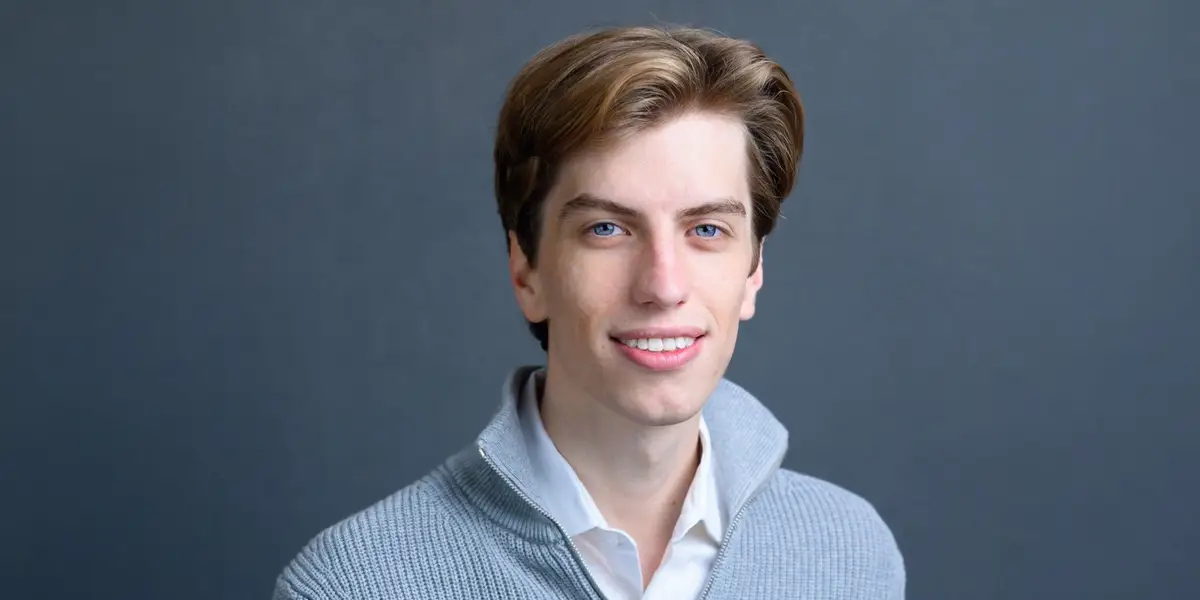
Leopold Aschenbrenner is the founder of Situational Awareness, an artificial intelligence-focused hedge fund that on July 30 sold a chunk of its AI-related public equities and saw its assets slump sharply.The former OpenAI Foundation researcher has become a prominent voice in debates over the future of AI, with investors closely following his predictions about the new technology’s trajectory.Through his fund, he has sought to capitalise on AI by investing in companies expected to benefit from the expansion of its infrastructure. But a sharp sell-off in AI-related stocks has forced the fund to exit many of its positions, highlighting the risks behind some of the market’s biggest AI bets.Who is Leopold Aschenbrenner? A native of Germany, Aschenbrenner entered Columbia University at age 15 and graduated as valedictorian in 2021.He worked for a stint at the FTX Future Fund of the philanthropic FTX Foundation, founded by disgraced crypto giant Samuel Bankman-Fried.Unlike most hedge fund founders, he had no professional investing experience before launching Situational Awareness in 2024. Why is he a big deal in the AI industry?He is known for his work on AI safety and publishing his views on the future of advanced artificial intelligence systems.After leaving OpenAI in 2024, he released an essay titled Situational Awareness, arguing that artificial general intelligence could arrive within years and reshape the global economy and geopolitical competition.The essay gained traction among investors, researchers and policymakers in Silicon Valley and Washington, establishing Aschenbrenner as a closely followed voice in conversations about AI’s future.His fund’s rapid rise made Aschenbrenner one of Wall Street’s most closely watched AI investors, with his quarterly regulatory filings scrutinised for clues about the next major AI trade.What does Situational Awareness do? The firm has disclosed relatively little about its investment strategy publicly, but it has broadly focused on companies positioned to benefit from the expansion of AI infrastructure.Its portfolio has centred on businesses in the broader ecosystem, including semiconductor and memory chip makers, cloud computing providers and power-related companies.Rather than focussing only on AI model developers, the fund’s investments reflected a broader market thesis that the growth of AI would require massive expansion of infrastructure.The fund has also made private investments, including a stake in Anthropic, and it backed AI chip startup MatX.How’d that work out?The strategy delivered strong returns early on, with the fund reportedly gaining 270 per cent after fees in 2026 through May. The sharp turnaround has highlighted both the potential rewards and risks of concentrated bets tied to a single market theme.Why is his hedge fund selling those investments now?Situational Awareness came under pressure after a sharp decline in AI-related stocks raised questions about whether the sector’s high valuations could be sustained.The fund has since exited the bulk of its public equity positions through a large transaction, with Ken Griffin’s Citadel purchasing a significant portion of those holdings.The unwind came as the fund faced losses tied to its AI-focused portfolio, with reports it worked with prime brokers including Bank of America, Goldman Sachs Group and JPMorgan Chase & Co to manage margin requirements and reduce positions.The firm continues to hold private investments, including Anthropic.Why did Citadel want those positions? Citadel has not commented, so the firm’s reasoning remains unclear. The purchase highlights how larger investment firms can step in when other investors want out, acquiring positions during periods of market volatility.The deal also underscores the divide among investors over AI-related assets; some continue to see long-term opportunities, while others are reassessing valuations after a period of rapid gains.Does this signal anything more broadly about AI?The rapid rise and fall of Situational Awareness is an acute reminder of how quickly sentiment can shift in one of the market’s hottest sectors.The episode highlights a central tension in the AI boom: Companies building the technological infrastructure may benefit from continued demand, but investors betting heavily on the sector remain vulnerable to shorter-term valuation swings and changing market expectations.For Wall Street, Aschenbrenner’s fund illustrates both the potential upside of investing early in a major technological shift and the risks that come with concentrated exposure to a fast-moving market. BLOOMBERG
Who is Leopold Aschenbrenner and why is Wall Street watching?
The rapid rise and fall of Situational Awareness is a reminder of how quickly sentiment can shift. Read more at straitstimes.com. Read more at straitstimes.com.
678 words~3 min read